
Top 15 Beef Cattle Breeds for the Perfect Steak
One fact that the steak aficionados have to admit when it comes choosing the right steak, is that the type of beef cattle breed matters. Whether you like your steak rare or medium, whether it is a Wagyu tenderloin or Angus rib-eye cut, each breed of the cattle plays a significant role in flavor, texture and tenderness.
Which is why in this article, we will explore the top 15 beef cattle breeds that will bring the meat lovers back for more, plus where you can find the fine dining establishments in Jakarta that offer you the best steak cuts.
What Beef Cattle Are & How They’re Raised
Beef cattle are breeds specifically raised for meat production, selected over generations for qualities such as muscle development, fat distribution, and meat texture. Unlike dairy cattle, which are bred for milk yield, beef cattle are raised with a focus on producing flavorful, tender cuts suitable for steaks and roasts.
In practice, most beef cattle start their lives grazing on pasture before entering a finishing phase that shapes the steak’s final character. Cattle that remain grass-fed tend to produce leaner beef with a firmer texture and a more pronounced beef flavor, while grain-fed cattle develop richer marbling, resulting in juicier, more tender steaks with a buttery mouthfeel often associated with premium steakhouses.
Top 15 Types of Beef Cattle Breeds for the Perfect Steak
When it comes to choosing the perfect steak, the breed of the beef cattle plays an important role in flavor, tenderness, and overall quality. Here’s a simple guide to the top 15 beef cattle breeds known for producing excellent steak:
1. Angus
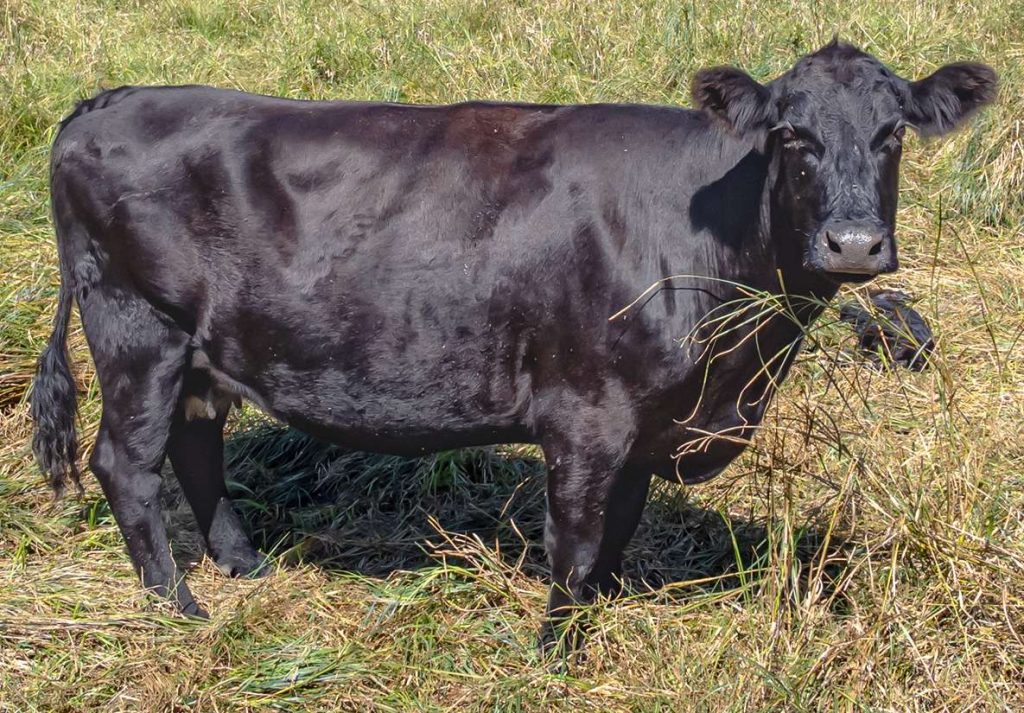
Simply put, Angus beef is the heavyweight champion of the steak world. It has become synonymous with top-tier steak and for very good reasons. Originally from Scotland, Angus cattle were bred for their exceptional marbling, which is the thin streaks of fat that run through the meat. This luxurious marbling is the secret to its rich flavor and buttery texture.
And if you’re ordering steak in most American steakhouses, there’s a good chance you’ll be savoring Certified Angus Beef—a label that guarantees quality through 10 strict standards. At Lawry’s, Angus steaks take center stage, known for their deep flavor and melt-in-your-mouth texture.
2. Red Angus
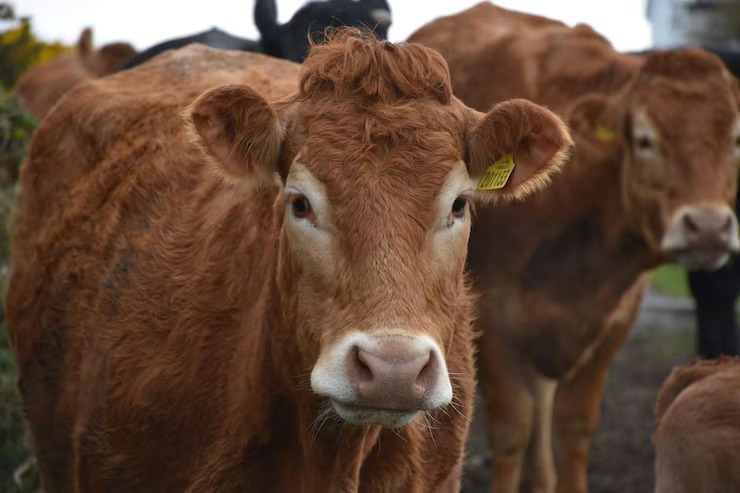
Often considered the red-coated sibling of Angus, Red Angus cattle share many of the same qualities that made Angus famous in the steak world—excellent marbling, reliable tenderness, and a rich beef flavor. The breed traces its roots to Scotland in the 1700s, where red offspring occasionally appeared in Angus herds before later developing into a recognized breed of its own in the United States.
Beyond its distinctive reddish coat, Red Angus is valued for its fertility, calm temperament, and ability to perform well in warmer climates thanks to better heat tolerance. The beef it produces is consistently tender and well-marbled, which explains why Red Angus genetics are widely used in breeding programs worldwide. For steak lovers, this reliable marbling helps create juicy, flavorful cuts that perform beautifully on the grill or in a hot pan.
3. Wagyu
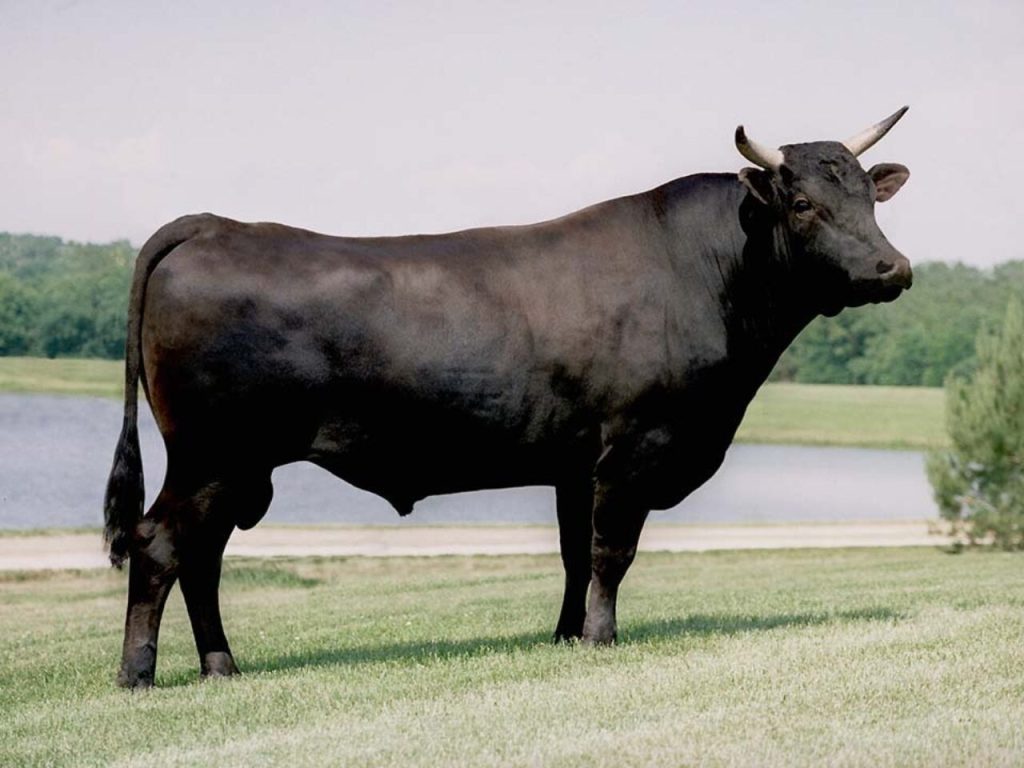
Next, we venture to Japan for the world-famous Wagyu—the gold standard for those who are seeking indulgence in their hearty meal. Wagyu beef is renowned for its rich marbling, yielding an unmatched tenderness and buttery texture. Their fat is finely woven throughout the muscle, producing a steak so tender it practically melts on the plate.
Unlike most other cattle, Wagyu genetics produce intense marbling, which elevates the flavor profile of each bite. Kobe beef, a type of Wagyu, takes this a step further with even more precise breeding and care. Wagyu steaks offer a luxurious eating experience that pairs well with the fine dining ambiance of Lawry’s.
Related article: Wagyu Beef Grading – What Does It Mean?
4. Kobe
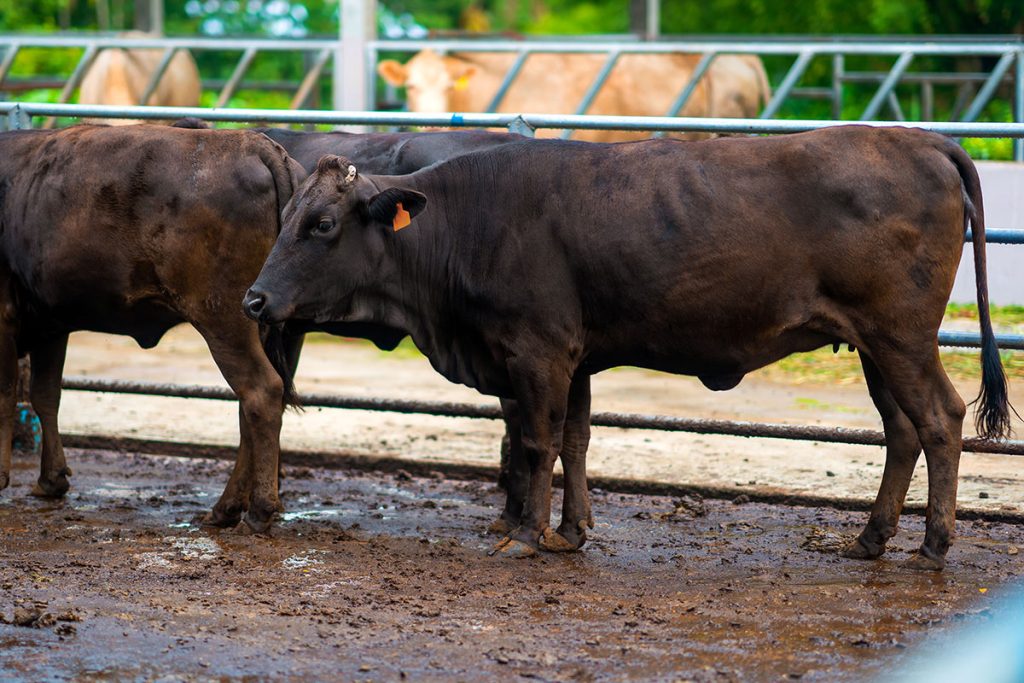
A superstar within the Wagyu family, Kobe beef deserves its own moment of glory. It is a subset of Wagyu, coming from the Tajina strain while still in a league of its own Raised under stringent regulations in Japan, Kobe cattle are pampered to produce intensely marbled, flavorful meat.
Often considered the pinnacle of steak perfection, Kobe beef commands high prices for its succulent texture and distinct umami. A good Kobe steak is almost creamy in texture, offering an extraordinary melt-in-your-mouth sensation. Although not as common as Angus or Wagyu, its exclusivity makes it the crown jewel of steak connoisseurship.
5. Brahman
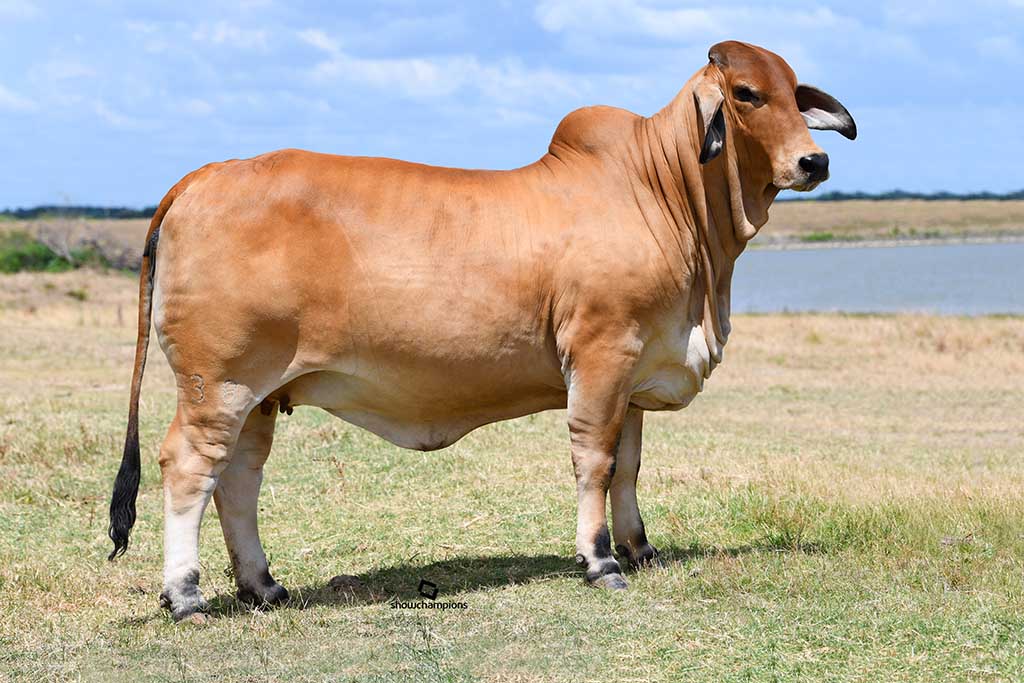
While Brahman cattle might not be as well-known in the world of steak, their unique adaptations make them highly prized, particularly in tropical regions. Originally from India, Brahman cattle are celebrated for their resilience in harsh conditions. Bred from Bos indicus cattle, which are traditionally used in crossbreeding for toughness, Brahman beef is lean and flavorful, with less fat compared to other breeds.
Their influence on hybrid breeds like Brangus has helped elevate Brahman beef into the premium steak market, especially for those who appreciate leaner cuts. While Brahman steak may not be as marbled as the Wagyu or Angus, it has a unique, robust flavor that shines in dishes where the beef itself is the star. Think chargrilled perfection.
6. Gelbvieh
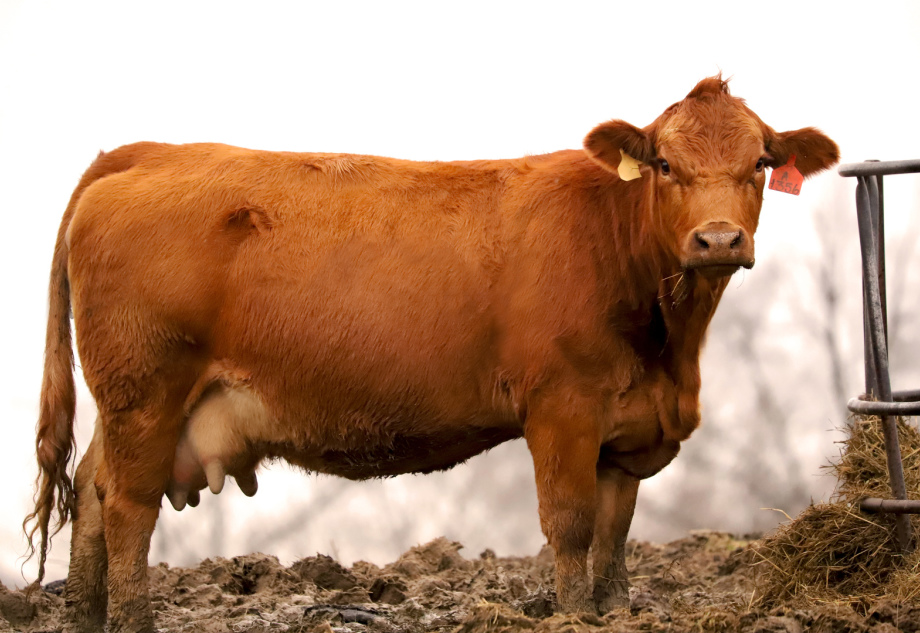
Finally, we end our journey with a European delight: the Gelbvieh. This German breed is one of the oldest, and it’s prized for its balance of muscle and fat that creates consistently juicy steaks Originally bred for milk production, the focus shifted towards meat quality, and the result is a lean, fine-textured beef that stands out on any plate.
Its moderate marbling makes it an excellent choice for those who prefer a balance between lean and luscious and excellent for grilling steaks. If you’re looking for something off the beaten path but still packed with flavor, Gelbvieh steaks won’t disappoint.
7. Charolais
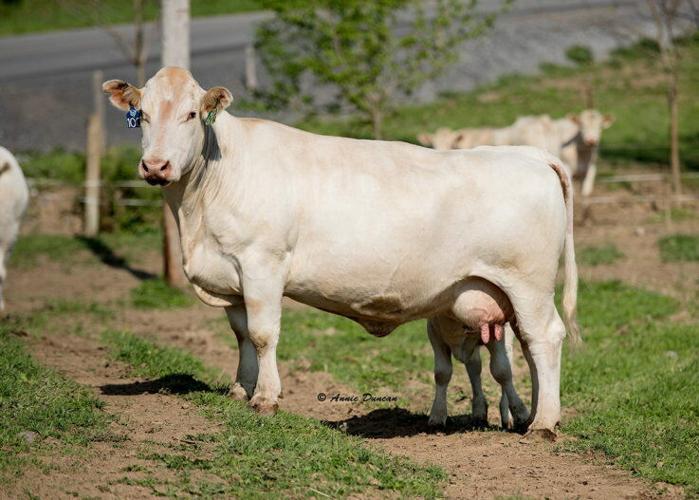
Originating from France, Charolais cattle are known for their large frame and muscular build. These white or cream-colored cows are not only visually striking but also produce meat that’s lean, tender, and flavorful. While Charolais beef is lower in fat and marbling compared to some other breeds, it offers a clean, beefy taste that appeals to health-conscious steak lovers.
Charolais beef is ideal for people who enjoy a firm bite without too much richness. With proper aging and cooking, the lean cuts can still be incredibly juicy and delicious, especially when grilled or pan-seared.
8. Hereford
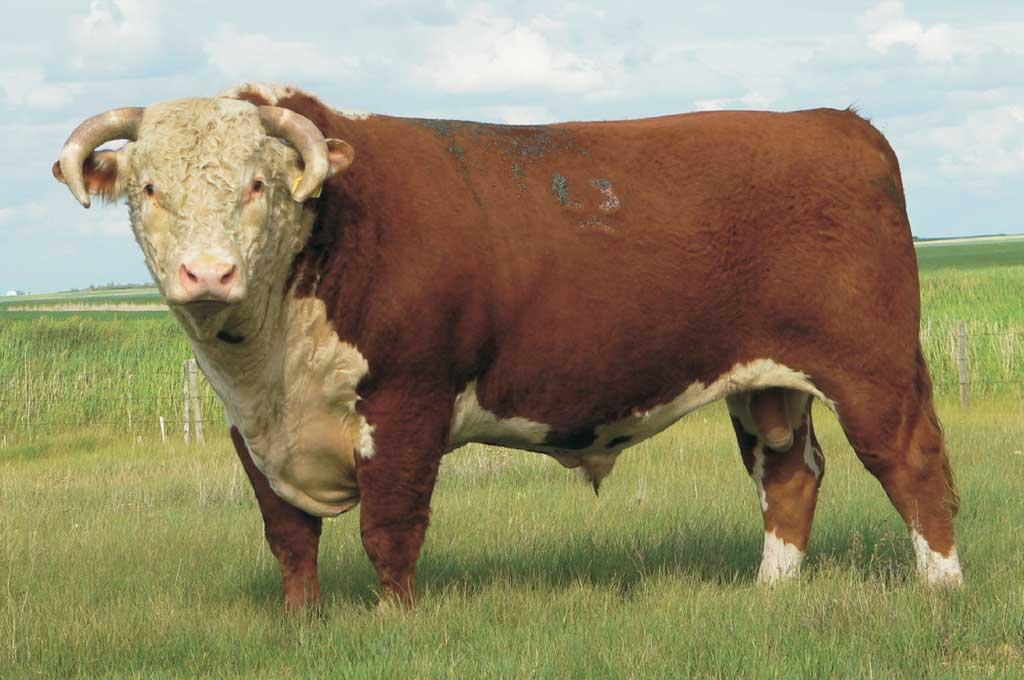
The Hereford, with its signature red body and white face, is a breed from England that’s gained popularity worldwide. What makes Hereford cattle stand out is their balance. The meat from this breed features good marbling, but not excessive, making it flavorful yet not overly fatty.
Steaks from Hereford cattle are known for their consistent tenderness and full-bodied taste. It’s a favorite among steakhouse chefs because it performs well across different cuts. If you’re new to premium beef and want an all-around winner, Hereford beef is a fantastic start.
9. Limousin
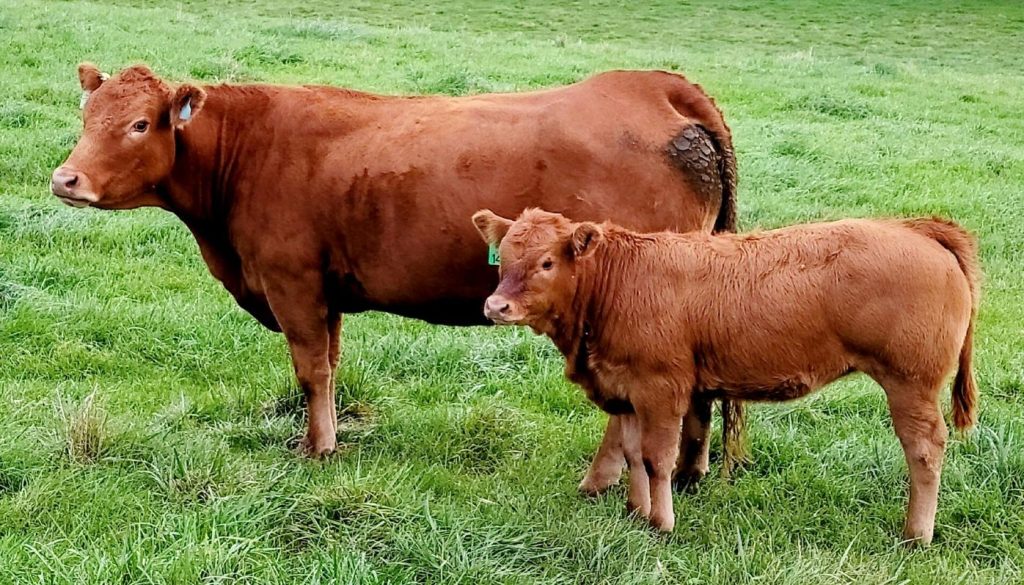
Another breed from France, Limousin cattle are typically golden-red in color and are known for their excellent meat-to-bone ratio. What this means is more usable, high-quality meat on each animal. Limousin beef is naturally lean, but when raised properly, it retains moisture and flavor, offering a delicate texture that surprises many first-timers.
It’s especially popular in Europe for roasts and steaks that aim for a clean, refined beef taste. If you enjoy steak but want to avoid excessive fat, Limousin beef is a delicious, healthier choice.
10. Chianina
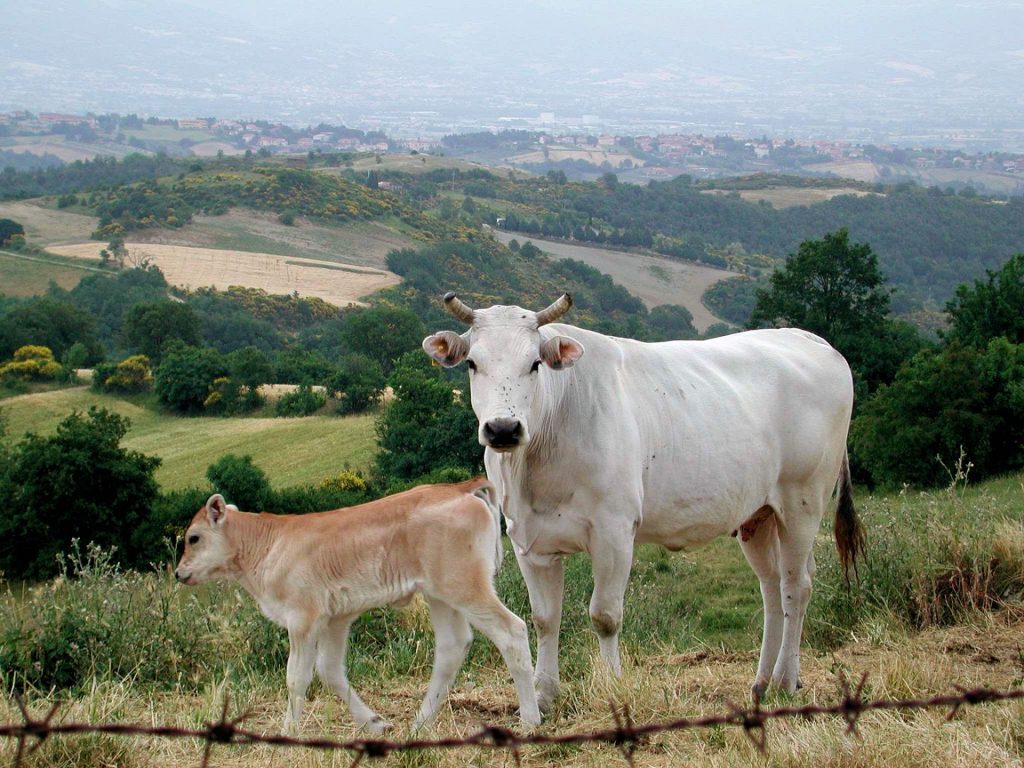
Meet the Chianina, one of the oldest and largest cattle breeds in the world, originating from Italy. You might recognize it as the breed behind the famous Bistecca alla Fiorentina.
Chianina beef is renowned for being extra lean, yet when cooked right, it delivers an unforgettable depth of flavor. The meat has a firm texture and is best cooked rare to medium-rare to preserve its natural juices. This breed is ideal for steak lovers who appreciate a bold, meaty profile without a ton of fat.
11. Simmental
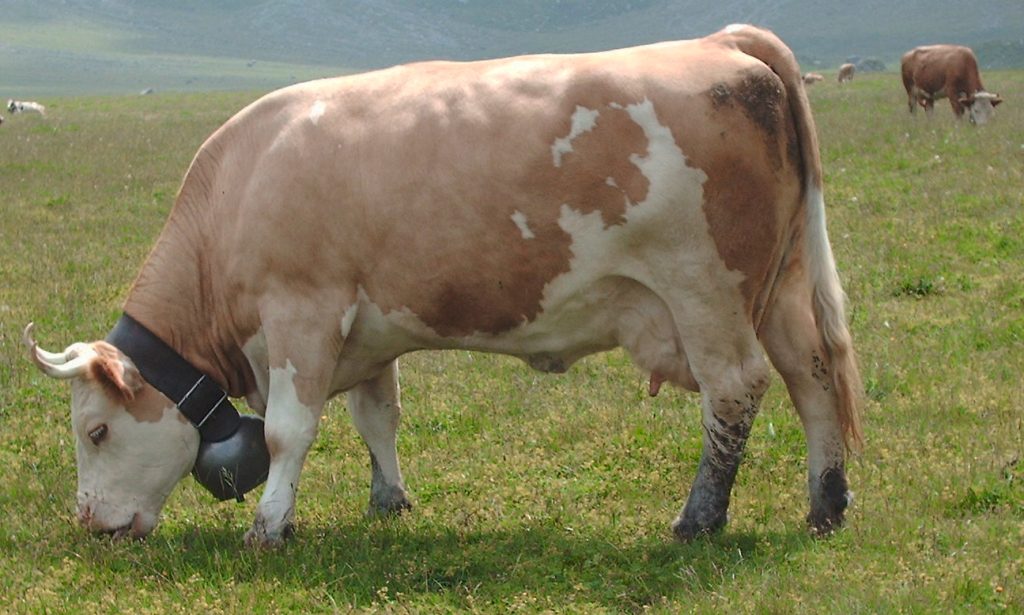
Originating from Switzerland, the Simmental breed is now found all over the world, especially in Germany, Austria, and the U.S. This dual-purpose breed (raised for both milk and beef) is cherished for its heavily marbled meat and rich, buttery flavor.
Simmental steaks often rival higher-end breeds like Angus when it comes to tenderness and taste. The generous marbling creates a steak that’s juicy, flavorful, and tender. However cook, whether grilled, pan-seared, or broiled, Simmental beef holds up beautifully and rewards you with every bite.
12. Scottish Highland
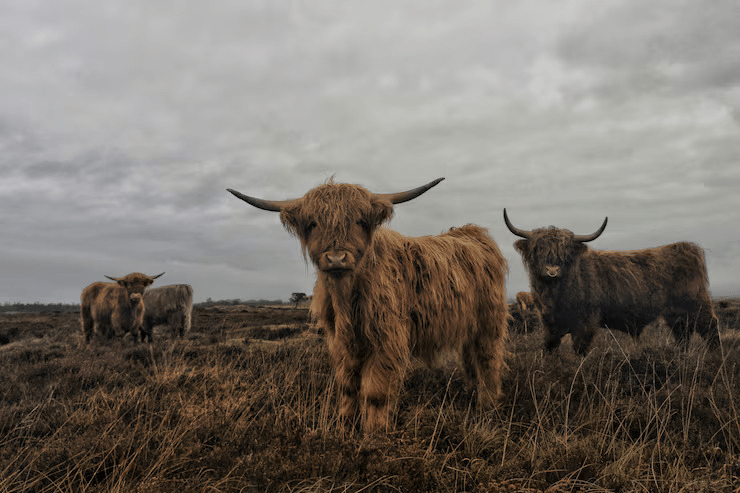
Few cattle breeds are as instantly recognizable as the Scottish Highland, with its long shaggy coat, sweeping horns, and rugged appearance. Originating in the harsh Scottish Highlands, these cattle evolved to withstand cold climates, rough terrain, and limited forage—traits that make them one of the hardiest breeds in the world.
Instead of relying on heavy fat layers for insulation, Highlands grow thick hair that protects them from extreme weather. This results in beef that is naturally lean, flavorful, and often lower in cholesterol compared to many other breeds. When properly aged and cooked, Highland beef can produce steaks with a clean, robust beef flavor that appeals to those who prefer leaner cuts.
13. Shorthorn
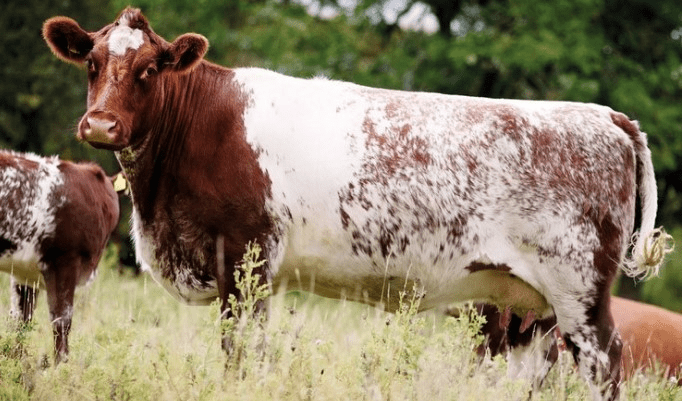
The Shorthorn is one of the most versatile cattle breeds in agricultural history. Originating along the northeastern coast of England, these cattle were brought to the United States in the late 1700s and quickly became popular among settlers because they could serve multiple purposes—from providing beef and milk to pulling wagons and plows.
Today, Shorthorns remain highly valued in the beef industry for their excellent marbling, tenderness, and balanced carcass quality. They typically appear in red, white, or roan coats and are known for their calm disposition and strong maternal traits. These qualities also translate well to steak cuts, producing juicy and flavorful steaks when grilled or pan-seared.
14. Beefmaster
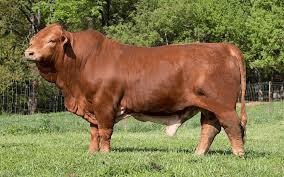
Developed in the United States, the Beefmaster is a carefully engineered breed created to perform in challenging ranching environments. It is the result of crossbreeding Brahman, Hereford, and Shorthorn cattle to combine the best traits of each lineage.
Beefmasters are known for what breeders call the “Six Essentials”: weight, conformation, milk production, fertility, hardiness, and disposition. These cattle adapt well to diverse climates and grazing conditions, making them a practical choice for ranchers focused on productivity and herd efficiency.
Their balanced genetics allow them to produce reliable beef yields while maintaining resilience in demanding environments. When finished properly, Beefmaster beef can also deliver flavorful steak cuts with satisfying tenderness.
15. Brangus
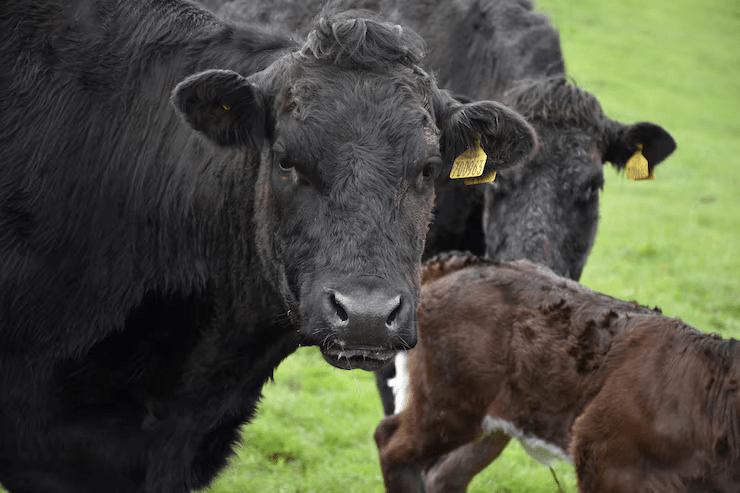
As the name suggests, Brangus cattle are a hybrid breed combining the genetics of Angus and Brahman cattle. This cross brings together two valuable traits: the marbling and beef quality associated with Angus and the heat tolerance and disease resistance of Brahman.
Brangus cattle are typically black-coated and naturally polled, producing beef that is both flavorful and well-marbled. Their ability to thrive in warm climates while maintaining strong carcass quality has made them especially popular in hotter regions. The Angus genetics also help Brangus produce juicy steak cuts with balanced tenderness and beefy flavor.
Beyond Breeds: What Makes Beef Truly Great?
Knowing the breed is only the beginning. The finest beef in the world shares a common thread: genetics matter, but how cattle are raised, finished, and processed shapes the eating experience as much as any bloodline.
Rearing and diet
Cattle raised in low-stress environments with space to move and consistent feed tend to develop better muscle tone and more even fat distribution. A grass-fed finishing produces leaner beef with a stronger, more pronounced flavor; a grain-fed finishing builds the rich intramuscular fat that creates the buttery marbling associated with premium steakhouses. Neither is universally superior. The choice depends on what flavor profile a specific cut is being developed for.
Regional provenance
Where a breed is raised matters as much as the breed itself. Japanese A5 Wagyu benefits from Japan’s strict grading system, specialized feed programs, and centuries of selective breeding. USDA Prime-grade Certified Angus Beef carries a guarantee of meeting ten specific quality markers, including marbling score, carcass size, and maturity. Provenance and certification are a form of quality control that breed name alone cannot provide.
Aging
Once a carcass leaves the farm, aging transforms good beef into exceptional beef. Wet aging, in which the cut is vacuum-sealed and refrigerated, preserves moisture and develops a clean, mild tenderness. Dry aging exposes the cut to controlled airflow, allowing surface moisture to evaporate and concentrating both flavor and tenderness over weeks. The longer the dry-aging period, the more intense and complex the resulting flavor.
From Farm to Fine Dining Table: The Journey Behind Every Bite
Understanding the journey from farm to table is what separates a casual steak order from a genuinely informed dining experience. Many of the finest beef breeds carry centuries of selective breeding behind them, each generation refining traits like intramuscular fat, tenderness, and flavor complexity. But the breed is only the starting point.
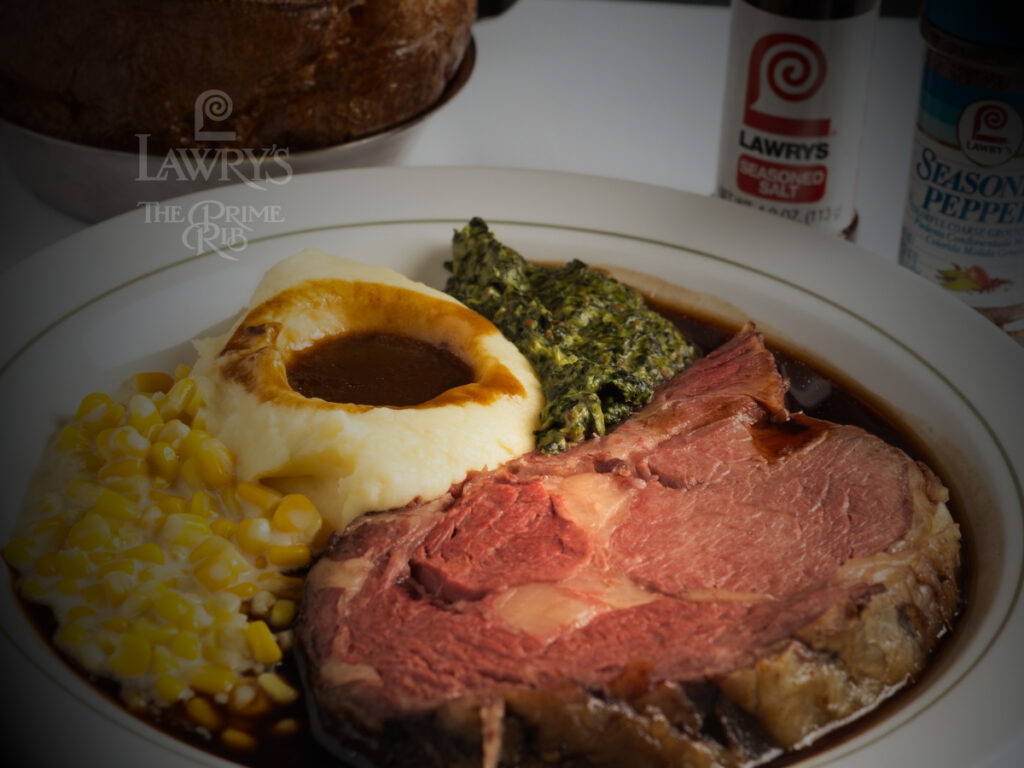
At Lawry’s The Prime Rib Jakarta, the sourcing decision begins with Certified Angus Beef (CAB), specifically the OP Rib prime cut from the USA. CAB is not simply Angus by name. It must meet ten rigorous quality standards set by the American Angus Association, covering marbling score, carcass size, and maturity, among others. Only cattle that pass all ten criteria earn the certification.
Once sourced, the beef is aged for 21 days to deepen its natural flavor, then marinated for 24 to 36 hours with Lawry’s Seasoned Salt before cooking. The roasting process runs for 4 to 5 hours at low temperature, twice daily, followed by a minimum three-hour rest in a hotbox to lock in moisture. This process is as precise as the breed selection that precedes it.
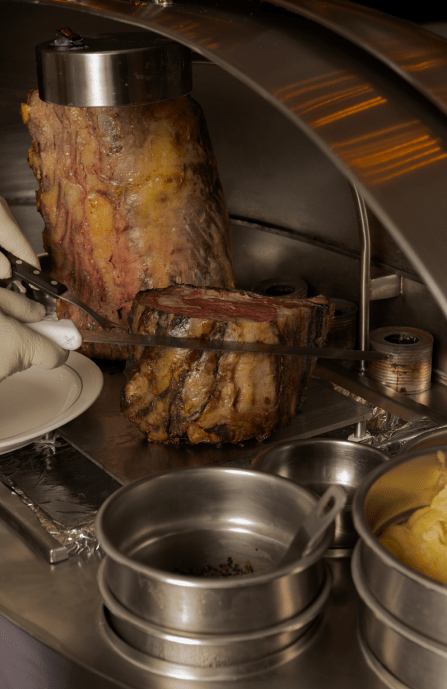
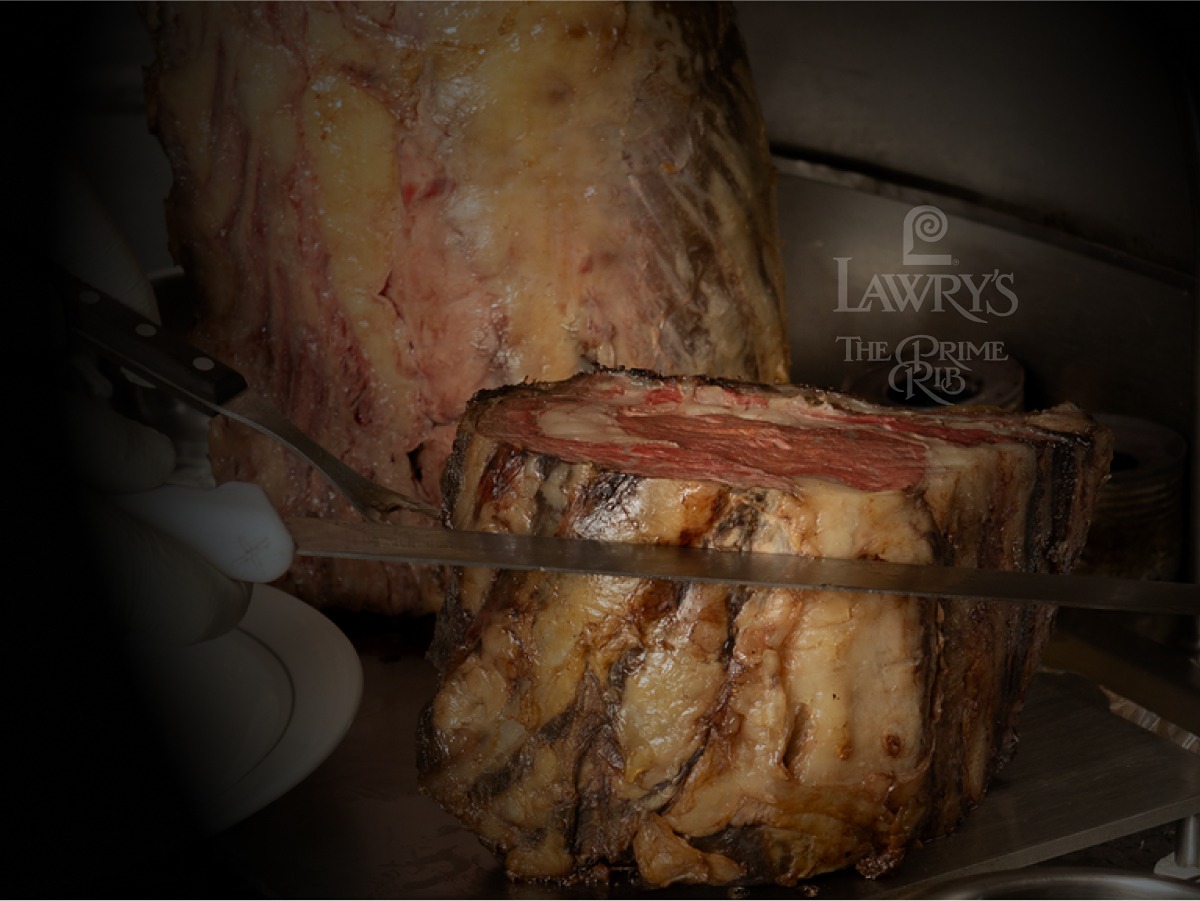
The result is what arrives tableside from the silver cart: a prime rib with the marbling of a superior Angus, the depth of a properly aged cut, and the flavor of a preparation method refined over 85 years. Breed matters. But the journey from farm to table is what makes the difference between a good steak and an extraordinary one.
Experience the World’s Best Beef at Lawry’s Jakarta
For those who want to experience what premium beef breeds actually taste like in a setting built around their best expression, Lawry’s The Prime Rib Jakarta offers a clear answer. The Certified Angus Beef prime rib, slow-roasted and carved tableside from the silver cart, represents the culmination of everything covered in this guide: the right breed, properly raised, expertly aged, and prepared with the same method used since Beverly Hills in 1938.
Reserve your table and discover what the world’s finest beef looks like on your plate.
FAQ
The breed affects marbling, texture, and flavor. Some breeds, like Wagyu and Angus, have high marbling, making the steak juicier and more tender.
Kobe is a specific type of Wagyu from Japan, raised under strict regulations. It has even more intense marbling and a melt-in-your-mouth texture.
Brahman and Gelbvieh cattle offer leaner steaks with robust flavor, making them ideal for those who prefer less fat.

Reserve Table
Lawry’s Restaurants is the perfect place to begin your venue search for any occasion.