
Unraveling the Taste Difference: Grain-Fed vs Grass-Fed Steaks
Steak lovers often find themselves at a crossroads when choosing between grain-fed and grass-fed beef. The distinction goes far beyond preference. What the cattle eat dramatically changes the flavour, texture, and nutritional value of the beef that arrives on your plate. Understanding these differences isn’t just for chefs or connoisseurs, it’s essential for anyone who appreciates a perfectly cooked steak that tells its own story.
Grass-fed beef begins with the natural rhythm of pasture life. These cattle graze freely on open fields, feeding primarily on grass and other forage throughout their lives. This diet produces leaner meat with less total fat and a deeper nutritional profile.
Grass-fed beef is rich in omega-3 fatty acids, vitamin E, and antioxidants, as well as higher levels of conjugated linoleic acid (CLA), which is associated with several health benefits. The result is a steak that tastes clean, earthy, and slightly gamey. Its texture tends to be firmer, its fat less pronounced, and its flavour unmistakably bold. For many, grass-fed beef delivers a rustic authenticity that reflects the pasture it came from.
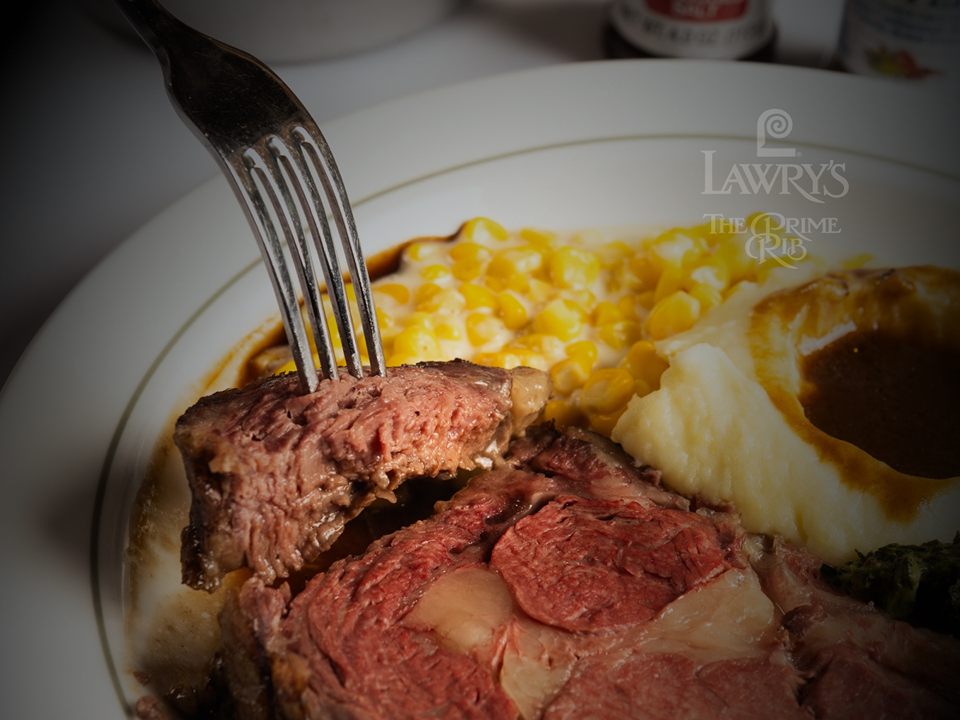
Grain-fed beef, by contrast, offers an indulgence of a different kind. After spending their early months on grass, these cattle are moved to feedlots and finished on grain-based diets, primarily composed of corn and soy. This diet accelerates growth and builds intramuscular fat (known as marbling) that creates a luscious tenderness and buttery texture.
The result is the kind of steak that melts on the tongue, with a subtle sweetness that complements rich sauces and bold seasonings. Grain-fed beef, often preferred in steakhouses across the United States and Japan, is the epitome of luxury dining, succulent, juicy, and consistent in its mouthfeel.
Nutritionally, the contrast is clear. Grass-fed beef is leaner, lower in calories, and higher in omega-3s, while grain-fed beef is richer in monounsaturated fats, contributing to its smooth, velvety taste. For those seeking a heart-healthy option with a stronger, more defined flavour, grass-fed is the way to go. But for diners who value tenderness and a more classic steakhouse experience, grain-fed holds the advantage. Each cut reflects the story of its feed: one shaped by the earth, the other by indulgent cultivation.
When deciding between the two, think of the occasion and the palate you wish to satisfy. Choose grass-fed steak when you crave something natural, lean, and full of character—a meal that celebrates the purity of its origins. Opt for grain-fed when the mood calls for comfort, luxury, and the rich satisfaction of a perfectly marbled cut. There’s no absolute winner here, only a matter of personal preference and culinary context.
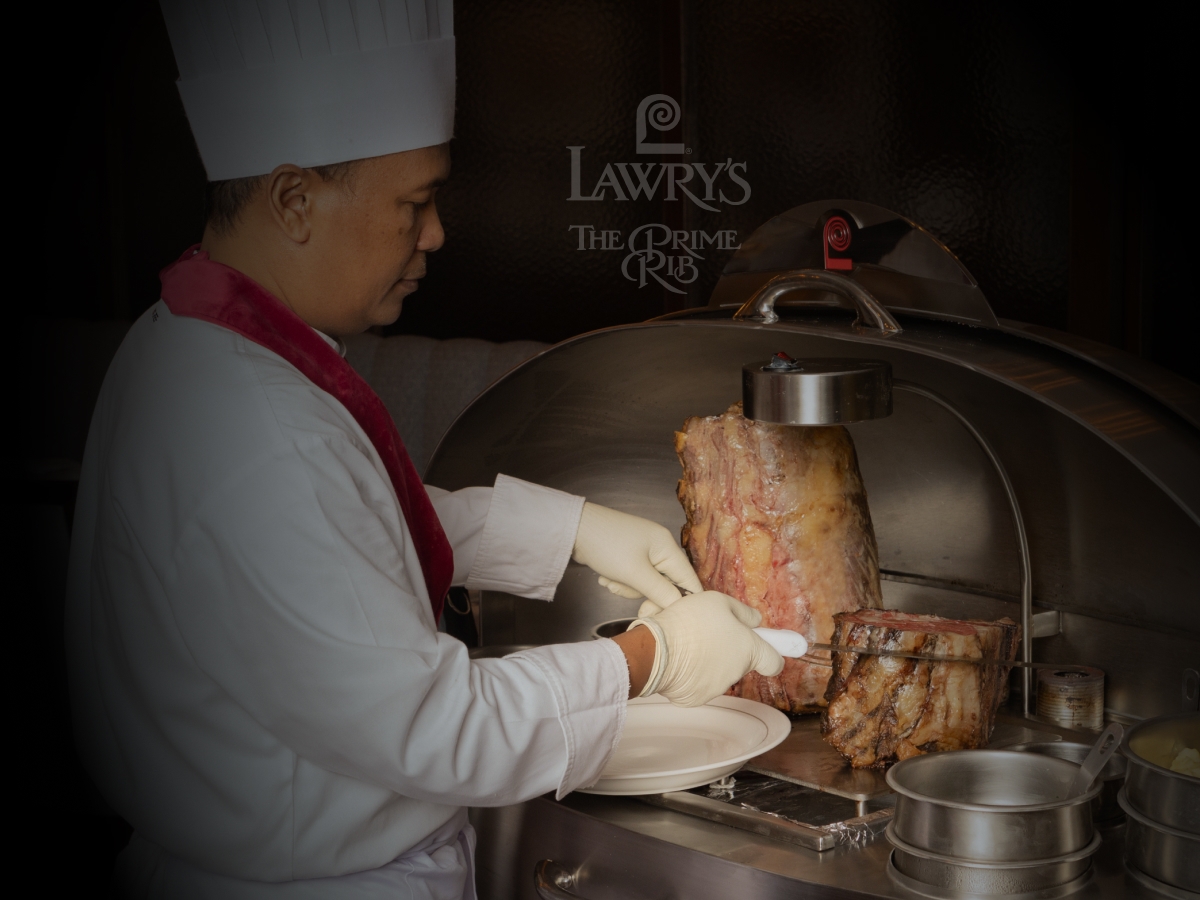
Whether you’re drawn to the earthy depth of grass-fed or the melt-in-your-mouth luxury of grain-fed, the true joy lies in savouring every bite prepared to perfection. For those who seek the pinnacle of steak artistry, indulge in the finest selection of premium cuts and sauces at Lawry’s The Prime Rib Jakarta. Explore the Lawry’s menu to discover the best of both worlds, and book your seat for an unforgettable fine dining Jakarta experience where every steak, whether grain-fed or grass-fed, is served with precision, passion, and timeless sophistication.
FAQ
The key differences lie in diet, flavor, texture, and nutritional value. Grass-fed beef is leaner, higher in omega-3 fatty acids, and offers a clean, earthy flavor with a firmer texture. Grain-fed beef has more marbling, leading to a tender, buttery texture and a sweeter flavor.
Grass-fed steak is generally considered healthier due to its higher content of omega-3 fatty acids, vitamin E, and antioxidants, and it's lower in calories. It is also richer in conjugated linoleic acid (CLA), offering several health benefits.
Someone might prefer grain-fed steak for its luxurious tenderness and buttery texture, attributed to its higher intramuscular fat content (marbling). This type is favored for a classic steakhouse experience with a consistent mouthfeel and sweeter flavor.
Cattle's diet directly impacts the steak's taste; grass-fed diets result in leaner meat with a bold, earthy flavor, while grain-fed diets lead to a tender, richly marbled steak with a subtle sweetness.
Grass-fed steaks suit occasions where a natural, lean, and flavorful experience is desired, celebrating purity and rustic authenticity. Grain-fed steaks are ideal when seeking comfort, luxury, and a rich, indulgent dining experience.

Reserve Table
Lawry’s Restaurants is the perfect place to begin your venue search for any occasion.