
Everything You Need to Know About Wagyu Beef
Everyone has heard about Wagyu beef, but there is still a lot to know about this type of meat that is almost synonymous with luxury and quality. Hailing from Japan, Wagyu beef is famous for its incredible tenderness and rich, buttery texture that has gourmet chefs and foodies swooning. Here, we explore everything you need to know about Wagyu beef and why you absolutely must try it at least once in your life!
What is Wagyu?
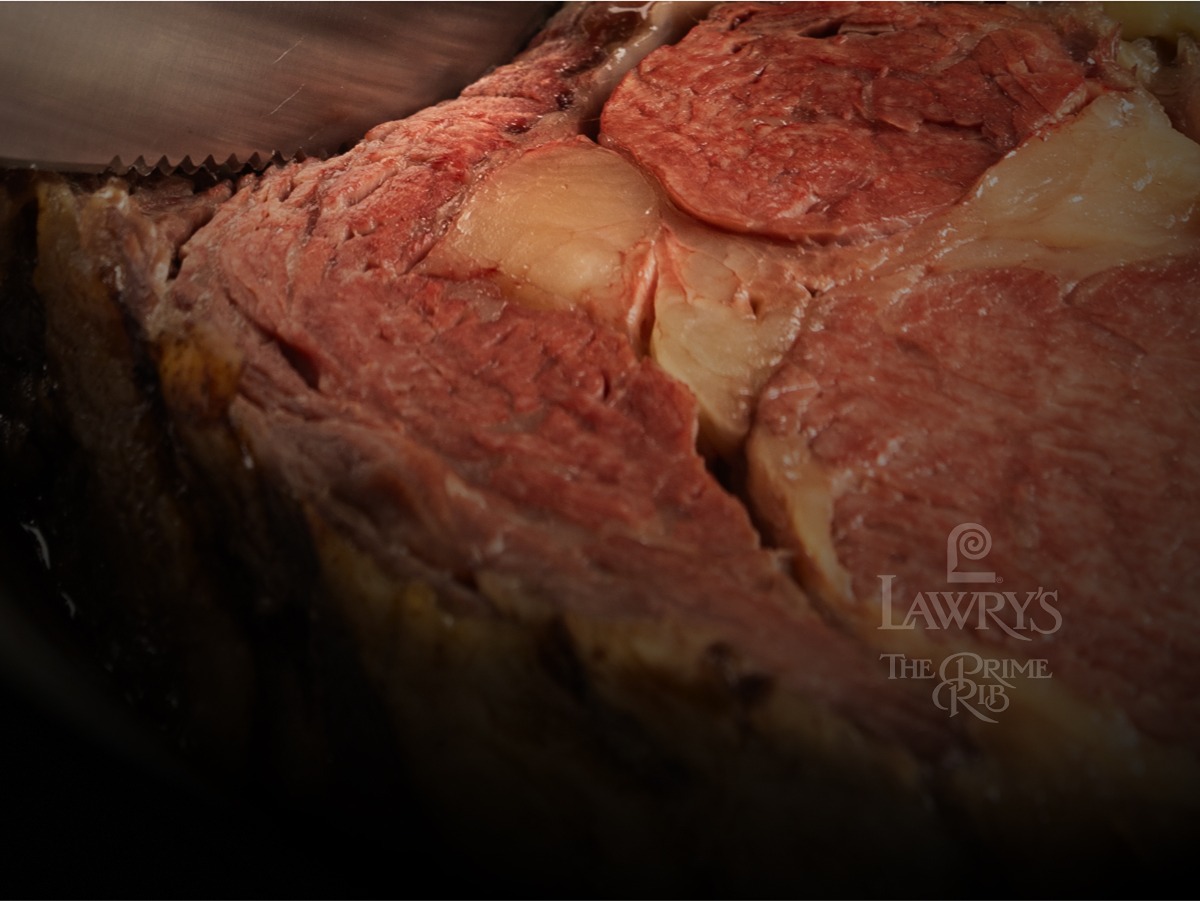
Wagyu, or Japanese beef, (‘wa’ translates ‘Japanese’ and ‘gyu’ meaning beef), roots back into ancient Japan. Originally used as draft animals in agriculture, Wagyu cattle were selectively bred over centuries to develop high levels of intramuscular fat, now more popularly known as marbling. This marbling gives Wagyu its distinctive tenderness, juiciness, and buttery texture that sets it apart from other beef varieties.
Related article: Understanding Meltique Steak: Is It Same as Wagyu?
History of Wagyu Beef
During the Meiji Restoration in the late 19th century, Japan began to open its borders to Western influences and with it, British, European and Asian cattle breeds were introduced to enhance Wagyu genetics. This leads to the development of distinct strains like Japanese Black (Tajima), Japanese Brown (Akage) and many others. As of today, the Japanese Black strain has become popular exports because of its exceptional marbling and flavor.
Why is Wagyu So Special?
The intense marbling that is contained in Wagyu beef makes it the hallmark among its kind. Fine streaks of intramuscular fat gives the meal its melt-in-your-mouth texture and rich taste, elevating the dining experience to new heights. Wagyu cattle are raised with meticulous care, often in stress-free environments. They are fed a special diet, including grains and sometimes beer or sake mash, to enhance the marbling and ensure a tender, juicy steak with every bite. This also influences wagyu beef grading.
In Japan, Wagyu beef is categorized into several strains based on regional genetics and breeding practices. The most renowned include:
- Japanese Black (Tajima): Known for its exceptional marbling and used extensively for Kobe beef production.
- Japanese Brown (Red Wagyu): Distinct for its reddish-brown color and slightly leaner profile compared to Japanese Black.
- Japanese Polled and Shorthorn: Less common strains with unique attributes, primarily found within Japan.
There is also the famous Kobe beef, which specifically comes from the Hyōgo prefecture and adheres to strict production regulations and other notable strains include Matsusaka, Ōmi, and Kagoshima Wagyu, each prized for specific qualities such as marbling intensity and flavor complexity.
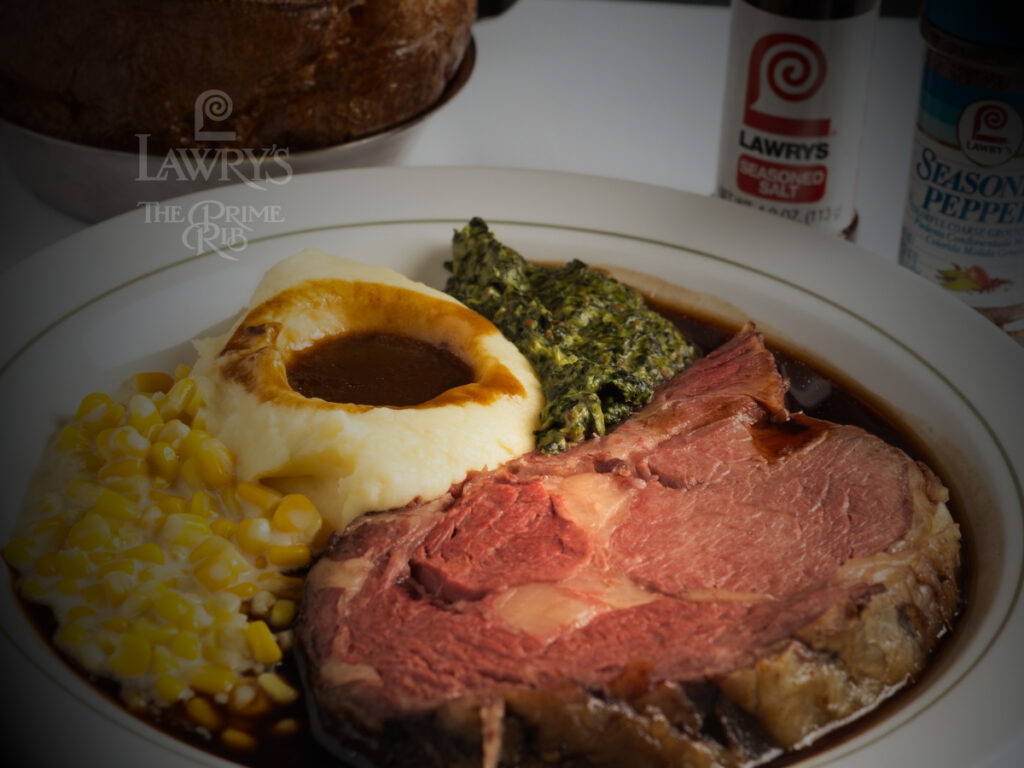
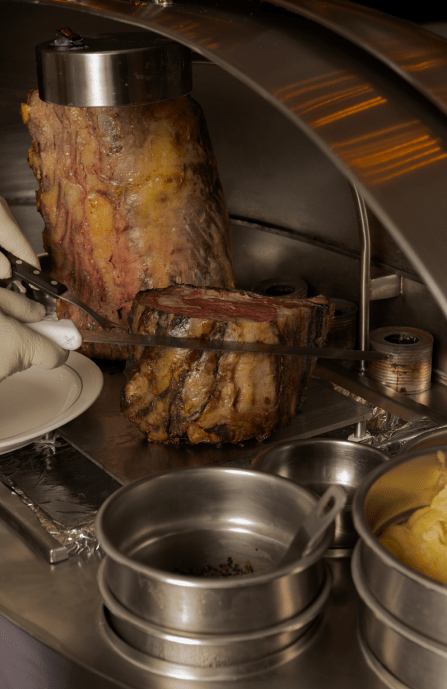
To experience firsthand the exquisite taste of Wagyu beef, try Lawry’s Wagyu MB7 Sirloin and Wagyu MB5 Filet Mignon, and you can explore Lawry’s menu for other tantalizing meat options, including our renowned prime rib roasts.
FAQ
1. What makes Wagyu beef special?
Wagyu beef is known for its intense marbling, which gives it a melt-in-your-mouth texture and rich, buttery flavor.
2. Where does Wagyu beef come from?
Wagyu beef originates from Japan, where it was selectively bred for its high levels of intramuscular fat.
3. What is the best way to enjoy Wagyu beef?
To experience Wagyu’s exceptional taste, try premium cuts like Wagyu MB7 Sirloin or Wagyu MB5 Filet Mignon, which highlight its tenderness and rich flavor.

Reserve Table
Lawry’s Restaurants is the perfect place to begin your venue search for any occasion.