
What Is Marbling in Steak, and Why Is It Important for Flavor and Tenderness?
What is marbling? Is marbling fat? Short answer: yes, marbling is fat, but it’s the good kind. One that makes your steak feel richer, juicier, and more tender.
Marbling refers to the fine white streaks of fat woven inside the muscle of a steak, not the thick fat around the edges. These tiny flecks play a major role in how a steak tastes and feels when you eat it. It is technically known as intramuscular fat that sits right inside the meat fibers. When a steak cooks, this fat slowly melts and bastes the meat from within. That’s why marbling has such a direct impact on flavor. Fat carries flavor compounds, so the more evenly it’s distributed, the fuller and rounder the taste becomes.This is why a well-marbled steak tastes “beefier” without needing much seasoning.
Muscle fibers on their own can be firm and chewy. Marbling interrupts those fibers, making them easier to bite through. Think of it like adding tiny cushions between the muscle strands. The result is a softer chew, even if the cut itself isn’t naturally tender. After that, there’s juiciness. As marbling melts, it helps the steak retain moisture during cooking. Less moisture loss means every bite feels succulent instead of dry. Put together, flavor, tenderness, and juiciness shape the overall eating experience. A steak with good marbling simply feels more satisfying from the first bite to the last.
Not all marbling is created equal, though. High marbling and low marbling lead to very different results. Wagyu sits at the top of the spectrum. Known for its intense, fine-grained marbling, Wagyu delivers a rich, almost creamy mouthfeel. It’s luxurious and filling, even in smaller portions. USDA Prime falls just below that, with medium-to-high marbling that balances richness and structure. It’s indulgent without feeling overwhelming. USDA Choice offers moderate marbling. It still delivers good flavor and tenderness, especially when cooked properly, but with a lighter feel. USDA Select has minimal marbling and requires careful cooking to avoid dryness.
Grading systems help make sense of these differences. In the United States, the USDA grades beef primarily by marbling, using Select, Choice, and Prime. In Japan, the system goes deeper. Wagyu is graded using a Beef Marbling Score, or BMS, ranging from 3 to 12. Higher numbers mean more intramuscular fat, with A5 representing the top tier. Australia uses a Marble Score system, typically labeled MS 0 to MS 9+, where higher numbers indicate richer marbling. Different systems, same idea that more marbling generally means a richer eating experience.
Certain cuts are naturally more marbled than others. Ribeye is the classic example, prized for its generous marbling and juicy texture. The rib cap portion is especially rich. New York strip offers moderate marbling with a firmer bite and bold beef flavor. Flat iron and chuck eye often surprise people, delivering strong marbling at a lower profile. On the other end, tenderloin is very tender but usually low in marbling, while flank and skirt steaks are lean and rely more on technique than fat.
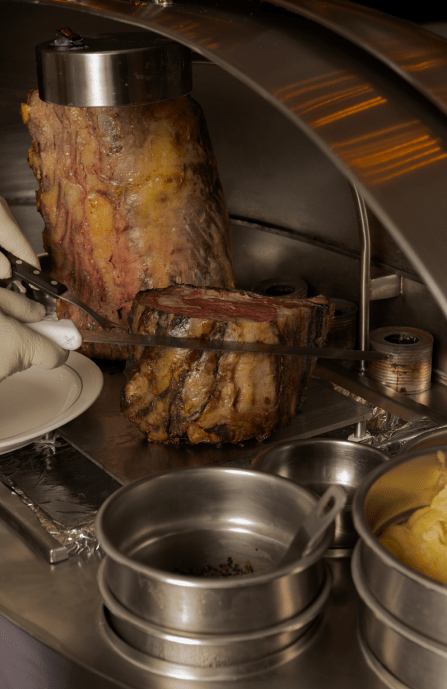
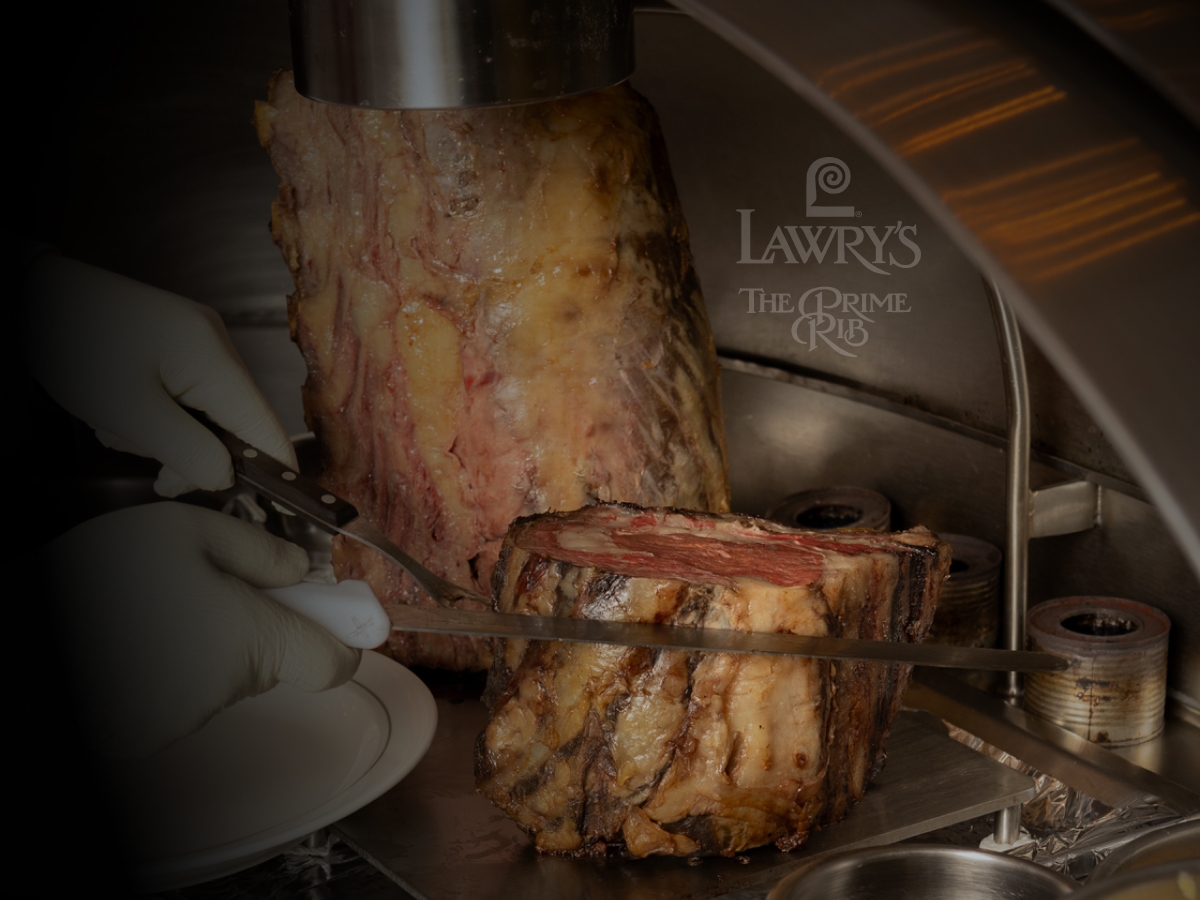
Finally, if reading this has made you crave a well-marbled steak, you’re not alone. Experiencing marbling at its best is as much about sourcing and preparation as it is about the cut itself. At Lawry’s The Prime Rib Jakarta, known within the fine dining Jakarta scene, premium beef selection and classic techniques come together to highlight natural marbling. You can explore the options on the Lawry’s menu, from richly marbled cuts to signature favorites. When you’re ready, take the time to book your seat and enjoy a steak where marbling isn’t just visible, it’s also the star of the plate.
FAQ
Marbling refers to the fine white streaks of fat woven inside the muscle of a steak, known as intramuscular fat, which significantly impacts the steak's flavor and tenderness.
Marbling slowly melts as the steak cooks, basting the meat from within. This process enhances flavor because fat carries flavor compounds, resulting in a richer and beefier taste.
Marbling interrupts muscle fibers, making them easier to chew by adding tiny cushions between them, resulting in a softer texture even if the cut isn't naturally tender.
Differences in marbling levels affect the eating experience. For example, Wagyu offers intense marbling and a creamy mouthfeel, while USDA Prime has medium-to-high marbling, and USDA Select has minimal marbling.
Ribeye is prized for generous marbling and juicy texture, whereas other cuts like New York strip and flat iron offer varying degrees of marbling contributing to flavor and tenderness.

Reserve Table
Lawry’s Restaurants is the perfect place to begin your venue search for any occasion.