How to Set Up a Successful Business Dinner?
Fact is, plenty of business deals are often sealed with a handshake over a delectable meal. That is why hosting a business dinner has become a skill worth mastering. The art of planning the perfect dinner ensures that you can focus on the conversations seamlessly and, hopefully, seal that deal you have been working on for months.
What is a Business Dinner?
A business dinner is a professional gathering where people meet over a meal to discuss work-related matters, build relationships, or explore potential business opportunities. Unlike regular office meetings, a business dinner offers a more relaxed and comfortable atmosphere, making it easier for everyone to connect and have meaningful conversations.
Business dinners can involve different groups of people, such as business partners, potential clients, company executives, colleagues, or important stakeholders. The conversation might cover anything from discussing a new project and negotiating a deal to celebrating a successful partnership.
However, a business dinner isn’t always about talking business from start to finish. Sometimes, it’s about getting to know each other better, building trust, and creating a positive impression outside the usual office environment.
The setting also plays an important role. Choosing a comfortable restaurant with good food, attentive service, and a suitable atmosphere can make the experience more enjoyable and professional. After all, a great business dinner should leave everyone feeling comfortable, appreciated, and happy to continue the conversation.
Why Should You Hold a Business Dinner?
A business dinner is more than just sharing a meal. It’s an opportunity to strengthen professional relationships and create connections that can benefit your business in the long run. Here are some reasons why hosting one can be a great idea:
1. Build Stronger Business Relationships
Getting to know someone outside the office can help create a stronger connection. A business dinner gives you the chance to have more personal conversations, understand each other’s perspectives, and build trust beyond formal meetings.
2. Create a More Relaxed Environment for Discussions
Let’s face it, not every business conversation needs to happen in a meeting room. A restaurant setting can make people feel more comfortable and open to sharing ideas. This can lead to more natural discussions and better communication. You can also try some corporate event venue recommendations for the dinner.
3. Impress Clients and Business Partners
Hosting a well-planned business dinner is a great way to show clients and business partners that you value their time and relationship. From choosing the right restaurant to arranging thoughtful service, these small details can leave a lasting positive impression.
4. Explore New Business Opportunities
Sometimes, the best business opportunities come from casual conversations. A business dinner allows you to discuss potential collaborations, introduce new ideas, and explore opportunities that might not come up during regular office meetings.
5. Celebrate Achievements and Strengthen Team Spirit
Business dinners aren’t always about closing deals or meeting new clients. They’re also a great way to celebrate company milestones, recognize team achievements, or simply thank employees for their hard work. Sharing a meal outside the office can help strengthen connections and create a more positive team atmosphere.
Ultimately, a business dinner is a simple yet effective way to bring people together, build trust, and make professional relationships more meaningful. With the right setting and a little preparation, one dinner can open the door to many great opportunities.
Mastering the Business Dinner: Tips for Success
Here are some indispensable tips to help you orchestrate a flawless business dinner that will leave a lasting impression:
1. Know Your Guests
First, you need to know who’s sitting at your table before you even think about the appetizers. Are you building relationships with potential clients or strategizing with co-workers? This isn’t just about counting seats. A quick perusal of their LinkedIn profiles can reveal hobbies, career highlights, and conversation starters. Showing that you’ve done your homework sets the tone for a successful evening. Also, ensure the dinner date works for everyone beforehand. Rescheduling can risk appearing disorganized.
2. Consider Dietary Restrictions
Dietary restrictions are the new norm. In the age of gluten-free, vegan, and paleo enthusiasts, it is crucial to check on any food limitations from your guests early so the restaurant can accommodate everyone’s needs.
3. Be Punctual
As the host, your punctuality sets the standard. Arrive first to ensure your table meets your standards. Brief the wait staff about your guests’ preferences and needs, and share your party’s names to avoid any awkward “Are you with the business group?” moments at the door. This small touch will be appreciated and noticed by your guests.
4. Master Small Talk
While business is the main course, small talk is the appetizer and dessert. Yes, you’re there to talk business, but launching into profit margins before the breadbasket arrives can be a turn-off. Use small talk to break the ice and discuss mutual interests you gleaned from LinkedIn. Save the heavy business talk for after the entrées are served and the plates have been cleared.
5. Mirror Your Guests
Mirror your guests’ dining choices. If they skip the appetizer, you skip it too. This isn’t the time to showcase your appetite. Similarly, if they’re abstaining from alcohol, consider doing the same—or at least keep it to one drink. Harmony and synchronicity make everyone feel comfortable and focused on the business at hand.
6. Handle the Check Discreetly
Avoid the awkward check dance by paying discreetly. Arrange with your server to handle the bill out of sight, either by pre-paying or settling up after your guests have left. How you treat the wait staff reflects on you as a professional, so stay courteous even if the service isn’t up to par. Choosing the right restaurant can make or break your dinner.
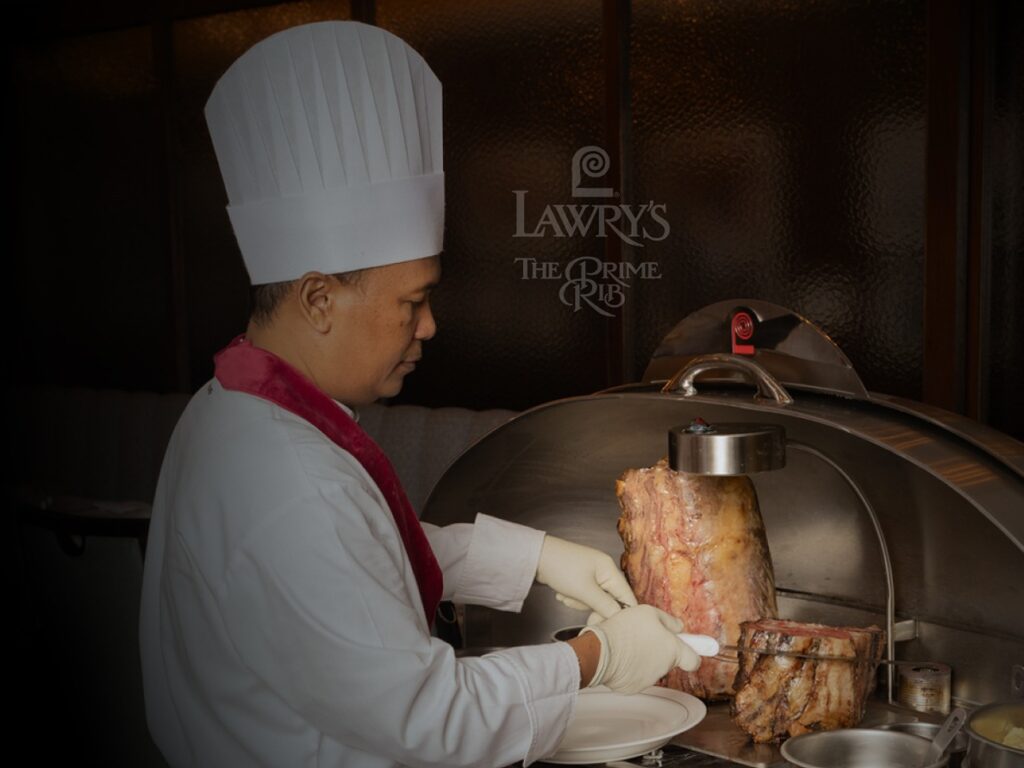
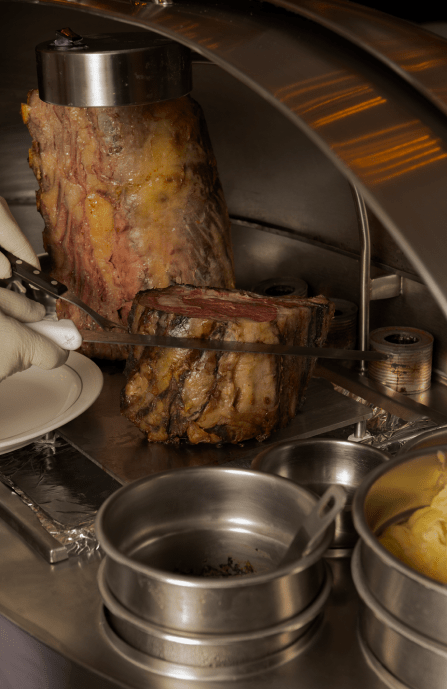
Mastering the art of business dinners can significantly impact your professional relationships and success. By paying attention to details, showing respect and consideration for your guests, and choosing the right venue, you can create a memorable and productive dining experience. Hosting your business dinner at Lawry’s ensures that every aspect of your evening is handled with the utmost care and professionalism, allowing you to focus on building those crucial business connections. We provide everything you need to host your business dinners, from our menu to our wait staff—all prepared to your standards.
FAQ
1. Why is punctuality important when hosting a business dinner?
Being punctual sets the tone and ensures everything is prepared to meet your guests’ needs. Arriving early allows you to check the table setup, brief the staff, and avoid any awkward moments at the door.
2. How should I address dietary restrictions at a business dinner?
Check with your guests about their dietary preferences or restrictions beforehand. Inform the restaurant early to ensure all needs are accommodated seamlessly.
3. What is the best way to handle the check during a business dinner?
Handle the check discreetly by arranging payment with the server in advance or settling it after your guests leave. This avoids any awkwardness and maintains professionalism.
Reserve Table
Lawry’s Restaurants is the perfect place to begin your venue search for any occasion.