
All You Need to Know About Prime Rib – Why is It Special?
Prime rib is often hailed as the crown jewel of beef cuts, prized for its succulent flavor and tender texture. But what exactly makes it so special? Why do people associate this culinary delight with holiday dinners and grand celebratory occasions? It’s time to dive into the essentials of prime rib and uncover why it is a must-try for any meat lover.
What is Prime Rib?
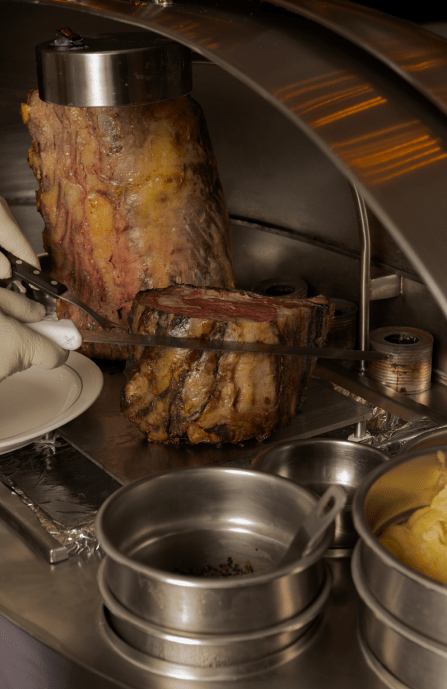
Prime rib is cut from the primal rib section of the cow, which spans ribs six through twelve. The term “prime” refers to the USDA grading system, which ranks beef based on its marbling and age. Prime grade beef has the highest amount of marbling, leading to a juicier and more flavorful roast. This cut is prized for its marbling—fat interspersed with lean muscle—which contributes to its rich flavor and tender texture. This high-fat content means that while the meat is cooking, the fat and collagen in the muscle are melting and keeping the surrounding meat moist.
The magic of prime rib lies in its flavor and texture. The generous marbling throughout the meat ensures a buttery, melt-in-your-mouth experience. This internal fat imparts a deep, beefy flavor that is hard to match, while the rib bones add additional flavor and moisture to the meat.
Many chefs and home cooks prefer bone-in prime rib for this reason, as bone-in prime rib is favored for its ability to insulate the meat during cooking, resulting in more flavorful and tender meat. However, boneless prime rib offers the convenience of easier carving. Regardless of your choice, keeping the fat cap intact over the roast helps prevent drying during cooking.
The outer crust, seasoned with a blend of herbs and spices, contrasts beautifully with the juicy, medium-rare interior. The best restaurants serving prime rib in Jakarta understand the perfect seasoning to elevate this dish. For nearly 80 years, Lawry’s with its renowned seasoned salt has been the top choice for those seeking the most delicious and expertly prepared prime rib roast.
Prime rib is traditionally served with its own natural juices, often called au jus. This simple sauce enhances the beef’s flavor without overpowering it. Horseradish sauce is another classic accompaniment, providing a sharp contrast to the rich meat. For sides, prime rib pairs well with a variety of dishes, from creamy mashed potatoes and Yorkshire pudding to roasted vegetables and fresh salads. The key is to choose sides that complement the rich and robust flavors of the beef without competing with it.
Prime Rib vs. Ribeye: What’s the Difference?
At first glance, prime rib vs ribeye can be confusing—because they actually come from the same part of the cow, the rib section. The main difference isn’t the meat itself, but how it’s cut and cooked.
Prime rib is cooked as a whole roast first, then sliced after it’s done. This method allows the meat to stay extra juicy, tender, and evenly cooked from edge to center. It’s usually served thick and feels very “special occasion” worthy.
Ribeye, on the other hand, is cut into individual steaks before cooking. Each steak is cooked separately—grilled or pan-seared—giving you a flavorful crust and a rich, beefy taste, but with less of that slow-roasted tenderness you get from prime rib.
Want to know which cut takes the crown for your next dinner? Read more, Prime Rib vs. Ribeye: Understanding the Key Differences.
How to Cook Prime Rib Like a Pro
If you’ve ever wondered how to cook prime rib so it turns out tender, juicy, and evenly cooked—slow roasting is the secret.
1. Go Low and Slow
Cooking prime rib at a low temperature (around 120–135°C / 250–275°F) allows the heat to gently penetrate the meat. This prevents the outside from overcooking while the inside is still raw, resulting in a perfectly pink interior.
2. Use Rock Salt as a Heat Insulator
A pro-level trick is placing rock salt at the bottom of the roasting pan. The salt helps stabilize heat, protects the bottom of the roast from direct high temperatures, and adds subtle seasoning as the meat cooks.
3. Always Use a Meat Thermometer
Because cooking time for prime rib can vary depending on size and oven accuracy, internal temperature is far more reliable than time alone.
Tips for a Perfect Prime Rib (The Lawry’s Way)
Inspired by the classic steakhouse method, here’s how to take your prime rib to the next level:
- Season generously, but simply
Salt and pepper are often all you need. Let the natural flavor of the beef shine. - Let it rest—don’t rush
After roasting, rest the prime rib for at least 20–30 minutes. This helps the juices redistribute, making every slice moist and flavorful. - Finish with a high-heat blast (optional)
For a beautiful crust, increase oven temperature at the very end for a few minutes—just enough to brown the exterior without overcooking the inside. - Slice against the grain
This makes each bite more tender and easier to chew.
These tips are just the beginning of what makes a roast legendary. Discover our kitchen’s insider secrets in: What Defines a “Perfect” Prime Rib? Here’s What Our Chef Says.
As you browse through Lawry’s menu, you’ll see that every side dish is expertly crafted to perfectly complement your prime rib roast. These sides elevate the meat’s flavor, showcasing why prime rib is such a special dish to enjoy. Secure your table and enjoy the best prime rib in Jakarta!
FAQ
1. What makes prime rib different from other beef cuts?
Prime rib is known for its high marbling, which gives it a rich, buttery flavor and tender texture.
2. Is bone-in or boneless prime rib better?
Bone-in prime rib is favored by many for its enhanced flavor and moisture retention during cooking. However, boneless prime rib is easier to carve and offers a delicious, juicy roast.
3. What are the best sides to serve with prime rib?
Prime rib pairs well with creamy mashed potatoes, Yorkshire pudding, and roasted vegetables. These sides complement its robust flavors without overwhelming the meat’s rich taste.
Reserve Table
Lawry’s Restaurants is the perfect place to begin your venue search for any occasion.