Reverse Sear Prime Rib: The Art of the Perfect Crust and Flavor
Reverse-seared prime rib is what happens when the kitchen refuses to rush a good cut. The roast is cooked low and steady first, then hit with high heat at the end for a proper crust. That is how you get rosy slices from edge to edge, rendered fat, and a browned exterior that actually tastes earned.
To understand why this method works so well, it helps to look at the sequence and pay attention to the hows and dos. Read on and we’ll explain further.
Table of Contents
ToggleWhat Is Reverse Searing?
Reverse searing is a two-stage cooking method designed for thicker cuts of beef, especially prime rib. Instead of starting with a hard sear, the meat is cooked gently at a low temperature first. Once the internal temperature comes close to the desired doneness, the roast rests. After that, it goes back into very high heat for a short final sear.
The traditional method usually works in the opposite order. A cook sears the meat first, then finishes it in the oven. That approach can build color early, but it also risks creating a gray band of overcooked meat near the surface while the center is still catching up. With a large prime rib roast, that difference becomes even more noticeable.
Reverse searing gives the cook more control. Low heat allows the inside to warm gradually and evenly. The resting stage helps the juices settle. The final high-heat blast focuses on the exterior, building a browned crust without pushing the center too far. For a cut as valuable as prime rib, that control is a serious advantage.
It also helps with timing. Once the roast has finished its low-temperature cook and rested, it can wait for a short period before the final sear. That makes the method practical for hosting, where guests rarely sit down at the exact minute the kitchen predicts.
Why Reverse Searing Matters for Prime Rib
Prime rib is thick, richly marbled, and best enjoyed when the cooking method respects the size of the roast. Reverse searing works because it solves one of the biggest challenges in cooking prime rib: achieving even doneness without sacrificing the crust.
The low-temperature stage encourages edge-to-edge doneness. Instead of a dark, overcooked outer ring surrounding a rare center, the meat can stay more consistent from the surface toward the middle. This is especially useful for guests who appreciate a clean medium-rare or medium finish without dry edges.
The crust comes later, and that is where the method becomes especially clever. During the slow cook, moisture evaporates from the surface of the roast. A drier surface browns faster when exposed to high heat. That means the final sear can create a crisp, savory crust in minutes, without cooking the interior too aggressively.
This is where flavor and texture meet. Browning creates roasted, savory notes on the outside of the meat. Inside, the marbling softens and renders, giving the prime rib its juicy, rich bite. A well-executed reverse sear gives you both: a proper crust and a tender center.
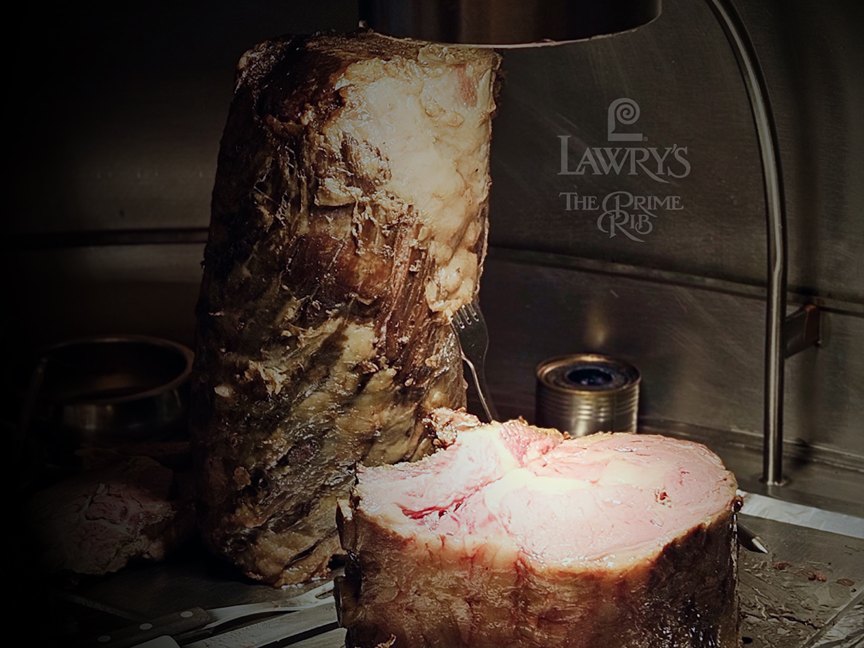
Resting is also part of the result. Prime rib needs time after the slow cook so the juices can redistribute. Slicing too early lets those juices run out onto the board. Letting the roast rest helps each slice stay moist, structured, and cleanly carved. The method is technical, but the pleasure is simple. The knife moves through a crusted exterior, then reaches a warm, tender interior. The first slice shows the work immediately.
The Sensory Experience of Reverse-Seared Prime Rib
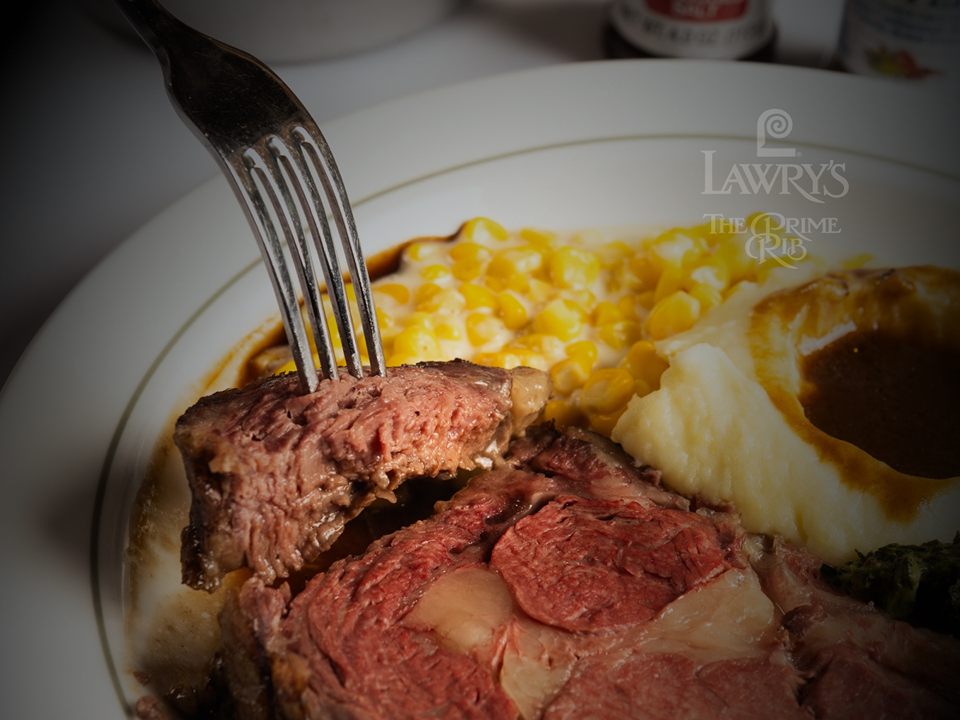
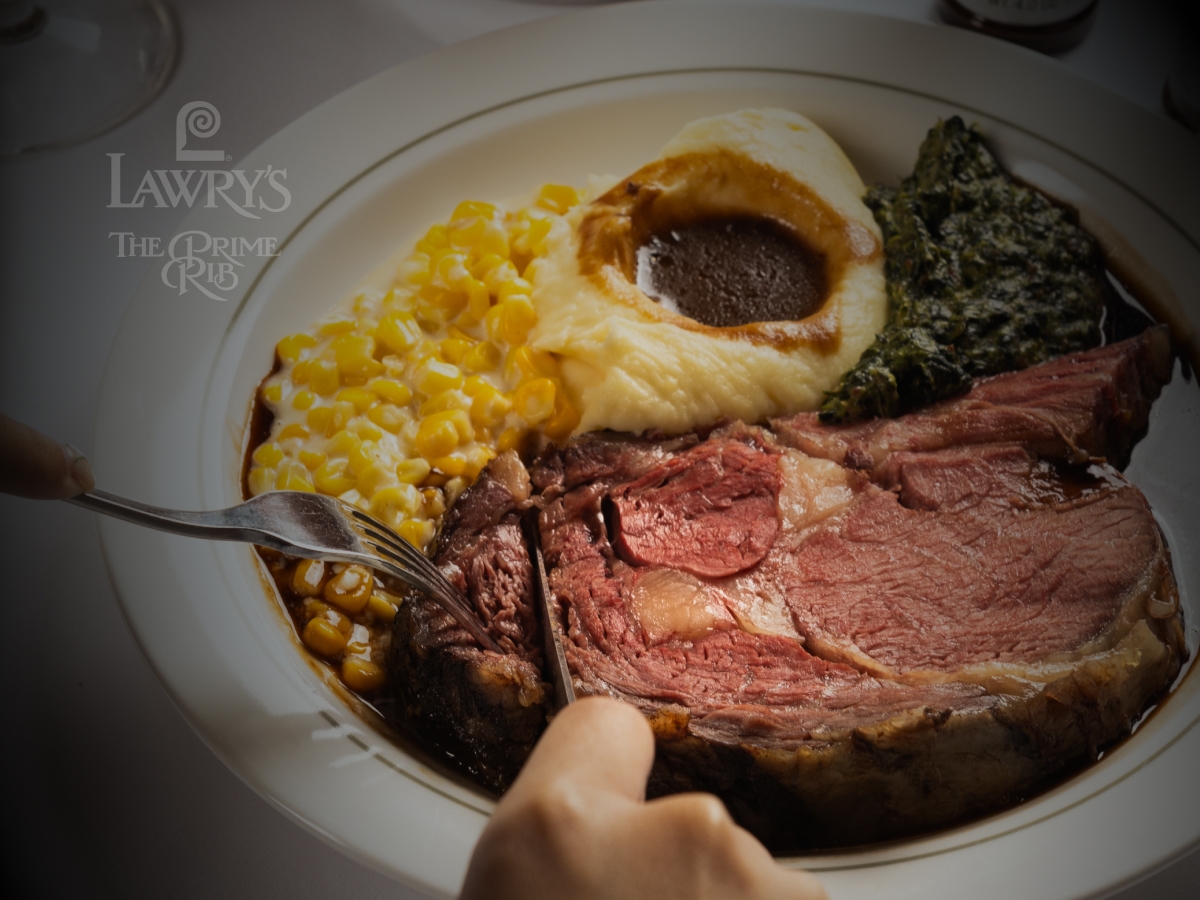
A reverse-seared prime rib has a particular drama, and it does not need much decoration to create it. The crust gives the first signal. It should look deep brown, lightly crisp, and seasoned enough to frame the meat rather than cover it. When sliced, the center should reveal a steady shade of pink, with juices held in the meat instead of flooding the carving board.
Then comes the aroma. Rendered fat, roasted beef, salt, and heat create the scent people associate with serious dining. The texture follows. A good slice should feel tender without being loose, juicy without being wet, and rich without turning heavy too quickly.
This is why prime rib fits premium dining so naturally. It is not rushed food. It rewards patience, timing, and a kitchen that understands heat. The pleasure comes from precision, but the experience at the table should feel relaxed. Guests do not need to think about oven temperatures or resting times. They only need to enjoy the slice in front of them.
Reverse searing can be done at home, especially with the right oven, thermometer, and time. Still, the full prime rib experience is different when it comes from a restaurant that specializes in the cut. Prime rib asks for consistency. It asks for careful sourcing, practiced roasting, confident carving, and service that keeps the dish at its best from kitchen to table.
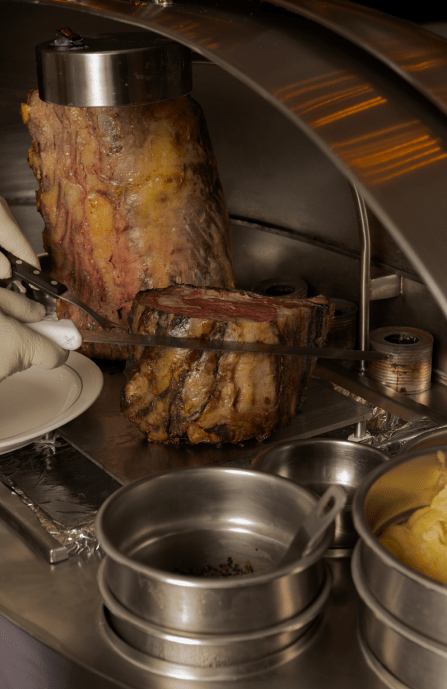
That is where Lawry’s The Prime Rib Jakarta enters the conversation. As a restaurant known for its dedication to prime rib, Lawry’s treats the dish as a signature craft rather than a passing menu item. The experience is built around the roast itself, from the preparation to the carving and the way it is served.
The chef’s role is central. Mastering prime rib over many years means understanding how the meat behaves, how long it needs, how heat moves through a large roast, and when it is ready to be carved. Technique matters, but experience sharpens the judgment. A thermometer can tell you the number. A skilled chef knows what that number should feel like on the plate.
For diners seeking fine dining in Jakarta akarta, Lawry’s offers a setting where prime rib can be enjoyed with the care and pacing it deserves. For private gatherings, Lawry’s private catering brings that same signature experience beyond the restaurant, so guests can enjoy the carving and presentation in a more personal setting. However it is served, prime rib has a way of making the event feel lively, generous, and properly celebrated!
Prime Rib Reverse Sear, Seni Menciptakan Kerak dan Rasa yang Pas
Prime rib dengan teknik reverse sear pada dasarnya mengandalkan kontrol yang tepat. Daging dipanggang perlahan dengan suhu rendah terlebih dahulu, lalu diakhiri dengan panas tinggi untuk membentuk lapisan luar yang kecoklatan dan renyah. Hasilnya adalah irisan yang merah muda merata, lemak yang meleleh dengan baik, dan kerak luar yang terasa penuh rasa.
Kalau ingin memahami kenapa metode ini begitu efektif, kuncinya ada pada urutan proses memasaknya. Di situlah perbedaan utamanya.
Apa Itu Reverse Searing?
Reverse searing adalah metode memasak dua tahap yang dirancang untuk potongan daging sapi yang tebal, terutama prime rib. Alih-alih dimulai dengan sear keras di awal, daging dimasak dulu secara perlahan dengan suhu rendah. Setelah suhu bagian dalamnya mendekati tingkat kematangan yang diinginkan, daging di-rest. Setelah itu, barulah daging kembali terkena panas sangat tinggi untuk sear singkat di tahap akhir.
Metode tradisional biasanya berjalan sebaliknya. Daging di-sear dulu, lalu diselesaikan di oven. Cara itu memang bisa cepat memberi warna di permukaan, tapi juga berisiko membentuk lapisan abu-abu daging yang terlalu matang di bagian luar, sementara bagian tengahnya masih berusaha mengejar. Pada prime rib roast yang besar, perbedaan ini akan terlihat lebih jelas.
Reverse searing memberi kontrol lebih besar pada juru masak. Panas rendah membantu bagian dalam daging menghangat perlahan dan merata. Tahap resting membantu sari daging tenang kembali. Lalu panas tinggi di tahap akhir fokus bekerja di bagian luar, membentuk kerak kecokelatan tanpa membuat bagian tengah terlalu matang. Untuk potongan semewah prime rib, kontrol seperti ini jelas jadi keuntungan besar.
Metode ini juga membantu dari sisi waktu. Setelah daging selesai dimasak perlahan dan di-rest, ia masih bisa menunggu sebentar sebelum sear terakhir. Itu membuat metode ini cocok untuk jamuan, ketika tamu jarang duduk persis di menit yang diperkirakan dapur.
Kenapa Reverse Searing Penting untuk Prime Rib
Prime rib adalah potongan tebal, kaya marbling, dan paling enak saat dimasak dengan cara yang menghormati ukuran dagingnya. Reverse searing bekerja baik karena menjawab salah satu tantangan terbesar dalam memasak prime rib, yaitu mendapatkan tingkat kematangan yang merata tanpa mengorbankan kerak luarnya.
Tahap suhu rendah mendorong kematangan yang lebih merata dari pinggir sampai ke tengah. Jadi, alih-alih ada lapisan luar yang terlalu matang mengelilingi bagian tengah yang masih merah, hasilnya bisa lebih konsisten dari permukaan hingga ke bagian dalam. Ini sangat berguna untuk tamu yang menyukai tingkat kematangan medium rare atau medium yang rapi tanpa pinggiran kering.
Keraknya datang belakangan, dan justru di situlah metode ini terasa cerdas. Selama proses masak perlahan, kelembapan di permukaan daging perlahan menguap. Permukaan yang lebih kering akan lebih cepat kecokelatan saat terkena panas tinggi. Artinya, sear di tahap akhir bisa membentuk kerak yang renyah dan gurih hanya dalam hitungan menit, tanpa membuat bagian dalamnya matang berlebihan.
Di titik inilah rasa dan tekstur bertemu. Proses pencokelatan memberi rasa panggang dan gurih di bagian luar daging. Di bagian dalam, marbling melunak dan meleleh, memberi gigitan prime rib yang kaya dan juicy. Reverse sear yang dilakukan dengan baik memberi dua hal sekaligus, kerak yang tepat dan bagian tengah yang empuk.
Resting juga jadi bagian penting dari hasil akhirnya. Prime rib butuh waktu setelah proses masak perlahan agar sari dagingnya tersebar kembali. Kalau diiris terlalu cepat, sari itu akan tumpah ke talenan. Dengan resting, setiap irisan akan tetap lembap, rapi, dan mudah dipotong bersih. Metodenya memang teknis, tapi kenikmatannya sederhana. Pisau menembus bagian luar yang berkerak, lalu sampai ke bagian dalam yang hangat dan empuk. Irisan pertama langsung memperlihatkan semua kerja itu.
Pengalaman Sensorik dari Reverse-Seared Prime Rib
Prime rib reverse sear punya daya tarik tersendiri, dan ia tidak butuh banyak hiasan untuk menunjukkannya. Sinyal pertama datang dari keraknya. Warnanya harus cokelat tua, sedikit renyah, dan bumbunya cukup untuk membingkai rasa daging, bukan menutupinya. Saat diiris, bagian tengahnya harus memperlihatkan warna merah muda yang stabil, dengan sari daging tetap berada di dalam serat, bukan membanjiri talenan.
Lalu datang aromanya. Lemak yang meleleh, daging panggang, garam, dan panas menciptakan wangi yang identik dengan pengalaman makan yang serius. Setelah itu, teksturnya bicara. Irisan yang baik harus terasa empuk tanpa jadi lembek, juicy tanpa terasa basah, dan kaya tanpa cepat membuat enek.
Itulah kenapa prime rib terasa begitu pas di dunia premium dining. Hidangan ini bukan makanan yang dibuat terburu-buru. Ia menghargai kesabaran, ketepatan waktu, dan dapur yang benar-benar paham cara kerja panas. Kenikmatannya lahir dari presisi, tapi pengalaman di meja seharusnya tetap terasa santai. Tamu tidak perlu memikirkan suhu oven atau waktu resting. Mereka cukup menikmati irisan di depan mereka.
Reverse searing memang bisa dilakukan di rumah, apalagi kalau punya oven yang tepat, termometer, dan waktu yang cukup. Tapi pengalaman prime rib yang utuh terasa berbeda saat datang dari restoran yang memang mengkhususkan diri pada potongan ini. Prime rib butuh konsistensi. Ia butuh pemilihan daging yang cermat, teknik memanggang yang terlatih, carving yang percaya diri, dan pelayanan yang menjaga kualitasnya dari dapur sampai ke meja.
Di sinilah Lawry’s The Prime Rib Jakarta masuk ke pembicaraan. Sebagai restoran yang dikenal karena dedikasinya pada prime rib, Lawry’s memperlakukan hidangan ini sebagai keahlian utama, bukan sekadar salah satu item menu. Seluruh pengalaman dibangun di sekitar roast itu sendiri, mulai dari persiapan, carving, sampai cara penyajiannya.
Peran chef sangat penting di sini. Menguasai prime rib selama bertahun-tahun berarti memahami bagaimana daging ini bereaksi, berapa lama waktu yang dibutuhkan, bagaimana panas bergerak di dalam roast besar, dan kapan saat yang tepat untuk mulai mengiris. Teknik memang penting, tapi pengalaman membuat penilaiannya jadi lebih tajam. Termometer bisa memberi angka. Chef yang terlatih tahu angka itu seharusnya terasa seperti apa saat sampai di piring.
Bagi tamu yang mencari pengalaman fine dining di Jakarta, Lawry’s menawarkan tempat di mana prime rib bisa dinikmati dengan perhatian dan ritme yang memang layak didapatkannya. Untuk acara privat, layanan private catering Lawry’s juga membawa pengalaman khas yang sama ke luar restoran, sehingga tamu tetap bisa menikmati proses carving dan presentasi dalam suasana yang lebih personal. Bagaimanapun cara penyajiannya, prime rib selalu punya cara untuk membuat sebuah acara terasa hidup, royal, dan benar-benar layak dirayakan.
FAQ
The traditional method sears the meat first, then finishes it in the oven. The problem with larger cuts like prime rib is that the early sear can create a gray, overcooked band near the surface while the center is still catching up. Reverse searing flips that sequence, giving the interior time to cook evenly before the exterior is browned, which produces a more consistent result from edge to edge.
es, with the right oven, a reliable meat thermometer, and enough time, reverse searing can be done at home. That said, prime rib asks for consistency in sourcing, roasting, and carving that is easier to achieve in a kitchen that specializes in the cut. The method rewards experience as much as technique, which is why a skilled chef who has worked with the cut over many years can read the roast in ways a thermometer alone cannot fully capture.
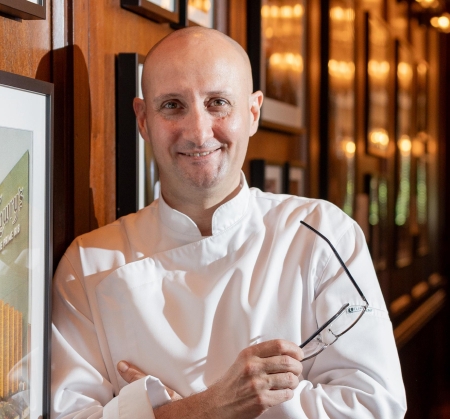
I am Chef Camille, Executive Chef at Lawry’s Jakarta, bringing 30 years of expertise from Michelin-starred kitchens in France and our Beverly Hills original to your table. I am dedicated to preserving the iconic flavors and service standards that have defined Lawry’s since 1938. I personally review every article published here to ensure our content remains true to our mission of culinary excellence.
Reserve Table
Lawry’s Restaurants is the perfect place to begin your venue search for any occasion.
Related Blog
Based on What You Read
Prime Rib Catering: The Ultimate Choice for Special Events
Prime Rib vs. Brisket: Which Slow-Cooked Beef Wins?