
Understanding Meltique Steak: Is It Same as Wagyu?
If you have ever navigated the nuanced world of premium steakhouses or curated butcher selections, the terms ‘Meltique beef’ and ‘Wagyu’ often appear, sometimes confusingly intertwined. At Lawry’s The Prime Rib Jakarta, where an unwavering commitment to culinary excellence has been our hallmark since 1938, we believe true luxury lies in clarity and authenticity. While labels such as ‘Meltique Wagyu’ might suggest a fusion of the two, let us state plainly: Meltique is distinct from Wagyu. For the discerning palate that seeks unparalleled quality and an authentic fine dining experience, understanding this distinction is paramount.
In this guide, we examine the true nature of Meltique beef, compare it against the world-renowned Wagyu, and illuminate why Lawry’s remains the destination for genuine premium steak in Jakarta.
What is Meltique Beef?
Meltique beef is a processed beef product injected with fat — typically a refined vegetable oil such as canola, though some producers use rendered beef fat — to create the marbling effect that Wagyu is celebrated for. The technique is inspired by the French pique method, in which fat is infused into meat to enhance its tenderness and flavour. Introduced in 1984 by Hokubee Co., Ltd, a Japanese cattle company, the process was developed as a way to deliver a Wagyu-like experience at a more accessible price point.
Unlike Wagyu, which comes from specific Japanese cattle breeds that naturally develop rich marbling, Meltique can be applied to virtually any cut of beef — most commonly sirloin, ribeye, and striploin from various breeds. The fat injection process allows even leaner cuts to acquire greater tenderness, making Meltique a cost-effective alternative for establishments seeking to offer a ‘Wagyu-like’ experience.
The Connoisseur’s Guide to Distinction: Meltique vs. Wagyu
While both Meltique and Wagyu aim to deliver a tender, flavourful steak, their paths to achieving this are fundamentally different. For those who appreciate the subtleties of fine dining, these distinctions are essential:
1. Pedigree and Provenance
Wagyu: Originating from specific Japanese cattle breeds such as Kuroge Washu (Japanese Black), Wagyu’s exceptional marbling is a genetic marvel, nurtured through meticulous breeding programmes and a carefully controlled environment. This heritage gives Wagyu its unique character, a reflection of its origin and upbringing.
Meltique: Produced from various beef types, Meltique’s tenderness is the result of an industrial process. While efficient, it lacks the inherent biological and traditional provenance that defines Wagyu, making it a product of engineering rather than natural evolution.
2. The Art of Marbling: Natural vs. Engineered
Wagyu: The intramuscular fat in Wagyu is naturally integrated within the muscle fibres, melting at a lower temperature to create a sublime, buttery texture and umami-rich flavour that is complex and nuanced.
Meltique: The ‘marbling’ in Meltique is achieved by injecting fat into the muscle. While this adds tenderness and juiciness, it does not replicate the intricate fat distribution or distinct flavour characteristics that arise from naturally occurring, genetically predisposed marbling.
3. Nutritional Profile and Ethical Considerations
Wagyu: Celebrated for its higher concentration of monounsaturated fats (notably oleic acid), Omega-3, and Omega-6 fatty acids, contributing to its luscious texture and often-cited health benefits. Rearing practices are highly regulated.
Meltique: The fat used in the Meltique process is typically vegetable oil, often canola, which is widely used in food processing. However, it is important to note that the unique fatty acid profile of naturally marbled Wagyu, particularly its higher concentration of monounsaturated fats, differs significantly from the added vegetable fats in Meltique.
4. The Price-Value Proposition
Wagyu: Its rarity, genetic superiority, and labour-intensive rearing make it one of the most expensive and sought-after meats globally. The price reflects its unparalleled quality and the extraordinary dining experience it offers.
Meltique: Positioned as a cost-effective alternative, its lower price point reflects its mass-production capabilities. While market prices are subject to fluctuation, the relative difference between Meltique and authentic Wagyu remains significant.
Why is Meltique Beef More Affordable?
There are three main reasons why Meltique remains a cheaper alternative:
1. No Need for Special Cattle
Wagyu requires meticulous breeding, genetic testing, and a carefully controlled diet. Meltique, on the other hand, uses standard beef, cutting down on production costs.
2. Efficient Production Process
The fat injection technique allows even lower-grade cuts to be transformed into tender, flavorful meat, reducing waste and maximizing yield.
3. Mass Production
Unlike Wagyu, which is carefully graded and produced in limited quantities, Meltique beef can be mass-produced on an industrial scale.
The most asked question about Meltique beef is that is it safe to eat? And the simple answer is that it is! The fat used in the Meltique process is usually canola oil, which is widely regarded as a heart-healthy option. However, because Meltique contains additional fat, those watching their dietary intake should be mindful of portion sizes.
The Pros and Cons of Meltique Beef
Meltique beef has grown in popularity, particularly in restaurants, cafés, and home kitchens. It resembles premium beef, cooks beautifully, and delivers a rich taste — yet it is not entirely equivalent to naturally marbled beef. Before deciding whether to incorporate it into your menu or kitchen, consider the following:
Pros of Using Meltique Beef
1. Tender and Juicy
Meltique beef is injected with fat that melts during cooking, producing meat that is consistently tender and juicy, even for those who are not seasoned at preparing steak. The risk of overcooking is notably lower.
2. Consistent Quality
Unlike natural marbling, which varies from cut to cut, Meltique beef offers consistent texture and flavour. Each portion cooks similarly, making it reliable for restaurants and catering operations.
3. Rich, Buttery Flavour
Thanks to the added fat, Meltique beef carries a rich, buttery profile reminiscent of higher-grade Wagyu. It is a worthy option for those who wish to enjoy indulgent flavour without the Wagyu price tag.
4. More Affordable Than Premium Beef
Meltique offers a ‘luxury-style’ eating experience at a more accessible price point. This is precisely why it features prominently on steakhouse, yakiniku, and modern casual dining menus.
5. Straightforward Preparation
Meltique beef cooks quickly and requires no elaborate seasoning. A measured application of salt and pepper is usually sufficient to bring out its character.
Cons of Using Meltique Beef
1. Not 100% Natural Marbling
The marbling in Meltique beef comes from injected fat rather than fat naturally developed within the muscle. For purists and steak enthusiasts, this can feel less authentic.
2. Higher Fat Content
With added fat, Meltique beef contains more fat and calories per serving. Those mindful of fat intake should factor this in.
3. Flavour Can Feel Less Complex
While many appreciate its richness, others find the taste less nuanced than naturally aged or grass-fed beef.
4. Not Ideal for Every Cooking Method
Meltique beef performs best when grilled or pan-seared. For slow-cooking or long braising, the injected fat tends to render out too quickly, affecting the final texture.
5. Requires Clear Labelling
In food service, Meltique should be clearly identified on the menu. Some guests expect natural Wagyu or naturally marbled premium beef, and transparency is essential to maintaining their trust.
How to Cook Meltique for the Finest Flavour
To bring out the best in Meltique beef, the following techniques are recommended:
- Use High Heat and Quick Cooking Methods: Pan-searing or grilling over high heat helps lock in juices and enhances texture.
- Keep Seasoning Restrained: Salt, pepper, and perhaps a hint of garlic. Let the beef speak for itself rather than masking it.
- Do Not Overcook: Because Meltique’s injected fat melts readily, cooking beyond medium can produce a greasy rather than tender result. Medium-rare to medium is ideal.
- Allow It to Rest: Let the steak rest for 5 to 10 minutes after cooking so the juices redistribute and the texture settles.
- Pair with the Right Accompaniment: A creamy mushroom sauce or a light peppercorn gravy complements Meltique’s richness without overwhelming it.
Lawry’s The Prime Rib: Where Authenticity Meets Excellence
For the true connoisseur, the choice between authenticity and imitation is clear. At Lawry’s The Prime Rib Jakarta, our legacy is built upon an unwavering commitment to delivering an unparalleled fine dining experience, where every cut reflects our dedication to quality, tradition, and exclusivity. We understand that our esteemed guests seek not simply a meal, but a culinary journey defined by genuine excellence.
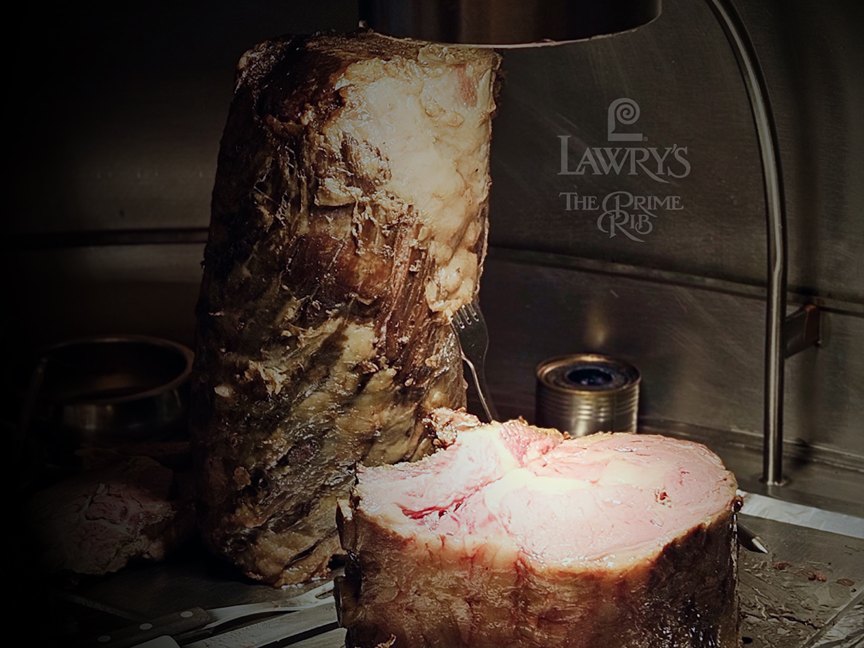
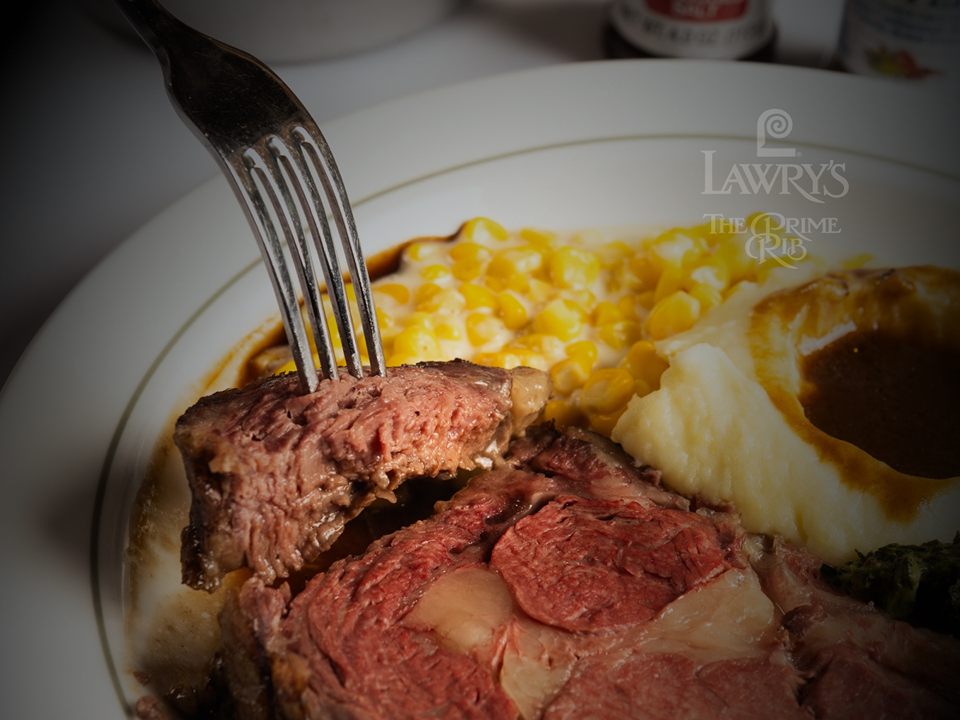
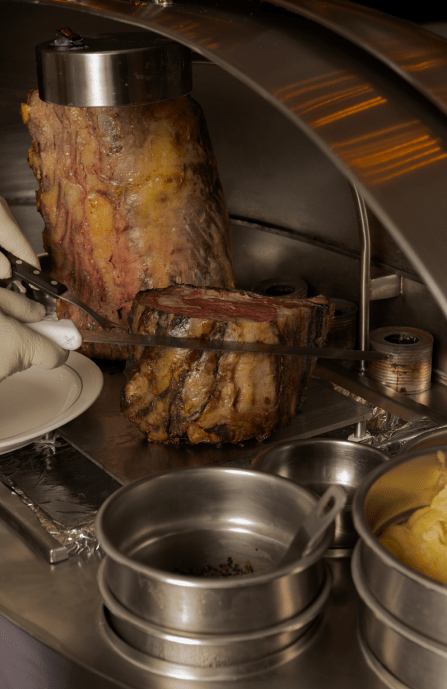
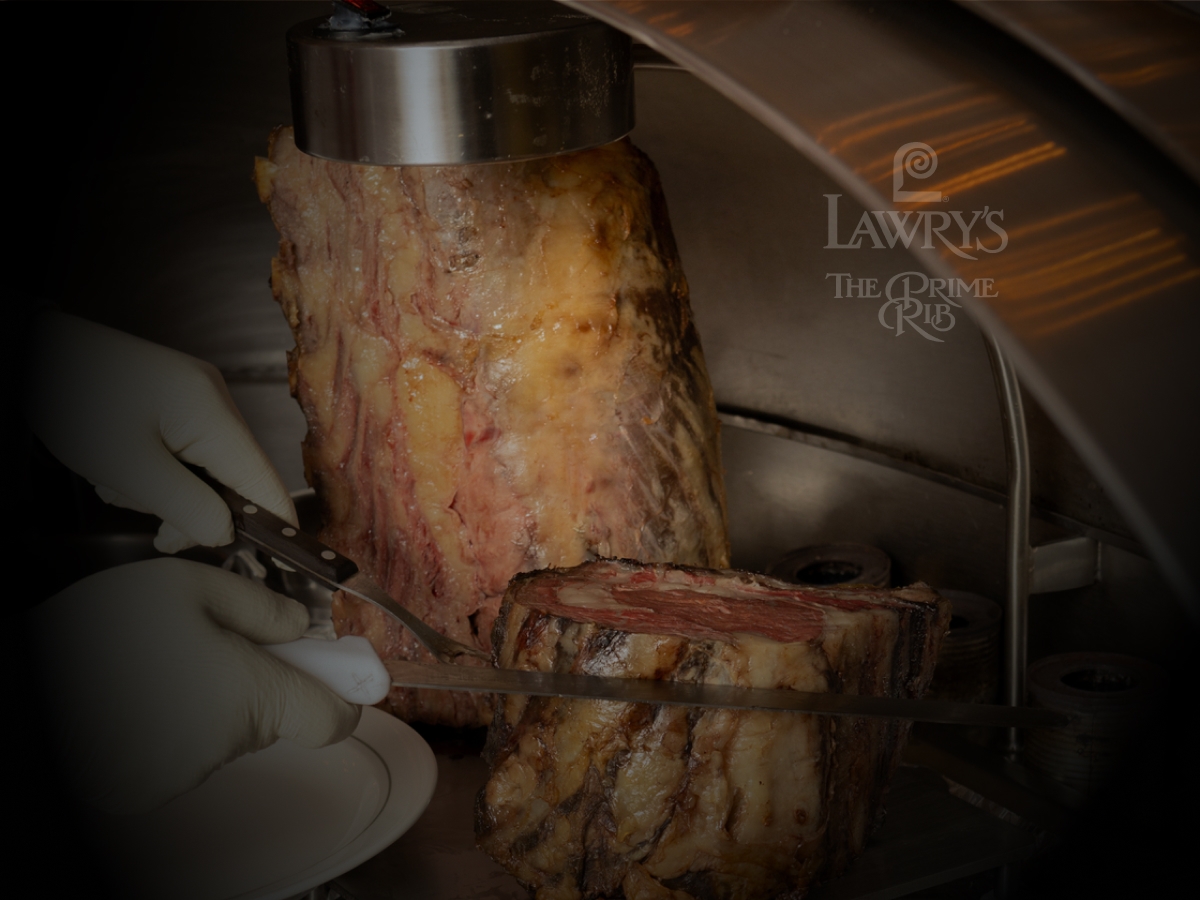
When you choose Lawry’s, you choose the legendary Silver Cart service, the perfectly aged Prime Rib, and an ambiance of timeless elegance that has captivated generations. We proudly serve only the finest, naturally marbled premium meats — ensuring every bite is a testament to our heritage and your discerning taste.
Experience the difference that genuine quality makes. Explore our exquisite menu to discover our selection of top-tier steaks and our signature Prime Rib. Reserve your table and indulge in the ultimate fine dining journey in Jakarta. For private gatherings or significant corporate events, our exclusive private dining rooms accommodate up to 30 guests, offering the perfect setting for a truly bespoke experience.
FAQ
No. Meltique is processed beef injected with vegetable fat to mimic marbling, while Wagyu comes from specific Japanese cattle known for natural, buttery fat distribution.
Because it’s cheaper. Meltique offers a tender, juicy texture like Wagyu but without the high cost, making it ideal for cost-conscious menus.
Yes, it’s safe. It uses canola oil—considered heart-friendly—but it's still processed, so portion control is key.
Use high heat (like searing or grilling), don’t overcook it, and keep the seasoning minimal to highlight the rich, juicy flavor.
Reserve Table
Lawry’s Restaurants is the perfect place to begin your venue search for any occasion.