

What’s the Best Way to Order Different Types of Steak
Ordering a steak from a restaurant may seem easy, but the simplicity fades when the waitstaff delves into the specifics: the cut, the size, the degree of doneness. However, the best fine dining spots in Jakarta will definitely ask you those questions to make sure that your steak is exactly how you want it. Fear not, dear reader, this guide is here to steer you towards a steak ordered to perfection and every nuance of your liking!
How to Order Different Types of Steak
Eating at a steakhouse is a fantastic experience, and whether you’re a first-timer or a seasoned diner, ordering steak doesn’t have to feel intimidating. With a little know-how, you’ll be able to navigate the menu like a pro and make the most of your dining experience. Let’s dive it here!
1. Choose the Right Steakhouse
The first step in your steak adventure is choosing the right steakhouse. A great steakhouse will have a well-designed menu that makes it easy for anyone to find a perfect steak. Even if you’re not familiar with different cuts of beef or fancy terms like “Wagyu,” a top-tier steakhouse will guide you to make a great choice. It’s all about finding a place that sets you up for success, from the atmosphere to the service.
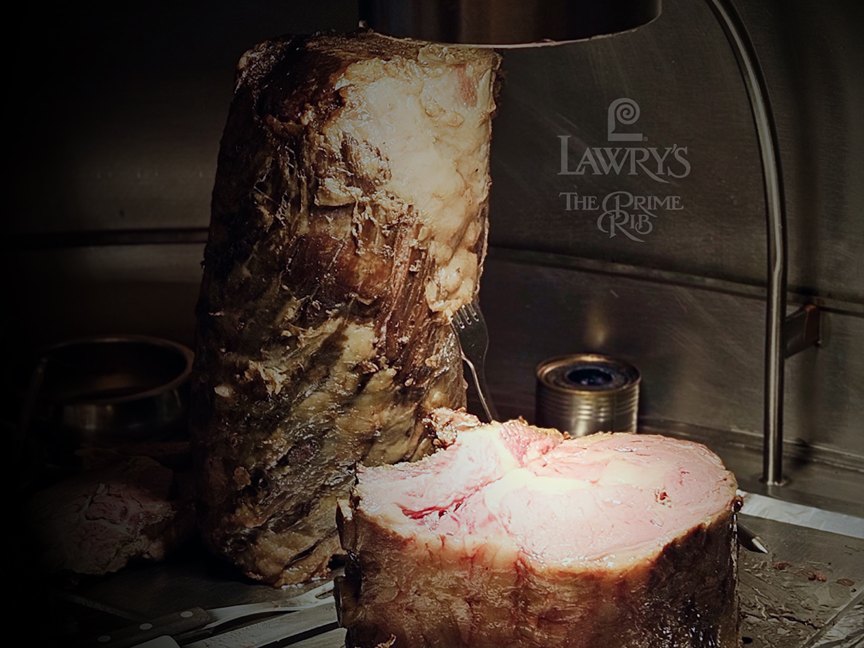
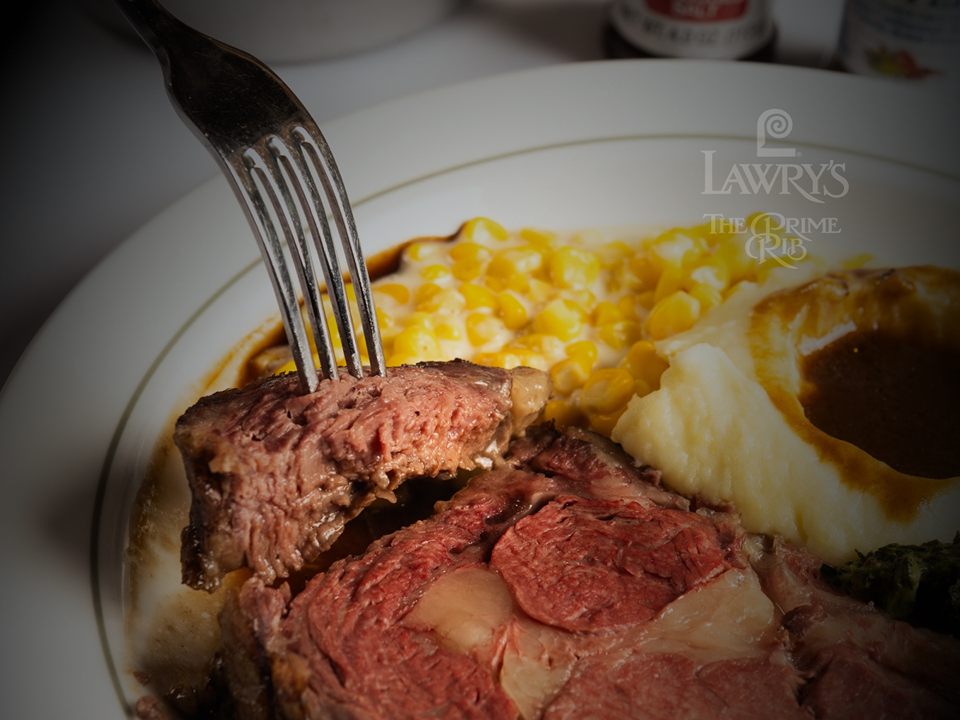
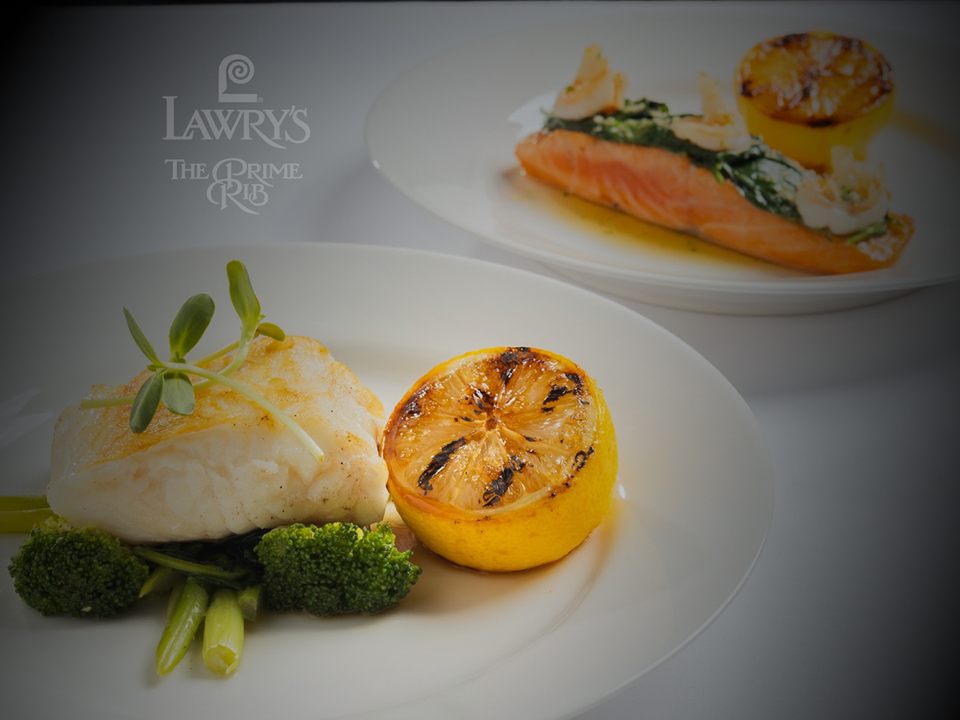
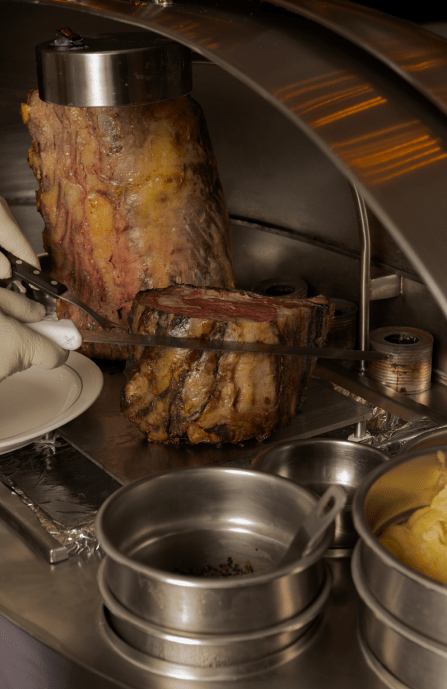
For a truly exceptional experience, Lawry’s is the perfect go-to steakhouse. Known for its impeccable service and legendary prime rib, Lawry’s offers a menu that caters to both seasoned steak lovers and newcomers alike. The warm, inviting ambiance and attention to detail ensure that every meal is memorable. Whether you’re celebrating a special occasion or enjoying a casual dinner, Lawry’s guarantees a top-notch dining experience that will make you feel like a steak expert from the moment you step through the door.
2. Look at the Menu Ahead of Time
If you get a little overwhelmed with so many choices, you’re not alone! To avoid last-minute decision stress, take a look at the menu online before you go, as a guide, you can check Lawry’s menu. This gives you the chance to familiarize yourself with different cuts and ask questions if something is unclear. For instance, do you know the difference between prime beef and regular beef? Researching before your visit ensures you’re more prepared and ready to make an informed choice.
3. Beware of Upcharges
It’s easy to get carried away with tempting add-ons, but be mindful of the extra costs that can pile up. A loaded baked potato, a special butter, or a drink here and there can quickly add up, making your meal way more expensive than expected. Stick to the basics and avoid getting too many extras unless you’re sure you want them.
4. Understand the Cuts and Size
Different breeds of cows produce different qualities of beef, and understanding these can enhance your experience. For example, Black Angus is famous for its rich, juicy, and tender flavor, while Japanese Wagyu is known for its melt-in-your-mouth texture and luxurious marbling. If you’re after a truly special steak, knowing the breed can help you make an exceptional choice.
Each part of the cow offers a different flavor and texture. Some steak cuts, like the tender filet mignon, are less flavorful but very soft, while others, like ribeye, have more flavor due to the marbling of fat. If you’re unsure, classics like the T-bone or New York strip are always a safe bet. Remember, a little chew can add extra flavor, so don’t be afraid to try different cuts!
Steak portions can vary greatly, so it’s important to order the right size for your appetite. You don’t want to end up with a 72-ounce steak that you can’t finish or walk away still hungry. If you’re unsure about portion sizes, ask your server for recommendations based on the number of people at your table.
5. Bone-in or Boneless Steak?
Let’s talk about bones—specifically, the choice between boneless and bone-in steaks. Bone-in varieties have richer flavors, thanks to the marrow infusing the meat with its savory essence. The bone can act as a natural tenderizer, resulting in a juicier texture. On the other hand, boneless steaks are a fuss-free option, ideal for those who prefer to skip the bone-cutting maneuver, especially if you’re on a date in a romantic evening.
6. Wet-aged vs Dry-aged Meat
Often you’ll find in restaurants the options to choose between wet-aged versus dry-aged meat. This refers to the process of aging where the meat is left to hang and dry before it hits the grill, all in the name of tenderness and flavor. Wet aging involves vacuum-sealing the meat, keeping its moisture locked tight and its weight intact. While dry aging sends the beef to chill in an open-air facility, allowing it to lose a bit of moisture but lock in all that natural flavor.
7. Cooking Temperature
Ordering the ideal steak comes down to matching the cooking temperature with the cut. Typically, there are five standard options: rare, medium-rare, medium, medium-well, and well-done. While there’s no incorrect temperature for enjoying a steak, opting for well-done may not deliver the most satisfying experience. Many chefs seem to think that a well-done steak is a disservice to the quality of the meat due to its significant loss of fat and juiciness, resulting in a tough, dry texture once the steak is cooked beyond approximately 140 degrees. Primal cuts such as flank, rib, brisket, loin, or chuck are usually best served at medium-rare doneness, as this is when the steak reaches peak tenderness and flavor.
8. Steak Size
At last, it is time to consider the size. When ordering steak, there’s a range to choose from, mostly starting at 200 grams and going up, with some restaurants even providing larger portions for sharing. The top-tier dining spots will cater to all appetites, offering smaller cuts for lighter eaters and larger cuts for group dining, as exemplified by Lawry’s menu. Here, you can opt for the classic individual portion in Lawry’s Cut or the Jakarta’s Cut, which is smaller yet equally satisfying. Looking for a feast? There’s the Diamond Jim Brady Cut or the Beef Bowl Double Cut, weighing around 650 grams and 800 grams respectively. The ultimate sharing size, guaranteed to keep everyone at the table happy and full.
9. Don’t Skip the Sides and Apps
Steak is the star of the show, but don’t forget the sides! Things like blackened Brussels sprouts, twice-baked potatoes, and creamy spinach pair perfectly with a juicy steak. Take a moment to explore the side options so you can complement your meal rather than just grabbing the first thing that comes to mind.
Don’t be afraid to ask your server for suggestions or recommendations. They know the menu inside and out and can guide you to the freshest cuts of meat or highlight daily specials. This is especially useful if you’re unfamiliar with certain cuts or are looking to try something new. You might even discover a hidden gem on the menu!
10. Pair with the Right Drink
A perfectly cooked steak deserves a perfect drink. Most steakhouses have an impressive wine list, and your server can help you choose the best wine to complement your meal. Selecting the right vintage is an exercise in balance, where the character of the glass must meet the intensity of the cut. For a rich, marbled selection like our signature Prime Rib, a bold Cabernet Sauvignon or Malbec is essential, as the tannins work to cut through the fat and refresh your palate. Conversely, a leaner Filet Mignon finds its ideal partner in a more delicate red that respects the subtle, buttery notes of the beef.
If wine isn’t your thing, don’t worry! Many steakhouses also offer beer, cocktails, or even cider to match the meal. A sharp, dry Martini or a classic Old Fashioned can provide a spirited contrast to the savory depth of a slow-roasted roast, ensuring the experience remains vibrant from start to finish.
To truly master the art of a perfectly balanced dinner, you can discover which top drink pairings will elevate your steak experience to its absolute highest potential before your next reservation.
11. Ask Questions
If you’re not sure about something on the menu, just ask! Whether it’s about cuts of beef, cooking methods, or wine pairings, your server is there to help. Asking questions not only makes you more informed but also helps ensure you get the best steak experience possible.
12. Save Room for Dessert
Finally, don’t forget to end your meal with something sweet! Steakhouses often have fantastic desserts that are the perfect way to round out your meal. Whether it’s a rich chocolate cake or a classic crème brûlée, it’s always worth leaving a little room for dessert.
Types of Steak You Should Try
When it comes to steak, there’s more than just “well done” or “medium rare.” The type of cut you choose can make a big difference in flavor, texture, and tenderness. Here are five must-try steak cuts that will take your taste buds on a journey of juicy, savory goodness.
1. Filet Mignon
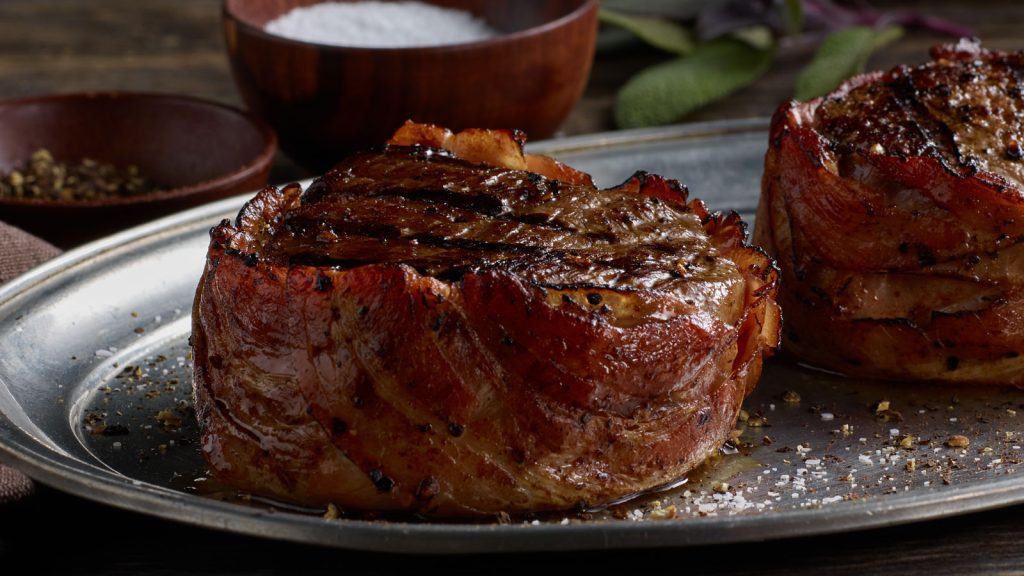
Filet Mignon is often called the king of tenderness. It comes from the tenderloin, a small muscle that doesn’t get much exercise, which is why it’s incredibly soft. If you like your steak to melt in your mouth, this is the one for you.
Because of its premium quality and small portion size, filet mignon is usually the most expensive cut. It’s perfect for a romantic dinner or when you want to treat yourself to something truly elegant.
2. Strip Cut (New York Strip)
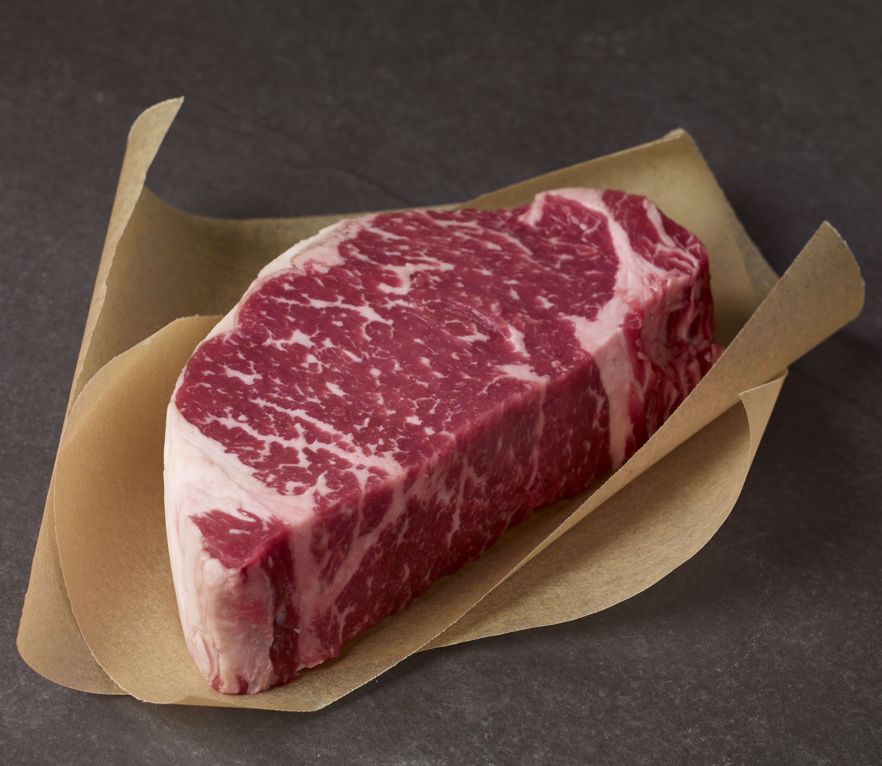
The Strip Cut is a favorite for steakhouse regulars. It comes from the short loin and has a bit more chew compared to filet mignon but with a richer beef flavor.
This cut usually has a good layer of fat around the edge, which adds extra juiciness. If you like your steak with more flavor and a classic steakhouse feel, this is a great choice.
3. Porterhouse
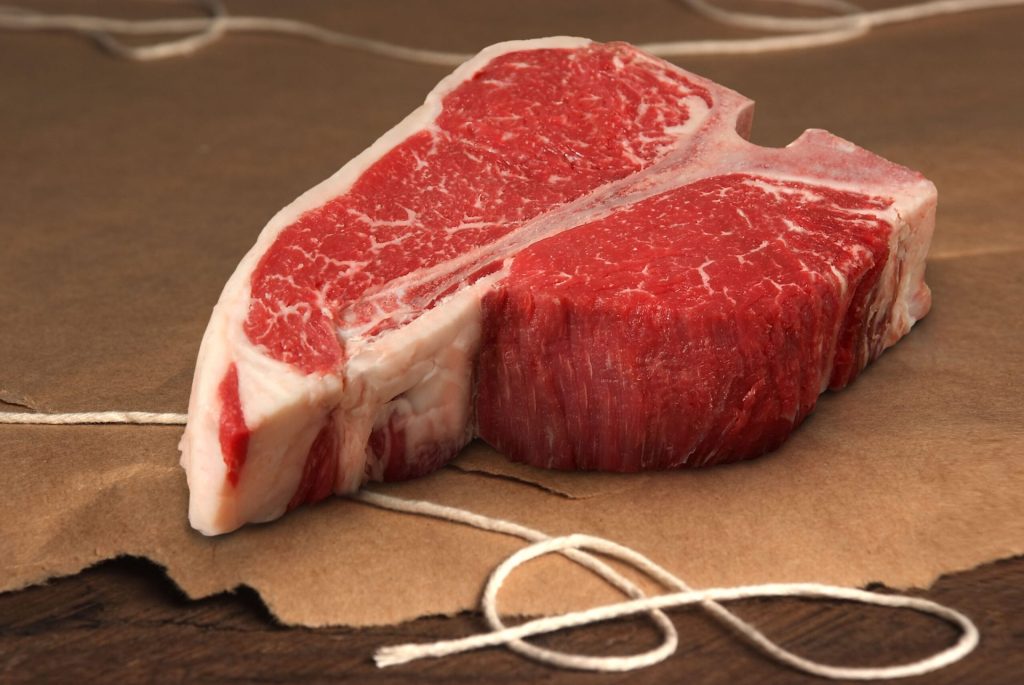
Can’t decide between filet mignon and strip? Go for the Porterhouse. This large, T-shaped steak includes both cuts in one: the tender filet on one side and the flavorful strip on the other.
Porterhouse steaks are big and hearty, great for sharing or for someone with a serious appetite. It’s like getting two steaks in one and is perfect for people who want variety on their plate.
4. Ribeye
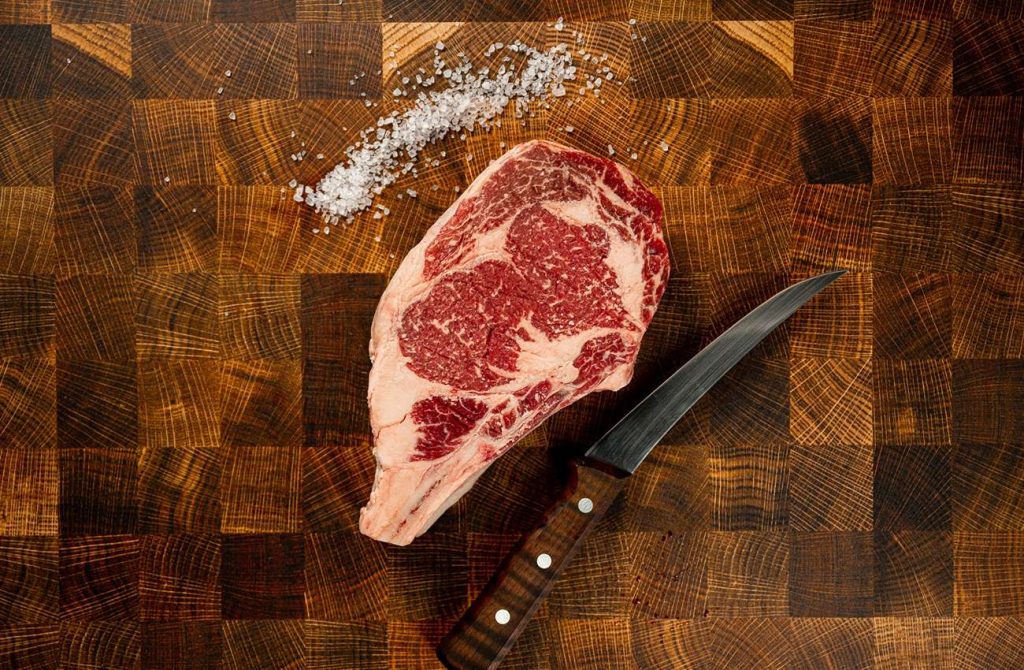
Ribeye is often called the most flavor-packed cut of steak, and for good reason. It comes from the rib section and is well-marbled, meaning it has fat running through it that melts during cooking, creating a juicy, buttery texture.
If you’re all about flavor and don’t mind a little extra fat, ribeye will blow your mind. It’s a steak that delivers boldness in every bite.
5. Prime Rib
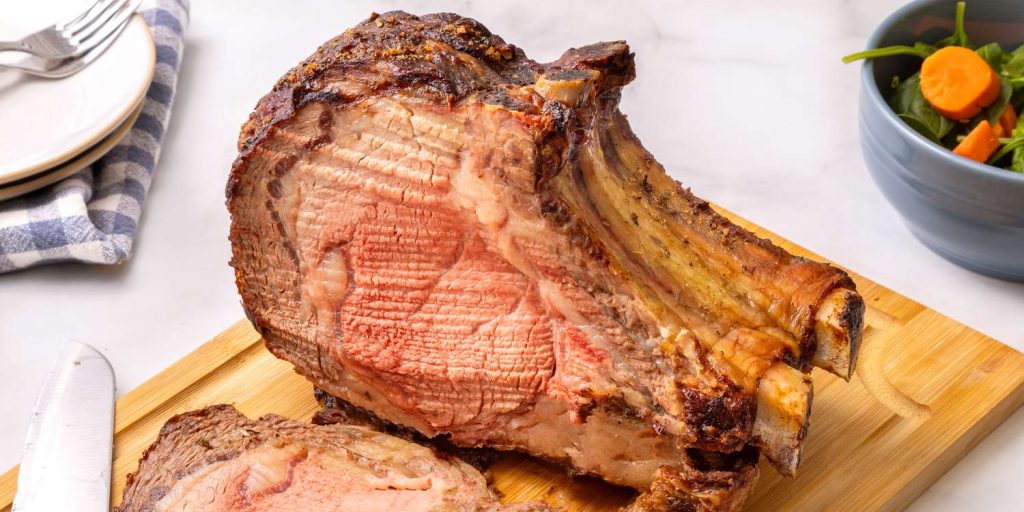
Prime Rib isn’t grilled like most steaks since it’s roasted slowly, which keeps it super juicy and packed with deep, beefy flavor. It’s cut from the same area as ribeye but usually served in thicker slices, often with a crusty herb coating.
Often served at holiday dinners or special events, prime rib feels extra indulgent. Pair it with mashed potatoes and a red wine jus, and you’ve got a five-star meal.
FAQ
1. What’s the difference between bone-in and boneless steak?
Bone-in steaks have a richer flavor due to the bone marrow infusing the meat, while boneless steaks are easier to eat and ideal for those who prefer a fuss-free dining experience.
2. What is the difference between wet-aged and dry-aged steak?
Wet-aged steak is vacuum-sealed, keeping moisture intact, while dry-aged steak is hung in open air, losing some moisture but intensifying its natural flavors.
3. What cooking temperature is best for steak?
Most chefs recommend medium-rare for optimal tenderness and flavor, especially for cuts like ribeye, flank, and loin. Well-done steaks tend to lose fat and juiciness, resulting in a tougher texture.

Reserve Table
Lawry’s Restaurants is the perfect place to begin your venue search for any occasion.