
5 Cooking Levels of Steak – Which One is Your Favorite?
Tender, succulent, and bursting with flavor, a perfectly cooked steak is a culinary delight cherished by many. The level of doneness of a steak can significantly affect its taste and flavor, but those who aren’t familiar with the details might struggle to choose the best option. However, there is no reason to fret, as we are here to explain the five levels of steak doneness and help you discover your favorite. This way, you’ll know exactly what to order when you visit the best fine dining establishments in Jakarta.
There are two parts to grilling a gorgeous cut of steak: achieving a consistent internal temperature and searing. The internal temperature determines the steak’s level of doneness, while searing creates the coveted Maillard effect, adding flavor and texture.
What We are Doing When Cook The Meat?
Generally, when you cook the meat, you are doing three things to it. First is breaking down the proteins. Muscle points are broken down, which are usually tightly balled, and then they will begin to unwind. This is why rawer steaks are chewier than more cooked ones. Next, it will evaporate the water within the meat. Roughly ¾ of a steak’s muscle fibers are made of water. As you cook a steak, that water evaporates. Hence why a well-done steak has less mass and less juiciness than a rare steak.
And lastly, as you cook your steak, the small streaks and pockets of fat inside start melting. When the fat melts, it gets absorbed into the muscle. This gives your steak a better taste (fat contains the chemicals that give beef its flavor) and a smoother, more tender and buttery texture.
5 Levels of Steak Doneness
All of these processes come down to five levels of steak doneness:
1. Rare (49°C/120°F)
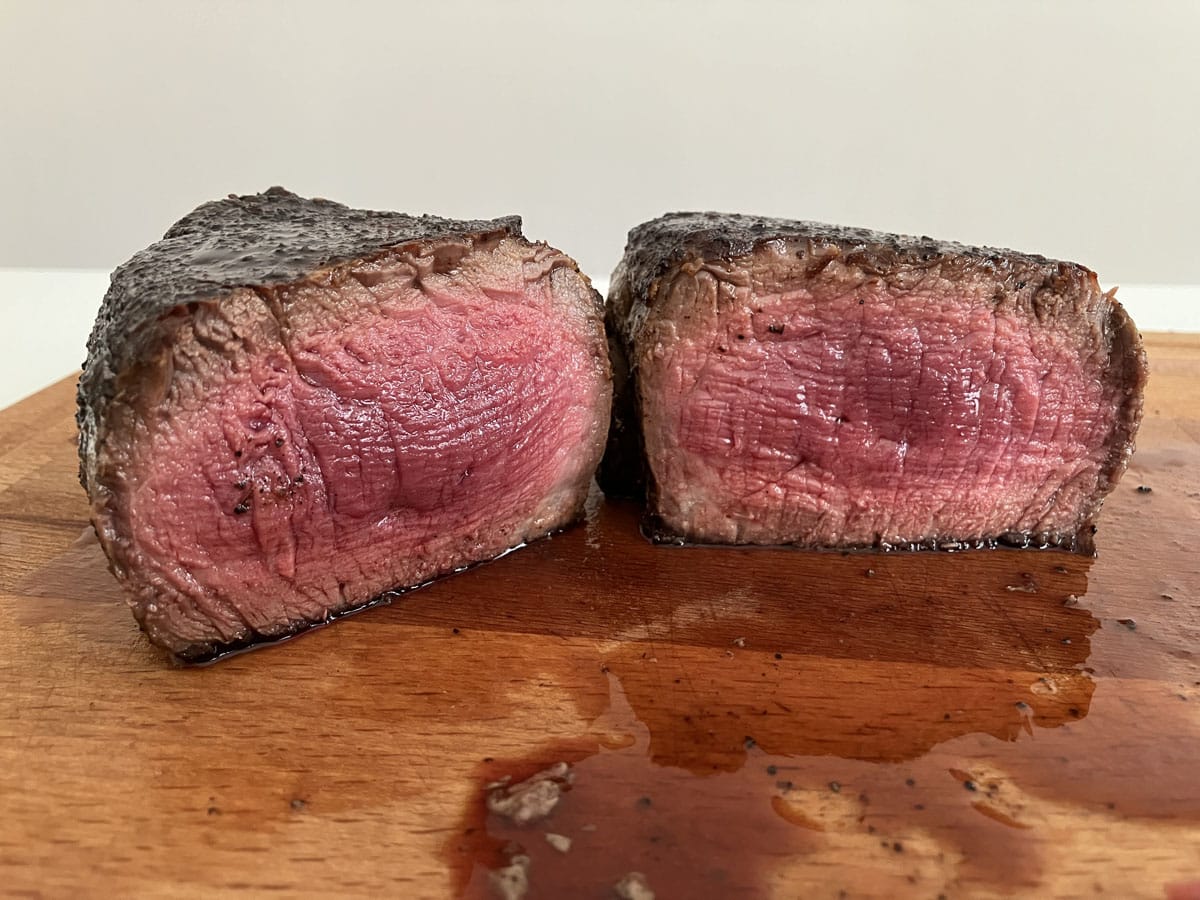
Picture a steak with a warm, red center hugged by a lightly seared exterior, perfect for those leaner cuts that still pack a flavorful punch. This level of doneness is perfect for naturally tender and lean cuts like tenderloin (filet mignon) or flat iron steak, which don’t need much cooking to be delicious. If you enjoy a melt-in-your-mouth texture and want to taste the beef in its purest form, rare is a great choice.
2. Medium Rare (54°C/130°F)
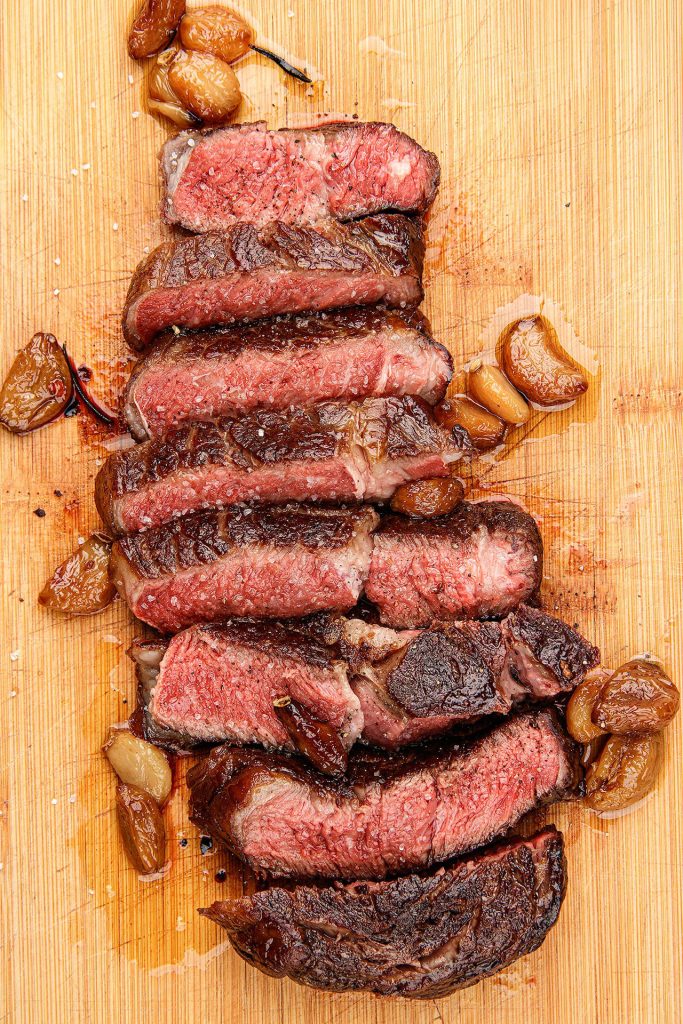
Considered the holy grail by many steak aficionados, medium level steak offers a tender, juicy steak with a center that’s just the right shade of red to tantalize your taste buds.
This level is ideal for marbled cuts like ribeye, New York strip, or tri-tip, where the fat starts to render, adding extra flavor and tenderness. If you’re looking for a steak that’s juicy, flavorful, and has just enough resistance when you bite, medium rare is the way to go.
Related article: Is Medium-Rare Steak Safe to Eat Get the Facts Here!
3. Medium (60°C/140°F)
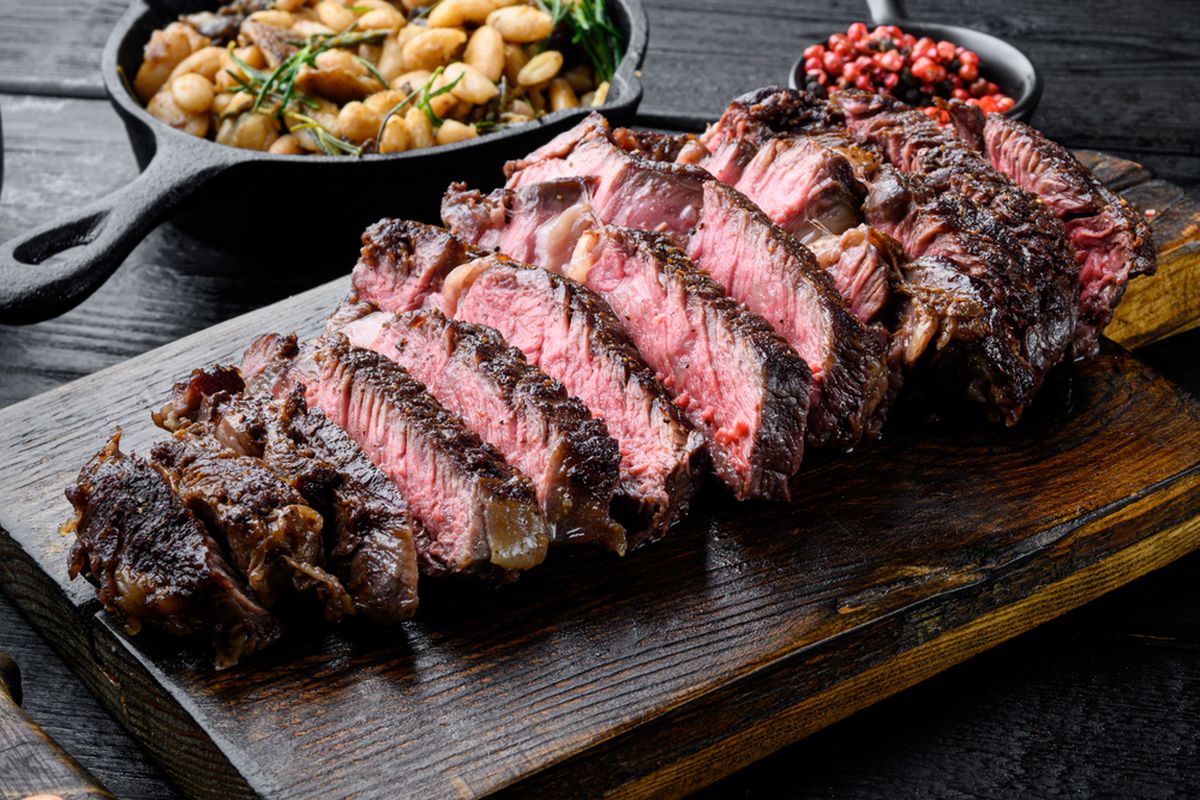
As you slice into a steak cooked to medium, you’ll find a lovely pink interior. While it retains the buttery texture and flavor, it’s slightly less juicy and tender than its medium-rare counterpart.
This doneness works well with cuts like top sirloin, flank steak, and skirt steak, which are flavorful and benefit from a bit more cooking. Just remember to slice them against the grain to keep them tender!
4. Medium Well (65°C/140°F)
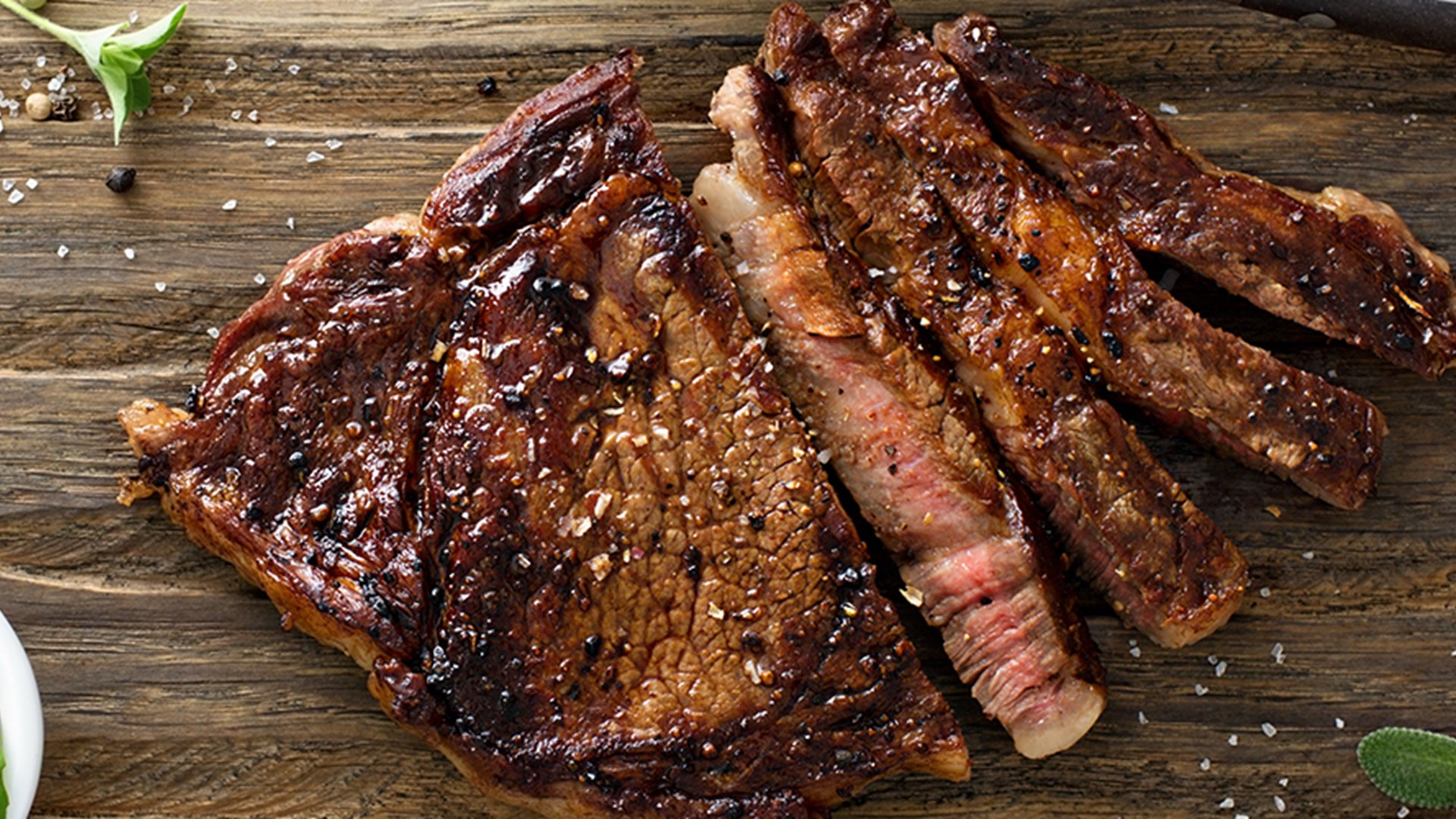
Here, you’ll find a steak with a hint of pink at the center, but it’s begun to lose some of its tender, juicy qualities, making it a choice for those who prefer a more well-cooked steak.
By this point, the steak starts to lose some juiciness and tenderness, but it can still be tasty with the right cut. Look for marbled and thicker cuts like chuck eye, Denver steak, or striploin to keep things from drying out. If you like your steak mostly done but still a little moist, this level might be for you.
5. Well Done (71°C/160°F)
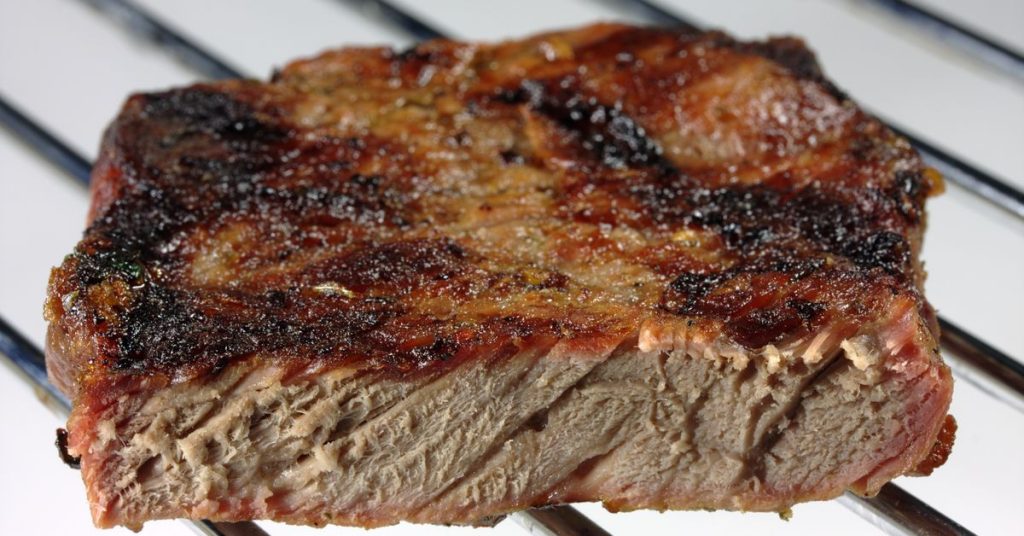
A steak cooked to well done is fully cooked through, often lacking the juiciness and tenderness of rarer steaks. Some might say it’s drier and tougher than desired, but to each their own!
While many steak purists avoid this level, some people genuinely enjoy their steak cooked this way. The key is choosing a cut that can handle the heat—ribeye, blade steak, or even brisket can stay relatively tender and flavorful even when well done, thanks to their fat and connective tissue.
Things That Affect the Way Your Steak Cooks
Cooking the perfect steak isn’t just about throwing it on a hot pan or grill but there’s actually a science behind it. Several factors can change how your steak cooks, from how thick it is to what kind of pan you use. Understanding these things helps you get that perfect sear, juicy inside, and delicious flavor every time. Let’s break down the key factors that affect how your steak cooks.
1. Thickness of the Steak
The thickness of your steak is one of the biggest factors that determines how it cooks. A thin steak (like 1–1.5 cm) cooks much faster and can easily become overdone if you’re not careful. It’s great for quick searing but tricky to keep medium-rare. A thick steak (around 2.5–4 cm), on the other hand, allows for better control — you can sear the outside beautifully while keeping the inside tender and juicy. That’s why chefs often prefer thicker cuts for grilling or pan-searing to perfection.
2. Starting Temperature
Did you know that the temperature of your steak before it hits the pan matters a lot? A cold steak straight from the fridge takes longer to cook and might end up overcooked outside while staying underdone inside. Letting your steak rest at room temperature for about 20–30 minutes before cooking helps it cook more evenly. This simple step can make a big difference between a tough steak and one that’s beautifully juicy from edge to edge.
3. Type of Cut
Not all steaks cook the same way because each cut has its own level of fat, tenderness, and texture. For example, tenderloin is very lean and cooks quickly, so it’s best with gentle heat to keep it soft and buttery. Ribeye and sirloin, on the other hand, have more fat (marbling), which means they can handle higher heat and still stay juicy. Knowing your cut helps you pick the right cooking method — grill, pan-sear, or oven-finish — to bring out the best flavor and texture.
4. Cooking Surface and Heat Level
Whether you’re using a cast-iron pan, grill, or stainless steel skillet, the surface makes a huge difference. Cast iron holds heat evenly and gives that gorgeous, caramelized crust, while a grill adds smoky flavor. The heat level matters too: high heat helps sear the outside and lock in juices, but if it’s too hot for too long, your steak can dry out. The trick is to sear on high heat first, then lower the temperature to finish cooking gently inside.
5. Fat Content and Marbling
Fat is also a built-in cooking helper. Steaks with good marbling (tiny streaks of fat within the meat) cook more evenly and stay moist because the fat melts during cooking, adding juiciness and flavor. Leaner cuts like tenderloin need extra attention or a touch of butter or oil to keep them from drying out, while fattier cuts like ribeye are naturally rich and forgiving.
6. Resting Time After Cooking
One of the most overlooked steps in cooking steak is letting it rest after it comes off the heat. When you cook meat, its juices move toward the center. If you cut into it immediately, all that flavorful juice spills out onto your plate instead of staying in the meat. Resting your steak for 5–10 minutes lets the juices redistribute, making every bite tender and juicy.
7. Seasoning and Moisture
How you season your steak also affects how it cooks. Salt draws moisture to the surface, which helps with browning, but if added too early, it can make the meat release too much water. Ideally, season right before cooking or about 40 minutes ahead if you want the salt to fully penetrate the meat. Patting your steak dry with paper towels before cooking also ensures a crisp, golden crust instead of steaming the meat.
8. Cooking Method and Doneness Preference
Finally, the method you use determines how evenly your steak cooks. Each method offers a different texture and flavor profile. And of course, your preferred doneness (rare, medium, or well-done) changes the cooking time. Using a meat thermometer is the easiest way to get it just right without guessing.
Now that you’re practically a steak doneness expert, it’s time to put that knowledge to the test. Time to peruse Lawry’s menu and indulge in our mouthwatering prime rib roasts and steaks!
FAQ
1. What are the different levels of steak doneness?
There are five levels: Rare (49°C), Medium Rare (54°C), Medium (60°C), Medium Well (65°C), and Well Done (71°C). Each offers a unique balance of tenderness, juiciness, and flavor.
2. Why does a well-done steak taste different from a rare steak?
As a steak cooks, water and fat content reduce, and proteins break down differently. This makes well-done steaks less juicy and tender, while rare steaks retain more moisture and a chewier texture.
3. What is the Maillard effect, and why is it important?
The Maillard effect occurs when the steak’s surface is seared, creating a flavorful crust that enhances the overall taste and texture of the steak.

Reserve Table
Lawry’s Restaurants is the perfect place to begin your venue search for any occasion.