Mastering Prime Rib Roast Bone In: The Secret to Restaurant-Quality Flavor
A bone-in prime rib roast knows how to make an entrance. It is generous, richly marbled, and beautifully juicy when cooked well, making it a natural choice for dinners where the main course is expected to command a little attention. The tricky part is cooking such a large piece of beef evenly while still getting a good crust and keeping the center tender.
Getting the best from a bone-in prime rib comes down to a few things, from careful preparation, good temperature control to knowing when the bones should stay put and when they are better out of the way. Here is how to handle the roast without turning dinner into a kitchen project!
What Is a Bone-In Prime Rib Roast?
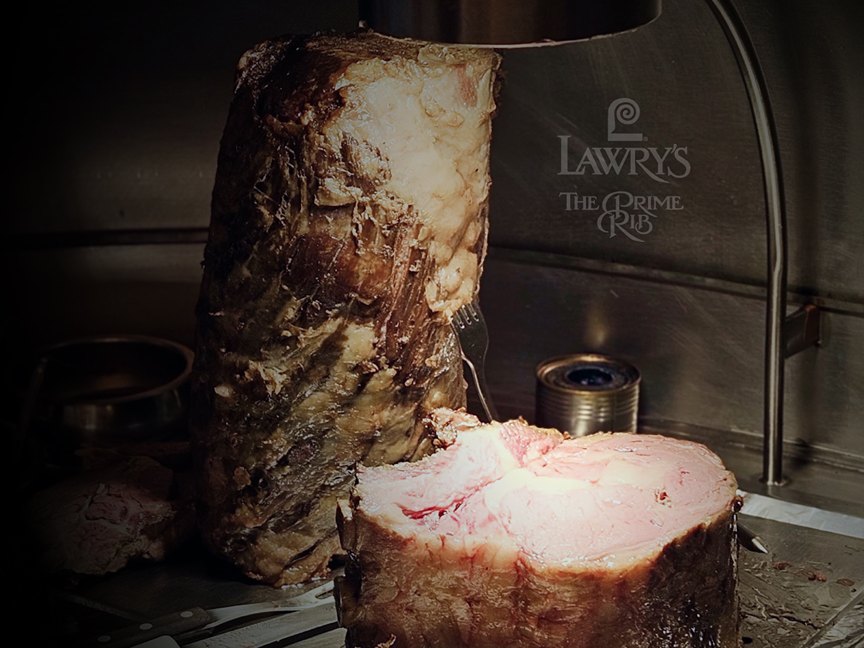
Bone-in prime rib comes from the rib section of the cow, generally between the sixth and twelfth ribs. The word “prime” in prime rib refers to the primal rib section rather than automatically indicating USDA Prime grading, so a prime rib roast may be sold in different beef grades.
Keeping the ribs attached gives the roast its familiar standing presentation. Bone-in roasts can also be substantial, with larger examples weighing 12 to 15 pounds or more, though smaller three- or four-rib roasts are available for fewer guests.
If you are still getting familiar with the cut itself, this guide to prime rib explains what separates it from other familiar beef cuts.
How to Prepare a Bone-In Prime Rib Roast Before Cooking
Start by trimming away any excessive exterior fat, leaving roughly ¼ inch on the roast. This thin layer helps protect the meat as it cooks and contributes to a flavorful crust. Then separate the roast from the ribs, season both pieces, and dry-brine them overnight. Before roasting, tie the beef back onto the bones so you get the benefit of bone-in cooking without making the final carving unnecessarily difficult.
This approach also answers a common question: should you cut prime rib with the bone in or out? For preparation, removing the meat from the bones first makes it easier to season surfaces that would otherwise be covered. Tying the roast back onto the ribs lets you cook it bone-in while making carving considerably simpler afterward.
For seasoning, salt, black pepper, and garlic already give beef plenty to work with. Dry-brining overnight gives the seasoning time to penetrate instead of sitting only on the surface. The roast can then be tied firmly so the ribeye cap stays in place and the meat maintains a more even shape during cooking.
The Secret to Restaurant-Quality Flavor in a Bone-In Prime Rib Roast
A good crust and a pink interior require different kinds of heat, which is why the reverse-sear method works particularly well here.
For a bone-in prime rib roast, cook the beef at 121°C until the center reaches about 48°C. A five-pound roast may take roughly three hours, while a ten-pound roast can take closer to five. Let it rest for 20–30 minutes, then raise the oven to 260–288°C and return the roast for another 10–15 minutes to brown and crisp the exterior.
Another method uses 163°C and estimates 12 to 15 minutes per pound, followed by a brief 232°C sear. The difference shows why prime rib roast bone-in cooking time should always be treated as a guide. Roast size, shape, oven performance, and desired doneness can all change the timing. A thermometer is far more useful than relying on minutes alone.
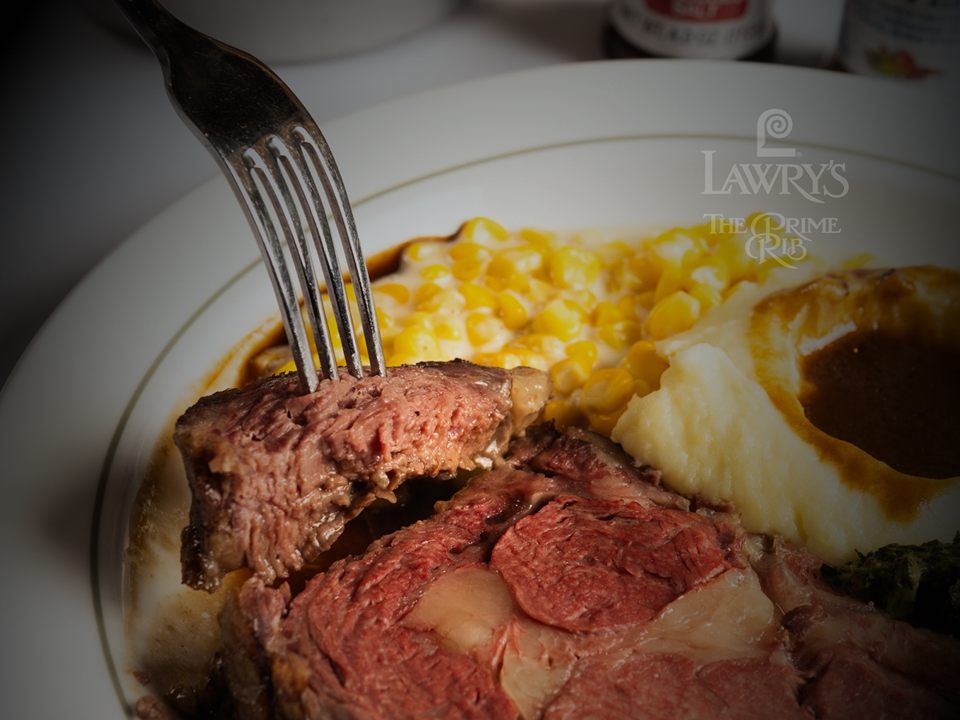
For medium rare, aim for the beef to finish at around 54–56°C after resting. Insert the thermometer into the thickest part of the roast, keeping the probe parallel to the middle bone so it measures the meat rather than the bone itself. Once the roast has rested, remove the twine and bones before slicing. This leaves a clean section of beef that is much easier to portion evenly without having to work around each rib.
Experience the Best Prime Rib at Lawry’s The Prime Rib Jakarta!
Of course, there is another way to handle several hours of roasting, resting, temperature checking, and carving– let someone else do it!
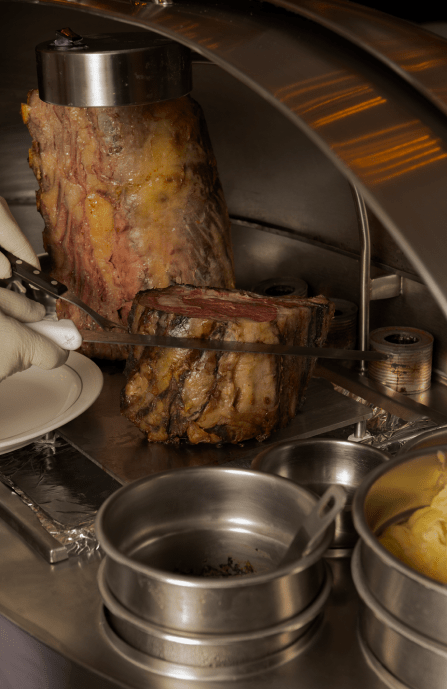
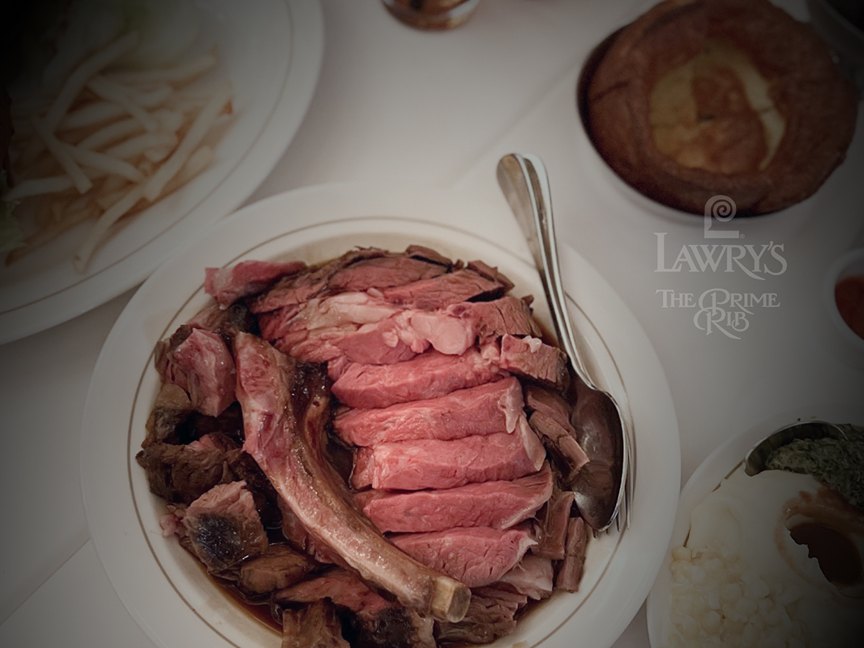
For diners searching for the best prime rib in Jakarta, Lawry’s The Prime Rib Jakarta centers its dining experience around its signature prime rib, with the preparation and serving handled by the restaurant team.
If you would rather enjoy the finished roast than monitor one at home, explore fine dining Jakarta at Lawry’s The Prime Rib Jakarta and experience signature prime rib prepared, carved, and served for you.
Reserve Table
Lawry’s Restaurants is the perfect place to begin your venue search for any occasion.