
Bone-In vs Boneless Steaks: Does the Bone Really Add Flavor?
When it comes to steak, one debate has divided chefs and carnivores alike: bone-in or boneless?
Both cuts promise tenderness, juiciness, and rich flavor, but they deliver these pleasures in slightly different ways. Before deciding which belongs on your plate, let’s break down the most popular cuts and the culinary science behind them!
Popular Bone-In Cuts
- Ribeye: A luxurious cut taken from the rib section, celebrated for its deep marbling and buttery tenderness. When served bone-in, often as a Tomahawk, it’s a feast for both the eyes and palate.
- Porterhouse and T-Bone: Two steaks in one: the strip and tenderloin divided by a T-shaped bone. The bone’s presence gives them dramatic presentation and varied textures.
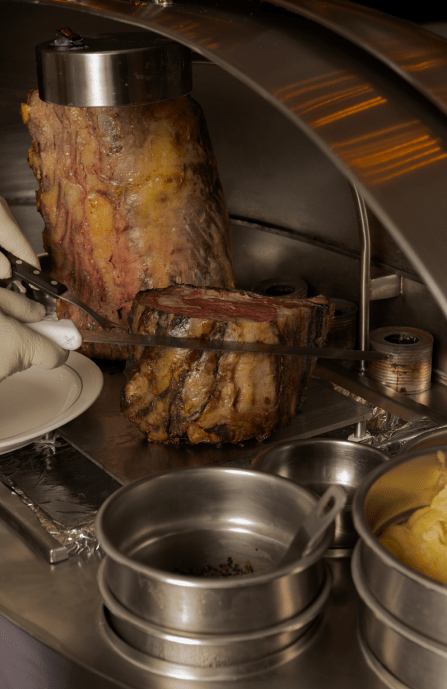
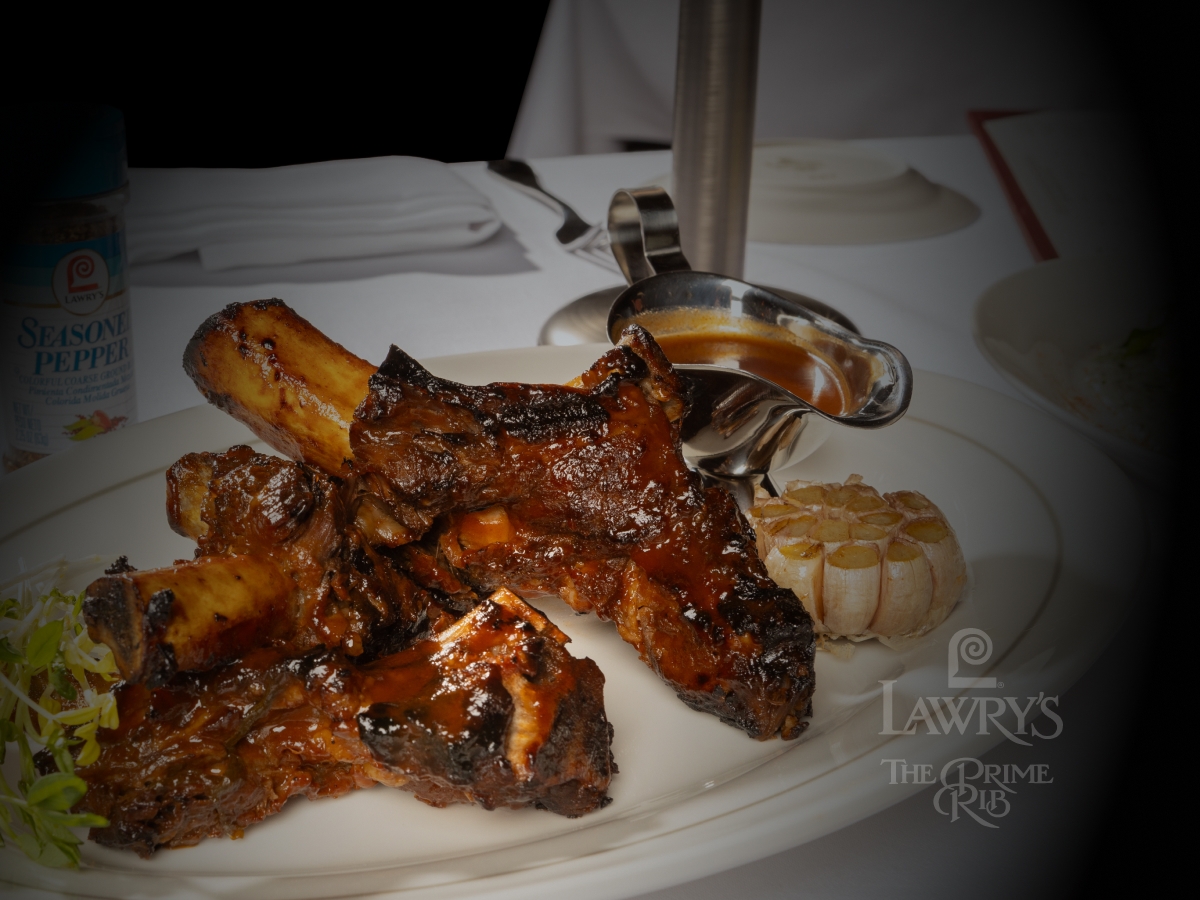
- Prime Rib: The crown jewel of roast dinners, this large cut retains the rib bones for extra insulation during slow roasting, helping it stay juicy and flavorful.
Popular Boneless Cuts
- Filet Mignon: Taken from the tenderloin, it’s the softest cut with a melt-in-the-mouth texture. Its mild flavor makes it ideal for delicate sauces or buttery finishes.
- Strip Steak (New York Strip): Cut from the short loin, this boneless classic balances tenderness with a robust beefy taste. It’s a favourite for steakhouse-style grilling.
- Top Sirloin: Leaner yet flavorful, this boneless option cooks quickly and stays versatile for both grilling and pan-searing.
Does the Bone Really Add Flavor?
The bone itself doesn’t infuse flavor into the meat, since it’s too dense and impermeable for marrow to seep through. However, the surrounding connective tissue and fat do play a subtle supporting role. As the steak cooks, these layers slowly break down, creating a richer mouthfeel and enhancing the overall perception of juiciness.
The real magic of the bone lies in heat control: it acts as an insulator, slowing the cooking process and protecting nearby meat from overexposure to direct heat. This gives bone-in steaks a slightly more varied texture, with meat closer to the bone staying tender and succulent.
Cooking Techniques for Both Types
Bone-in cuts are best suited for slow roasting and indirect grilling, where steady heat allows the meat to cook evenly without drying out. Think of a bone-in prime rib roast cooked low and slow until the outer crust caramelizes and the inner section stays pink and moist.
Boneless cuts, on the other hand, shine with quick, high-heat methods such as pan-searing, broiling, or reverse searing. Their even surface area ensures a uniform crust, and the absence of bone makes them easier to handle and carve. Regardless of type, always season generously with salt and pepper, let the steak reach room temperature before cooking, and rest it afterward to let the juices redistribute.
Bone-In vs Boneless Steak: Which Should You Choose?
If your goal is an impressive presentation and a primal, feast-style experience, go bone-in. It’s ideal for special occasions when flavour depth and visual drama matter most. If you prefer ease, speed, and consistency, boneless is your best bet, it cooks evenly, slices cleanly, and suits everything from weeknight dinners to fine dining menus. In truth, both can be extraordinary when cooked with care.
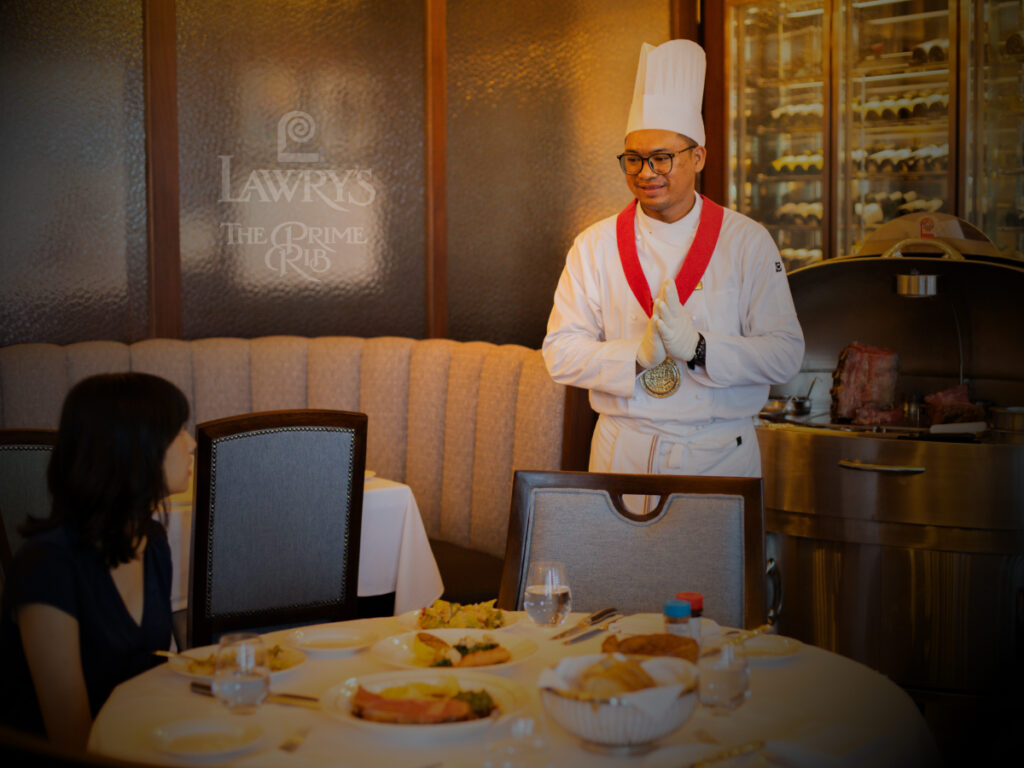
For those seeking the finest expression of either, indulge in perfectly prepared steaks and prime ribs at Lawry’s The Prime Rib Jakarta, it is where where tradition meets modern indulgence in an unmatched fine dining Jakarta experience. Explore the full Lawry’s menu and book your seat for an evening where every cut, bone-in or boneless, is served to perfection.
FAQ
The bone itself does not infuse flavor into the meat since it is too dense and impermeable for marrow to seep through. However, the surrounding connective tissue and fat enhance the overall perception of juiciness and richness as they break down during cooking.
Popular bone-in cuts include Ribeye, Porterhouse, T-Bone, and Prime Rib. These cuts offer a dramatic presentation and maintain juiciness through slow cooking techniques.
Boneless steak cuts, such as Filet Mignon, Strip Steak, and Top Sirloin, offer ease and consistency in cooking. They are ideal for quick, high-heat methods, ensure a uniform crust, and are easier to handle and slice.
Bone-in steaks are best suited for slow roasting and indirect grilling, where steady heat allows the meat to cook evenly without drying out, retaining moisture and succulence.
Choose boneless steaks when you prefer ease, speed, and consistency in cooking. Boneless cuts are suitable for weeknight dinners and occasions where a clean, even slice is desired.
Reserve Table
Lawry’s Restaurants is the perfect place to begin your venue search for any occasion.