
Wagyu vs USDA Prime, Which One Should You Choose?
Steak’s years-long debate has made another round here, nothing sparks as much passion for the meat connoisseurs as which one is better between Wagyu and USDA Prime. Both represent the highest tiers of beef quality in their respective countries (Japan and the United States) and both promise tenderness, juiciness, and rich flavor. But while they share a reputation for excellence, they deliver vastly different dining experiences, from how they are raised to how they are best cooked and enjoyed.
Wagyu, translating literally to “Japanese cattle,” is renowned for its extraordinary marbling and luxurious mouthfeel. Graded from A to C and 1 to 5 by the Japanese Meat Grading Association, the legendary A5 Wagyu sits at the pinnacle of quality, where the fat weaves through the muscle like ivory lace. These cattle are raised with careful attention to diet, environment, and stress levels, resulting in meat so rich that it melts at body temperature.
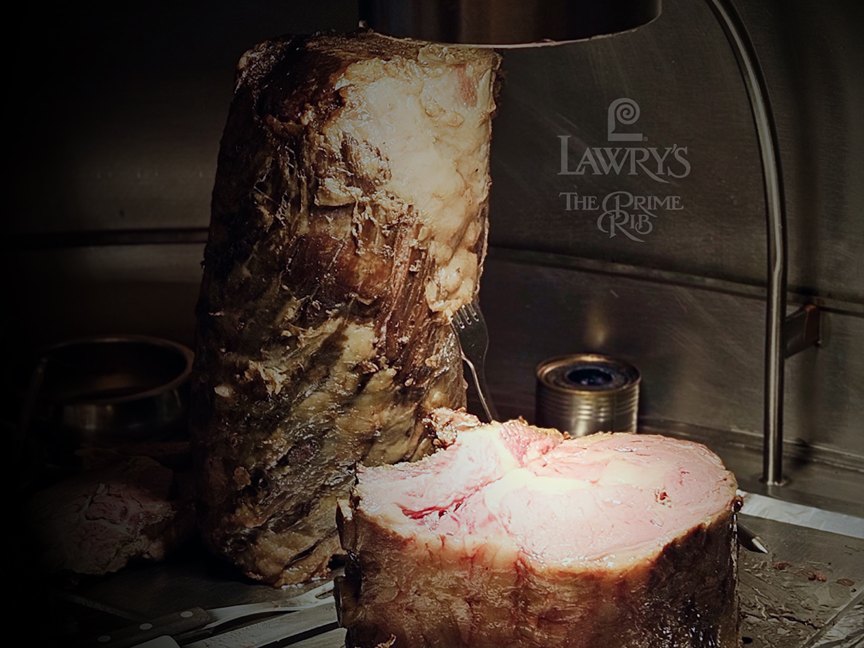
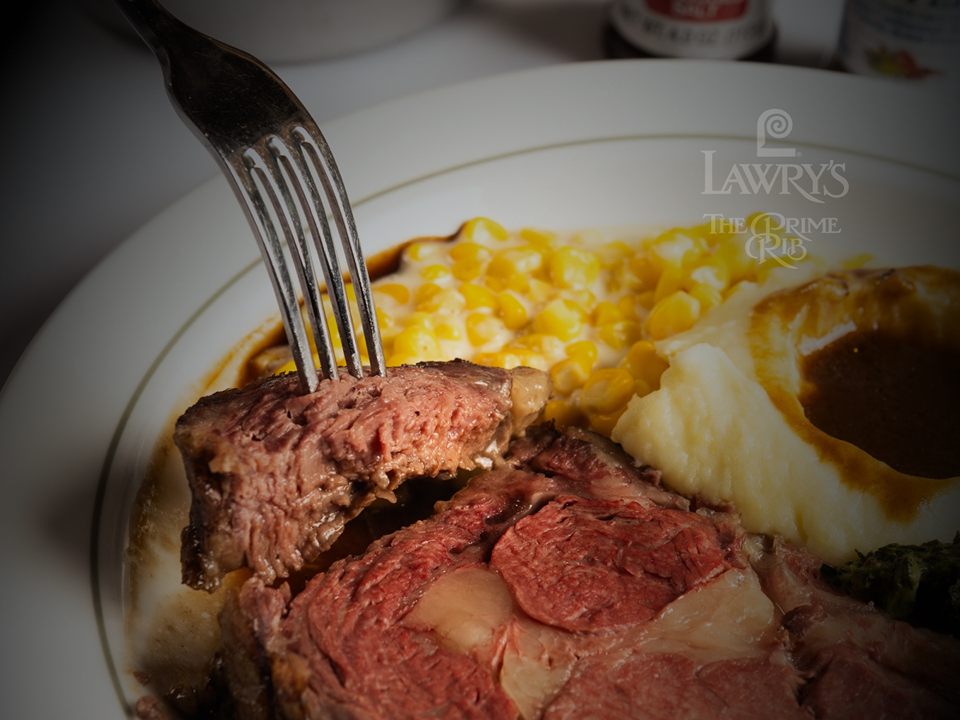
In contrast, USDA Prime is the top grade of beef in the American system, making up only 2–3% of all beef produced. It is prized for its abundant but balanced marbling, offering a robust, beef-forward flavor that stands up beautifully to traditional steakhouse preparations.
Both cuts have their moments. Wagyu is often reserved for special occasions, it is after all, a rare indulgence enjoyed in small, delicate portions. Its richness and buttery texture shine in quick-cook styles like yakiniku or shabu-shabu, where thin slices of meat are seared or simmered just long enough to release their flavor.
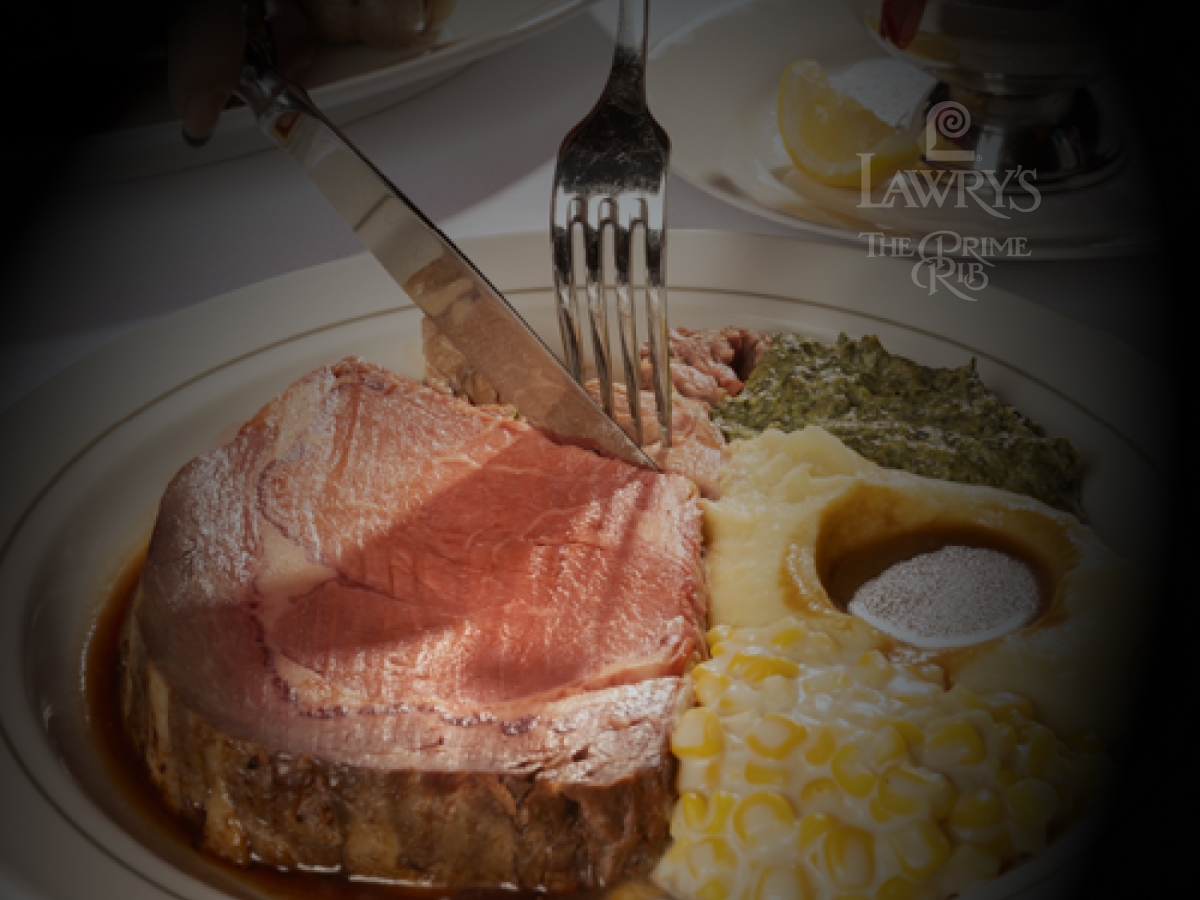
USDA Prime, on the other hand, is the classic choice for a hearty steak dinner, whether pan-seared, grilled, or reverse-seared to perfection. It’s the steak you order at your favorite fine dining restaurant or prepare at home for an elevated weekend meal.
The cooking methods for these two premium cuts are as distinct as their textures. For a perfectly juicy USDA Prime steak, many chefs swear by the reverse sear—a technique that ensures even doneness and a crisp crust.
To start, preheat your oven to a low temperature, around 135°C. Season your steak generously with salt and pepper, then place it on a wire rack over a baking sheet and cook slowly until the internal temperature reaches about 52°C for medium-rare. Once it’s ready, transfer the steak to a hot cast-iron skillet with a touch of oil and sear each side for one to two minutes until a golden crust forms. Let it rest before slicing, and you’ll have a steak that’s evenly pink from edge to edge, with an irresistible caramelized finish.
Wagyu, however, requires a gentler touch. Because of its higher fat content which is up to 50% in some cuts, there’s no need to add oil. Simply heat the pan, sear briefly on each side, and let the marbling do the work, releasing its own buttery fat as it cooks.
So, which one should you choose?
Well, the answer depends on the occasion. If you seek a once-in-a-lifetime indulgence that melts in your mouth and lingers on your palate like velvet, Wagyu is your answer. But if you crave a traditional, full-bodied steak experience that celebrates the deep, beefy essence of American grilling, USDA Prime remains the gold standard. Each cut tells its own story, one of delicate luxury, the other of bold craftsmanship, and both deserve a place in your culinary journey.
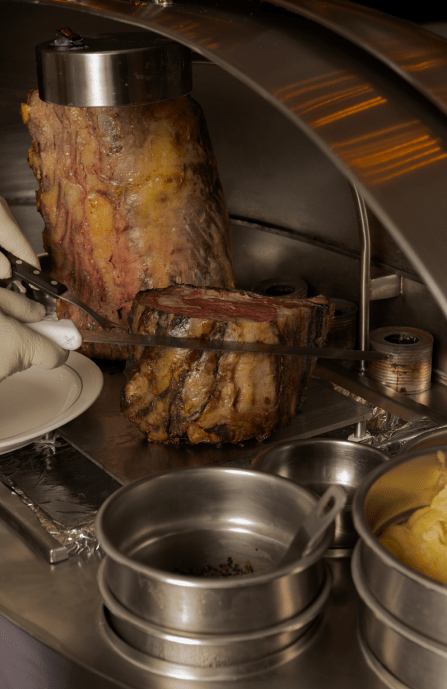
For those in search of the perfect steak night, there’s no better way to experience both than at Lawry’s The Prime Rib Jakarta. Explore the Lawry’s menu and discover the finest selection of USDA Prime and Wagyu cuts, expertly prepared and elegantly served. Whether you’re planning a celebration or simply craving the best of both worlds, book your seat and savour the art of fine dining Jakarta has to offer.
FAQ
The main difference lies in their marbling and flavor profile. Wagyu is known for its extraordinary marbling and luxurious texture, while USDA Prime offers balanced marbling with a robust, beef-forward flavor.
Wagyu beef is graded by the Japanese Meat Grading Association on a scale from A to C and 1 to 5, with A5 Wagyu representing the pinnacle of quality with its intricate marbling and rich flavor.
Many chefs recommend the reverse sear method for USDA Prime steak. This involves cooking the steak slowly at a low temperature in the oven and then searing it briefly in a hot skillet to achieve a perfect crust and even doneness.
Someone might choose Wagyu for its rich, buttery texture and melt-in-the-mouth quality, offering a luxurious dining experience that is often considered an indulgent choice for special occasions.
You can enjoy a selection of USDA Prime and Wagyu cuts at Lawry’s The Prime Rib Jakarta, where these premium meats are expertly prepared and elegantly served.

Reserve Table
Lawry’s Restaurants is the perfect place to begin your venue search for any occasion.