
Duck Confit Explained: A Classic French Dish Worth Knowing
What is duck confit? Duck confit is duck leg that’s cured with salt and aromatics, then slowly cooked in duck fat until the meat turns tender and rich, before being crisped right before serving. It started as a preservation method, but it stuck around because the results taste great and reheat well. If you’ve seen “confit de canard” on menus and wondered what makes it special, here’s the simple breakdown.
Duck confit begins with time and restraint. There’s no fast shortcut that delivers the same texture. The process is built on two steps: curing and slow cooking. First, the duck legs are salted (often around 1.5% of the meat’s weight) then left to rest in the refrigerator for 12 to 24 hours with classic aromatics like thyme, bay leaf, black pepper, and garlic. This isn’t just seasoning. The salt firms the meat slightly, draws out a little moisture, and sets the stage for an even cook.
After curing, the duck is wiped clean and dried, then submerged in duck fat and cooked at a very low temperature. Many traditional methods keep the fat around 35–38°C, holding it there for roughly 2.5–3 hours until a fork slides in easily. Some oven approaches go even longer at a similarly gentle heat. Either way, the goal is the same, to soften connective tissue without tightening the meat. The duck fat acts as a temperature buffer, so the cooking stays steady and the meat doesn’t dry out.
That slow, fat-based cook is what defines confit. The meat becomes silky and shreddable, but it still holds together. The flavor is deeper than roasted duck, with a savory richness that lingers. It’s not “greasy” when done right; it’s concentrated, because fat carries aroma and rounds out sharp edges from herbs and spices. You’ll often taste warm notes from thyme and bay, a mild sweetness if a pinch of sugar was used in the cure, and a gentle garlic background when the cloves are kept in large pieces and removed before serving.
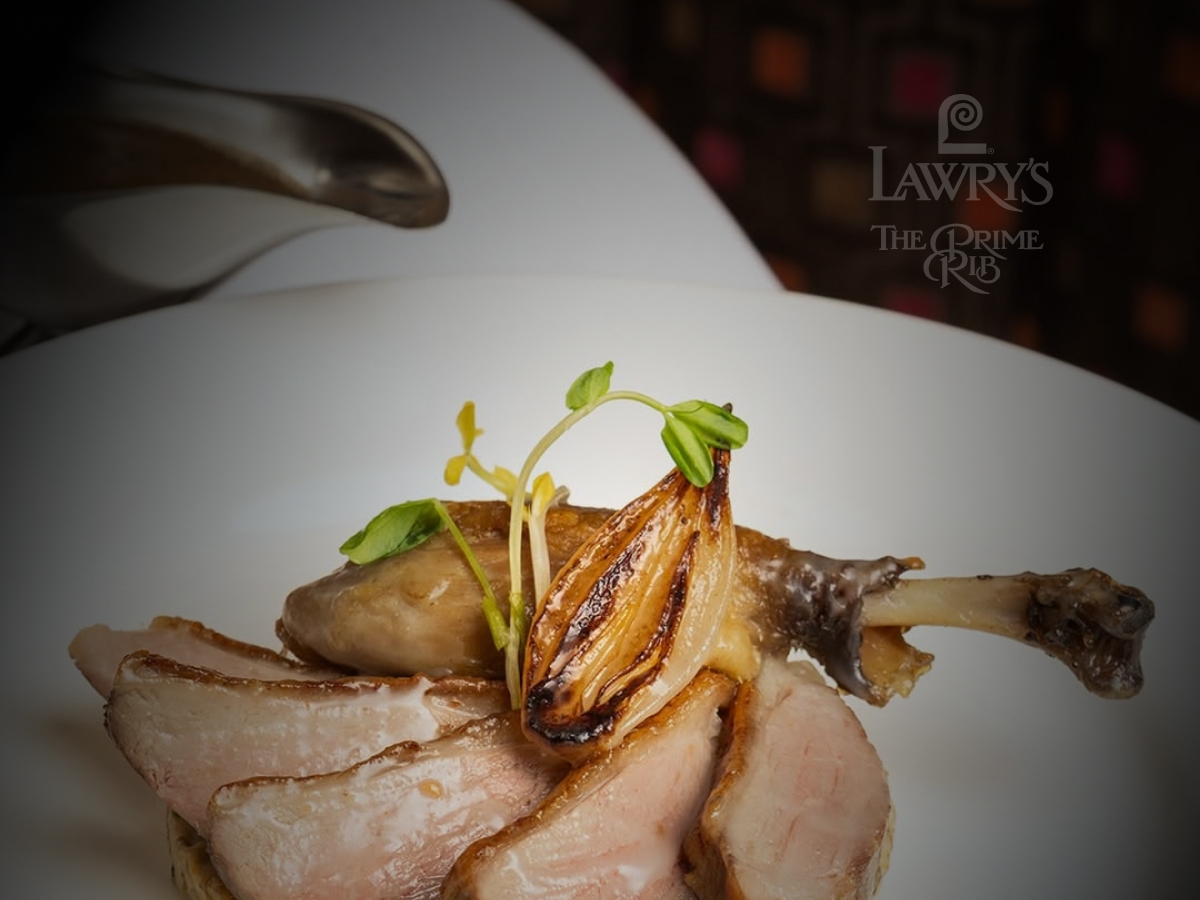
Texture is where duck confit really earns its reputation. Properly cooked confit gives you two experiences at once: delicate, dark meat underneath and a thin layer of skin that can turn crisp if finished correctly. The skin doesn’t get crispy during the slow cook. It becomes crisp in the final step, when the leg is seared skin-side down in a hot pan for 3–5 minutes, or blasted in a hot oven until the surface turns deep golden and crackly. That last step is quick, and it’s best done right before the plate hits the table.
Serving duck confit is also part of why it became a French bistro staple. It’s rich, so it’s usually paired with something starchy and something acidic or green. Classic combinations include potatoes cooked in duck fat, a lentil ragout, or fries alongside a sharp vinaigrette salad that cuts through the richness. You’ll also find shredded duck confit folded into cassoulet, tossed through pasta, or used as a topping for crispy potatoes when you want the flavor without serving a full leg.
Duck confit is worth knowing because it explains a lot about French cooking: patience, technique, and smart use of fat to create tenderness without fuss. If you’d rather skip the stove and enjoy it professionally prepared, check out what fine dining in Jakarta looks like at Lawry’s The Prime Rib Jakarta. Browse the full selection on the Lawry’s menu and when you’re ready, book your seat and order duck confit done the way it’s meant to be! All tender, crisped, and served with the right sides.
FAQ
Duck confit is a classic French dish where duck legs are salted, seasoned, and slowly cooked in their own fat until tender.
Unlike roasted duck, duck confit is cooked slowly in fat at a low temperature, which preserves moisture, tenderizes the meat, and develops deeper, more concentrated flavors.
Duck confit pairs well with starchy sides like potatoes cooked in duck fat, lentil ragout, or crispy fries, and with acidic or green elements like a sharp vinaigrette salad to balance the richness.

Reserve Table
Lawry’s Restaurants is the perfect place to begin your venue search for any occasion.