
Tired of Tough Steak? Here’s How to Tenderize It Like a Pro
What’s the best way to tenderize steak? The short answer is by combining the right prep technique with proper cooking. Tender steak is all about understanding how muscle fibers react to salt, enzymes, heat, and time. If you’ve been wondering how to make steak tender without ruining its texture, keep reading. The details matter! And small adjustments can change everything.
The Best Way to Tenderize Steak
Tenderizing works best when you approach it from more than one angle. Some methods focus on breaking down muscle fibers. Others improve moisture retention. The strongest results usually come from pairing smart prep with controlled cooking.
Dry brining is a reliable starting point. Sprinkle kosher salt evenly over the steak and let it rest uncovered in the refrigerator for at least 40 minutes, or up to overnight. Salt first draws moisture to the surface, then reabsorbs it, seasoning the meat more deeply. While short brines can help, longer rests produce more noticeable texture changes. A 20-minute salt rest often seasons well but doesn’t dramatically soften tougher cuts like flank.
For lean cuts such as flank or skirt steak, mechanical tenderizing can help. Scoring the surface in a shallow crosshatch pattern—about 1/8 inch deep—cuts through tough fibers and prevents curling during cooking. In testing, scoring outperformed pounding with a mallet. A fork works surprisingly well, too. Deep punctures allow heat and seasoning to penetrate further, improving tenderness without flattening the steak.
Chemical methods also play a role. Baking soda has gained attention for good reason! Lightly coat the steak, let it sit for several hours (or overnight for thicker cuts), then rinse thoroughly before seasoning. Baking soda alters the meat’s surface pH, helping prevent excessive protein tightening during cooking. The difference is noticeable: easier slicing and a softer bite throughout.
Then there’s meat tenderizing powder, often made with bromelain, an enzyme found in pineapple. A light sprinkle and a 15–20 minute rest can significantly break down connective tissue. In side-by-side comparisons, this method consistently produces the most dramatic improvement in tenderness without affecting flavor.
Marinades deserve careful handling. Acidic ingredients like lemon juice, vinegar, or yogurt soften the outer layer but rarely penetrate deeply. Enzyme-based marinades using pineapple, papaya, or kiwi work faster and more aggressively. Leave them too long, and the texture turns mushy. Use marinades primarily for flavor, and rely on brining or enzymatic methods for structure.
How Restaurants Get Their Steak So Tender
Professional kitchens stack advantages. It starts with the cut. Filet mignon, ribeye, and strip steak contain more marbling, which naturally improves tenderness. Leaner cuts require more prep, but they also deliver stronger flavor.
Aging plays a major role. During wet or dry aging, natural enzymes slowly break down muscle fibers over time. Even a modest aging period improves texture before the steak ever touches heat.
Restaurants also control cooking precisely. Overcooking tightens proteins and squeezes out moisture, leading to toughness. Medium-rare to medium doneness preserves juiciness. After cooking, resting is essential. Five to ten minutes allows juices to redistribute, reducing the loss when slicing.
Slicing technique matters as much as prep. Always cut across the grain. Shorter muscle fibers create the perception of tenderness, even in inherently fibrous cuts. So when these techniques come together, all the quality beef, proper aging, controlled tenderizing, precise heat, and correct slicing, you’ll get the kind of steak that’s effortless to cut.
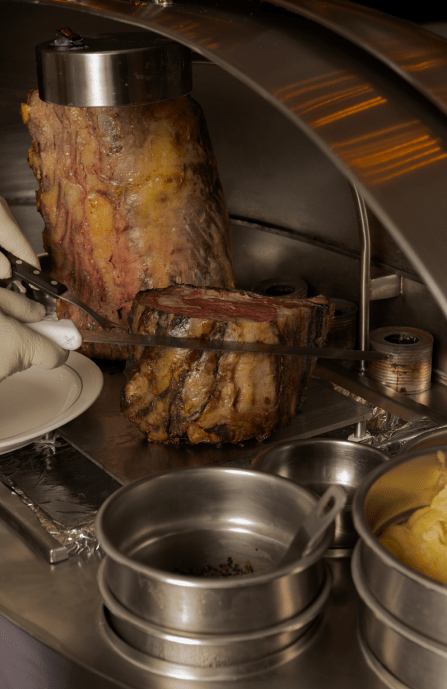
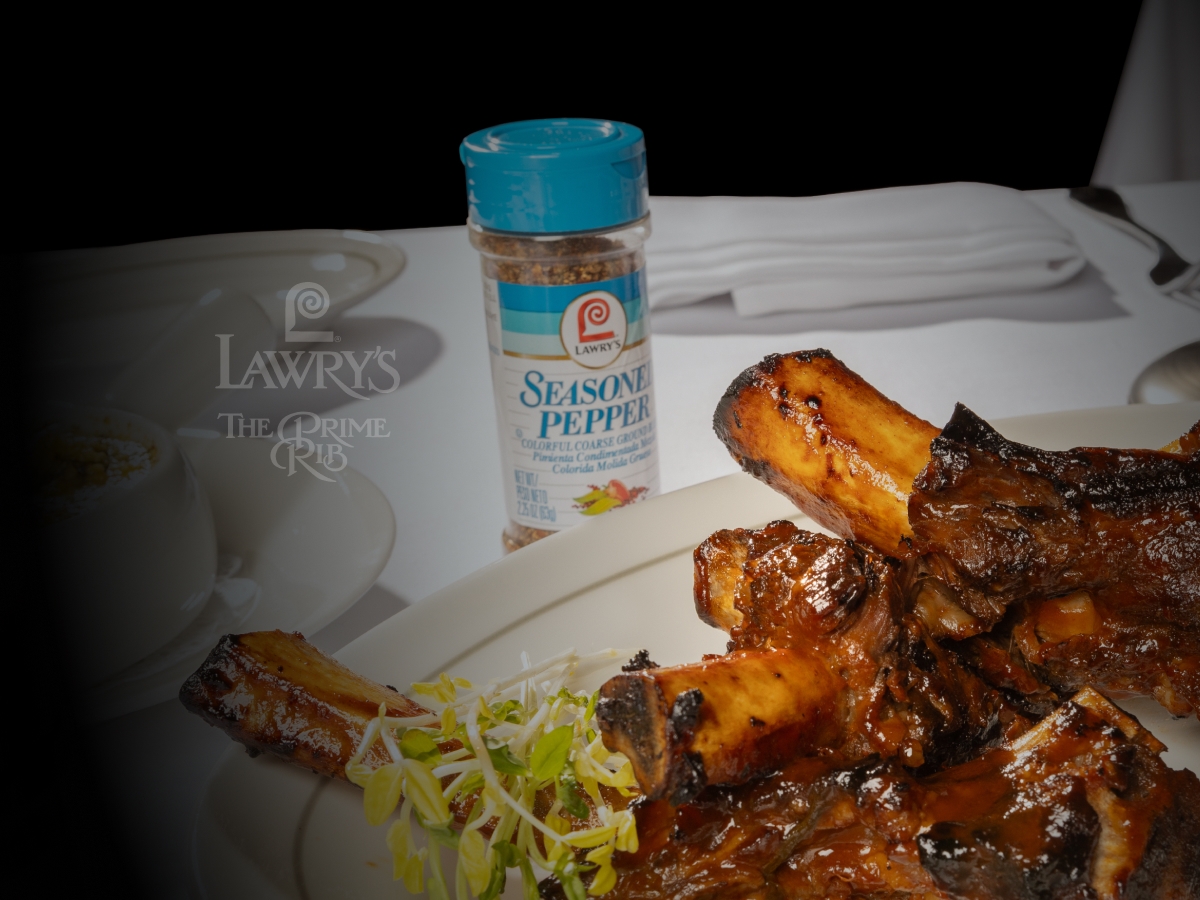
If you’d rather experience that level of execution without trial and error at home, you can enjoy prime rib and expertly prepared steaks at Lawry’s The Prime Rib Jakarta. Explore the full selection on Lawry’s menu, and discover what fine dining in Jakarta looks like in a classic steakhouse setting. Book your seat now for a refined dinner built around perfectly tender beef!
FAQ
The most effective way combines proper preparation and cooking. Techniques like dry brining, mechanical scoring, and enzymatic tenderizers break down tough muscle fibers, while controlled cooking preserves juiciness. Using these methods together ensures consistently tender results without sacrificing flavor.
Restaurants use several advantages: selecting cuts with good marbling (like ribeye or filet mignon), aging meat to naturally soften fibers, and precise cooking methods to prevent overcooking. Resting after cooking and slicing across the grain also maximize tenderness.
Enzymes from fruits such as pineapple (bromelain), papaya (papain), and kiwi can naturally break down muscle fibers. Used lightly and for the right duration, these enzymes soften meat without overpowering its flavor.
Always slice across the grain. Shorter muscle fibers feel softer in the mouth, making even fibrous cuts more tender.
Reserve Table
Lawry’s Restaurants is the perfect place to begin your venue search for any occasion.