Steak Texture Masterclass: The Science of the Perfect Bite
A great steak does not begin with the sauce, the garnish, or even the first slice. It begins with texture. The way a steak yields to the knife, the way the crust gives way to a juicy center, the way each bite feels firm, tender, buttery, or pleasantly chewy – all of it comes from science. Cut, muscle structure, marbling, aging, heat, timing, and resting all shape the final bite. Once you understand those details, ordering steak becomes much easier, and eating it becomes even better.
Table of Contents
ToggleBut…. What Shapes the Texture of Your Steak?
Texture is one of the biggest reasons one steak feels soft and buttery while another asks for a little more chewing. Flavor gets most of the attention, but texture decides how that flavor lands. A richly seasoned steak can still feel disappointing if it is dry, stringy, or tough. A well-cooked cut, on the other hand, gives you structure, juiciness, aroma, and satisfaction in the same bite.
Several factors work together to create that result. The most important are the cut of beef, the structure of the muscle, the amount of marbling, the aging process, and the cooking method.
Cut and Muscle Structure
Every cut of steak comes from a specific part of the cow, and each part has a different job. Muscles that do very little work tend to be naturally tender. Muscles that move constantly or support more weight are usually firmer, denser, and richer in connective tissue.
The longissimus dorsi is a good example of a less active muscle. It runs along the back of the animal and does not carry heavy physical strain compared with muscles in the shoulder, leg, or brisket. Because it works less, it has a finer muscle structure and a more tender bite. This is one reason cuts from the rib and loin sections are often prized for tenderness.
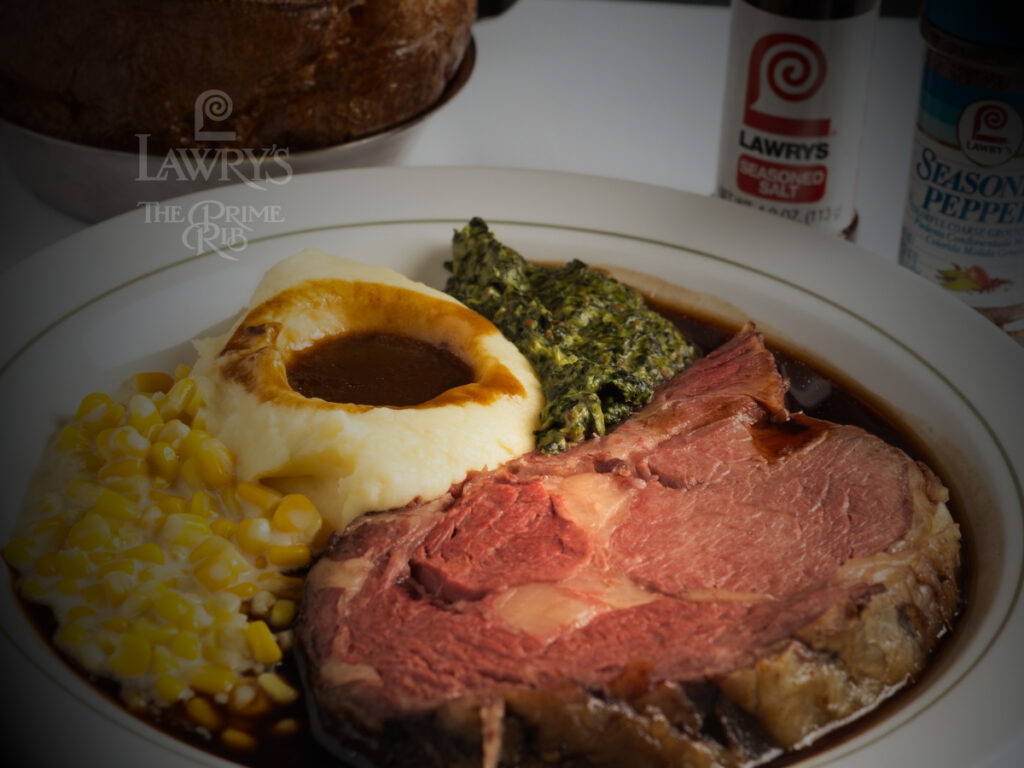
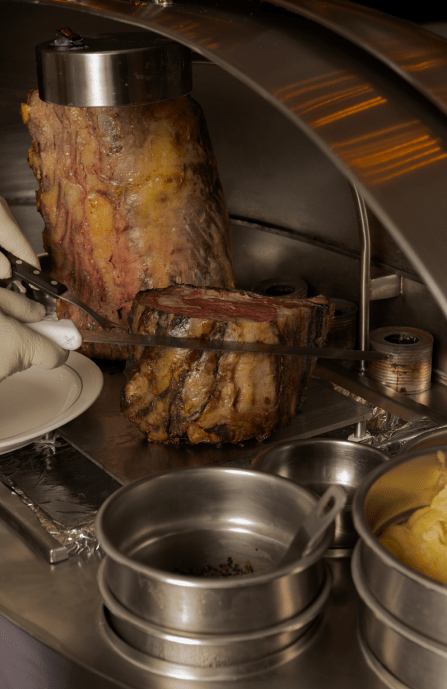
Prime rib is a clear example. It comes from the rib section, an area that does not support much of the cow’s body weight. That lower workload helps give prime rib its naturally tender texture, especially when cooked slowly and sliced properly.
More active muscles tell a different story. Cuts from the chuck, round, shank, or brisket are used more frequently by the animal. They contain more connective tissue, which can make them tougher if cooked quickly. This does not make them inferior. It simply means they need the right method. Low, slow cooking can transform many hardworking cuts into deeply satisfying dishes.
Connective tissue also has its own rules. Collagen can soften with time, moisture, and gentle heat. When cooked properly, it breaks down into gelatin, adding richness and a supple mouthfeel. Elastin behaves differently. It does not melt in the same way, so it remains chewy and firm even after long cooking. That is why trimming, butchery, and cooking technique all matter. A good steakhouse understands this before the steak reaches the pan!
Marbling and the Buttery Effect
Marbling refers to the fine streaks of intramuscular fat running through the meat. It is one of the easiest visual clues to texture and richness. When a steak cooks, that fat begins to melt. As it renders, it lubricates the muscle fibers, giving the steak a softer, juicier, more rounded bite.
This is the “buttery” effect people often describe in well-marbled steaks. It is not only about fat content, but how that fat is distributed. Fine and even marbling can create a more consistent eating experience because the fat melts through the meat instead of sitting only around the edges.
Grading systems often use marbling as a key marker of quality. USDA Prime, for example, is known for a high level of marbling compared with lower grades. Japanese A5 Wagyu sits in another category altogether, with intense marbling that gives the beef a rich, almost delicate texture when cooked with care.
Still, more marbling does not automatically mean every diner will prefer it. Some people enjoy the plush richness of a ribeye. Others prefer the lean tenderness of a filet mignon. Texture is personal. The point is to know what kind of bite you want before you order.
Aging and Tenderness
Aging is one of the most important steps in developing steak texture. It allows natural enzymes in the meat to break down muscle fibers, making the steak more tender over time.
Dry aging exposes beef to controlled airflow under specific temperature and humidity conditions. As moisture slowly evaporates, the flavor becomes more concentrated. The enzymes continue working, creating a more tender texture and a deeper, nuttier character. Dry-aged steak often has a firmer exterior that is trimmed away before cooking, leaving behind beef with a more pronounced taste and refined bite.
Wet aging works a little differently. The beef is vacuum-sealed and aged in its own juices. This method helps preserve moisture and tenderness while giving the steak a cleaner, milder flavor compared with dry aging. It is common, practical, and effective, especially for steaks where juiciness and consistency are the priority.
Both methods improve tenderness, but they create different experiences. Dry aging concentrates. Wet aging preserves. Choosing between them depends on whether you want intensity or a cleaner, juicier profile.
Cooking Method and Heat Control
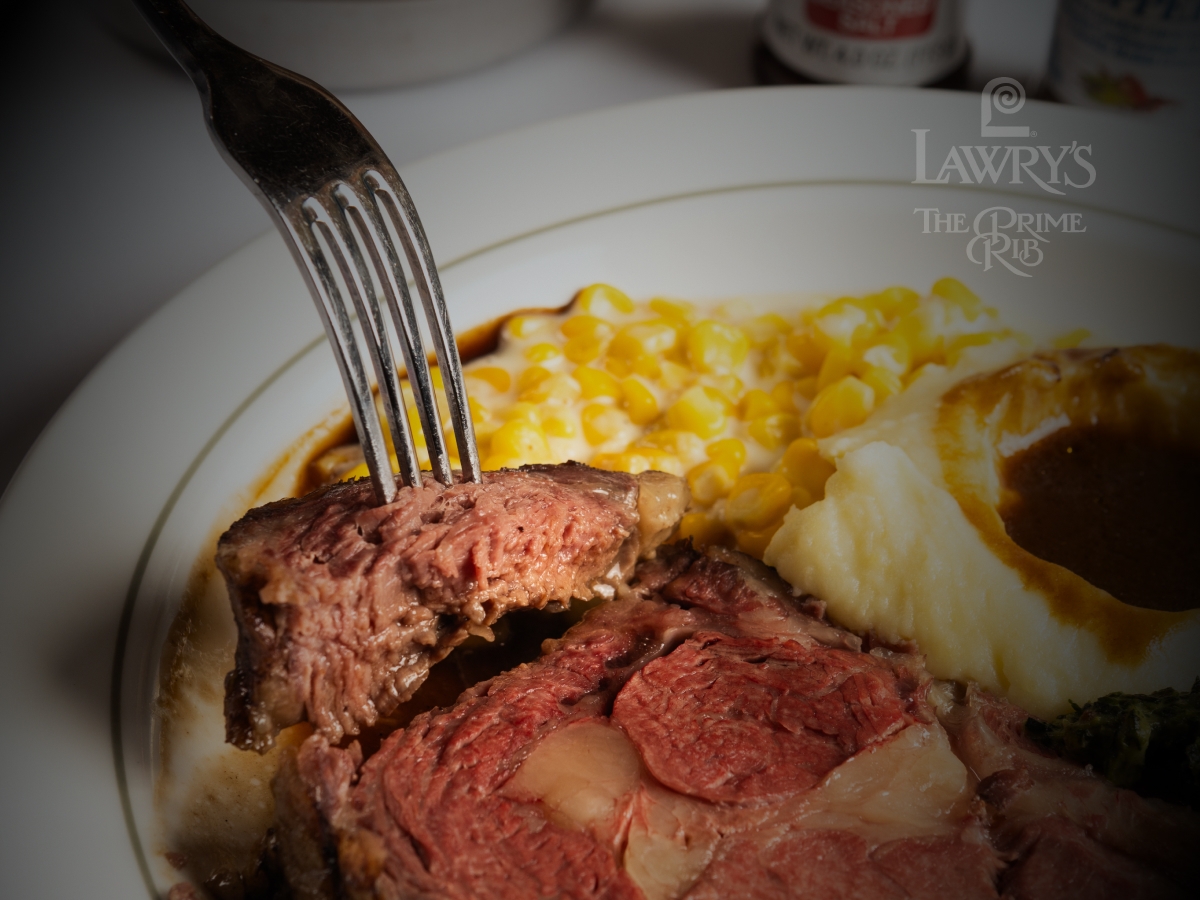
Cooking can protect a steak’s texture or ruin it quickly. Heat changes the structure of the meat, and different techniques produce different results. High-heat methods, such as searing, create the crust many steak lovers look for. A hot pan or grill triggers browning on the surface, building aroma, flavor, and contrast. That crisp edge against a tender center is one of the reasons a good steak feels exciting to eat.
Low-heat methods work in another direction. Roasting, slow cooking, and sous vide allow the steak to cook more evenly. Sous vide, in particular, gives precise temperature control, helping the meat reach the desired doneness without aggressively tightening the fibers. Roasting works especially well for larger cuts like prime rib, where steady heat helps the interior stay tender and juicy.
Overcooking is where texture starts to suffer. As meat cooks too far, the protein fibers contract. When they tighten, they squeeze out moisture. The result is a steak that feels dry, dense, and tough. This is why doneness matters so much. A few degrees can change the bite.
Resting is just as important as cooking. After a steak leaves the heat, the juices need time to redistribute. Cutting too soon lets them run out onto the plate. Resting helps the meat relax,
The Perfect Bite Is Built in Stages
A good steak is not the result of one decision. It is built step by step. The cut determines the starting texture. The muscle structure decides how tender or chewy the meat may be. Marbling adds richness and lubrication. Aging refines the fibers. Cooking controls moisture, crust, and doneness. Resting finishes the job.
That is why two steaks can look similar on the plate but feel completely different once you take a bite!
For diners, understanding texture makes the experience more rewarding. If you want a soft, lean cut, filet mignon may suit you. If you want richness and marbling, ribeye is a strong choice. If you enjoy a generous roast with natural tenderness, prime rib delivers a classic balance of structure, juiciness, and depth.
For a polished steak experience in fine dining Jakarta, Lawry’s The Prime Rib Jakarta brings prime rib, steaks, drinks, and dining rituals together with a sense of occasion. Explore Lawry’s menu for signature cuts and pairings, or consider private catering for gatherings that won’t compromise quality. The right steak should feel as good as it tastes, from the first slice to the final bite!
Masterclass Tekstur Steik, Ilmu di Balik Gigitan yang Sempurna
Steik yang enak bukan cuma soal saus, garnish, atau tampilan saat pertama kali datang ke meja. Yang paling menentukan justru teksturnya. Bagaimana daging terasa saat dipotong, bagaimana bagian luarnya yang berkerak bertemu dengan bagian tengah yang juicy, dan bagaimana tiap gigitan bisa terasa padat, empuk, lembut seperti mentega, atau sedikit kenyal dengan cara yang menyenangkan, semua itu ada ilmunya. Potongan daging, struktur otot, marbling, proses aging, panas, waktu masak, sampai resting sama-sama membentuk hasil akhirnya. Begitu paham detail-detail ini, memilih steik jadi lebih mudah, dan menikmatinya juga terasa jauh lebih seru.
Lalu, Apa yang Membentuk Tekstur Steik?
Tekstur adalah salah satu alasan terbesar kenapa satu steik bisa terasa lembut dan buttery, sementara yang lain butuh lebih banyak kunyahan. Rasa memang sering jadi pusat perhatian, tapi teksturlah yang menentukan bagaimana rasa itu sampai ke mulut. Steik yang bumbunya kaya tetap bisa terasa mengecewakan kalau hasil akhirnya kering, berserat, atau alot. Sebaliknya, potongan yang dimasak dengan baik memberi struktur, juiciness, aroma, dan kepuasan dalam satu gigitan.
Ada beberapa faktor yang bekerja bersama untuk menghasilkan tekstur seperti itu. Yang paling penting adalah potongan dagingnya, struktur ototnya, jumlah marbling, proses aging, dan metode memasaknya.
Potongan dan Struktur Otot
Setiap potongan steik berasal dari bagian sapi yang berbeda, dan tiap bagian punya fungsi yang berbeda juga. Otot yang jarang bekerja biasanya secara alami lebih empuk. Sementara otot yang terus bergerak atau menopang lebih banyak beban cenderung lebih padat, lebih rapat, dan lebih kaya jaringan ikat.
Longissimus dorsi adalah contoh otot yang tidak terlalu aktif. Otot ini memanjang di sepanjang punggung sapi dan tidak menanggung beban berat seperti otot di bagian bahu, kaki, atau brisket. Karena kerjanya lebih ringan, struktur ototnya lebih halus dan hasil gigitannya lebih empuk. Inilah salah satu alasan potongan dari bagian rib dan loin sangat dihargai untuk urusan keempukan.
Prime rib adalah contoh yang jelas. Potongan ini berasal dari bagian rib, area yang tidak menopang banyak berat tubuh sapi. Beban kerja yang lebih ringan itulah yang membantu memberi prime rib tekstur empuk alaminya, terutama saat dimasak perlahan dan diiris dengan benar.
Bagian otot yang lebih aktif punya cerita yang berbeda. Potongan dari chuck, round, shank, atau brisket lebih sering dipakai oleh sapi. Bagian-bagian ini mengandung lebih banyak jaringan ikat, sehingga bisa terasa lebih alot jika dimasak terlalu cepat. Bukan berarti kualitasnya lebih rendah. Artinya hanya satu, potongan seperti ini butuh metode yang tepat. Proses masak perlahan dengan panas rendah bisa mengubah potongan-potongan yang “bekerja keras” ini menjadi hidangan yang sangat memuaskan.
Jaringan ikat juga punya aturannya sendiri. Kolagen bisa melunak lewat waktu, kelembapan, dan panas yang lembut. Kalau dimasak dengan benar, kolagen akan terurai menjadi gelatin, memberi rasa kaya dan sensasi lembut di mulut. Elastin berbeda. Ia tidak meleleh dengan cara yang sama, jadi akan tetap terasa kenyal dan padat bahkan setelah dimasak lama. Karena itu, proses trimming, teknik pemotongan, dan cara memasak semuanya penting. Steakhouse yang baik sudah memahami hal ini bahkan sebelum steiknya menyentuh wajan.
Marbling dan Efek Lembut Seperti Mentega
Marbling adalah garis-garis lemak halus yang menyebar di dalam daging. Ini salah satu petunjuk visual paling mudah untuk menilai tekstur dan kekayaan rasa. Saat steik dimasak, lemak ini mulai meleleh. Ketika meleleh, lemak tersebut melapisi serat daging dan membuat gigitannya terasa lebih lembut, lebih juicy, dan lebih bulat.
Inilah efek “lembut seperti mentega” yang sering dibicarakan orang saat menikmati steik dengan marbling yang baik. Bukan cuma soal seberapa banyak lemak yang ada, tetapi juga bagaimana lemak itu tersebar. Marbling yang halus dan merata bisa memberi pengalaman makan yang lebih konsisten, karena lemaknya meleleh ke seluruh daging, bukan hanya berkumpul di pinggiran.
Sistem grading biasanya menjadikan marbling sebagai salah satu penanda utama kualitas. USDA Prime, misalnya, dikenal punya tingkat marbling yang lebih tinggi dibanding kelas di bawahnya. Japanese A5 Wagyu berada di kelas lain lagi, dengan marbling yang sangat intens sehingga memberi tekstur kaya dan hampir terasa lembut sekali saat dimasak dengan tepat.
Meski begitu, marbling yang lebih banyak tidak otomatis berarti semua orang akan lebih menyukainya. Ada yang menikmati kekayaan rasa tebal dari ribeye. Ada juga yang lebih suka kelembutan ramping dari filet mignon. Tekstur itu soal selera. Intinya adalah tahu dulu gigitan seperti apa yang Anda cari sebelum memesan.
Aging dan Keempukan
Aging adalah salah satu tahap paling penting dalam membentuk tekstur steik. Proses ini memungkinkan enzim alami dalam daging memecah serat otot, sehingga daging menjadi lebih empuk seiring waktu.
Dry aging membuat daging terpapar aliran udara terkontrol dengan suhu dan kelembapan tertentu. Saat kadar airnya perlahan menguap, rasa daging jadi lebih terkonsentrasi. Enzim tetap bekerja, membentuk tekstur yang lebih empuk dan karakter rasa yang lebih dalam serta agak nutty. Steik dry-aged biasanya punya bagian luar yang lebih padat dan perlu dipangkas sebelum dimasak, menyisakan daging dengan rasa yang lebih tegas dan gigitan yang lebih rapi.
Wet aging bekerja sedikit berbeda. Daging disimpan dalam kemasan vakum dan dibiarkan menua di dalam sari dagingnya sendiri. Metode ini membantu menjaga kelembapan dan keempukan, sekaligus memberi rasa yang lebih bersih dan lebih ringan dibanding dry aging. Cara ini umum dipakai, praktis, dan efektif, terutama untuk steik yang mengutamakan juiciness dan konsistensi.
Keduanya sama-sama meningkatkan keempukan, tetapi hasil yang diberikan berbeda. Dry aging mengonsentrasikan rasa. Wet aging menjaga kelembapan. Pilihannya tergantung apakah Anda menginginkan intensitas atau profil rasa yang lebih bersih dan juicy.
Metode Memasak dan Kontrol Panas
Tekstur steik bisa diselamatkan oleh proses memasak, atau justru dirusak dalam waktu singkat. Panas mengubah struktur daging, dan setiap teknik memberi hasil yang berbeda. Metode panas tinggi seperti searing menghasilkan kerak luar yang dicari banyak pecinta steik. Wajan atau grill yang panas akan memicu pencokelatan di permukaan, membangun aroma, rasa, dan kontras. Pinggiran yang renyah bertemu bagian tengah yang empuk, dan di situlah salah satu kenikmatan besar steik muncul.
Metode panas rendah bekerja dengan arah yang berbeda. Memanggang, memasak perlahan, dan sous vide memungkinkan steik matang lebih merata. Sous vide, khususnya, memberi kontrol suhu yang sangat presisi, membantu daging mencapai tingkat kematangan yang diinginkan tanpa membuat seratnya menegang terlalu agresif. Proses roasting juga sangat cocok untuk potongan besar seperti prime rib, karena panas yang stabil membantu bagian dalam tetap empuk dan juicy.
Saat steik terlalu matang, teksturnya mulai rusak. Semakin jauh daging dimasak, serat proteinnya akan mengencang. Ketika serat ini mengencang, kelembapan di dalamnya ikut terperas keluar. Hasilnya adalah steik yang terasa kering, padat, dan alot. Karena itu, tingkat kematangan sangat penting. Selisih beberapa derajat saja bisa mengubah seluruh pengalaman makan.
Resting sama pentingnya dengan proses memasak. Setelah steik diangkat dari panas, sari daging butuh waktu untuk menyebar kembali. Kalau dipotong terlalu cepat, sari itu akan keluar ke piring. Resting membantu daging “tenang” kembali.
Gigitan yang Sempurna Dibangun Bertahap
Steik yang baik bukan hasil dari satu keputusan saja. Semuanya dibentuk tahap demi tahap. Potongan daging menentukan tekstur dasarnya. Struktur otot menentukan apakah hasilnya akan lebih empuk atau lebih kenyal. Marbling menambah kekayaan rasa dan pelumasan alami. Aging memperhalus serat daging. Proses memasak mengatur kelembapan, kerak, dan tingkat kematangan. Resting menyelesaikan semuanya.
Itulah kenapa dua steik bisa terlihat mirip di atas piring, tapi memberi pengalaman yang sangat berbeda saat digigit.
Bagi penikmat steik, memahami tekstur membuat pengalaman makan jadi jauh lebih menarik. Kalau Anda mencari potongan yang lembut dan rendah lemak, filet mignon bisa jadi pilihan. Kalau Anda menginginkan kekayaan rasa dan marbling, ribeye adalah kandidat kuat. Kalau Anda menyukai roast yang besar dengan keempukan alami, prime rib memberi keseimbangan klasik antara struktur, juiciness, dan kedalaman rasa.
Untuk pengalaman steik yang lebih matang dalam suasana fine dining di Jakarta, Lawry’s The Prime Rib Jakarta menghadirkan prime rib, steik, minuman, dan ritual bersantap dalam satu pengalaman yang terasa istimewa. Lihat menu Lawry’s untuk menemukan potongan khas dan pasangan hidangannya, atau pertimbangkan layanan private catering untuk acara yang tidak ingin berkompromi soal kualitas. Steik yang tepat seharusnya terasa senikmat rasanya, dari irisan pertama sampai gigitan terakhir.
FAQ
Several elements work together to shape how a steak feels when you eat it. The cut and muscle structure determine the baseline tenderness. Marbling adds richness and juiciness. Aging breaks down muscle fibers over time. Cooking method controls moisture and crust, and resting after cooking allows the juices to redistribute properly before slicing.
Muscles in the rib and loin area do very little physical work compared to muscles in the shoulder, leg, or brisket. Less activity means less connective tissue and a finer muscle structure, which naturally results in a more tender bite. Prime rib is a good example of this, coming from a section that bears little of the animal's body weight.
Start by deciding what kind of bite appeals to you. If you want something lean and soft, filet mignon is a strong choice. If you prefer richness and a more indulgent texture, ribeye with its higher marbling level is worth considering. If you enjoy a generous roast with a balance of tenderness and depth, prime rib offers a classic experience that sits comfortably between the two.
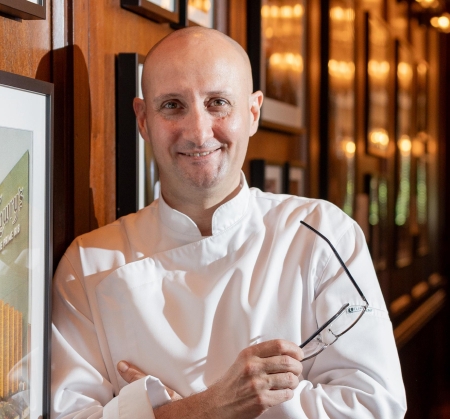
I am Chef Camille, Executive Chef at Lawry’s Jakarta, bringing 30 years of expertise from Michelin-starred kitchens in France and our Beverly Hills original to your table. I am dedicated to preserving the iconic flavors and service standards that have defined Lawry’s since 1938. I personally review every article published here to ensure our content remains true to our mission of culinary excellence.
Reserve Table
Lawry’s Restaurants is the perfect place to begin your venue search for any occasion.
Related Blog
Based on What You Read
Planning Your Family Celebration: Is Lunch or Dinner the Better Choice for a Memorable Event?
Sip Like a Pro: Wine Tasting Etiquette at a Fine Dining Restaurant