
Top 10 Most Expensive Steaks in the World: Are They Worth the Price?
The most expensive steaks in the world are led by Japanese Wagyu, especially A5-grade beef from regions such as Matsusaka, Kobe, Omi, and Shodoshima, where Olive Wagyu is produced. Prices can sit around $100–$250+ per pound at retail, then climb to $300–$600+ per pound once rarity, import costs, restaurant service, and tasting-menu markups enter the picture.
At the very top, price is shaped by three things: breed, scarcity, and process. Some steaks are expensive because the cattle are rare. Some cost more because they are dry-aged for months. Others earn their price because the beef arrives with ceremony, setting, and provenance attached.
The 10 Most Expensive Steaks in the World
1. Matsusaka Wagyu A5
Matsusaka beef comes from Mie Prefecture and is often placed among Japan’s most prized Wagyu brands. A5 Matsusaka can reach several hundred dollars per pound depending on the cut and seller. Its value comes from intense marbling, limited supply, and the reputation of the region.
2. Kobe Beef A5
Kobe beef is Wagyu from Tajima cattle raised and processed under strict Hyogo Prefecture rules. A5 Kobe is one of the most expensive Wagyu steaks, often priced around $300–$600+ per pound in restaurant settings. Its appeal comes from certification, scarcity, and a fat structure that creates a soft, almost buttery texture.
3. Olive Wagyu A5
Olive Wagyu comes from cattle raised on Shodoshima, where the feed includes toasted olive pulp. It is rare even by Wagyu standards, with prices often reaching hundreds of dollars per pound. The beef is known for rich marbling and a distinct umami profile.
4. Omi Beef A5
Omi beef from Shiga Prefecture is another historic Japanese Wagyu brand. It is often sold as premium A5 ribeye, strip, or tenderloin, with price points similar to other top regional Wagyu. Its strength lies in balanced marbling and a long regional reputation.
5. Miyazaki Wagyu A5
Miyazaki Wagyu is a major name in Japanese beef and has gained international recognition for consistency. Retail prices often fall within the broader A5 Wagyu range, though restaurant prices can be much higher. It is prized for even marbling and a cleaner beef flavour than some heavier Wagyu styles.
6. Hokkaido Snow Beef
Hokkaido Snow Beef is valued for its colder-climate origin and fine marbling. It is less common than Kobe or Miyazaki outside Japan, which raises its price when available overseas. Diners pay for rarity as much as flavour.
7. Australian Wagyu MBS 9+
Australian Wagyu is generally less expensive than Japanese A5 but still sits firmly in the premium steak category. High-marbling-score Australian Wagyu can reach $80–$150+ per pound. It offers richness with a more familiar steakhouse bite.
8. American Wagyu
American Wagyu usually comes from Wagyu-Angus crossbreeds. It is often priced lower than Japanese Wagyu, though premium filets and ribeyes can still be expensive. The texture is richer than conventional beef but less fatty than Japanese A5.
9. USDA Prime Dry-Aged Ribeye
Dry-aged USDA Prime ribeye can become one of the most expensive dry aged steak options because aging reduces moisture and trim yield. Prices vary widely, but long-aged versions can exceed $80–$150 per pound. The reward is deeper, nuttier flavour.
10. Côte de Boeuf
Côte de Boeuf is a thick bone-in rib steak, often served for sharing. Standard versions are already premium, but rare vintage examples, such as the famous Polmard version in France, have reached thousands of dollars per serving. Here, the price is about aging, heritage, and theatre.
What Actually Makes a Steak This Expensive?
Breed and Origin
Japanese Wagyu genetics drive many of the world’s highest steak prices. Kobe, Matsusaka, and Omi are not casual labels; they are regional identities tied to strict production standards. Scarcity is built into the system, which is why the name alone can raise the price.
Dry Aging
Dry aging pushes the cost higher because beef loses moisture and weight as it ages. A butcher starts with a large cut but sells less meat after trimming and evaporation. What remains is denser in flavour, with complexity fresh beef cannot mimic.
The Experience Factor
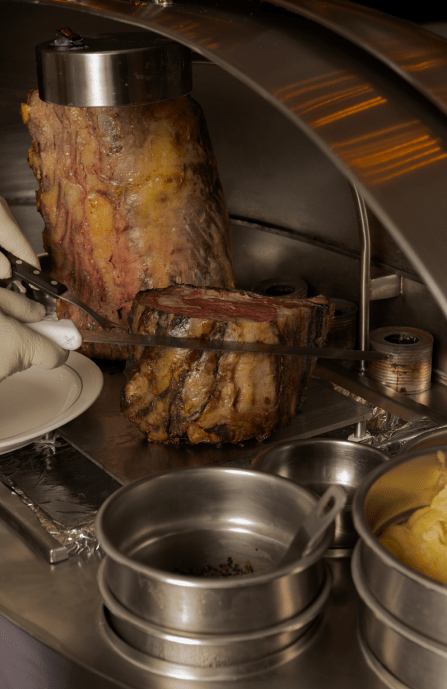
At a certain tier, guests are not paying for protein alone. They are paying for craftsmanship, provenance, timing, and presentation. A standing rib roast carved tableside at a fine dining steakhouse can cost far more than the same cut from a butcher because the ritual becomes part of the value.
So, Are They Worth the Price?
It depends on what you are buying. Japanese Wagyu is genuinely different from regular steak because its marbling changes the texture. Dry-aged steak offers flavour that cannot be rushed. A heritage rib cut served tableside is another category altogether. The question is not only whether the beef is worth a certain price per pound. It is whether the story, setting, and ceremony are worth the evening.
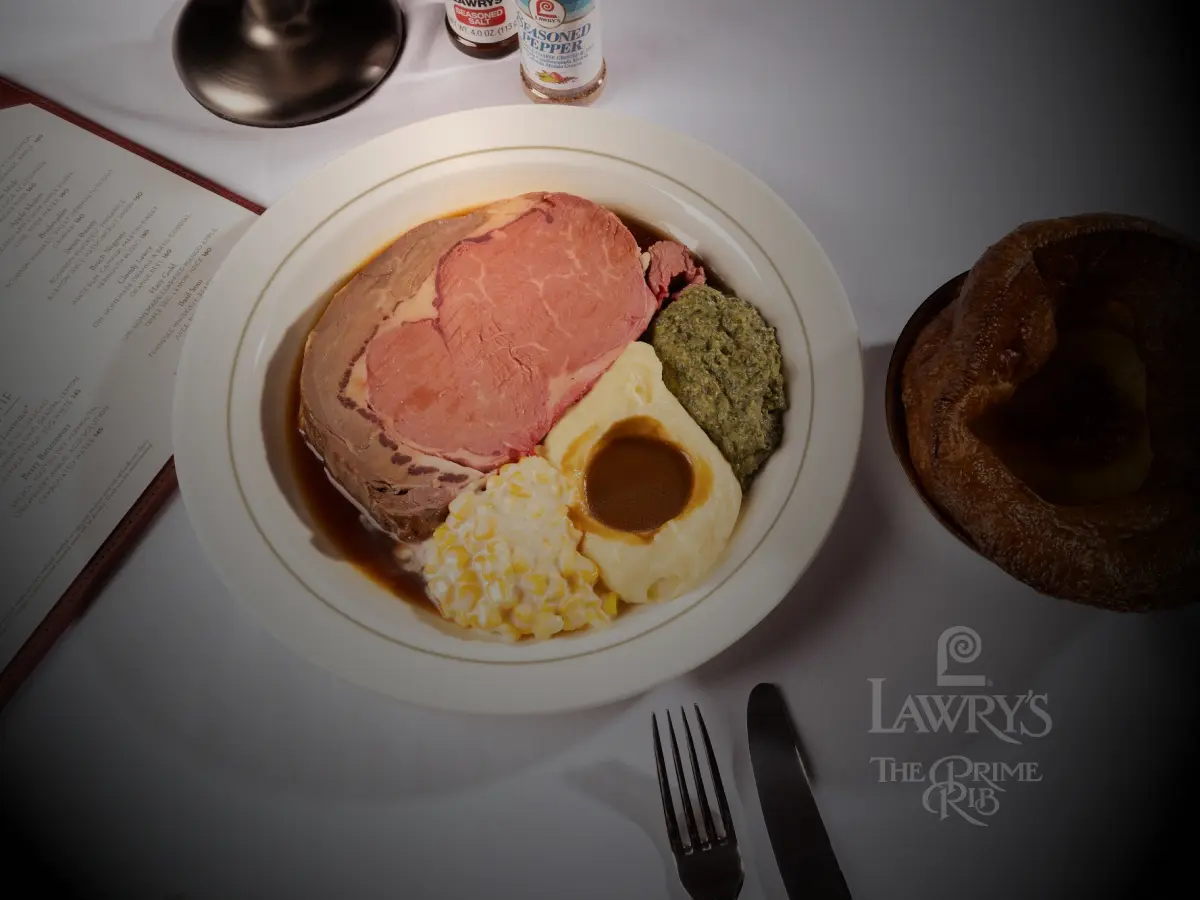
The most expensive steak experiences share one thing: they are defined by craft, provenance, and ritual, not only the cut. Prime rib carved tableside has carried that idea for generations.
Curious about the world’s most prestigious steaks? At Lawry’s The Prime Rib Jakarta, you can explore Wagyu selections, the signature Prime Rib, and a fine dining Jakarta ritual rooted in 1938 steakhouse tradition. Browse Lawry’s menu and book your seat today.
Reserve Table
Lawry’s Restaurants is the perfect place to begin your venue search for any occasion.