
Sip Like a Pro: Wine Tasting Etiquette at a Fine Dining Restaurant
Ordering wine in a fine dining restaurant can feel like being handed a small exam in a nice glass. The list runs long, the ritual has its own rhythm, and half the room can seem oddly confident about swirling on cue.
Wine etiquette is far less dramatic than it looks. It is simply a way to get more pleasure from what is in the glass and to handle the moment with a bit of grace toward the wine, the table, and the staff serving it. Once that clicks, the whole experience feels far less loaded and a lot more enjoyable (trust us on this).
A useful starting point is the classic five-step rhythm of tasting wine: see, swirl, sniff, sip, savor. First, look at the wine’s color and clarity. This gives you a sense of its character before you even taste it. Then swirl the glass gently. This is the move people often imitate without fully understanding it, though it has a practical purpose: swirling exposes more of the wine to air, which helps release its aromas. After that, sniff. The nose matters as much as the palate in wine tasting, since aroma carries much of what people later describe as fruit, spice, oak, florals, or earth. Then take a sip. Let it sit briefly on your palate rather than swallowing too fast. Finally, savor the finish, or what lingers after the sip is gone. Good wine often reveals itself most clearly in that last stage.
Fine dining adds a few extra signals worth understanding. When the server pours a small amount for tasting, the gesture is not a test of whether you personally like the wine. It is a quick confirmation that the bottle is sound and served properly. A calm nod, a brief smell, and a small sip are enough. If something seems off, the right move is not to panic or apologize. Simply mention it politely: the wine smells corked, oxidized, or unusual. Professional staff are there to help. The same principle applies to handling the glass. Hold it by the stem, not the bowl. This keeps fingerprints off the glass, makes swirling easier, and prevents your hand from warming the wine too quickly.
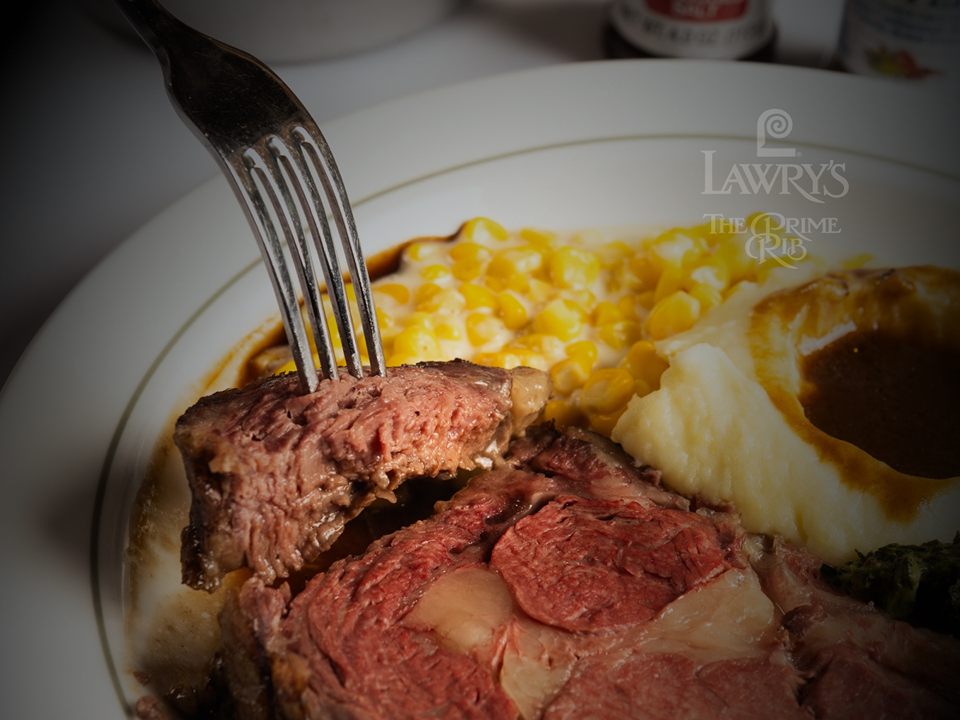
A few basic habits make wine service feel far less tricky. Start with lighter wines and move toward fuller-bodied ones, so your palate does not get bulldozed too early. Ask questions if the grape, style, or pairing is unfamiliar. Take your time, especially when the table is working through more than one bottle or course. Drink water between pours. Match the wine to the food in front of you, because a structured red will usually sit far more comfortably beside steak or prime rib than next to a delicate starter.
A few things are worth avoiding too. Skip heavy fragrance, since it gets in the way of aroma. Do not clutch the bowl of the glass. Do not knock back the tasting pour as though it were iced tea. Do not turn the sommelier into your audience. And do not fake enthusiasm when the wine is not landing for you. Good wine etiquette has less to do with showing off and more to do with paying attention.
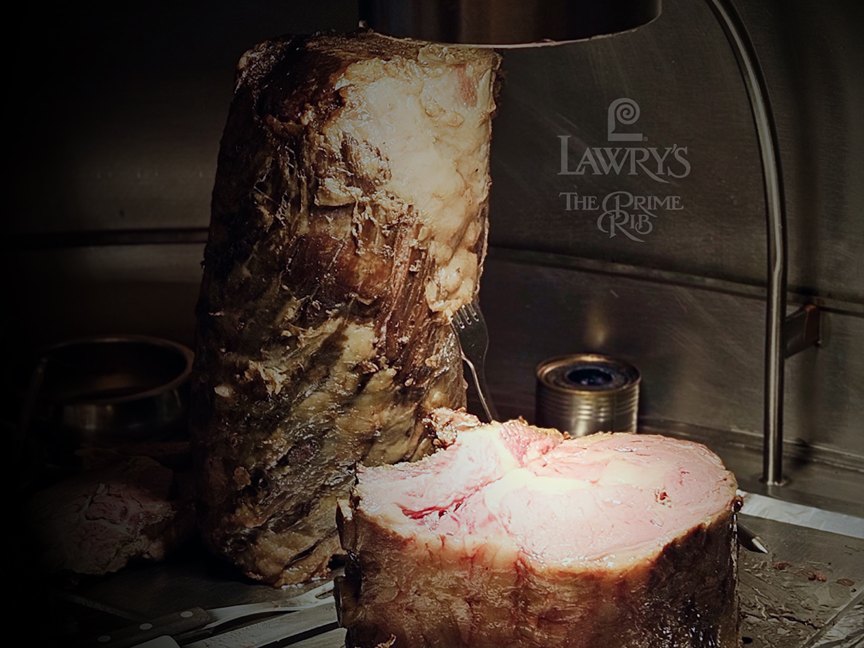
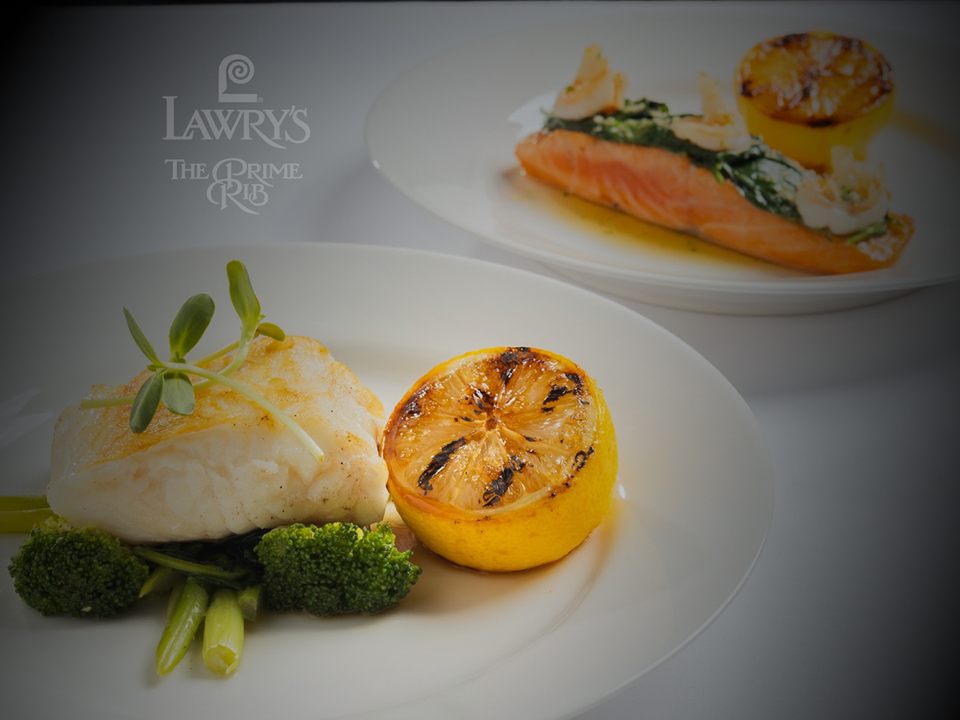
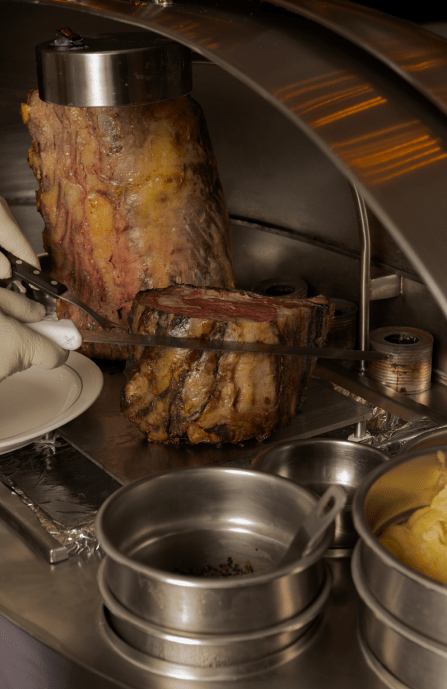
This is where a strong restaurant makes a difference. At a place like Lawry’s The Prime Rib Jakarta, wine service works best when it feels guided rather than intimidating. A curated international wine selection matters, though the staff matters just as much. Good service means helping guests choose a bottle that suits both the dish and the moment, whether the table is ordering seafood, roast beef, or the restaurant’s signature prime rib. For diners exploring fine dining Jakarta, that support is part of what makes wine service feel less formal and more useful. You can browse Lawry’s menu and book your seat when you are ready to try the pairing for yourself.
FAQ
Follow the five-step rhythm: see, swirl, sniff, sip, and savor. Look at the color first, then swirl gently to release the aromas, smell before you sip, let the wine sit briefly on your palate, and pay attention to what lingers after you swallow. That finish often tells you the most about the wine.
Hold it by the stem, not the bowl. This keeps the glass clean from fingerprints, makes swirling easier, and prevents your hand from warming the wine too quickly, which can affect both the temperature and the taste.
Absolutely. Asking questions is part of the experience, not a sign of inexperience. If a grape variety, wine style, or pairing suggestion is unfamiliar, the staff are there to help. A good restaurant will guide you toward something that suits both your taste and the food in front of you.
Reserve Table
Lawry’s Restaurants is the perfect place to begin your venue search for any occasion.