
Fattiest Steak Cuts Ranked by Richness and Marbling
Yes, steak can be fatty, and ribeye is generally the richest common steak cut. USDA-based data cited in the source material places raw ribeye at about 18.4 grams of total fat per 100 grams. That figure can vary depending on the grade, trimming, and exact section of the cut, yet ribeye remains the clearest choice for diners who enjoy pronounced marbling and a juicy texture.
Still wondering where skirt, strip, porterhouse, and sirloin fit in? Keep reading to see how popular steak cuts compare and why the fat you can see does not always reveal the full story
What Type of Fat Is Found in Steak?
Steak contains several forms of fat, though two are especially relevant when choosing a cut.
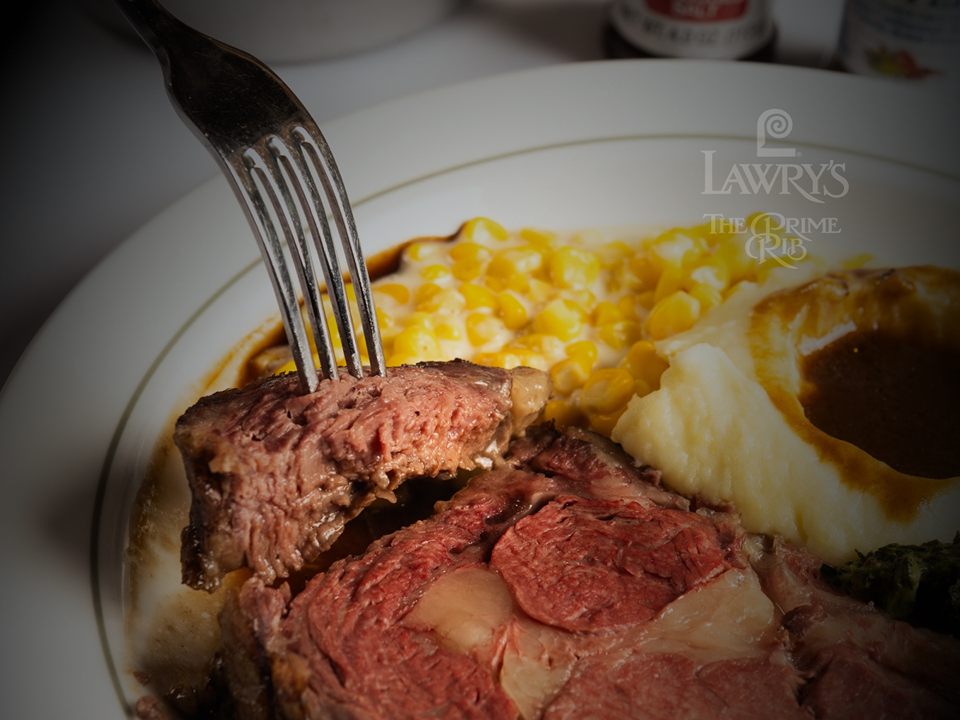
Intramuscular fat is the fine white marbling distributed through the muscle fibers. As the steak cooks, some of this fat renders into the meat, contributing moisture, tenderness, aroma, and a fuller beef flavor. Marbling is considered an important quality indicator because its distribution can improve the eating experience without leaving one large piece of fat on the plate.
External fat sits around the edge of the steak or forms a fat cap over one side. It can protect the meat during cooking and add flavor as it renders, though diners may trim it before or after cooking. Picanha is a familiar example of a cut defined partly by its thick outer cap. Intermuscular fat appears between separate muscle groups. Ribeye often contains both abundant marbling and larger seams of fat because it includes several muscles from the rib section.
Ranking Fatty Steak Cuts
Exact fat levels vary, so this ranking should be treated as a guide rather than a fixed nutritional table.
1. Ribeye
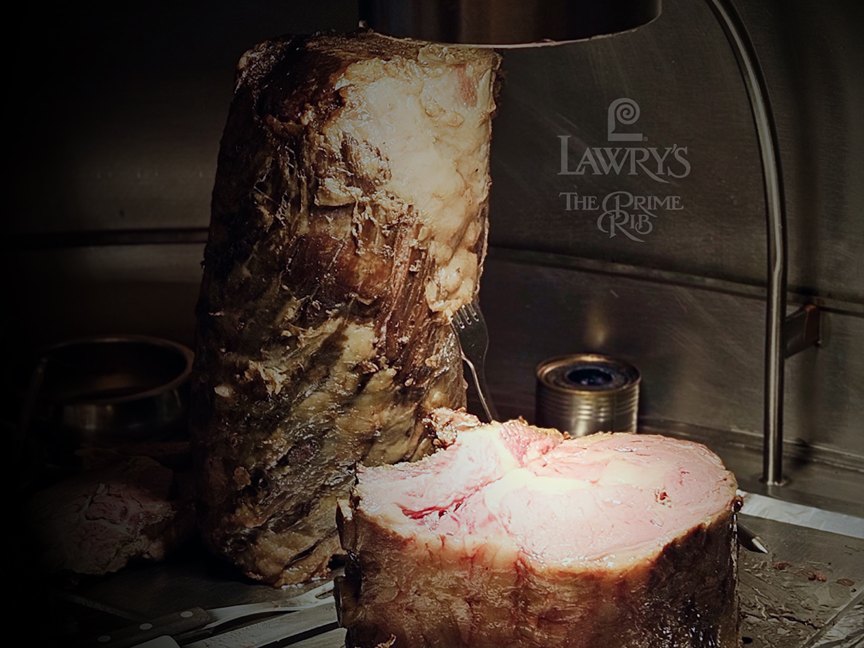
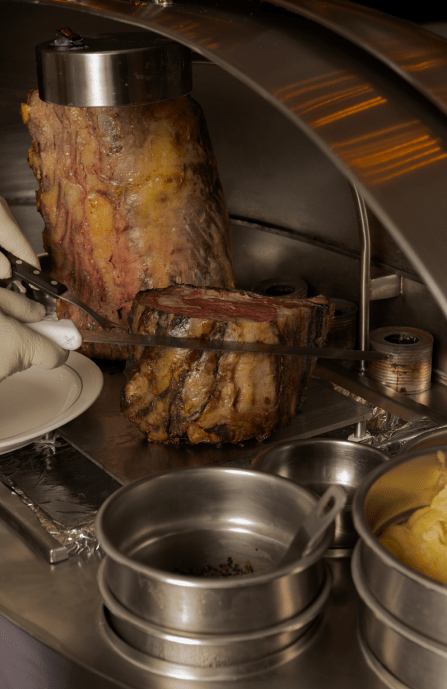
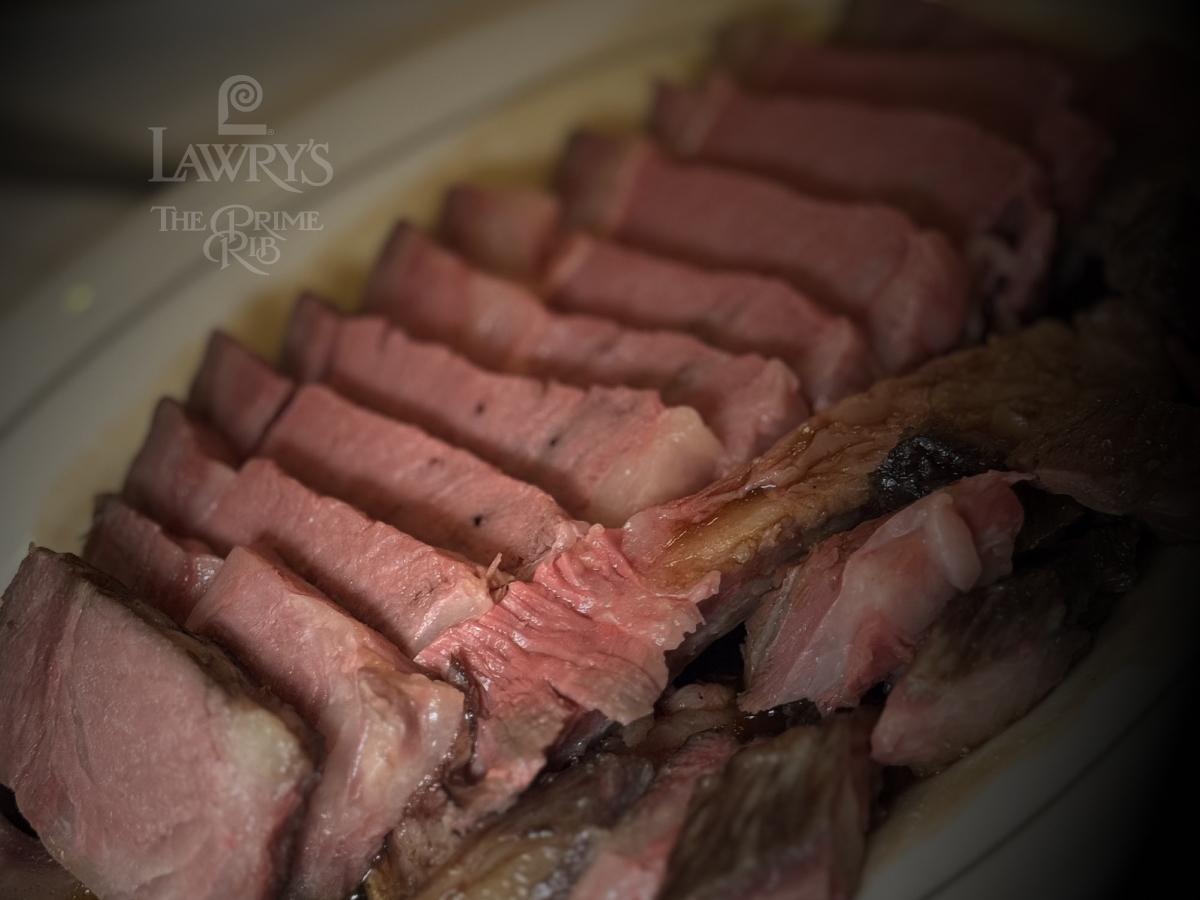
Is ribeye fatty? Yes. Its dense intramuscular marbling and fat between the rib muscles create its characteristic richness. Prime rib comes from the same general section, with the difference largely involving how the beef is cut and cooked.
2. Skirt steak
Is skirt steak fatty? It can be. Outside skirt is generally fattier than inside skirt and may approach ribeye in total fat. Its loose grain also absorbs marinades well and produces a strong beef flavor when cooked quickly.
3. Porterhouse
When it comes to fattines, porterhouse steak sits in the moderate-to-high range. The cut combines strip steak and tenderloin around a T-shaped bone. Most of its richness comes from the strip side, while the tenderloin remains milder and leaner.
4. Flat iron
The fattines in flat iron usually carries moderate marbling. Cut from the shoulder, it offers a good balance of tenderness, beef flavor, and fat without the heavier finish associated with ribeye.
5. Strip steak
The grade in strip steak makes a major difference when it comes to its fat content. A Choice strip may be relatively lean, while a Prime strip can contain considerably more marbling. A visible exterior edge of fat is also common and may be trimmed.
6. Flank steak
Is flank steak fatty? Generally, no. Flank has strong beef flavor and little marbling. Its firmer grain benefits from marinating, fast cooking, and slicing thinly against the grain.
7. Sirloin
Top sirloin is among the leaner steak choices. Other cuts carrying the sirloin name may differ, particularly sirloin cap or picanha, which includes a prominent exterior fat layer.
How Beef Grade Changes the Answer
USDA grading helps indicate marbling. Prime carries the most, followed by Choice and Select. The same cut can therefore move considerably higher or lower in fat depending on its grade.
Wagyu uses additional marbling systems. The Beef Marbling Score generally runs from 1 to 12, with 12 representing the most abundant marbling. Readers interested in how these systems affect flavor, texture, and price can continue with Lawry’s The Prime Rib Jakarta’s guide to beef grades.
Wagyu fat is also known for a different fatty-acid profile. It may contain up to approximately 55 percent oleic acid, a monounsaturated fat also associated with olive oil, compared with roughly 35 to 40 percent in conventional beef. Certified Angus Beef may also be well marbled when it meets higher grading standards, though Wagyu is particularly recognized for both marbling density and oleic-acid content. Portion size and overall dietary balance still remain important considerations.
Guests exploring fine dining Jakarta can find an example in the Wagyu MB5 Filet Mignon listed on Lawry’s menu. The cut combines filet tenderness with controlled Wagyu marbling, offering richness without the heavier structure of ribeye.
For diners ready to compare premium beef firsthand, book your seat at Lawry’s The Prime Rib Jakarta and experience how cut, grade, and marbling shape each serving.
Reserve Table
Lawry’s Restaurants is the perfect place to begin your venue search for any occasion.