
Is Steak Tartare Safe to Eat? Everything About This Classic Dish
There is something unapologetically elegant about steak tartare. The raw confidence of a dish that relies on nothing but the purity of good beef, the skill of the knife, and the courage of the diner.
This French classic, often seen in bistros and fine dining restaurants, is made from finely chopped or minced raw beef tenderloin mixed with capers, shallots, mustard, herbs, and a glossy raw egg yolk. Served with toast or fries, it is both rustic and refined, a dish that celebrates the natural flavor and texture of beef in its purest form.
The origin of steak tartare is as fascinating as its flavor. Its earliest roots trace back to the Mongol and Turkic tribes known as the Tartars, who reputedly ate raw, shredded meat during their travels. The French later refined this practice into “steak à l’Americaine,” a bistro staple in late-19th-century Paris often served with tartar sauce, the pairing that eventually gave the dish its name. Today, steak tartare stands as a symbol of culinary sophistication, appreciated by gourmands who understand that minimalism can be its own form of luxury.
Making steak tartare begins with the single most important ingredient, quality. Only whole cuts of premium beef such as tenderloin or top sirloin should be used. The meat must be freshly cut by hand with a sharp, sanitized knife, never ground or pre-minced, as grinding exposes more surface area to bacteria. The chopped beef is then seasoned with Dijon mustard, Worcestershire sauce, salt, pepper, chopped shallots, cornichons, parsley, and capers. Some chefs dress it with olive oil, while others prefer homemade mayonnaise to lend a velvety richness. Finally, a raw egg yolk is placed on top, adding a golden gloss and creamy texture that binds everything together. The result is smooth yet textured, savory yet delicate.
But is steak tartare safe to eat?
The answer lies in technique and hygiene. Since the dish is raw, there is always a degree of risk, but one that can be minimized by following strict safety standards.
Begin by sourcing the beef from a reputable butcher or trusted high-end grocer. Communicate that it will be served raw so they can provide the freshest, properly handled cut. Keep the beef refrigerated at all times, ideally below 40°F (4°C), and avoid any cross-contamination in your kitchen by using clean surfaces, sanitized knives, and gloves. Chop the beef only just before serving and consume it immediately, tartare should never be left to sit or stored as leftovers. For added assurance, some chefs briefly sear the outside of the beef to kill surface bacteria while keeping the interior raw, a practice that enhances both safety and flavor.
It’s also important to note that steak tartare should be avoided by pregnant women, young children, the elderly, or anyone with compromised immunity. For everyone else, when prepared correctly, it can be safely enjoyed as one of gastronomy’s great pleasures, after all, this is a dish that rewards attentiveness with unparalleled taste.
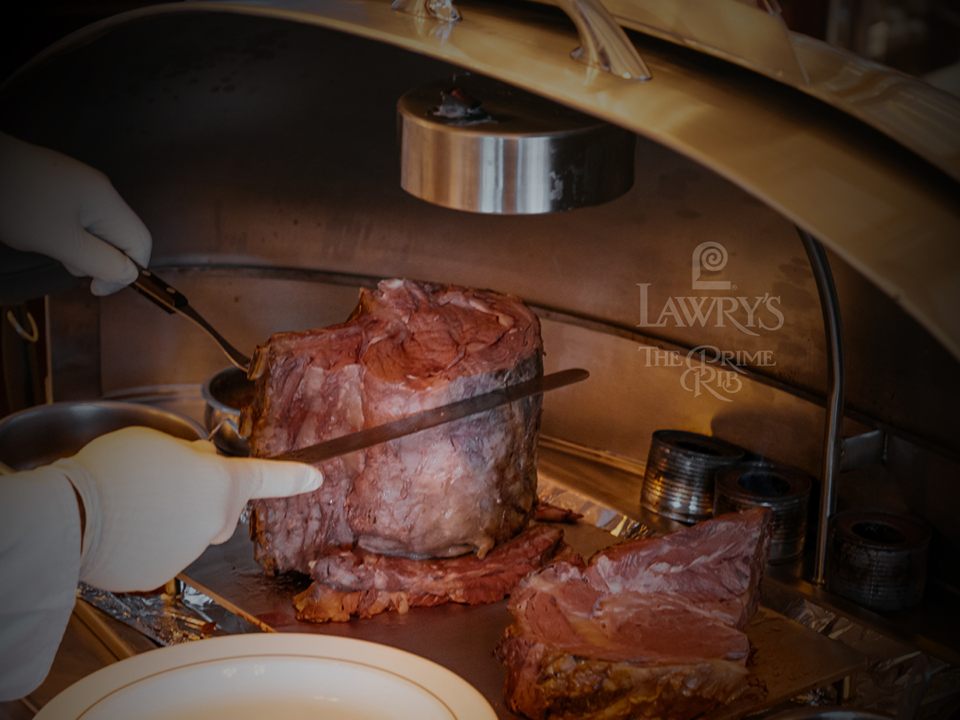
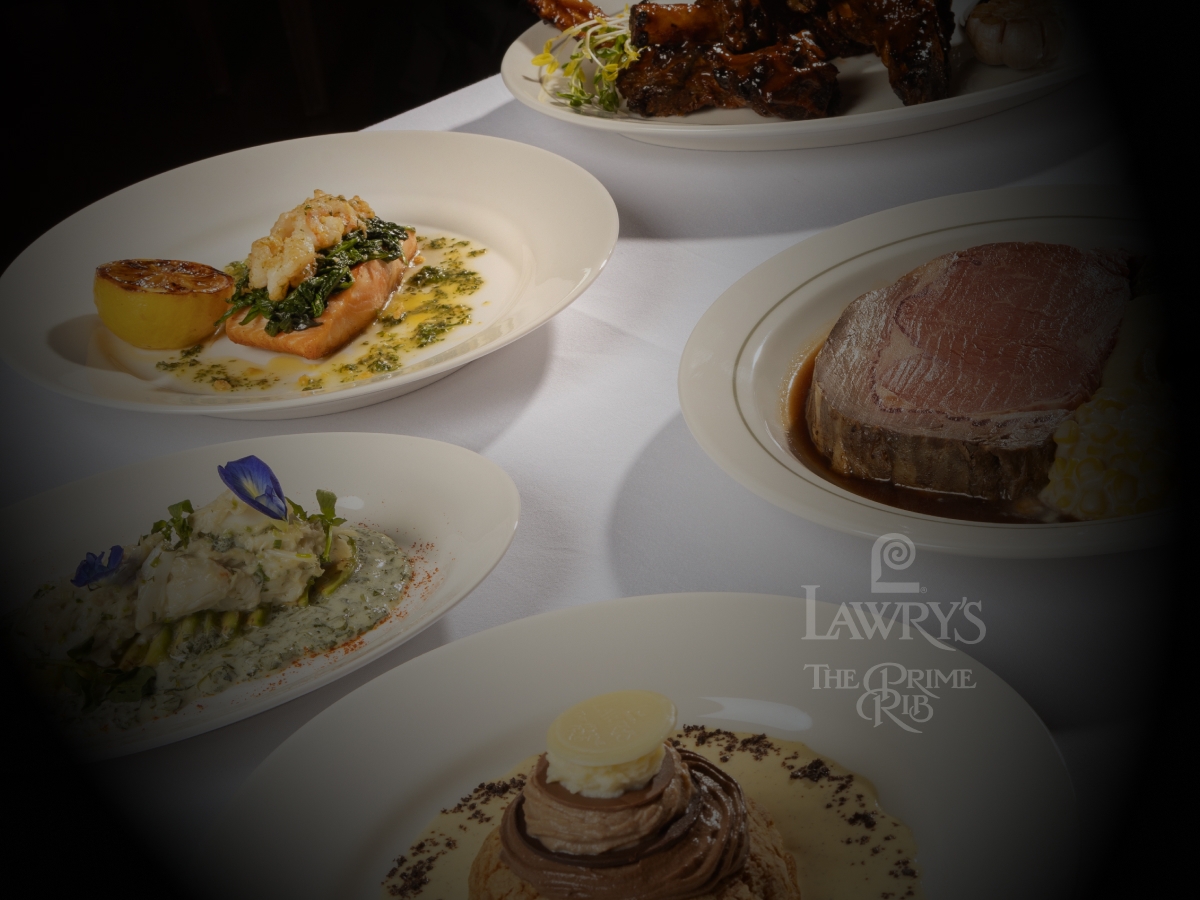
Whether you’re a culinary purist or a curious diner, few experiences compare to enjoying perfectly seasoned steak tartare or a beautifully roasted prime rib in a refined setting. For those in search of an unforgettable dining experience, visit Lawry’s The Prime Rib Jakarta, where timeless recipes meet modern elegance. Explore the Lawry’s menu and elevate your evening of fine dining in Jakarta, or book your seat for a taste of a tradition redefined!
FAQ
Steak tartare can be safe to eat if prepared with strict hygiene standards, using quality beef from a reputable source and consuming it immediately after preparation to minimize any risk associated with consuming raw meat.
Steak tartare is typically made from finely chopped raw beef tenderloin, mixed with Dijon mustard, Worcestershire sauce, salt, pepper, chopped shallots, capers, and topped with a raw egg yolk. Some variations include parsley, cornichons, and olive oil or homemade mayonnaise.
The origin of steak tartare traces back to the Mongol and Turkic tribes known as the Tartars, who reputedly consumed raw, shredded meat. The French later refined this into 'steak à l'Americaine,' a bistro staple in late-19th-century Paris.
Steak tartare should be avoided by pregnant women, young children, the elderly, and anyone with compromised immunity due to the potential risks associated with consuming raw meat.
To enhance the safety of eating steak tartare, use quality beef from a reputable source, store it properly below 40°F (4°C), avoid cross-contamination in the kitchen, and consume the dish immediately after preparation. Some chefs also briefly sear the outside of the beef to kill surface bacteria while keeping the interior raw.
Reserve Table
Lawry’s Restaurants is the perfect place to begin your venue search for any occasion.