
What is the Red Juice That Came Out From Your Steak?
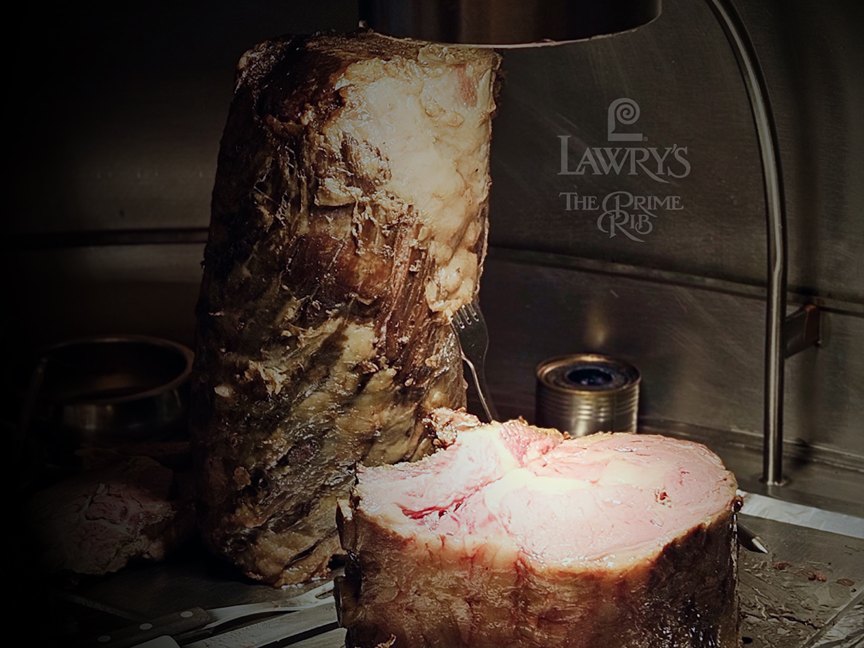
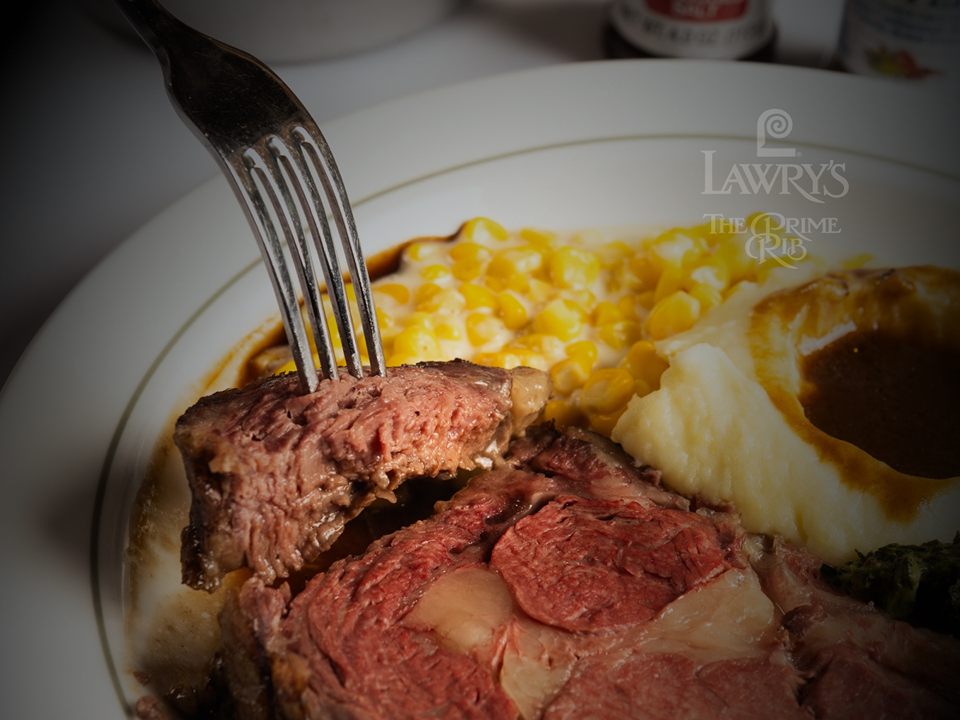
If you’ve ever sliced into a steak and noticed a crimson liquid seeping onto your plate, you might have thought, “Is this blood?” Don’t worry– your steak isn’t trying to haunt you. It is a common assumption that people tend to mistake it for blood, but it is actually myoglobin, a protein that, unlike hemoglobin (its blood-associated cousin), has nothing to do with your circulatory system and everything to do with muscle. Let’s dive into the juicy details (pun absolutely intended).
So, What Is Myoglobin?
Myoglobin is a protein found in muscle tissue, responsible for storing and transporting oxygen to muscle cells. Its iron content gives it a red hue, which is why meats rich in myoglobin are called “red meats.” Beef and lamb, for instance, have high myoglobin levels, while chicken breast (with almost no myoglobin) is categorized as white meat.
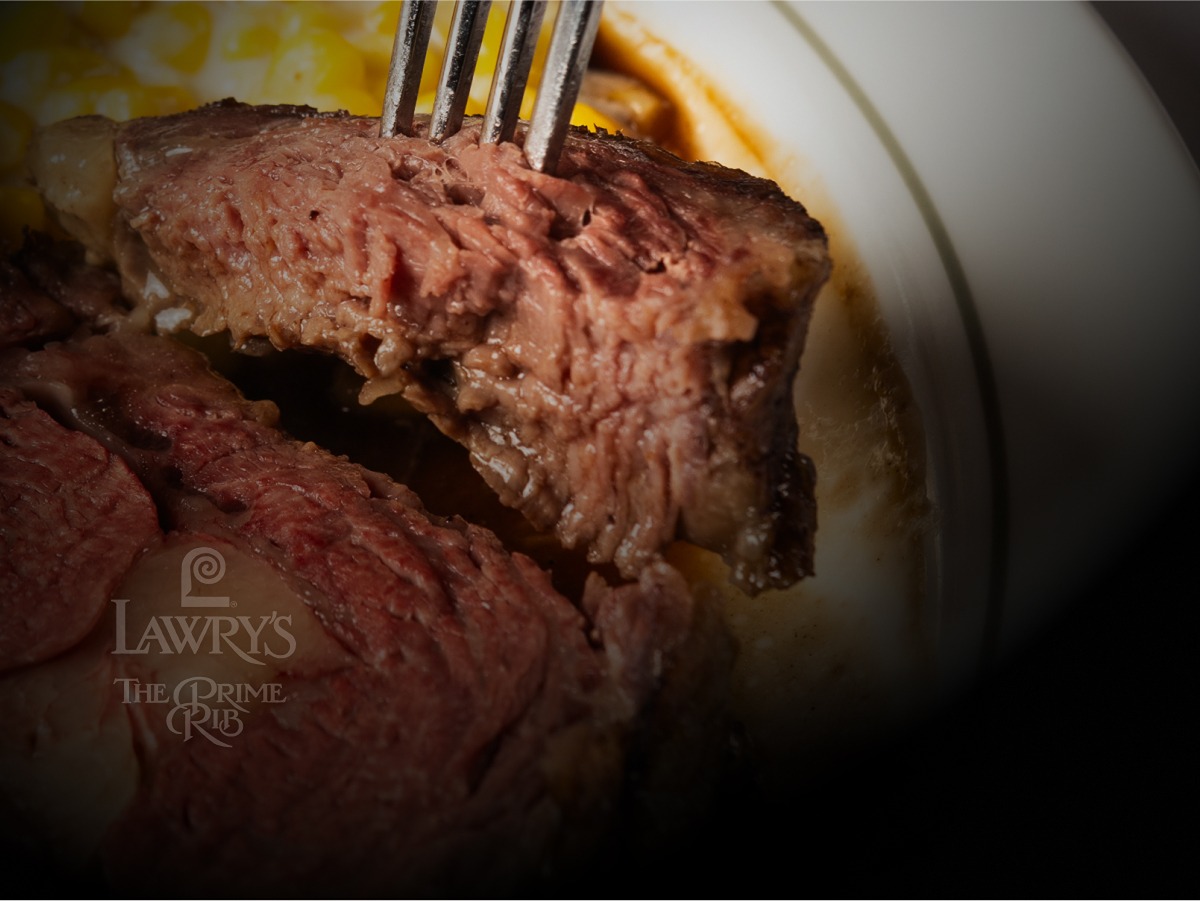
When you cut into a rare or medium-rare steak, the myoglobin in the muscle tissue—mixed with water that makes up 75% of meat—leaks out, creating that reddish liquid. For those suspicious of “bloody” steaks, take comfort: during processing, virtually all the blood is drained from the meat. What’s left is merely myoglobin doing its thing.
Why Does Steak Look Different at Various Doneness Levels?
Myoglobin is also the reason steak changes color as it cooks. At rare temperatures, myoglobin retains its bright red color, giving the steak that fresh, “bloody” appearance. As the heat increases, myoglobin reacts and darkens:
- Rare/Medium-Rare: Bright red juices. Myoglobin hasn’t changed much yet.
- Medium: The protein transforms into hemichrome, producing a tan or light brown interior.
- Well-Done: By this point, myoglobin has fully broken down into metmyoglobin, resulting in a grayish color and (let’s face it) a less juicy bite.
The higher the internal temperature, the drier the meat becomes as water and myoglobin evaporate. So if your steak resembles a hockey puck, don’t blame the cow—blame overcooking.
Tips for Keeping Your Steak Juicy
Now, after talking about the doneness of the steak and how juicy it is. If there’s one thing steak enthusiasts agree on, it’s that a juicy steak is a delicious steak. Here’s how to make the most of your cut:
- Let is Rest: After cooking, let your steak rest for 5-10 minutes. This allows the juices to redistribute throughout the meat, keeping it tender. Cutting into it immediately will result in all those precious juices pooling on your plate.
- Don’t Overcook It: To keep things moist and flavorful, aim for medium-rare or medium. These levels balance flavor and juiciness without over-drying the steak. (Learn more about the steak doneness level on the Lawry’s menu for a perfect guide.)
- Choose Quality Cuts: Cuts with higher fat content, like ribeye, often have more myoglobin and natural moisture. This is your go-to for tender, juicy bites. Pro tip: If you’re buying steak from a store, avoid packages with too much liquid (known as “purge”)—this could mean the meat’s freshness has taken a hit.
- Cook Smart: Avoid poking or cutting into the meat while it’s cooking, as this can cause juices to escape prematurely.
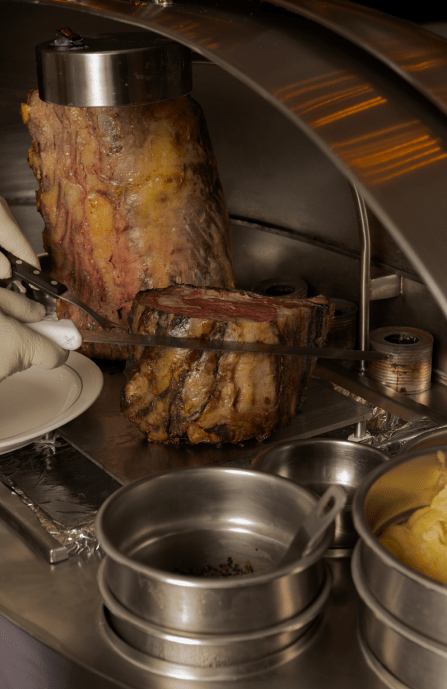
Now that you’re equipped with the truth about the “red juice,” it’s time to set your squeamishness aside and indulge in the best. Whether you crave a perfectly cooked prime rib or a melt-in-your-mouth steak, Lawry’s The Prime Rib Jakarta offers a dining experience like no other. Known for its exceptional service, attention to detail, and a menu that caters to steak lovers of all doneness preferences, Lawry’s is your go-to destination for fine dining in Jakarta.
FAQ
1. Is the red liquid in steak actually blood?
No, it’s not blood. It’s myoglobin, a protein found in muscle tissue that helps store and transport oxygen.
2. Why does steak change color as it cooks?
Myoglobin reacts to heat. Rare steak stays red, medium turns light brown, and well-done becomes gray due to myoglobin breakdown.
3. How can I keep my steak juicy?
Let it rest before cutting, avoid overcooking, choose quality cuts, and don’t poke or cut while cooking.
Reserve Table
Lawry’s Restaurants is the perfect place to begin your venue search for any occasion.