Prime Rib vs. Ribeye: Understanding the Key Differences
Prime rib and ribeye get mixed up all the time, which is fair. They come from the same prized part of the cow. After that, they part ways quickly. Prime rib arrives as a roast, carved in slices and built for the table. Ribeye is cut as a steak and cooked for a darker crust and a more direct hit of beef. Same rib section, two very different moods.
That difference is not only where the meat comes from, but what the butcher does with it, how the kitchen handles it, and how those choices shape the final plate. Once you understand the cut, the cooking, and the style of service, prime rib and ribeye stop looking interchangeable. Here’s a closer explanation!
Table of Contents
TogglePrime Rib
Prime rib is a larger cut taken from the primal rib section of the cow, located along the upper rib area behind the shoulder and before the loin. This section does not work as hard as muscles from the leg or shoulder, which helps explain why prime rib is naturally tender. It is often served as a standing rib roast, especially when prepared bone-in.
The name can be confusing. “Prime rib” refers to the cut, not automatically to USDA Prime grading. A prime rib roast can come in different grades, though higher-quality beef such as USDA Prime is often chosen for its marbling, tenderness, and richer flavor.
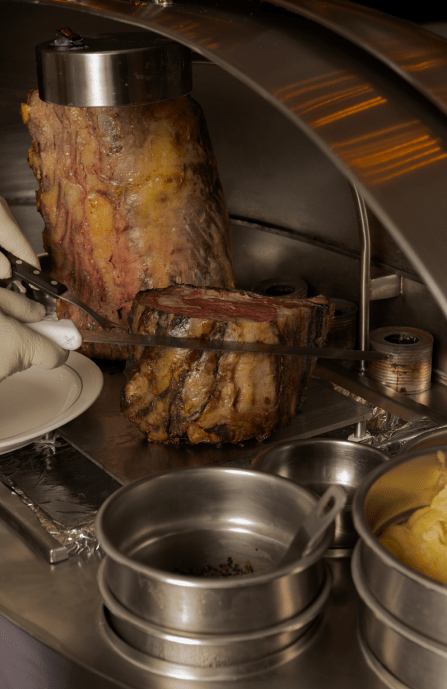
Prime rib is most commonly prepared through slow roasting. Instead of being sliced into steaks before cooking, the roast is cooked whole, often with the bone still attached. The bone-in presentation adds visual weight to the dish and helps support the roast during cooking. Many chefs also value the bones for the flavor they can bring to the jus or sauce served alongside the meat.
Texture is where prime rib earns much of its reputation. Slow roasting gives the fat time to render and the meat time to relax into a juicy, tender finish. The fat cap also plays an important role. As it cooks, it bastes the meat naturally, adding richness and moisture. A properly roasted prime rib should feel soft without falling apart, with enough structure to hold a clean slice.
Prime rib also carries a long association with celebratory dining. It is large, generous, and often carved for more than one person, making it a natural centerpiece for holidays, formal dinners, and special gatherings. It arrives with a sense of occasion. The carving, the jus, the sides, the thick slices – everything about it leans toward a shared meal.
Ribeye
Ribeye also comes from the primal rib section, which is why it shares many of the same qualities as prime rib. The main difference is how it is cut and cooked. Ribeye is usually sliced into individual steaks before it reaches the grill or pan. It is often served boneless, though bone-in ribeye, cowboy steak, and tomahawk cuts are also popular variations.
A ribeye contains the eye of the rib, along with areas such as the rib cap, depending on the specific cut. This section is known for generous marbling, which gives the steak its bold flavor and juicy bite. When cooked over high heat, that marbling melts into the meat and helps create a rich, beefy character.
Ribeye is usually grilled, seared, broiled, or cooked in a hot cast-iron pan. These methods create a deeper crust than slow roasting. That crust is one of the main reasons ribeye has such a strong steakhouse identity. The outside becomes browned and savory, while the inside stays juicy when cooked properly.
Compared with prime rib, ribeye often has a more pronounced chew. It is still tender, especially when well-marbled, but the high-heat cooking method gives it a firmer, more direct bite. The flavor can also feel more intense because of the sear. You get smoke, char, rendered fat, and beefiness in a compact individual portion.
That versatility keeps ribeye high on steakhouse menus. It works for quick grilling, classic steak dinners, bone-in presentations, and indulgent cuts made for sharing. It is familiar without feeling plain, rich without needing much decoration, and satisfying for diners who want the classic steak experience.
Key Differences
The biggest difference between prime rib and ribeye is the cooking method. Prime rib is usually slow-roasted as a whole roast, then sliced for service. Ribeye is cut into steaks first, then cooked quickly over high heat. Prime rib depends on patience and even heat. Ribeye depends on sear, timing, and surface browning.
Presentation also separates the two. Prime rib is often served as a larger roast, sometimes bone-in, with slices carved to order. It has a grander, more traditional presence at the table. Ribeye is typically served as an individual steak, plated with sides and sauce according to personal preference.
Flavor and texture follow those methods. Prime rib tends to be tender, juicy, and rich from slow roasting. The bite is softer, and the fat has time to melt gently through the meat. Ribeye has more crust, more char, and a stronger steakhouse flavor. Its marbling gives it richness, while the sear adds a satisfying chew and deeper roasted notes.
The overall dining experience is different too. Prime rib feels celebratory and communal. It suits long dinners, special occasions, and guests who enjoy the ritual of a carved roast. Ribeye feels more personal and direct. It is the steakhouse classic: one cut, one plate, one preferred doneness.
Choosing between them depends on what you want from the meal. For a generous roast with a sense of ceremony, prime rib is the stronger choice. For a bold, seared steak with a rich crust and individual serving style, ribeye delivers!
For diners looking for fine dining in Jakarta, Lawry’s The Prime Rib offers both the pleasure of classic prime rib and the appeal of expertly prepared steaks, paired with drinks and a polished dining setting. Explore Lawry’s menu to see the available cuts and pairings, then book your seat for a meal built around beef, service, and the pleasure of a well-made plate.
Prime Rib vs. Ribeye, Memahami Perbedaan Utamanya
Prime rib dan ribeye memang sering dianggap sama, dan itu bisa dimengerti karena keduanya berasal dari bagian sapi yang sama, yaitu rib. Namun setelah itu, karakternya mulai berbeda. Prime rib biasanya disajikan dalam bentuk roast besar yang diiris saat penyajian, sehingga lebih lekat dengan suasana makan bersama. Sementara ribeye dipotong menjadi steik individual lalu dimasak untuk menghasilkan lapisan luar yang lebih berkerak dan rasa daging yang terasa lebih tegas. Jadi meskipun asalnya sama, pengalaman makannya jelas berbeda.
Perbedaannya bukan cuma soal dari mana daging itu berasal, tetapi juga soal bagaimana daging dipotong, bagaimana dapur menanganinya, dan bagaimana semua keputusan itu akhirnya terasa di piring. Begitu memahami potongannya, cara memasaknya, dan gaya penyajiannya, prime rib dan ribeye tidak lagi terlihat seperti dua hal yang bisa dipertukarkan begitu saja.
Prime Rib
Prime rib adalah potongan besar yang diambil dari bagian primal rib sapi, tepatnya di area tulang rusuk bagian atas, di belakang bahu dan sebelum loin. Bagian ini tidak bekerja sekeras otot di kaki atau bahu, dan itu membantu menjelaskan kenapa prime rib secara alami lebih empuk. Potongan ini juga sering disajikan sebagai standing rib roast, terutama dalam versi bone-in.
Namanya memang bisa sedikit membingungkan. Istilah “prime rib” merujuk pada jenis potongannya, bukan otomatis berarti dagingnya memiliki grading USDA Prime. Prime rib roast bisa hadir dalam beberapa tingkat kualitas, meski daging dengan kualitas lebih tinggi seperti USDA Prime memang sering dipilih karena marbling, keempukan, dan rasa yang lebih kaya.
Prime rib paling sering dimasak dengan metode slow roasting. Jadi, daging tidak dipotong menjadi steik lebih dulu, melainkan dipanggang utuh, sering kali dengan tulang yang masih menempel. Penyajian bone-in memberi bobot visual yang lebih kuat pada hidangan dan membantu menopang roast selama proses memasak. Banyak chef juga menghargai tulangnya karena bisa memberi rasa tambahan pada jus atau saus yang disajikan bersama daging.
Di sinilah prime rib membangun reputasinya, yaitu lewat tekstur. Proses slow roasting memberi waktu bagi lemak untuk meleleh perlahan dan membuat daging berakhir juicy dan empuk. Lapisan lemak di bagian atas juga punya peran penting. Saat dimasak, lemak ini membasahi daging secara alami, menambah rasa kaya dan kelembapan. Prime rib yang dipanggang dengan benar seharusnya terasa lembut tanpa hancur, tetap punya struktur saat diiris, dan menghasilkan potongan yang bersih.
Prime rib juga punya hubungan yang kuat dengan suasana perayaan. Potongannya besar, terasa royal, dan sering diiris untuk lebih dari satu orang, jadi sangat cocok dijadikan pusat perhatian saat hari raya, makan malam formal, atau acara spesial. Hidangan ini datang dengan nuansa acara penting. Proses carving, jus, side dish, sampai irisan tebalnya, semuanya terasa dibuat untuk dinikmati bersama.
Ribeye
Ribeye juga berasal dari bagian primal rib, itulah kenapa banyak kualitasnya mirip dengan prime rib. Perbedaan utamanya ada pada cara potong dan cara masaknya. Ribeye biasanya sudah dipotong menjadi steik individual sebelum masuk ke grill atau wajan. Potongan ini sering disajikan tanpa tulang, meski variasi bone-in ribeye, cowboy steak, dan tomahawk juga cukup populer.
Dalam satu potong ribeye, biasanya ada bagian utama eye of the rib dan kadang area lain seperti rib cap, tergantung potongannya. Bagian ini dikenal karena marbling-nya yang berlimpah, yang memberi rasa daging lebih kuat dan tekstur yang juicy. Saat dimasak dengan panas tinggi, marbling itu meleleh ke dalam daging dan membentuk karakter rasa sapi yang kaya dan tegas.
Ribeye biasanya dimasak dengan cara dipanggang, di-sear, di-broil, atau diolah dalam wajan cast-iron yang sangat panas. Metode-metode ini menghasilkan kerak yang lebih dalam dibanding slow roasting. Kerak inilah salah satu alasan utama kenapa ribeye sangat identik dengan pengalaman makan di steakhouse. Bagian luarnya menjadi lebih cokelat dan gurih, sementara bagian dalamnya tetap juicy kalau dimasak dengan tepat.
Dibanding prime rib, ribeye biasanya punya gigitan yang lebih terasa. Potongan ini tetap empuk, apalagi kalau marbling-nya bagus, tapi metode masak panas tinggi memberi tekstur yang lebih tegas dan lebih langsung. Rasanya juga cenderung terasa lebih kuat karena efek sear. Ada rasa asap, char, lemak yang meleleh, dan rasa sapi yang padat dalam satu porsi individual.
Fleksibilitas inilah yang membuat ribeye selalu punya tempat di menu steakhouse. Potongan ini cocok untuk grilling cepat, makan malam steik klasik, penyajian bone-in, sampai potongan mewah untuk dibagi bersama. Rasanya akrab tapi tidak membosankan, kaya tanpa perlu terlalu banyak hiasan, dan memuaskan untuk tamu yang menginginkan pengalaman steik klasik.
Perbedaan Utama
Perbedaan terbesar antara prime rib dan ribeye ada pada cara memasaknya. Prime rib biasanya dipanggang utuh terlebih dahulu, lalu diiris saat penyajian. Ribeye justru dipotong menjadi steik sejak awal, lalu dimasak cepat dengan panas tinggi. Prime rib mengandalkan kesabaran dan panas yang merata. Ribeye mengandalkan sear, ketepatan waktu, dan pencokelatan permukaan.
Dari sisi penyajian, keduanya juga punya karakter yang berbeda. Prime rib biasanya disajikan sebagai roast besar, kadang dalam versi bone-in, lalu diiris sesuai pesanan. Kehadirannya di meja terasa lebih megah dan lebih tradisional. Ribeye biasanya datang sebagai steik individual, dipadukan dengan side dish dan saus sesuai selera.
Rasa dan teksturnya pun mengikuti metode itu. Prime rib cenderung lebih empuk, juicy, dan kaya karena dimasak perlahan. Gigitannya lebih lembut, dan lemaknya punya waktu untuk meleleh perlahan ke seluruh daging. Ribeye punya lebih banyak kerak, lebih banyak rasa char, dan karakter steakhouse yang lebih tegas. Marbling-nya memberi kekayaan rasa, sementara sear-nya menambah gigitan yang memuaskan dan nuansa panggang yang lebih dalam.
Pengalaman makannya juga terasa berbeda. Prime rib cenderung terasa lebih meriah dan komunal. Potongan ini cocok untuk makan malam panjang, acara khusus, dan tamu yang menikmati ritual carved roast. Sementara ribeye terasa lebih personal dan langsung. Inilah steik klasik steakhouse, satu potong, satu piring, satu tingkat kematangan pilihan.
Jadi, pilihan di antara keduanya benar-benar tergantung pada pengalaman makan seperti apa yang Anda cari. Kalau Anda menginginkan roast yang royal dan punya kesan seremonial, prime rib adalah pilihan yang lebih kuat. Kalau Anda lebih suka steik yang tegas, di-sear dengan baik, punya kerak kaya rasa, dan hadir dalam porsi individual, ribeye akan lebih memuaskan.
Bagi tamu yang mencari pengalaman fine dining di Jakarta, Lawry’s The Prime Rib menghadirkan kenikmatan prime rib klasik sekaligus daya tarik steik yang dimasak dengan tepat, lengkap dengan pilihan minuman dan suasana makan yang rapi. Anda bisa melihat pilihan potongan dan pasangannya di menu Lawry’s, lalu melakukan reservasi untuk menikmati hidangan yang dibangun dari kualitas daging, pelayanan, dan kepuasan sederhana dari sepiring makanan yang dibuat dengan benar.
FAQ
Prime rib tends to have a softer, more yielding bite because slow roasting gives the fat time to render gently and the fibers time to relax. Ribeye is still tender, especially when well-marbled, but the high-heat cooking method produces a firmer bite and a more pronounced crust. The texture difference comes down to the cooking method as much as the cut itself.
Choose prime rib when the occasion calls for something generous and ceremonial. It suits long dinners, celebrations, and guests who enjoy the ritual of a carved roast served with jus and sides. Choose ribeye when you want something more personal and direct, a bold individual steak with a rich crust and the classic steakhouse experience on one plate.
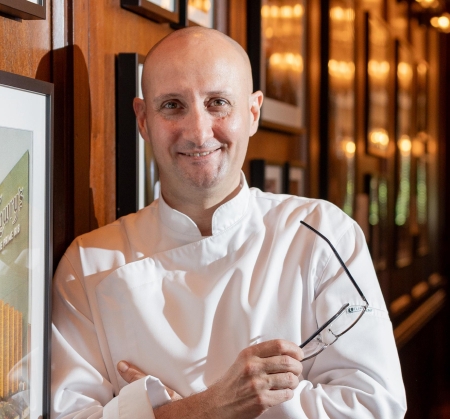
I am Chef Camille, Executive Chef at Lawry’s Jakarta, bringing 30 years of expertise from Michelin-starred kitchens in France and our Beverly Hills original to your table. I am dedicated to preserving the iconic flavors and service standards that have defined Lawry’s since 1938. I personally review every article published here to ensure our content remains true to our mission of culinary excellence.
Reserve Table
Lawry’s Restaurants is the perfect place to begin your venue search for any occasion.
Related Blog
Based on What You Read
What Defines a “Perfect” Prime Rib? Here’s What Our Chef Says
Steak Texture Masterclass: The Science of the Perfect Bite