Duck Confit Explained: A Classic French Dish Worth Knowing
What is duck confit? Duck confit is duck leg that’s cured with salt and aromatics, then slowly cooked in duck fat until the meat turns tender and rich, before being crisped right before serving. It started as a preservation method, but it stuck around because the results taste great and reheat well. If you’ve seen “confit de canard” on menus and wondered what makes it special, here’s the simple breakdown.
Duck confit begins with time and restraint. There’s no fast shortcut that delivers the same texture. The process is built on two steps: curing and slow cooking. First, the duck legs are salted (often around 1.5% of the meat’s weight) then left to rest in the refrigerator for 12 to 24 hours with classic aromatics like thyme, bay leaf, black pepper, and garlic. This isn’t just seasoning. The salt firms the meat slightly, draws out a little moisture, and sets the stage for an even cook.
After curing, the duck is wiped clean and dried, then submerged in duck fat and cooked at a very low temperature. Many traditional methods keep the fat around 35–38°C, holding it there for roughly 2.5–3 hours until a fork slides in easily. Some oven approaches go even longer at a similarly gentle heat. Either way, the goal is the same, to soften connective tissue without tightening the meat. The duck fat acts as a temperature buffer, so the cooking stays steady and the meat doesn’t dry out.
That slow, fat-based cook is what defines confit. The meat becomes silky and shreddable, but it still holds together. The flavor is deeper than roasted duck, with a savory richness that lingers. It’s not “greasy” when done right; it’s concentrated, because fat carries aroma and rounds out sharp edges from herbs and spices. You’ll often taste warm notes from thyme and bay, a mild sweetness if a pinch of sugar was used in the cure, and a gentle garlic background when the cloves are kept in large pieces and removed before serving.
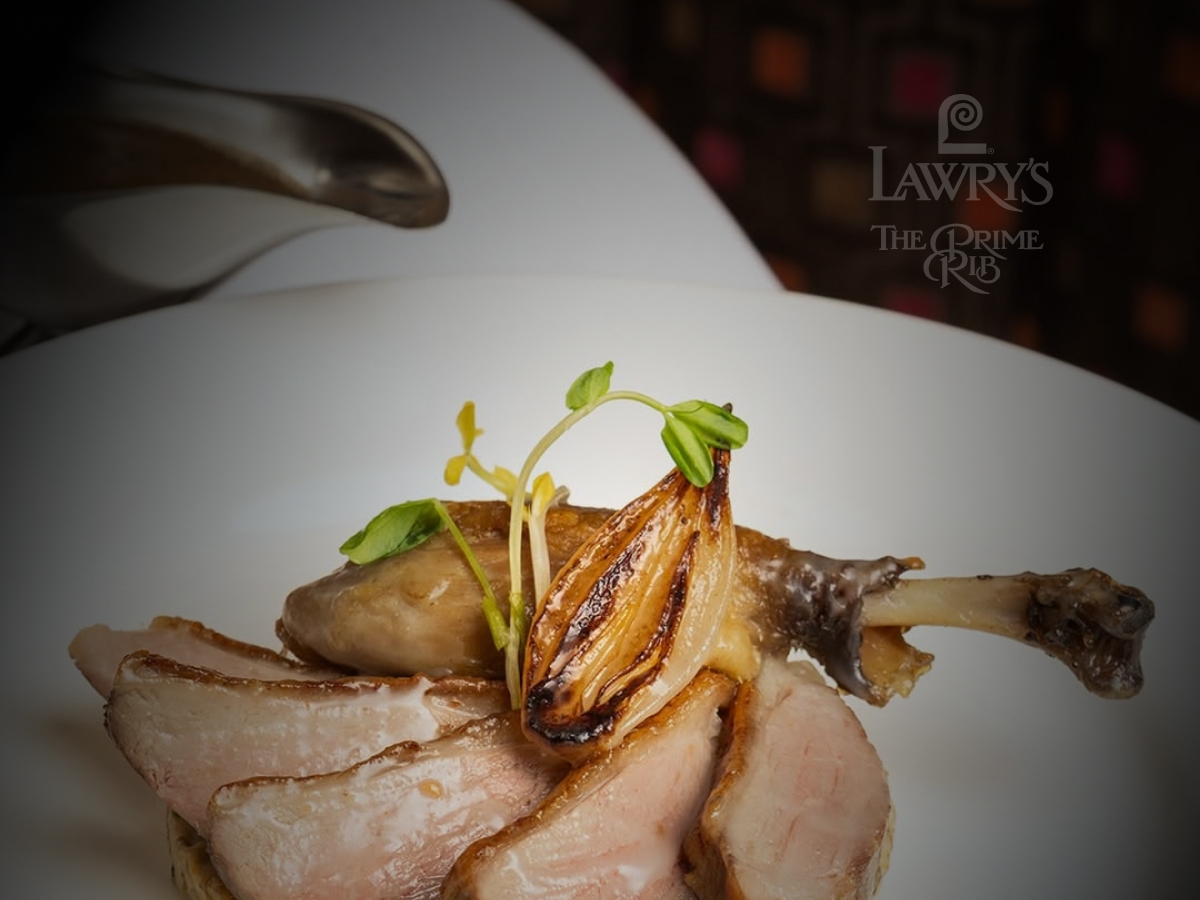
Texture is where duck confit really earns its reputation. Properly cooked confit gives you two experiences at once: delicate, dark meat underneath and a thin layer of skin that can turn crisp if finished correctly. The skin doesn’t get crispy during the slow cook. It becomes crisp in the final step, when the leg is seared skin-side down in a hot pan for 3–5 minutes, or blasted in a hot oven until the surface turns deep golden and crackly. That last step is quick, and it’s best done right before the plate hits the table.
Serving duck confit is also part of why it became a French bistro staple. It’s rich, so it’s usually paired with something starchy and something acidic or green. Classic combinations include potatoes cooked in duck fat, a lentil ragout, or fries alongside a sharp vinaigrette salad that cuts through the richness. You’ll also find shredded duck confit folded into cassoulet, tossed through pasta, or used as a topping for crispy potatoes when you want the flavor without serving a full leg.
Duck confit is worth knowing because it explains a lot about French cooking: patience, technique, and smart use of fat to create tenderness without fuss. If you’d rather skip the stove and enjoy it professionally prepared, check out what fine dining in Jakarta looks like at Lawry’s The Prime Rib Jakarta. Browse the full selection on the Lawry’s menu and when you’re ready, book your seat and order duck confit done the way it’s meant to be! All tender, crisped, and served with the right sides.
Duck Confit: Hidangan Klasik Prancis yang Perlu Anda Ketahui
Apa itu duck confit? Duck confit adalah paha bebek yang lebih dulu diawetkan dengan garam dan rempah aromatik, lalu dimasak perlahan dalam lemak bebek sampai dagingnya empuk dan kaya rasa, kemudian dikulitkan hingga renyah tepat sebelum disajikan. Awalnya ini teknik pengawetan, tetapi tetap bertahan karena rasanya enak dan mudah dipanaskan ulang. Jika Anda pernah melihat “confit de canard” di menu dan penasaran apa yang membuatnya istimewa, ini penjelasan ringkasnya.
Duck confit dimulai dari waktu dan kontrol. Tidak ada jalan pintas cepat yang bisa menghasilkan tekstur serupa. Prosesnya terdiri dari dua tahap: curing dan memasak perlahan. Pertama, paha bebek dilumuri garam (seringnya sekitar 1,5% dari berat daging), lalu didiamkan di kulkas selama 12–24 jam bersama aromatik klasik seperti thyme, daun salam, lada hitam, dan bawang putih. Ini bukan sekadar membumbui. Garam membuat daging sedikit lebih padat, menarik sedikit cairan, dan membantu hasil matang yang lebih merata.
Setelah curing, bebek dibersihkan dari sisa garam dan dikeringkan, lalu direndam sepenuhnya dalam lemak bebek dan dimasak pada suhu rendah. Banyak metode tradisional menjaga lemak di kisaran 35–38°C, selama kurang lebih 2,5–3 jam sampai garpu mudah masuk. Beberapa versi oven bahkan memasaknya lebih lama pada panas yang sama-sama lembut. Tujuannya tetap satu: melunakkan jaringan ikat tanpa membuat daging mengencang. Lemak bebek berfungsi sebagai “penyangga suhu” sehingga proses memasak stabil dan daging tidak cepat kering.
Masak perlahan dalam lemak inilah yang menjadi ciri confit. Dagingnya terasa lembut, mudah disuwir, tetapi tidak hancur berantakan. Rasanya lebih dalam dibanding bebek panggang, dengan gurih yang bertahan di mulut. Jika dibuat dengan benar, hasilnya tidak terasa “berminyak”; rasanya justru padat dan menyatu, karena lemak membawa aroma dan menghaluskan karakter rempah. Anda biasanya akan menangkap aroma hangat thyme dan daun salam, sedikit manis jika ada sejumput gula di tahap curing, serta latar bawang putih yang halus saat siungnya dibiarkan utuh besar lalu diangkat sebelum penyajian.
Tekstur adalah alasan utama duck confit punya reputasi kuat. Confit yang matang sempurna memberi dua sensasi sekaligus: daging bebek berwarna gelap yang lembut di bawah, dan lapisan kulit tipis yang bisa jadi renyah jika tahap akhirnya dilakukan dengan benar. Kulit tidak akan renyah selama proses masak perlahan. Ia menjadi renyah di tahap terakhir, saat paha bebek dipanggang singkat di wajan panas dengan posisi kulit di bawah selama 3–5 menit, atau dimasukkan ke oven panas sampai permukaannya berwarna keemasan tua dan garing. Tahap ini cepat, dan paling ideal dilakukan sesaat sebelum hidangan disajikan.
Cara penyajian juga menjelaskan kenapa duck confit jadi menu andalan French bistro. Rasanya kaya, jadi biasanya dipasangkan dengan pendamping berkarbohidrat dan satu elemen yang segar atau asam. Kombinasi klasiknya termasuk kentang yang dimasak dengan lemak bebek, lentil ragout, atau kentang goreng dengan salad vinaigrette yang asam segar untuk memotong rasa gurihnya. Anda juga akan menemukan duck confit yang disuwir dimasukkan ke cassoulet, dicampur ke pasta, atau dijadikan topping kentang panggang renyah ketika ingin rasa confit tanpa menyajikan satu paha utuh.
Duck confit layak dikenal karena ia merangkum banyak hal dari kuliner Prancis: butuh kesabaran, teknik yang rapi, dan penggunaan lemak yang cerdas untuk menghasilkan daging empuk tanpa drama. Jika Anda ingin melewati proses masak di rumah dan menikmatinya versi profesional, coba pengalaman fine dining di Jakarta di Lawry’s The Prime Rib Jakarta. Lihat pilihan lengkap di Lawry’s menu, lalu reservasi meja Anda dan pesan duck confit sebagaimana mestinya: empuk, kulitnya renyah, dan disajikan dengan pendamping yang pas.
FAQ
Duck confit is a classic French dish where duck legs are salted, seasoned, and slowly cooked in their own fat until tender.
Unlike roasted duck, duck confit is cooked slowly in fat at a low temperature, which preserves moisture, tenderizes the meat, and develops deeper, more concentrated flavors.
Duck confit pairs well with starchy sides like potatoes cooked in duck fat, lentil ragout, or crispy fries, and with acidic or green elements like a sharp vinaigrette salad to balance the richness.
I am Chef Camille, Executive Chef at Lawry’s Jakarta, bringing 30 years of expertise from Michelin-starred kitchens in France and our Beverly Hills original to your table. I am dedicated to preserving the iconic flavors and service standards that have defined Lawry’s since 1938. I personally review every article published here to ensure our content remains true to our mission of culinary excellence.
Reserve Table
Lawry’s Restaurants is the perfect place to begin your venue search for any occasion.
Related Blog
Based on What You Read
Tired of Tough Steak? Here’s How to Tenderize It Like a Pro
What Is Carryover Cooking? The Science Behind Perfect Steak Doneness