Reverse Seared Steak: How to Get Juicy Steak and a Great Crust
There is a reason serious cooks talk about reverse seared steak the way watch collectors talk about movements and vintages. Once you understand what is happening in the pan and in the oven, you realise it is less about trend and more about precision.
Reverse searing is a two stage method that turns a thick cut steak into something evenly rosy from edge to edge with a crisp mahogany crust that snaps under the knife. The process starts low and ends blazing hot. Instead of searing first and finishing in the oven, you flip the order.
You gently bring the steak up to temperature in a low oven or on the cool side of the grill, then you finish it with a hard sear in a ripping hot skillet or over high direct heat. That order of operations is everything
Table of Contents
ToggleWhy it Works
Reverse searing leverages specific principles of cooking science for optimal results. The initial phase involves cooking the steak slowly at a lower temperature. This gentle heat allows the temperature to permeate the meat more evenly, from the edges to the center, rather than creating a steep temperature gradient. This gradual warmth helps prevent the outer layers from overcooking and drying out before the core reaches its desired doneness.
Once the internal temperature of the steak is nearly complete, the final step involves a high-heat sear. This intense heat promotes the Maillard reaction, a chemical process responsible for the deep browning and complex, savory flavors that form on the crust. By separating the cooking process into these two distinct stages, you achieve both a uniformly cooked interior and a richly flavored exterior.
How Reverse Searing Differs from the Classic Sear-First Method
The traditional steakhouse logic once suggested starting in a blazing pan to “lock in juices,” then moving the pan to the oven to coast to doneness. We now know that searing does not truly lock in anything; it primarily browns the outside. The reality of blasting a cold steak with high heat at the start is that it often creates a thick, overcooked ring before the center even reaches medium rare. You often end up with a red core, then a band of pink, followed by a wide halo of grey meat.
Reverse searing solves this common issue. Because the low oven step gently warms the steak all the way through before the final sear, you achieve an almost uniform blush from edge to center with minimal grey banding. This method also provides greater control. The low-heat stage offers a much larger window to hit your desired internal temperature, reducing the pressure of a sixty-second “pull it now or ruin it” moment often associated with traditional searing.
Why You Should Reverse Sear Your Steak
For those who appreciate precision cooking and a superior dining experience, reverse searing can elevate your home-cooked steak. This method is particularly suited for thicker cuts, ensuring that every bite delivers consistent texture and flavor. It removes much of the guesswork from achieving that ideal medium-rare.
The Benefits of Reverse Searing
One significant advantage is the minimal grey band, providing a steak that is rosy from edge to edge. The slow cooking also allows for a more tender result, as muscle fibers contract less aggressively under gentle heat. Furthermore, the dry surface achieved during the low-temperature cooking is ideal for developing an exceptional crust during the final high-heat sear, creating rich, complex flavors through the Maillard reaction. This method also offers a larger window for reaching your desired internal temperature, allowing for more controlled cooking.
The Trade-Offs of Reverse Searing
Despite its benefits, reverse searing has a few considerations. It generally takes longer than the traditional method, making it less suitable for quick weeknight meals. This technique is also not ideal for thin steaks; anything less than one and a half inches thick will likely overshoot its target temperature in the oven before you even get to the searing stage. In such cases, a classic high-heat pan sear remains the more practical approach.
Here is how to do it properly at home.
First, you start with a thick cut steak, no less than one and a half inches and preferably closer to two inches. Ribeye, New York strip, porterhouse, T bone, or filet mignon all work beautifully because they carry enough internal marbling to stay supple. Generously season the steak with salt and black pepper on all sides. For an even deeper crust later, you can leave it uncovered on a wire rack set over a tray in the refrigerator overnight. That step dries the surface and concentrates flavour while the interior stays protected.
When you are ready to cook, heat the oven to around 120 to 135°C, set the steak on that rack over the tray, and slide it in. You are not blasting it. You are letting gentle heat slowly raise the internal temperature. This even rise matters because muscle fibres tense less aggressively at low heat, and the steak cooks more uniformly instead of going grey and dry at the edges while staying underdone in the centre.
Cook until the internal temperature is about 6 to 8°C below where you want to finish. For rare, you are pulling around 40°C. Then, for medium rare, aim for 46°C. For medium, around 52°C. Use an instant read thermometer, not guesswork. Size, fat content, and oven behaviour all affect timing, so temperature is the only truth. As the steak warms in the oven, two important things happen.
First, the enzymes that live naturally in beef are active in this gentle range and begin breaking down some of the tougher proteins, which subtly tenderises the meat. Second, the surface slowly dries. That dry exterior is not a flaw. It is the foundation of your crust.
Once the steak is sitting in that pre sear zone, take it out and let it rest briefly while you heat a heavy pan over high heat. Cast iron is ideal because it holds heat and delivers it fast. When the pan is smoking hot, add a small amount of high smoke point oil, then lay in the steak. Now you are in the sear. You are not cooking the steak through here. You are developing the crust through the Maillard reaction, that deep browning that creates nutty, roasted, beef forward notes.
Sear one to two minutes per side. Tilt the steak on its edges to render and brown the fat cap. Drop the heat to medium low, add a knob of butter, and baste. At this stage you can spoon in smashed garlic cloves, thyme, or rosemary and wash the meat with the aromatic butter for about two minutes. The final internal temperature should sit at about 49 to 54°C for medium rare after carryover. The steak is ready to slice and serve almost immediately because the slow initial cook already relaxed the juices.
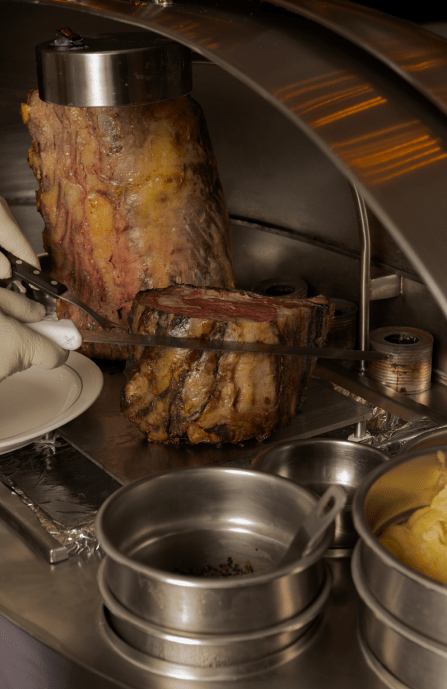
While you can master this technique at home, with a thermometer in one hand and cast iron in the other, you can also experience this level of control executed by professionals who perfect it night after night in a true steakhouse environment.
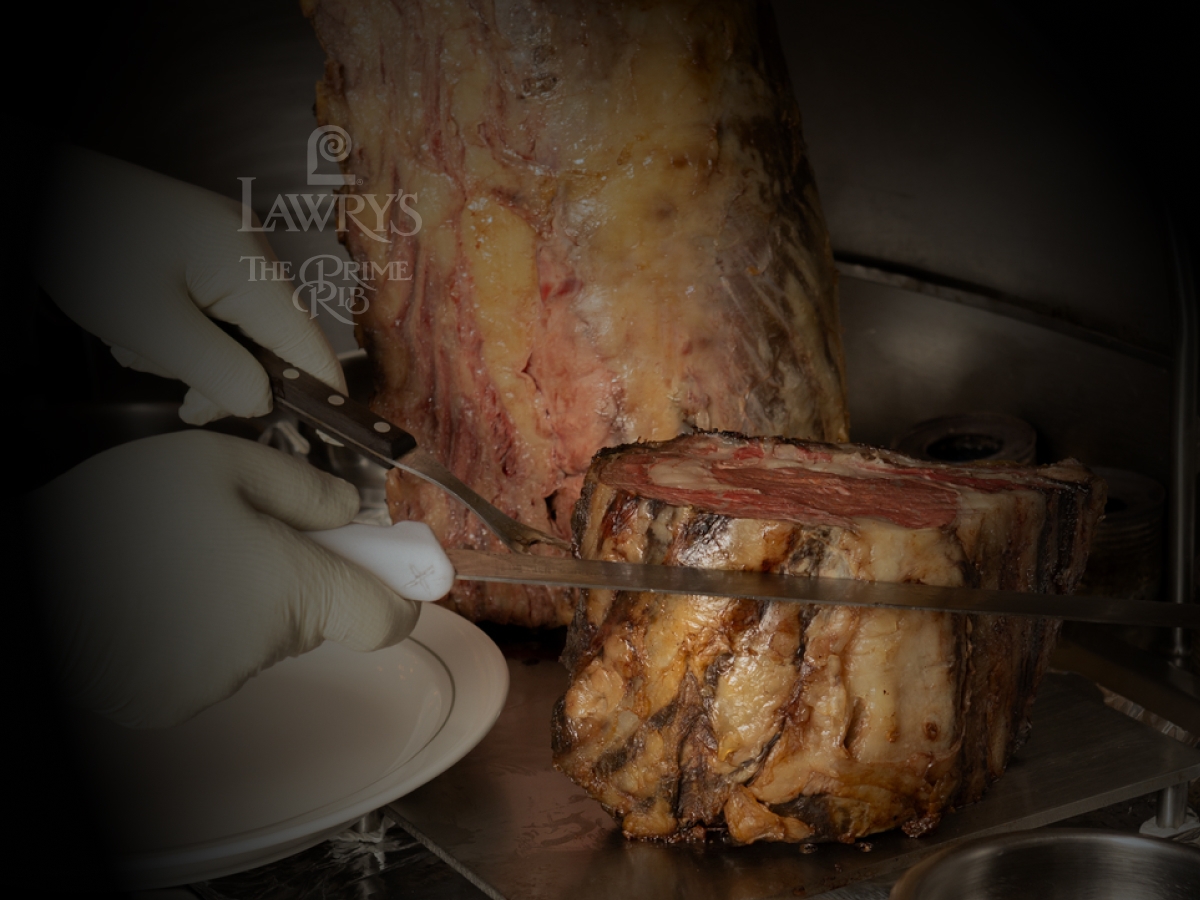
For a prime rib carved to order, steak cooked to its ideal temperature, service polished to a shine, and an atmosphere that defines fine dining Jakarta, make your way to Lawry’s The Prime Rib Jakarta.
Explore Lawry’s menu and see why a slow roasted prime rib and expertly seared steaks remain the benchmark. To plan an evening worthy of the cut, you can book your seat here or learn more about how Lawry’s converge where classic technique with indulgence.
Steak Reverse Sear: Cara Mendapatkan Hasil Daging Yang Juicy dengan Crust Sempurna
Tidak heran kalau banyak koki profesional menganggap teknik reverse sear sebagai rahasia utama untuk menghasilkan steak sempurna. Kalau Anda paham cara kerja panas di wajan dan oven, Anda akan tahu bahwa metode ini bukan sekadar gaya baru memasak, melainkan cara paling pas untuk mendapatkan daging matang merata dan juicy di setiap potongannya.
Reverse sear adalah metode dua tahap yang mengubah potongan steak tebal menjadi daging matang merata dari pinggir hingga tengah, dengan lapisan luar berwarna mahoni yang renyah dan menggugah selera. Prosesnya dimulai dengan suhu rendah lalu diakhiri dengan panas tinggi. Alih-alih memanggang dulu lalu memanggang di oven seperti biasa, urutannya dibalik. Steak dipanaskan perlahan di oven bersuhu rendah atau di sisi panggangan yang lebih dingin, kemudian diselesaikan dengan sear cepat di wajan panas atau di atas api langsung. Urutan ini adalah kuncinya.
Rahasia di Balik Teknik Reverse Sear
Reverse sear memanfaatkan beberapa prinsip dasar dalam ilmu memasak untuk menghasilkan hasil yang lebih optimal. Tahap pertama adalah memasak steik secara perlahan pada suhu rendah. Panas yang lembut ini memungkinkan suhu menyebar lebih merata ke seluruh bagian daging, dari bagian luar hingga ke tengah, tanpa menciptakan perbedaan suhu yang terlalu tajam.
Proses pemanasan yang bertahap ini membantu mencegah bagian luar daging terlalu matang atau kering sebelum bagian tengah mencapai tingkat kematangan yang diinginkan.
Ketika suhu internal steik hampir mencapai target, proses kemudian diakhiri dengan searing menggunakan panas tinggi. Panas yang sangat tinggi ini memicu reaksi Maillard, yaitu proses kimia yang menghasilkan warna kecokelatan yang dalam sekaligus rasa gurih yang kompleks pada permukaan daging.
Dengan memisahkan proses memasak menjadi dua tahap yang berbeda ini, Anda dapat memperoleh bagian dalam steik yang matang merata sekaligus lapisan luar yang kaya rasa dan bertekstur renyah.
Perbedaan Reverse Sear dengan Metode Sear Klasik
Dalam pendekatan steakhouse klasik, steik biasanya dimulai dengan memasaknya di wajan yang sangat panas untuk “mengunci sari daging”, lalu dilanjutkan di dalam oven hingga mencapai tingkat kematangan yang diinginkan. Namun, kini kita tahu bahwa proses searing sebenarnya tidak benar-benar mengunci sari daging; fungsinya terutama adalah menciptakan warna kecokelatan pada bagian luar.
Memasukkan steik yang masih dingin langsung ke wajan yang sangat panas justru sering menghasilkan lapisan daging yang terlalu matang di bagian luar sebelum bagian tengahnya mencapai medium rare. Hasilnya biasanya berupa inti yang masih merah, diikuti lapisan merah muda, lalu cincin daging berwarna abu-abu yang cukup tebal di bagian luar.
Reverse sear mengatasi masalah ini. Karena steik dipanaskan perlahan di oven terlebih dahulu, suhu di dalam daging naik secara lebih merata sebelum proses searing terakhir dilakukan. Hasilnya adalah warna merah muda yang hampir seragam dari tepi hingga ke tengah, dengan sangat sedikit bagian yang terlalu matang.
Metode ini juga memberi kontrol yang jauh lebih baik. Tahap pemanasan perlahan memberikan waktu yang lebih panjang untuk mencapai suhu internal yang diinginkan, sehingga Anda tidak perlu menghadapi momen menegangkan seperti pada metode tradisional, di mana steik harus diangkat dari wajan dalam hitungan detik agar tidak terlalu matang.
Mengapa Reverse Sear Layak Dicoba?
Bagi mereka yang menghargai presisi dalam memasak dan pengalaman makan yang lebih istimewa, reverse sear dapat membawa kualitas steik buatan rumah ke level yang lebih tinggi. Teknik ini sangat cocok untuk potongan steik yang tebal karena membantu memastikan setiap gigitan memiliki tekstur dan rasa yang konsisten.
Selain itu, metode ini juga mengurangi banyak unsur tebakan saat mencoba mencapai tingkat kematangan medium rare yang sempurna.
Keunggulan Reverse Sear
Salah satu keunggulan utama reverse sear adalah kematangannya yang lebih merata. Alih-alih menghasilkan cincin daging yang terlalu matang di bagian luar, steik dapat memiliki warna merah muda yang konsisten dari tepi hingga ke tengah.
Proses memasak yang perlahan juga membantu menghasilkan tekstur yang lebih lembut. Serat otot pada daging tidak berkontraksi terlalu keras saat dipanaskan secara perlahan, sehingga hasil akhirnya terasa lebih empuk.
Selain itu, permukaan steik yang sedikit mengering selama proses pemanasan di suhu rendah justru menjadi kondisi ideal untuk membentuk lapisan crust yang baik saat proses searing terakhir. Ketika steik akhirnya menyentuh wajan panas, lapisan luar dapat langsung membentuk kerak kecokelatan yang kaya rasa tanpa membuat bagian dalamnya terlalu matang.
Metode ini juga memberi ruang kontrol yang lebih besar terhadap suhu internal steik, sehingga proses memasak terasa lebih terukur dan tidak terlalu bergantung pada perkiraan.
Hal yang Perlu Dipertimbangkan
Meski memiliki banyak keunggulan, reverse sear juga memiliki beberapa hal yang perlu diperhatikan. Metode ini umumnya memerlukan waktu lebih lama dibandingkan cara tradisional, sehingga kurang praktis jika Anda ingin memasak steik dengan cepat pada malam hari yang sibuk.
Teknik ini juga kurang cocok untuk potongan steik yang tipis. Jika ketebalannya kurang dari sekitar satu setengah inci, steik berisiko melewati suhu kematangan yang diinginkan di oven sebelum sempat disear di wajan.
Dalam situasi seperti ini, metode klasik dengan wajan panas biasanya tetap menjadi pilihan yang lebih praktis.
Berikut cara melakukannya di rumah:
Pertama, pilih potongan steak yang cukup tebal—minimal 1,5 inci, idealnya mendekati 2 inci. Ribeye, New York strip, porterhouse, T-bone, atau filet mignon semuanya cocok karena punya marbling cukup untuk menjaga kelembutan daging. Bumbui steak dengan garam dan lada hitam di semua sisi. Untuk hasil kerak yang lebih dalam, Anda bisa membiarkan steak tanpa penutup di atas rak kawat di dalam kulkas semalaman. Langkah ini membantu mengeringkan permukaan dan memusatkan rasa tanpa membuat bagian dalam kering.
Saat siap dimasak, panaskan oven di suhu 120–135°C, letakkan steak di rak di atas loyang, lalu masukkan. Tujuannya bukan untuk memanggang dengan panas tinggi, melainkan membiarkan panas lembut perlahan menaikkan suhu bagian dalam daging. Kenaikan suhu yang perlahan ini penting karena serat otot jadi tidak mudah menegang, membuat steak matang merata tanpa bagian luar yang kering atau bagian tengah yang masih mentah.
Masak sampai suhu internal steak sekitar 6–8°C di bawah suhu akhir yang Anda inginkan. Untuk rare sekitar 40°C, medium rare 46°C, dan medium 52°C. Gunakan termometer daging agar hasilnya akurat, karena ukuran steak, kadar lemak, dan performa oven bisa berbeda-beda. Saat steak dipanaskan perlahan di oven, dua hal penting terjadi:
Pertama, enzim alami dalam daging sapi mulai bekerja memecah protein keras, membuat tekstur daging lebih empuk. Kedua, permukaan steak perlahan mengering, dan ini justru bagus karena menjadi dasar untuk membentuk kerak sempurna nanti.
Setelah steak mencapai suhu pra-sear, keluarkan dan biarkan istirahat sebentar sambil Anda memanaskan wajan berat di atas api besar. Wajan besi cor sangat ideal karena bisa menahan panas tinggi dan menyebarkannya merata. Saat wajan sudah benar-benar panas dan mulai berasap, tambahkan sedikit minyak dengan titik asap tinggi, lalu masukkan steak. Di sinilah proses sear dimulai. Tujuannya bukan untuk mematangkan daging sepenuhnya, melainkan untuk membentuk kerak lewat reaksi Maillard, proses pencokelatan yang menghasilkan aroma panggang khas dan rasa daging yang lebih kaya.
Sear masing-masing sisi selama satu hingga dua menit. Miringkan steak untuk mencairkan dan mencokelatkan bagian lemaknya. Turunkan panas ke sedang-rendah, tambahkan sepotong mentega, lalu siramkan mentega cair ke daging. Di tahap ini, Anda bisa menambahkan bawang putih geprek, thyme, atau rosemary untuk aroma tambahan. Lanjutkan menyiram selama sekitar dua menit. Setelah itu, suhu internal ideal untuk medium rare biasanya mencapai 49–54°C. Karena proses pemasakan awalnya sudah lambat, steak bisa langsung dipotong dan disajikan tanpa harus menunggu lama.
Meski teknik ini bisa Anda kuasai di rumah—termometer di satu tangan, wajan besi di tangan lain—Anda bisa langsung merasakan hasil terbaiknya di tempat yang memang ahli dalam hal ini. Untuk prime rib yang diukir sesuai pesanan, steak yang dimasak pada suhu ideal, pelayanan kelas atas, dan suasana fine dining Jakarta yang elegan, kunjungi Lawry’s The Prime Rib Jakarta.
Lihat pilihan menu mereka di Lawry’s menu dan temukan kenapa prime rib panggang lambat dan steak sear sempurna tetap jadi standar kenikmatan sejati. Untuk merencanakan makan malam istimewa, book your seat dan rasakan sendiri bagaimana Lawry’s memadukan teknik klasik dengan kemewahan yang tak tergantikan.
FAQ
Reverse searing is a two-stage method where a thick cut steak is first gently brought up to temperature in a low oven or on the cool side of a grill, then finished with a hard sear in a hot skillet or over high direct heat. This technique ensures an evenly rosy interior with a crisp, mahogany crust.
The reverse sear method provides greater control and ensures that the steak is evenly cooked from edge to edge with minimal grey overcooked areas, unlike the traditional method which can result in an overcooked ring before the center reaches the desired doneness.
Thick cuts such as ribeye, New York strip, porterhouse, T-bone, and filet mignon are ideal for reverse searing because they have enough internal marbling to remain tender and juicy throughout the process.
After gently warming the steak in the oven, it is seared in a smoking hot cast iron pan with a small amount of high smoke point oil, creating a deep crust through the Maillard reaction. Finishing with butter, garlic, and herbs can enhance the flavor.
For rare, aim to pull the steak at an internal temperature of about 40°C; for medium rare, 46°C; and for medium, around 52°C before the final sear. The steak will rise a few degrees due to carryover cooking.
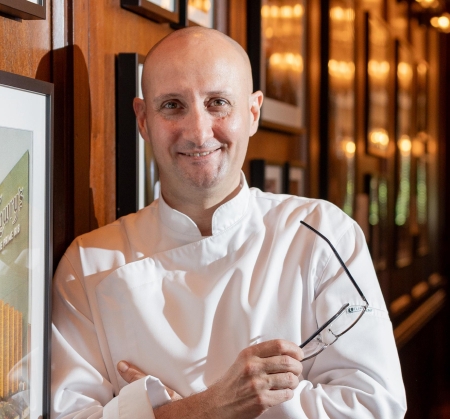
I am Chef Camille, Executive Chef at Lawry’s Jakarta, bringing 30 years of expertise from Michelin-starred kitchens in France and our Beverly Hills original to your table. I am dedicated to preserving the iconic flavors and service standards that have defined Lawry’s since 1938. I personally review every article published here to ensure our content remains true to our mission of culinary excellence.
Reserve Table
Lawry’s Restaurants is the perfect place to begin your venue search for any occasion.
Related Blog
Based on What You Read
The Ultimate Guide to Hosting a Sophisticated Housewarming Party
The Chef’s Guide to the Buttery Secrets of Chilean Sea Bass