
From Pasture to Plate: The Journey of Premium Prime Rib to Your Dining Table
A proper prime rib does not begin in the dining room. It begins much earlier, with decisions about breed, grading, feeding, and handling that shape the meat long before it reaches the carving board. By the time prime rib arrives at the table, what looks like a single dish is actually the result of a long chain of standards, technique, and service traditions. At Lawry’s The Prime Rib Jakarta, that chain is part of the identity of the restaurant, and it explains why prime rib continues to hold its place as the center of the experience.
Everything Starts with Beef Selection
Quality prime rib depends on strict selection, and that starts with marbling, texture, and grading. In the United States, USDA Prime represents the highest grade, accounting for only a small share of total beef production and prized for its abundant intramuscular fat, tenderness, and flavour. Certified Angus Beef adds another layer of control, tying quality to a breed long associated with consistent marbling and strong beef character. Lawry’s leans into this standard through Certified Angus Beef and USDA Prime-level expectations, with corn-fed cattle helping shape the final result. Corn finishing encourages fuller marbling and a whiter fat profile, which in turn supports a juicier texture and a richer, slightly sweeter flavour. This level of quality comes from deliberate selection.
The Slow Roasting Process
Then the kitchen has to do its part. Prime rib depends on slow roasting because the cut needs patience, precision, and steady heat. The goal is even heat distribution, stable temperature control, and careful preservation of the meat’s natural juices. When handled correctly, slow roasting allows the roast to cook gradually from edge to centre without sacrificing its internal moisture. That is what gives prime rib its texture as well as its doneness. The beef stays tender and sliceable, while the flavour remains distinctly beef-forward instead of being flattened by harsh cooking. A rushed roast may still produce meat. It will not give you the same tenderness.
The Tradition of Tableside Carving
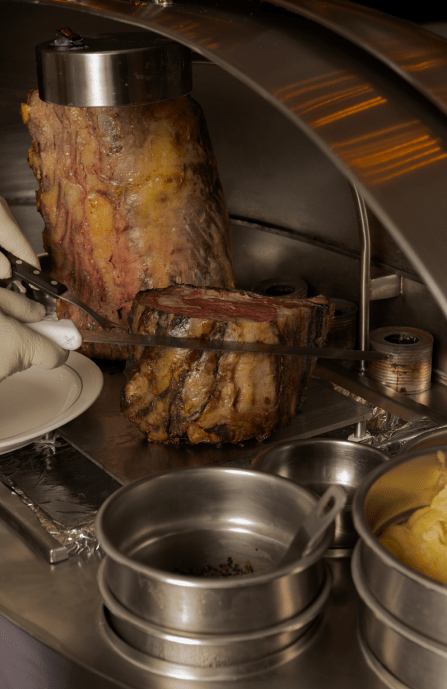
Presentation is where Lawry’s really shows its style. The silver cart is not decorative nostalgia. It is part of the serving standard. Tableside carving allows the roast to be cut fresh in front of the guest, with a trained carver determining portion and thickness according to requests such as the Lawry Cut or Jakarta Cut. That choice changes more than many diners expect. A thicker cut changes the bite, the temperature, and the pace of the meal. The carving ritual also adds something visual and disciplined to the service. Guests do not simply receive a plate from the kitchen. They watch the roast arrive, watch it being carved, and see the standard carried through in front of them.
Sides That Complete the Meal
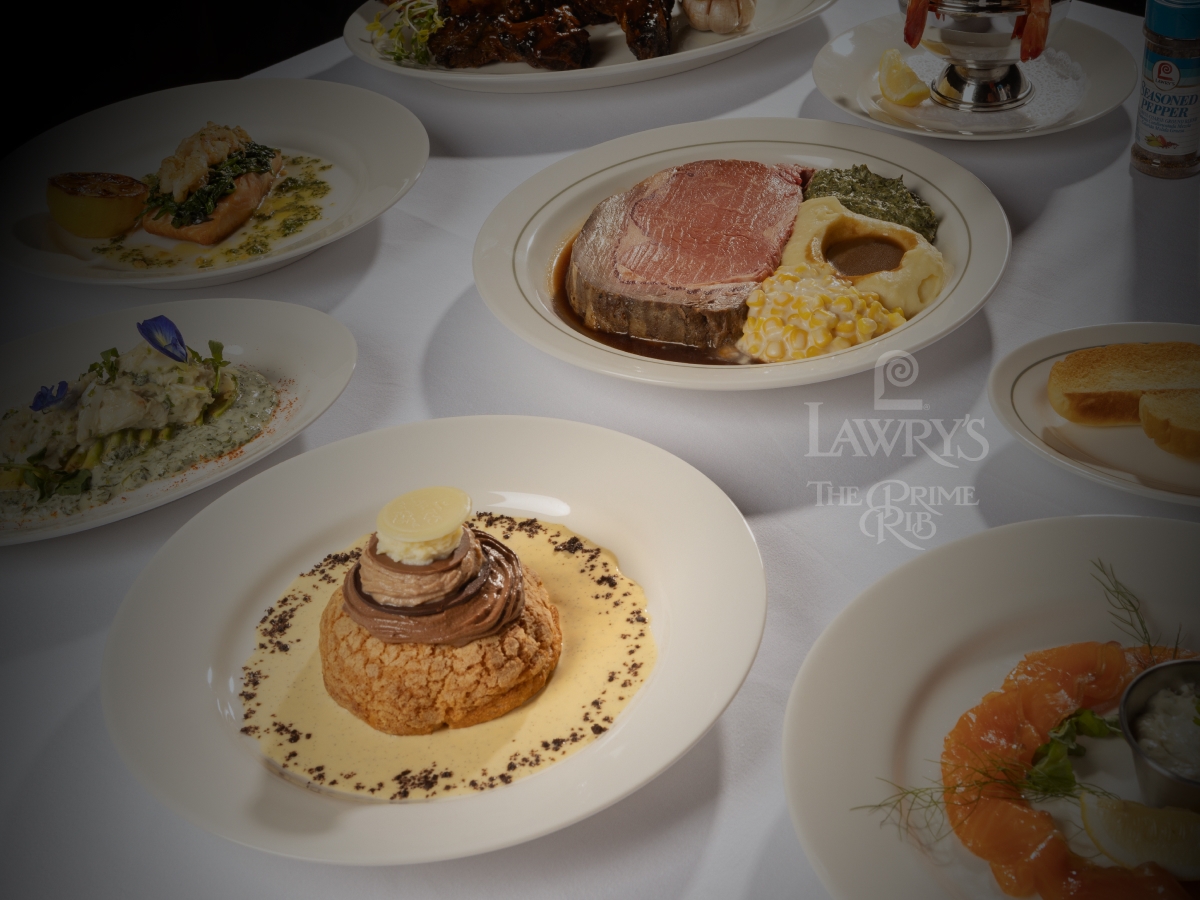
The experience also goes beyond the beef. Prime rib at Lawry’s is supported by elements that have long been part of the restaurant’s identity, including Yorkshire pudding and the Spinning Bowl Salad. These are part of what makes the meal feel complete. They help frame the meal within a broader steakhouse tradition that feels structured and complete. With the polished dining room, steady pacing, and professional service, prime rib lands as a full dining experience, not just another main course.
For diners exploring fine dining Jakarta, this is what sets prime rib apart: not one dramatic flourish, but a chain of decisions handled carefully from start to finish. You can browse Lawry’s menu to see how the tradition is presented today, then book your seat to try prime rib built to Certified Angus Beef standards and USDA Prime expectations, served the way Lawry’s has chosen to preserve it for decades.
FAQ
It’s about grading and breed. USDA Prime is the highest quality grade based on marbling, while Certified Angus Beef ensures the meat comes from a specific breed known for its consistent flavor and texture.
It uses low, steady heat to cook the meat evenly from edge to center. This preserves the natural juices and keeps the beef tender, which is something high-heat grilling cannot do for this cut.
Reserve Table
Lawry’s Restaurants is the perfect place to begin your venue search for any occasion.