
Sirloin or Rib Eye Steak?
Ask any steak devotee and you’ll hear the same truth: cut matters. Sirloin and ribeye are both classics, yet they deliver very different pleasures on the plate. Here’s a clear, chef-level guide, that is both straightforward and practical, with just a hint of European dining-room rigor to help you choose the right cut, the right method, and the right moment.
Where they come from (and why it matters)
- Ribeye
Cut from the rib primal, between the chuck and the loin. It’s naturally well-marbled, often with a buttery “eye” of fat and a tender texture. Translation: richness, juiciness, and a big, indulgent flavor. - Sirloin (Top Sirloin/Strip Sirloin area)
From the hip/loin region, more active muscle. Leaner than ribeye with tighter grain and a firmer bite. Expect clean, beef-forward flavor and a satisfying chew.
Texture & flavor
- Ribeye: Plush, succulent, and “melt-in-your-mouth” when cooked properly. The marbling renders into the meat, delivering lush juiciness and a deep, rounded beef flavor with hints of butter and roasted nuts.
- Sirloin: Leaner and slightly firmer. You feel the grain of the steak; the flavor is decisively beefy and direct—less opulent than ribeye, more athletic on the palate.
Best cooking methods (and why)
- Ribeye
- Grill (two-zone fire): High heat for sear, then finish over gentler heat so the fat renders without flare-ups.
- Cast-iron pan-sear + butter baste: Maximizes crust and concentrates flavor; ideal for boneless ribeye.
- Target doneness: Medium-rare to medium (so the marbling liquefies and carries flavor).
- Sirloin
- Hot, quick sear (grill or skillet): High heat to form a crust while keeping the interior rosy and tender.
- Slice across the grain: Especially helpful with thicker sirloins to get tenderness in each bite.
- Target doneness: Medium-rare for juiciness; medium if you prefer a firmer chew.
Aroma & mouthfeel
- Ribeye: Roasted, buttery aromas; luscious mouthfeel. The fat creates a luxurious glide on the palate.
- Sirloin: Toasty, char-driven perfume with a cleaner finish. You taste pure beef, then a brisk, tidy aftertaste.
When to choose ribeye vs sirloin
Choose Ribeye when you want:
- Maximum juiciness and richness
- A celebratory, indulgent experience
- Big red wines and sauce-friendly plates (peppercorn, mushroom, red wine jus)
Choose Sirloin when you want:
- A leaner cut with classic beef flavor
- A slightly firmer texture and a cleaner finish
- Weeknight versatility, salads, or sliced steak presentations
Cuts & formats to try
- Great ribeye picks: Boneless Ribeye, Bone-In Ribeye, Tomahawk (for grill spectacle.
- Great sirloin picks: Top Sirloin (center-cut), Picanha/Sirloin Cap (fat cap for grill lovers), Strip Sirloin/New York Strip (if listed under the sirloin/loin family)
Simple chef tips that change everything
- Dry the surface well. Moisture blocks browning.
- Season decisively with salt. Either 30–60 minutes ahead (let it penetrate) or right before the pan.
- Use high heat, then rest. Build crust first; rest 5–10 minutes to reabsorb juices.
- Match fat to heat. For ribeye, control flare-ups on the grill; for sirloin, don’t overcook—pull earlier and let carryover work.
The verdict: which tastes better?
It depends on your appetite today.
- If you crave sumptuous, buttery richness with every bite, ribeye wins.
- If you want clean, assertive beef flavor with a confident chew, sirloin is your champion.
There’s no absolute “better”, only the right cut for your mood, your sides, and your glass!
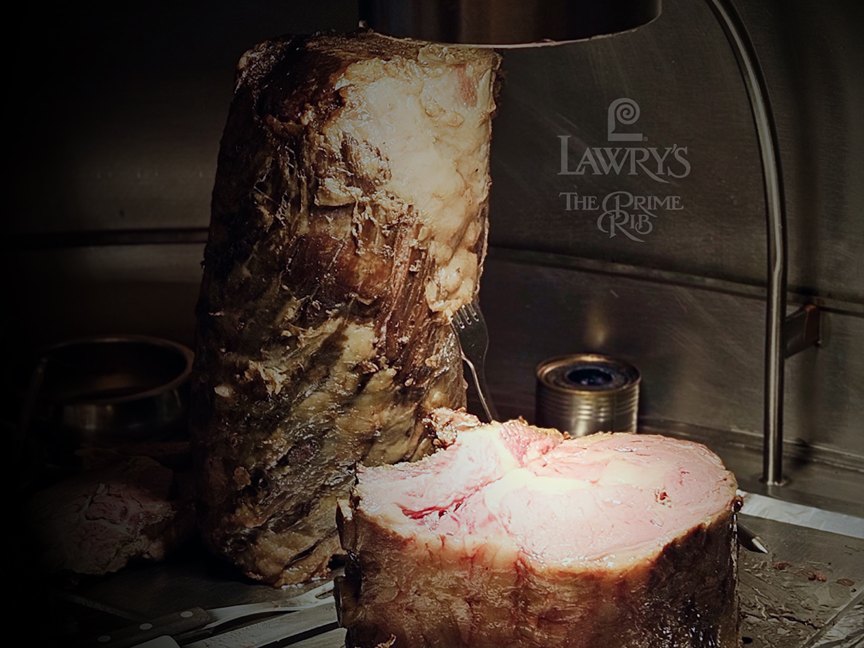
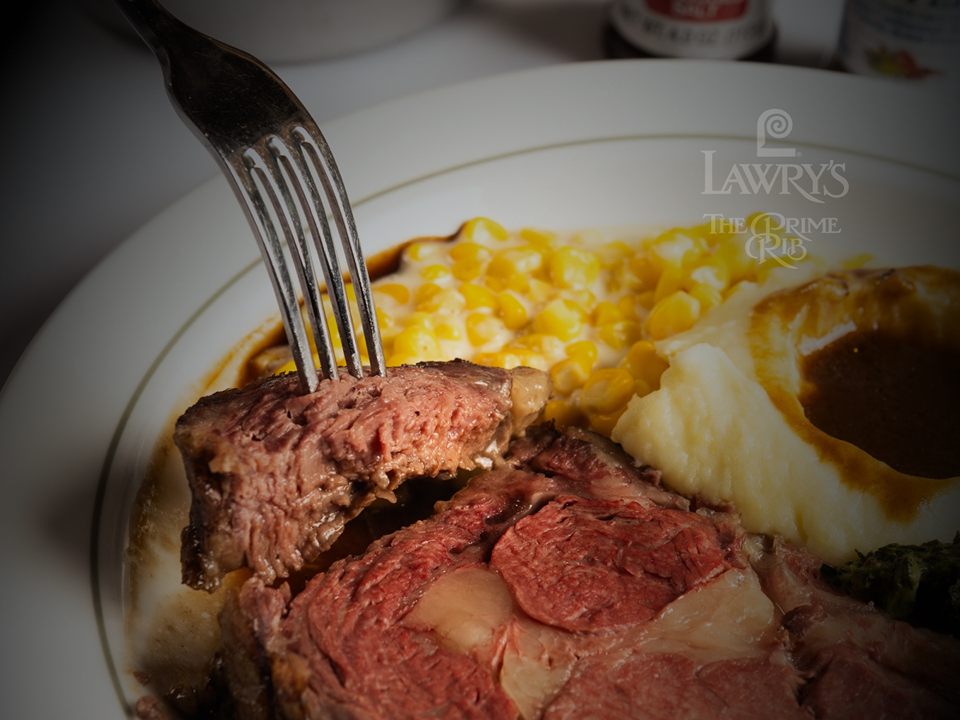
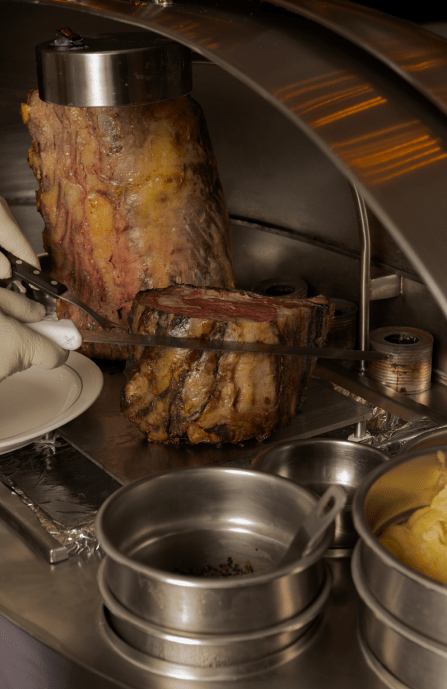
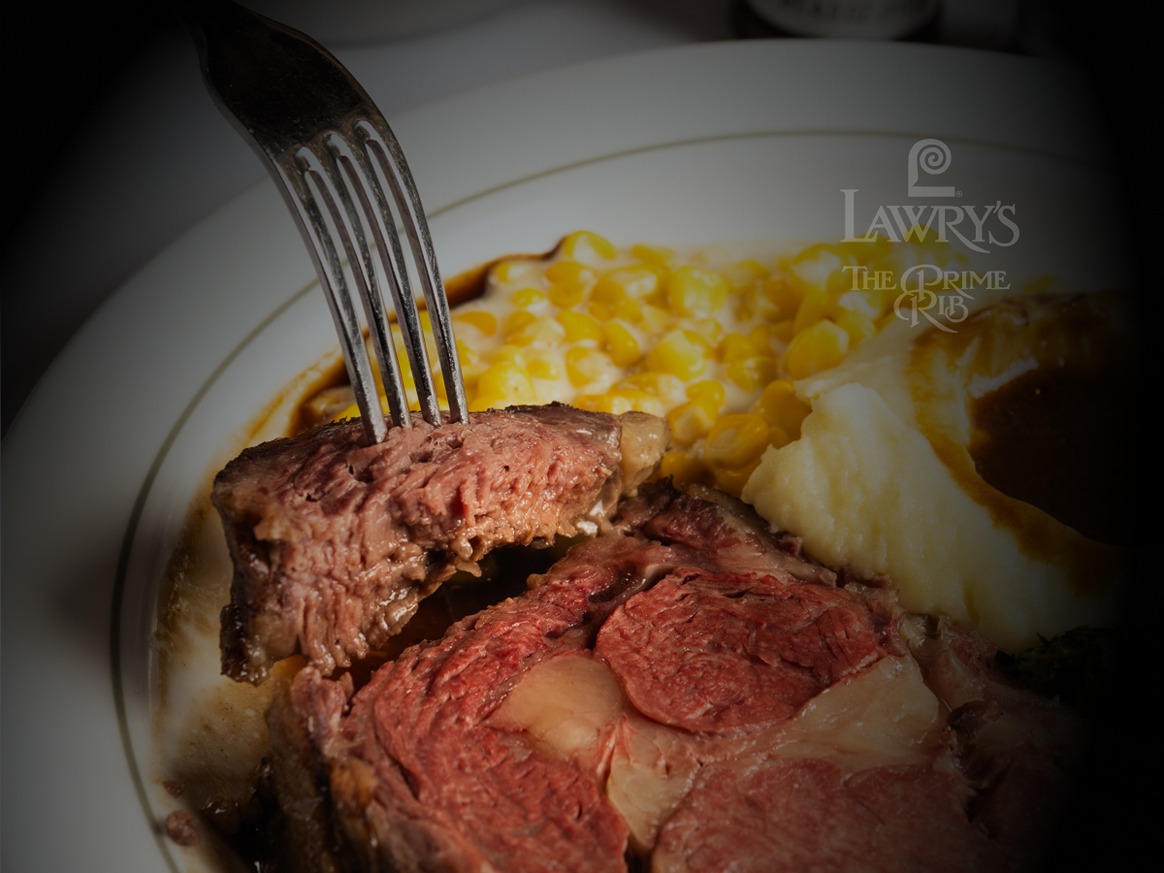
Prefer to leave the decisions (and the perfect sear) to experts? At Lawry’s The Prime Rib Jakarta you can taste both cuts—and the legendary Prime Rib—finished with precision and paired thoughtfully. Explore lawry’s menu, then book your seat for an evening of fine dining Jakarta is known for: exceptional beef, polished service, classic sides, and drinks that frame every bite just so.
FAQ
Ribeye is cut from the rib primal, known for its rich marbling, buttery 'eye' of fat, and tender texture, providing a lush and juicy flavor. Sirloin, cut from the hip/loin region, is leaner with a firmer bite, offering a clean, beef-forward flavor.
For ribeye, grilling with a two-zone fire or cast-iron pan-searing with butter basting are recommended to maximize crust and flavor. Target doneness is medium-rare to medium, allowing the marbling to render and enhance the steak's taste.
Sirloin steak is best served medium-rare for juiciness, but can be cooked to medium for a firmer chew. High heat searing is recommended to form a crust while keeping the interior tender.
Opt for ribeye when seeking maximum juiciness, richness, and a celebratory experience. It's perfect for pairing with big red wines and sauce-friendly dishes.
Great ribeye options include Boneless Ribeye, Bone-In Ribeye, and Tomahawk. For sirloin, consider Top Sirloin (center-cut), Picanha/Sirloin Cap, and Strip Sirloin/New York Strip.
Reserve Table
Lawry’s Restaurants is the perfect place to begin your venue search for any occasion.