
5 Ways to Cook Your Steak
For a dish as indulgent as steak, it demands a cooking technique that matches its grandeur. Whether you’re preparing a meal from the comfort of your own kitchen or savoring it at Jakarta’s most esteemed fine dining restaurants, it is essential to understand the cooking methods of steaks Here, we will learn and explore 5 different ways that can elevate your humble cut of meat into a sophisticated dish, suitable for any setting and event.
Pan-Seared Perfection
The steak connoisseurs know that pan-searing is the cornerstone of steak preparation. It is widely celebrated due to its ability to produce beautifully caramelized crust while preserving the tender juiceness of the meat’s interior. To achieve this at home, all you need is a high-quality skillet, a splash of oil and some patience.
Method:
- Begin by thoroughly patting the steak dry with paper towels, just before cooking, season the meat to your liking.
- Then heat the cast iron pan or skill until hot, add ½ tablespoon oil over medium high-heat, swirling to coat.
- Once the oil is very hot, add steak to the skillet. Sear the steaks on the first side for about 4 minutes until brown crust has formed, then cook the other side for 3-4 minutes.
- Using tongs, turn the steak on its sides to render the white fat and sear the edges (1-minute per edge).
Best For: This method is perfect for cuts like ribeye, filet mignon, or New York strip, which benefit from quick, high-heat cooking. Pan-searing is a technique easily mastered in any home kitchen, making it a go-to for steak enthusiasts.
Related article: How to Make a Perfect Pan-seared Steak
Stovetop to Oven: The Best of Both Worlds
For those seeking a deeper flavor and even cooking, the stovetop-to-oven method is an elegant choice. This technique combines the intense sear of a skillet with the gentle, consistent heat of an oven.
Method:
- Preheat your oven to to 220°C
- Season the steaks to your liking.
- Heat olive oil in a cast-iron skillet over high heat. Once the oil is hot and shimmering, add the steaks. Sear them on one side until they are lightly browned about 2 ½ minutes.
- Flip the steaks and continue to sear the other side until it is also browned, with the center still, about 2 more minutes
- After searing, transfer the skillet directly to the preheated oven
- Let the steaks bake in the over for 8-10 minutes until they are firm with a reddish-pink to slightly pink center.
- Use an instant-read thermometer to check the internal temperature; it should read between 54°C and 60°C for a perfect medium-rare to medium steak.
- Once done, remove the steaks from the oven. Season them with a sprinkle of salt and let them rest for 5 minutes before serving. This resting period allows the juices to redistribute, for a juicy and flavorful steak.
Best For: This method works wonders with thicker cuts like Porterhouse or T-bone, ensuring even cooking without sacrificing the rich crust. It’s a step up from pan-searing, to make a restaurant-quality finish that’s easily achievable at home.
Grilling: A Classic Flame-Kissed Approach
Grilling is the quintessential method for steak lovers who crave that smoky, charred flavor only an open flame can provide. Whether using a gas grill or the more traditional charcoal, this technique requires precision and a keen eye.
Method:
- Preheat your grill to high heat.
- Season your steaks to your liking
- Place the steaks on the hot grill and cook them for about 4-5 minutes, until they develop a golden brown color with slight charring.
- Flip and continue grilling: for a medium rare, grill for 3 to 5 minutes, aiming for an internal temperature of 57°C; for medium, grill for 5 to 7 minutes, reaching an internal temperature of 60°C; and for medium-well, grill for 8 to 10 minutes with an internal temperature of 65,5°C
- After grilling, transfer the steaks to a cutting board or platter. Tent them loosely with foil and let them rest for 5 minutes before slicing.
Best For: Flank, skirt steaks, and beef tri-tips thrive on the grill, absorbing the smoky flavor while retaining their tenderness. Grilling is the ideal method for outdoor cooking, bringing a rustic charm to your steak night.
Braising: The Slow and Steady Approach
Braising is the epitome of the “low and slow” cooking philosophy, perfect for transforming tougher cuts into melt-in-your-mouth delights. This method involves first searing the steak and then slowly cooking it in a flavorful liquid.
Method:
- Begin by preheating your oven to a low temperature suitable for slow cooking
- Heat 2 tablespoons of olive oil in a pan over medium-high heat
- Carefully place the steak into the hot pan, sear the steak for 1 minute without moving them to develop a nice crust
- Flip the steaks over and sear the other side for another minute
- After searing, remove the steaks from the pan and place them into a casserole dish
- Add all your prepared ingredients (such as vegetables, herbs, and broth) into the dish and mix thoroughly.
- Cover the casserole dish tightly with aluminum foil.
- Place the covered dish into the preheated oven. Let it cook for 3 hours. (Alternatively, you can reduce the oven temperature to 212°F and let it cook overnight for an even more tender result.)
- Once the cooking time is complete, carefully remove the casserole dish from the oven and take off the foil, being cautious of the hot steam.
- Remove the braising steaks from the mixture. To thicken the remaining sauce, stir in a teaspoon of gravy granules.
- Serve the braising steaks with the thickened sauce.
Best For: Braising is ideal for cuts like chuck or brisket, which require time to break down and become tender. While it’s less common for prime cuts, it’s a fantastic way to explore the full spectrum of beef flavors at home.
Sous Vide: Precision in Every Bite
Sous vide, the method of cooking vacuum-sealed food in a water bath at a precise temperature, has become a favorite among chefs and culinary enthusiasts alike for its maximum control over doneness.
Method: Seal your seasoned steak in a vacuum bag and submerge it in a water bath set to your desired final temperature (typically 130°F for medium-rare). After an hour or so, remove the steak and give it a quick sear in a hot skillet to develop a crust.
- Fill a large container with water and attach your sous vide device
- Set the sous vide to 54°C and allow the water to come to temperature.
- Season the steak to your liking, let it sit for 10-15 minutes to absorb the seasoning.
- Place the seasoned steak into a Stasher bag, Ziploc, or food saver bag.
- Add butter and your choice of herbs to the bag with the steak.
- Seal the bag, removing as much air as possible if using a Ziploc or food saver bag.
- Submerge the sealed steak bag into the preheated water bath.
- Let the steak cook in the sous vide for at least 2 hours. You can leave it in the water for up to 4 hours for a more tender result.
- After sous-viding, remove the steak from the bag and discard any liquid. Set the steak aside on a plate.
- Heat a large cast iron skillet over high heat and add 2 tablespoons of olive oil.
- Once the oil is hot and fragrant, sear the steak in the skillet for 1 minute on each side to develop a crust.
- Remove the steak from the heat and let it rest for 10 minutes to allow the juices to redistribute.
- Serve the steak with your preferred sauce and enjoy.
Best For: This method is perfect for perfectionists, as it ensures consistent results every time. Although it requires specialized equipment, the sous vide method is well worth the investment for those who demand the ultimate in steak tenderness and flavor.
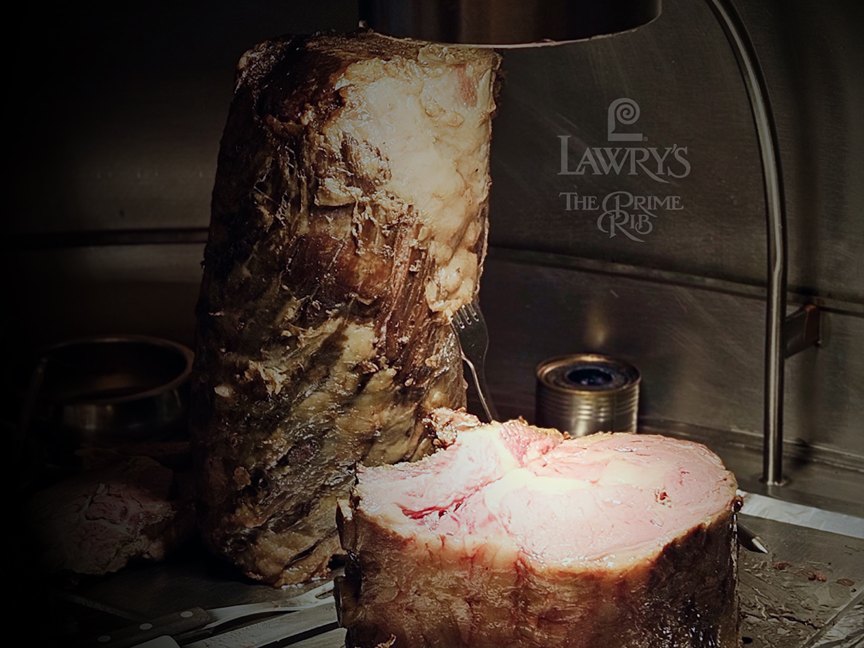
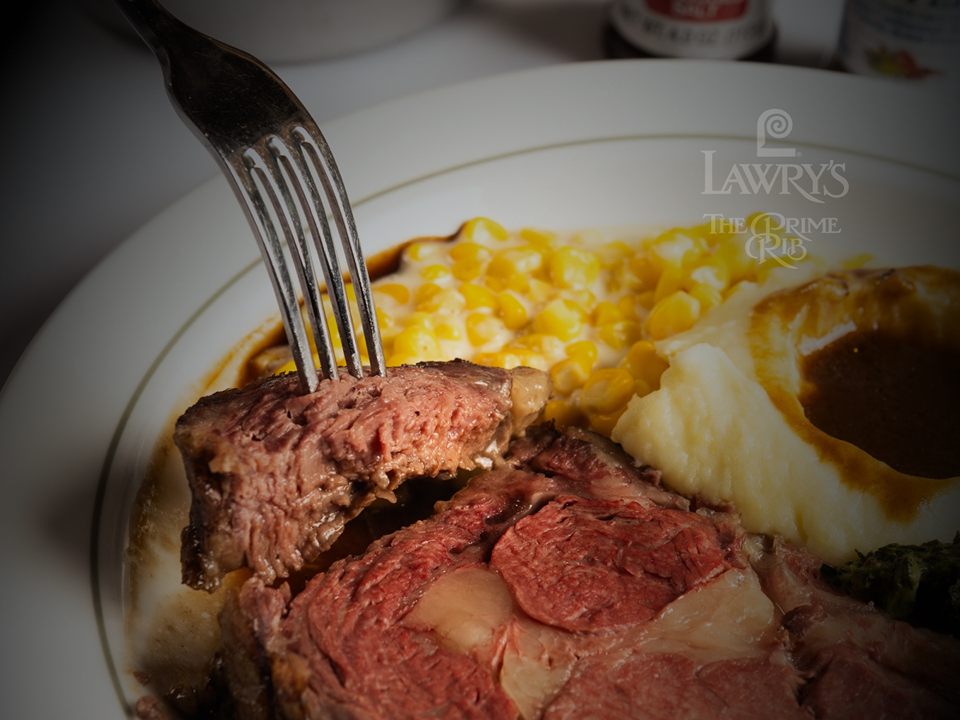
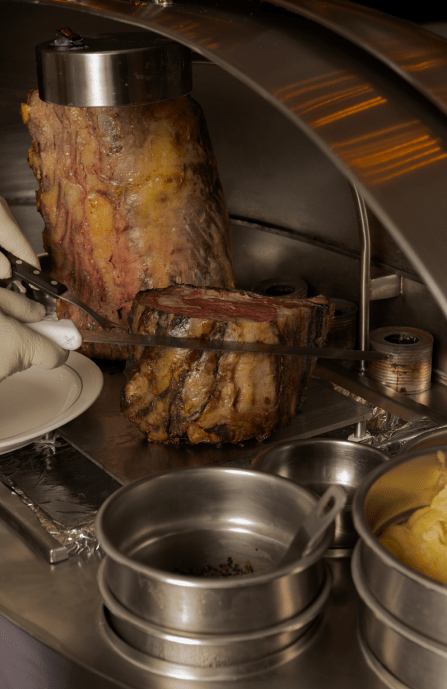
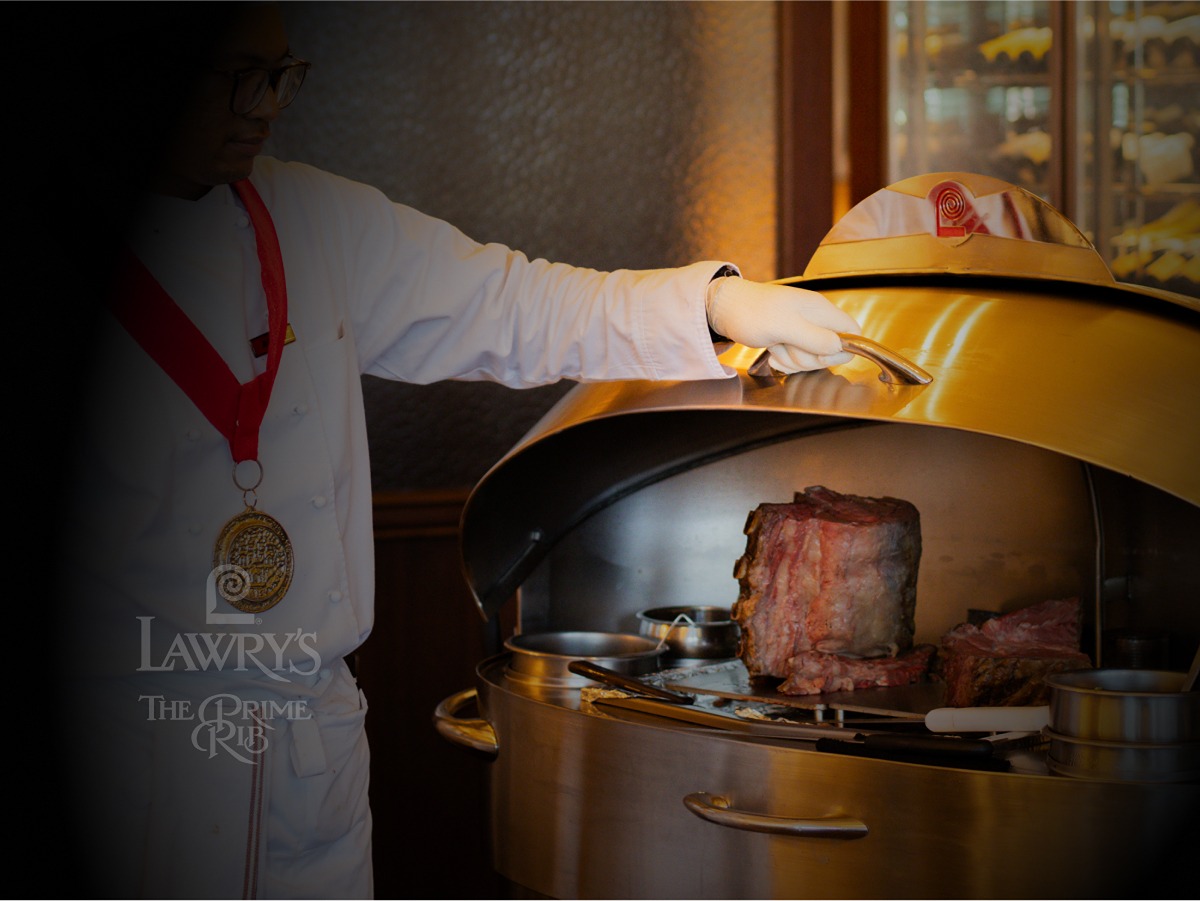
While these comprehensive methods offer a splendid range of possibilities for cooking steaks at home, Lawry’s The Prime Rib Jakarta’s expertise allows you to enjoy the best steaks without any of the hassle. The menus at Lawry’s promise to delight– from our perfectly seasoned ribeye or the melt-in-your-mouth tenderness of a filet mignon, we have everything for everyone.
FAQ
1. What is the easiest steak cooking method for beginners?
Pan-searing is the easiest method. It requires minimal equipment and ensures a flavorful crust while keeping the meat tender and juicy.
2. Which cooking method is best for tougher cuts like chuck or brisket?
Braising is ideal for tougher cuts as it uses low and slow cooking with liquid to break down the meat, resulting in tender and flavorful dishes.
3. What is the benefit of the sous vide method for steak?
Sous vide ensures precise doneness and consistent results, making it perfect for those who want ultimate control over the steak’s texture and flavor.
Reserve Table
Lawry’s Restaurants is the perfect place to begin your venue search for any occasion.