
What Is Tri-Tip Steak? A Complete Guide to This Bottom Sirloin Cut
Tri-tip steak comes from the bottom sirloin of the cow, specifically the triangular muscle at the very tip of the sirloin. It sits near the rear of the animal, and there is only one tri-tip per side of beef. That’s the short answer.
But now, let’s be real, this cut deserves a little more attention than a single sentence. If you’ve ever wondered why tri-tip has such a loyal following, especially in California, read on!
Tri-tip is a triangular cut weighing roughly 1.5 to 2.5 pounds. Its name comes from both its shape and its location at the “tip” of the sirloin. For decades, butchers overlooked it because there were so few per cow. Many ground it into hamburger meat or cubed it for stew. That changed in the 1950s, when Santa Maria butchers began treating it like a steak. As they discovered that this cut balances flavor, texture, and versatility in a way few others do. Today, it’s often called California’s Cut or Santa Maria steak, and it has earned that reputation.
When it comes to texture and flavor, tri-tip lives in an interesting middle ground. It’s leaner than ribeye but more marbled than tenderloin. The fat content is modest, which gives it a clean, beef-forward taste without feeling heavy. The marbling isn’t dramatic, but it’s enough to keep the meat juicy when cooked properly. The real twist comes from its muscle structure. Tri-tip contains two distinct grain directions, which gives it a slightly chewy texture if mishandled, but a tender bite if treated with care. Flavor-wise, it’s rich, savory, and slightly robust. Think hearty beef flavor without excessive fat. It’s the type of steak that doesn’t need much help to taste good, though it plays well with seasoning and smoke.
Next, let’s talk cooking. Tri-tip is flexible, which is part of its charm. You can grill it, roast it, smoke it, or pan-sear it. The most popular approach is a two-step method. First, sear it over high heat to develop a crust. Then, finish it over lower, indirect heat until it reaches your desired doneness. Medium rare is the sweet spot for most people. Pull it off the heat around 60°C and let it rest until it reaches about 63°C. Resting matters here. Skip it, and all those juices will run out faster than your patience on a Monday morning. Smoking is another great option, especially if you like a deeper, wood-fired flavor. Because tri-tip is smaller than brisket, it cooks faster, making it ideal if you want bold barbecue results without the all-day commitment.
Then comes the part many people overlook: slicing. This is where tri-tip can either shine or sabotage you. Tri-tip has two different grain directions running through it. If you slice it straight through without paying attention, some pieces will be cut with the grain, resulting in a chewy bite. The fix is simple. First, identify where the grain changes direction. After cooking, separate the tri-tip into two sections along that natural line. Then, slice each section against the grain. Cutting across the muscle fibers shortens them, making the meat easier to chew. It’s not complicated, but it does require a moment of focus.
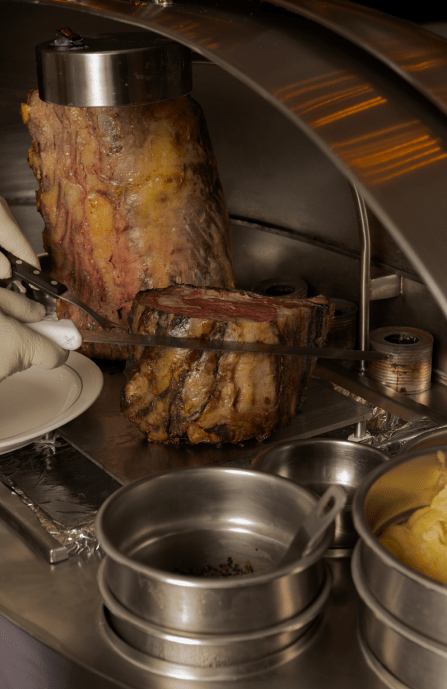
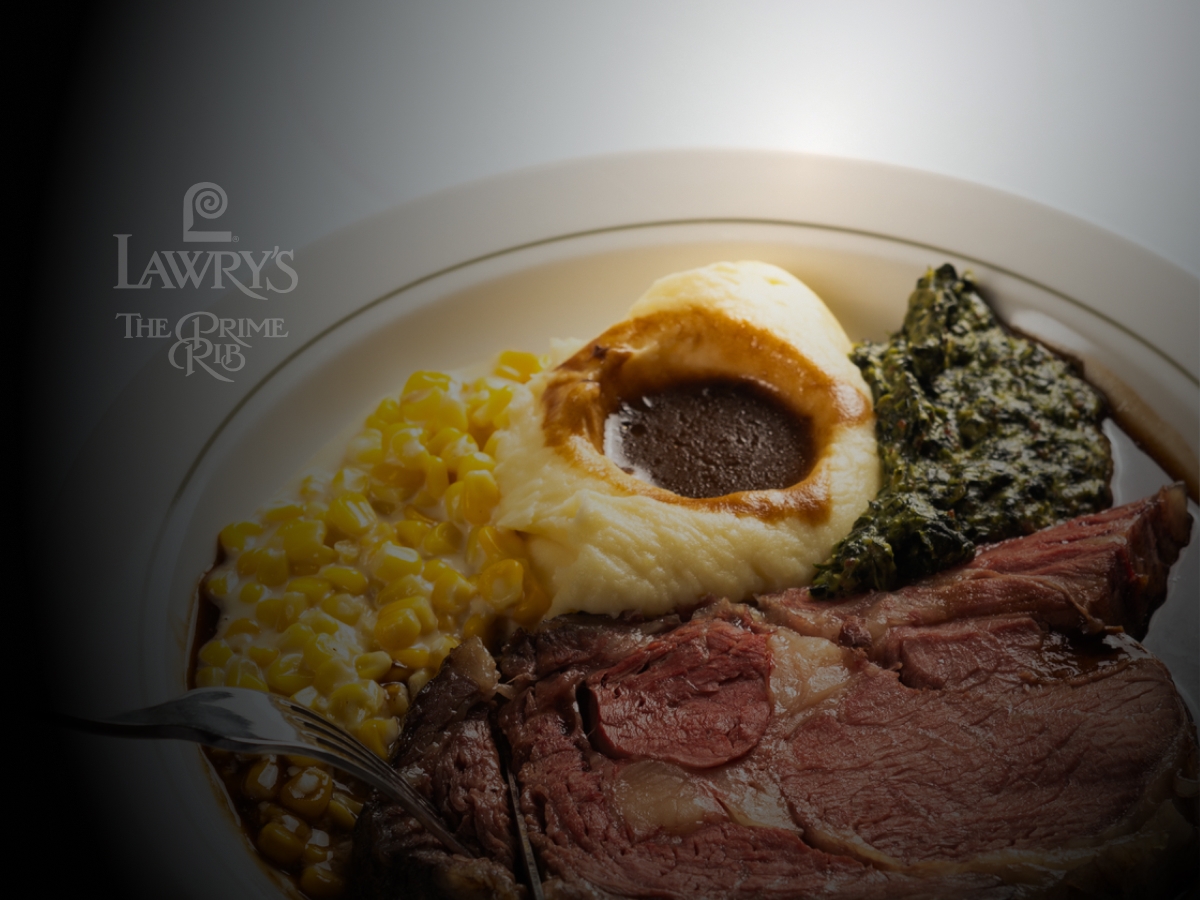
Finally, if reading about tri-tip has made you hungry, you’re not alone. While cooking it at home is rewarding, enjoying a perfectly prepared steak in a refined setting is another level altogether. If you’re exploring fine dining in Jakarta, Lawry’s offers a setting where premium cuts meet classic technique. You can explore the selections on the Lawry’s menu, from steaks to their signature prime rib, all paired with thoughtfully chosen drinks. When you’re ready, go ahead and book your seat for a relaxed, polished dining experience. Sometimes, the best way to appreciate a great cut of beef is to let the experts handle it.
FAQ
Tri-tip steak comes from the bottom sirloin of the cow, specifically the triangular muscle at the very tip of the sirloin.
Tri-tip gained popularity in the 1950s in California, especially in Santa Maria, because it balances flavor, texture, and versatility well, earning it the nickname 'California's Cut' or 'Santa Maria steak'.
Tri-tip is leaner than ribeye but more marbled than tenderloin. It offers a rich, savory, and slightly robust flavor with enough marbling to keep the meat juicy.
Tri-tip is best cooked using a two-step method: first, sear it over high heat to develop a crust, then finish it over lower, indirect heat to your desired doneness, ideally medium rare.
After cooking, separate the tri-tip into two sections along the natural line where the grain changes direction, then slice each section against the grain to make it easier to chew.
Reserve Table
Lawry’s Restaurants is the perfect place to begin your venue search for any occasion.