
Why Steak Thickness Impacts Flavor More Than You Think
Let’s start with the star of the show, the crust. A steak crust is the dark, browned outer layer that forms when meat meets high heat. It’s the result of proteins and sugars reacting under heat, creating complex flavors and aromas. This crust adds contrast. Crisp outside, juicy inside. That balance is why a good steak tastes so satisfying. Let’s be real, without a crust, a steak can feel like it’s missing the punchline.
Now here’s where thickness comes in. Thicker steaks make better crusts. They give you time. Time to brown the surface properly without overcooking the center. Thin steaks rush the process. You crank the heat to build color, and suddenly the inside is already past its prime. It’s like trying to toast bread and melt ice cream at the same time. Not ideal.
Several factors influence how well a crust forms. First, moisture. Water is the enemy of browning. If the surface is wet, heat goes into steaming instead of searing. Next comes heat. A pan or grill needs to be hot enough to kick off browning quickly. Then there’s fat. Some fat helps conduct heat and adds flavor as it renders. Finally, time and thickness work together. Thicker steaks handle longer exposure to heat without drying out, which helps develop a deeper crust.
So how do you actually get that crust at home? Let’s break it down step by step.
First, dry brining. This simply means salting the steak ahead of time and letting it rest uncovered. The salt draws out surface moisture, then reabsorbs into the meat. After that, the surface dries out. That dry surface browns faster. Even one to four hours helps. Overnight works even better for thicker cuts. Skip this step and you’re starting with one hand tied behind your back.
Next, searing. This is where heat does its thing. Use a heavy pan or a hot grill. Cast iron works well because it holds heat. Add a high smoke-point oil. Then lay the steak down and let it make contact. Don’t move it too soon. You’re not being rude. You’re letting the crust form. Once it releases naturally, you know it’s ready to flip.
Then comes the flipping debate. Single flip or multiple flips? Both work, but thickness matters. For thicker steaks, multiple flips can help build an even crust while keeping the inside at the right temperature. Flipping every 30 to 60 seconds allows heat to distribute more evenly. For thinner steaks, a single flip works fine because the cook time is short. The key is watching the surface, not the clock.
After that, butter basting can add flavor, but it’s optional. Butter browns quickly, so it’s best used toward the end, especially with thicker steaks. Add butter, herbs, and garlic. Tilt the pan. Spoon the butter over the steak. Keep it brief. You want flavor, not burnt milk solids.
Resting matters too. Once the steak is off the heat, let it rest uncovered for a few minutes. This allows juices to redistribute without softening the crust. Cutting too soon pushes juices out and dulls the texture you worked hard to create.
So why does thickness impact flavor more than you think? Because thickness controls everything. It affects moisture retention, crust development, doneness, and margin for error. A steak around one to one-and-a-half inches thick hits the sweet spot. It browns well. It stays juicy. It gives you control.
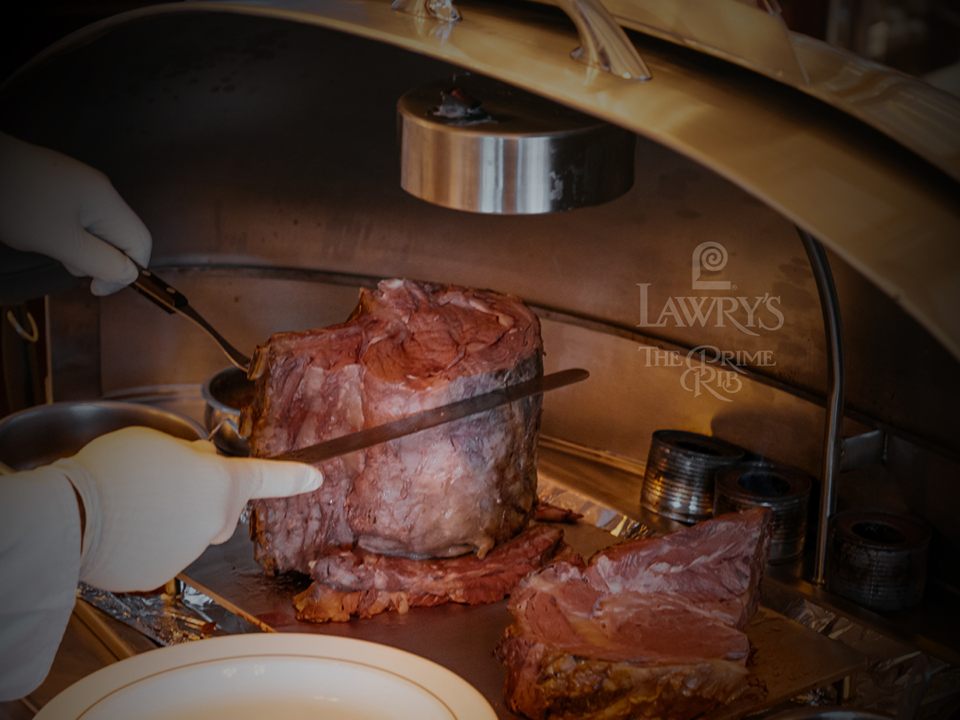
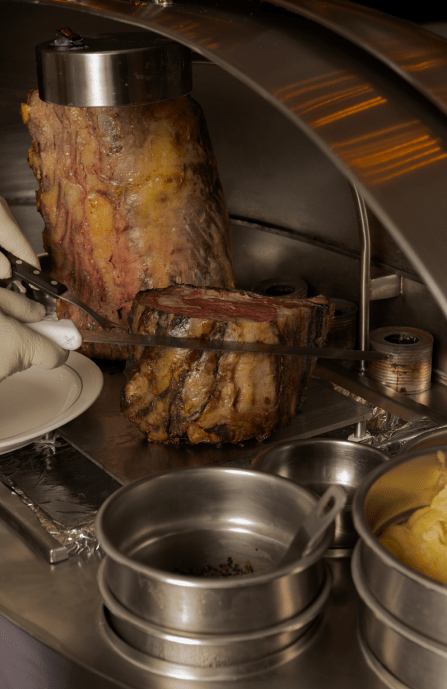
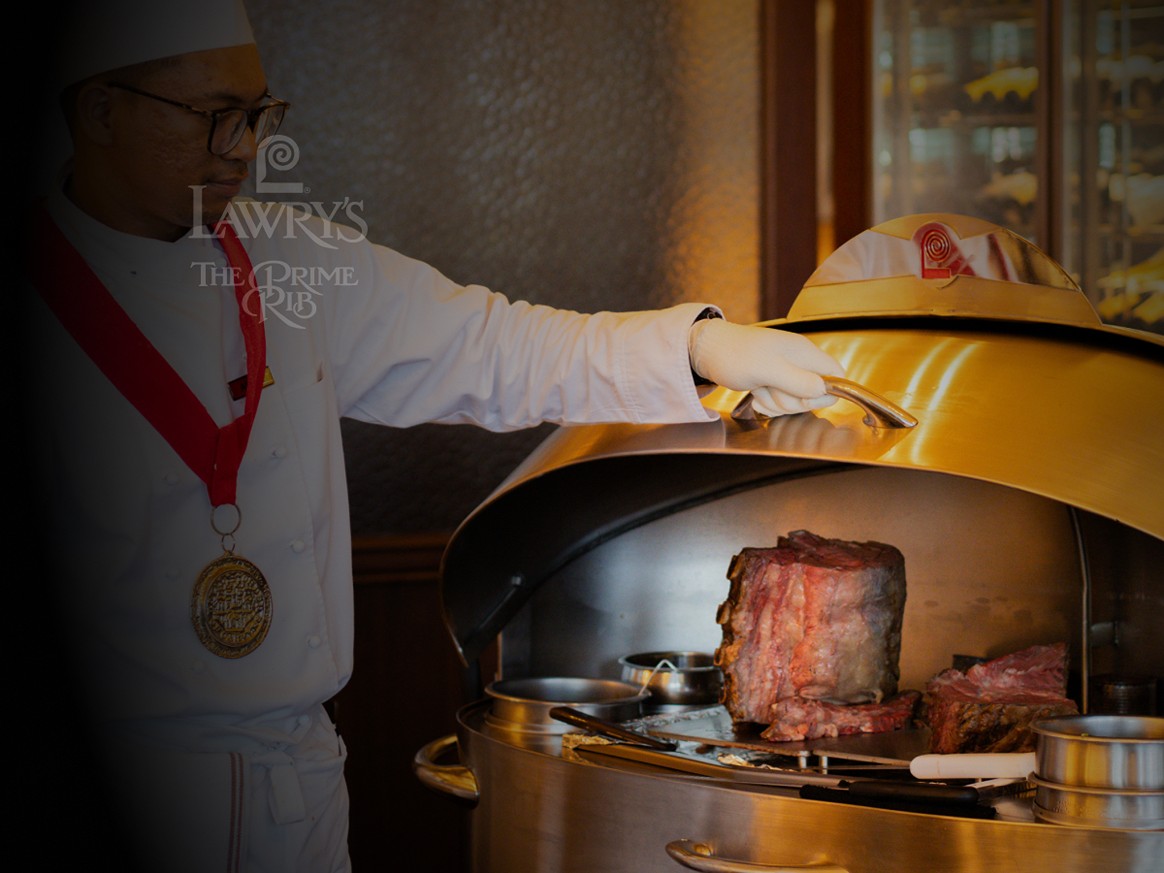
If all of this sounds fun but slightly exhausting, there’s no shame in letting professionals handle it. At Lawry’s The Prime Rib Jakarta, thickness, heat, and timing are handled with precision. Each steak is cooked to highlight contrast and depth in a refined fine dining jakarta setting.
You can explore the full Lawry’s menu and see how classic cuts and prime rib are prepared with care. When you’re ready, simply book your seat and enjoy a steak where the crust, the center, and the balance are exactly where they should be.
Finally, whether you’re cooking at home or dining out, remember this. Thickness isn’t just a measurement. It’s the difference between a steak that’s fine and one that makes you pause after the first bite.
FAQ
The steak crust is the dark, browned outer layer that forms when meat meets high heat, creating complex flavors and aromas. It adds contrast with a crisp outside and juicy inside, contributing to a satisfying taste.
Thicker steaks allow more time to brown the surface properly without overcooking the center, resulting in a better crust. Thin steaks rush the process, risking overcooking the inside while trying to develop color.
Moisture hinders crust development because if the surface is wet, the heat goes into steaming instead of searing. Drying the surface through methods like dry brining enhances browning.
Resting the steak allows juices to redistribute without softening the crust. This prevents juices from pushing out when cutting and maintains the texture and flavor developed during cooking.
Thickness impacts flavor by controlling moisture retention, crust development, doneness, and margin for error. Steaks around one to one-and-a-half inches thick achieve the ideal balance between browning and juiciness.
Reserve Table
Lawry’s Restaurants is the perfect place to begin your venue search for any occasion.