
How to Tell If Your Steak Has Gone Bad: Signs to Watch For
A steak that has gone bad usually gives itself away pretty quickly. It may smell sour, sharp like ammonia, or unpleasantly similar to rotten eggs. The surface can also feel slimy or take on a gray-green color.
Still, a brown patch or an unfamiliar smell does not always mean the meat belongs in the trash. The safest approach is to check the smell, texture, color, and storage time together. Before the steak reaches the pan – to save yourself from more trouble – here is how to tell the difference between a harmless change and a genuine warning sign!
Start with the Smell
Fresh raw beef usually has a mild scent that may seem slightly metallic because of myoglobin, the protein that gives meat much of its color. A steak gone bad produces a noticeably unpleasant odor. Sour, rancid, sulfur-like, or ammonia-like smells suggest spoilage.
Dry-aged steak has a more developed aroma, sometimes described as nutty, earthy, or cheese-like, because it has matured under controlled conditions. That aroma should be evaluated alongside the surface and storage history. A harsh odor paired with slime or discoloration is reason to discard the meat.
Check the Surface and Texture
Fresh steak should feel firm and slightly moist. Press it gently with a clean finger. The meat should spring back instead of holding a deep indentation. A sticky, tacky, or slimy coating is one of the clearest physical signs of spoiled steak. The surface may leave residue on your fingers or feel slick in a way that ordinary moisture does not. Meat that stays sunken after light pressure may also have deteriorated, particularly when another warning sign is present.
Do not rinse questionable steak to remove slime or odor! Washing cannot reverse spoilage and can spread raw meat juices around the sink and nearby surfaces.
Read the Color in Context
Beef changes color as its pigments react with oxygen. A bright red steak can gradually turn reddish-brown or brown during refrigeration, and that change alone does not prove it has spoiled. USDA guidance notes that color should be considered together with odor and texture.
Gray-green areas, an iridescent film accompanied by a bad smell, or brown meat that has become sticky or slimy deserves greater concern. Visible mold is decisive. Green, white, or fuzzy growth means the steak should go straight into the trash rather than having the affected section trimmed away.
Check How Long It Has Been Stored
Raw steaks kept in a refrigerator at 4°C or below should generally be cooked or frozen within three to five days. Beef thawed safely in the refrigerator also has a three-to-five-day window before cooking or refreezing.
Continuously frozen beef remains safe indefinitely at −18°C, although quality declines over time. USDA guidance recommends using steaks and roasts within nine to twelve months for the best quality. Freezer burn appears as pale, dry, or gray patches. It affects tenderness and flavor, but it does not by itself make the meat unsafe.
Dates on the package help with planning, though they cannot replace proper temperature control or a sensory check. Discard steak when its storage history is uncertain and spoilage signs appear. Never taste raw or cooked meat to test whether it is safe.
Or… You Can Make the Easy Decision!
Throw the steak away when mold is visible, the odor is immediately intolerable, or a slimy surface appears with unusual discoloration. The same applies when meat has remained above 40°F for over two hours or its temperature history cannot be confirmed. A discarded steak costs less than a foodborne illness.
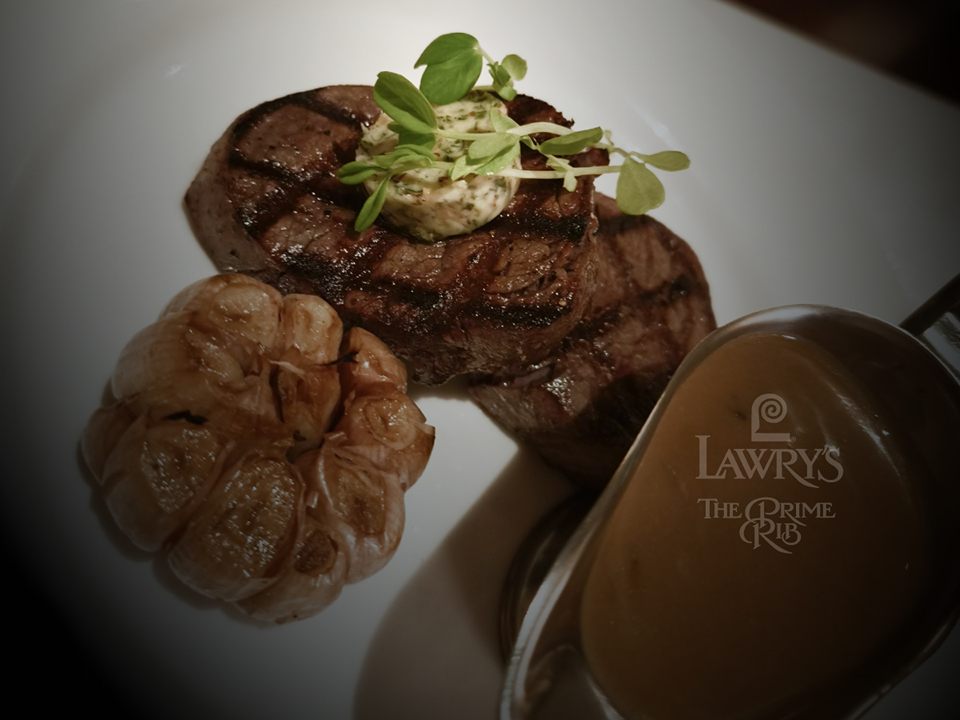
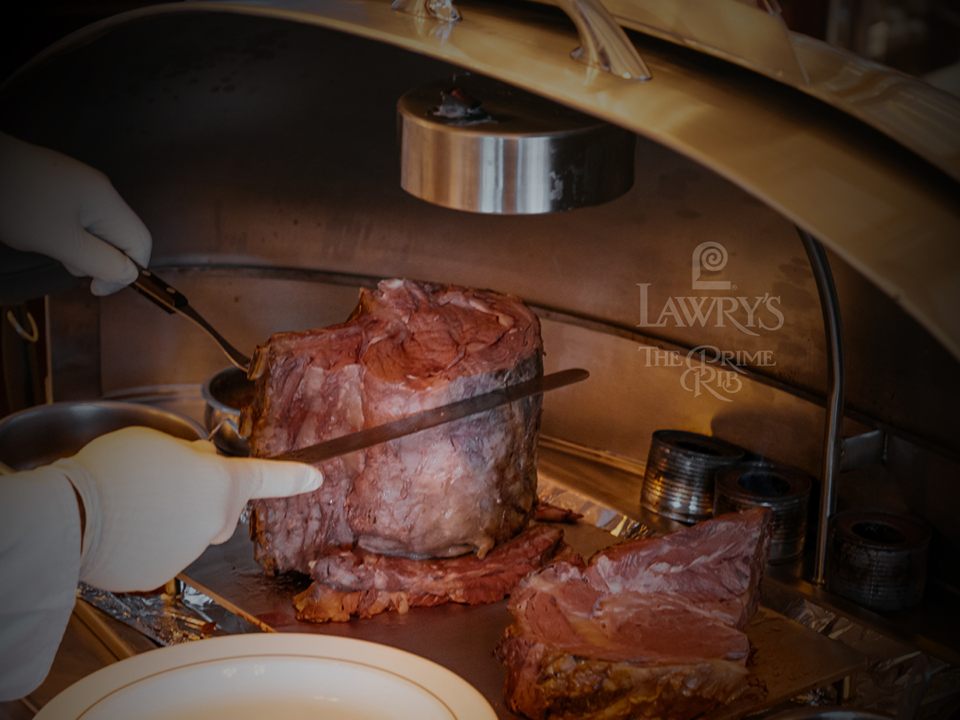
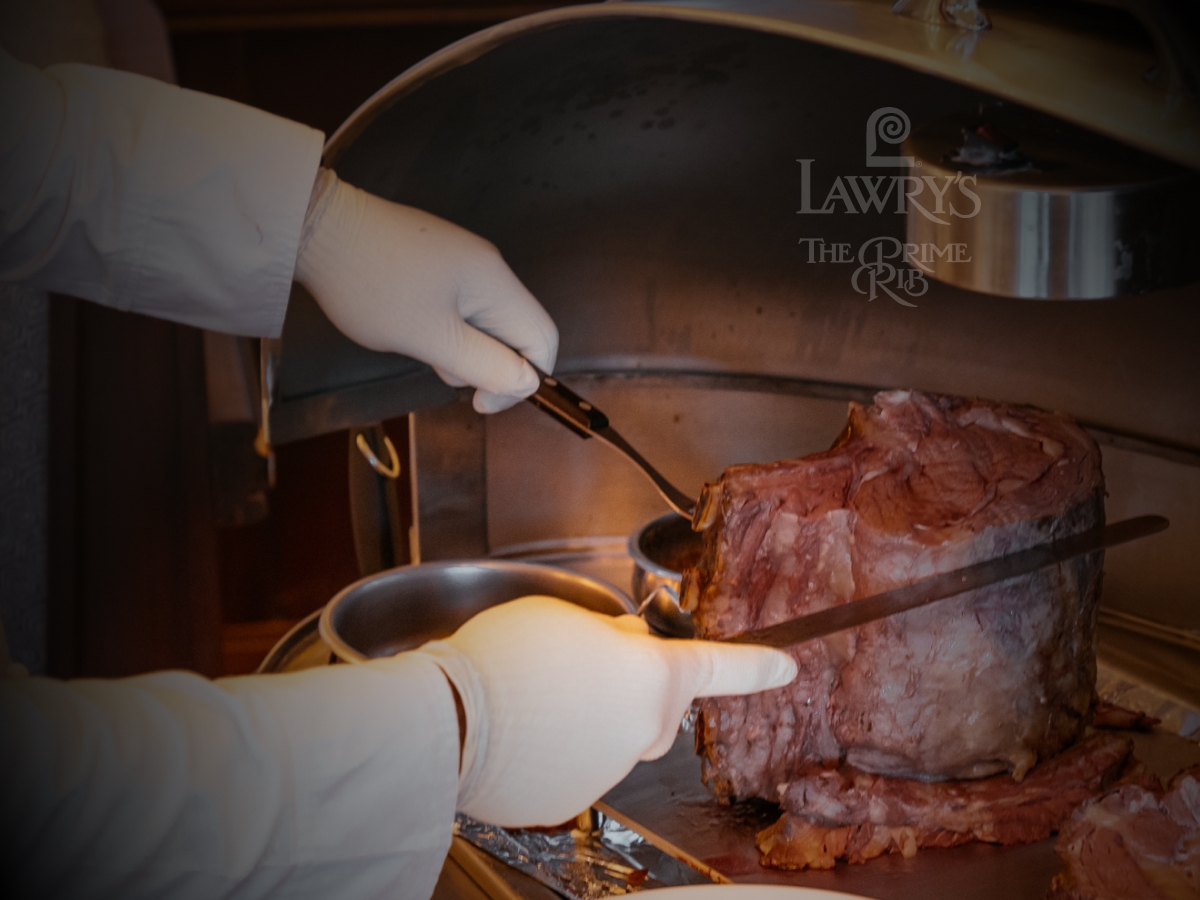
Guests looking for fine dining Jakarta can leave those refrigerator checks at home. Lawry’s prepares its prime rib with Certified Angus Beef selected under established quality standards. Browse Lawry’s menu to choose your cut, then book your seat and enjoy prime rib freshly prepared for the table.

Reserve Table
Lawry’s Restaurants is the perfect place to begin your venue search for any occasion.