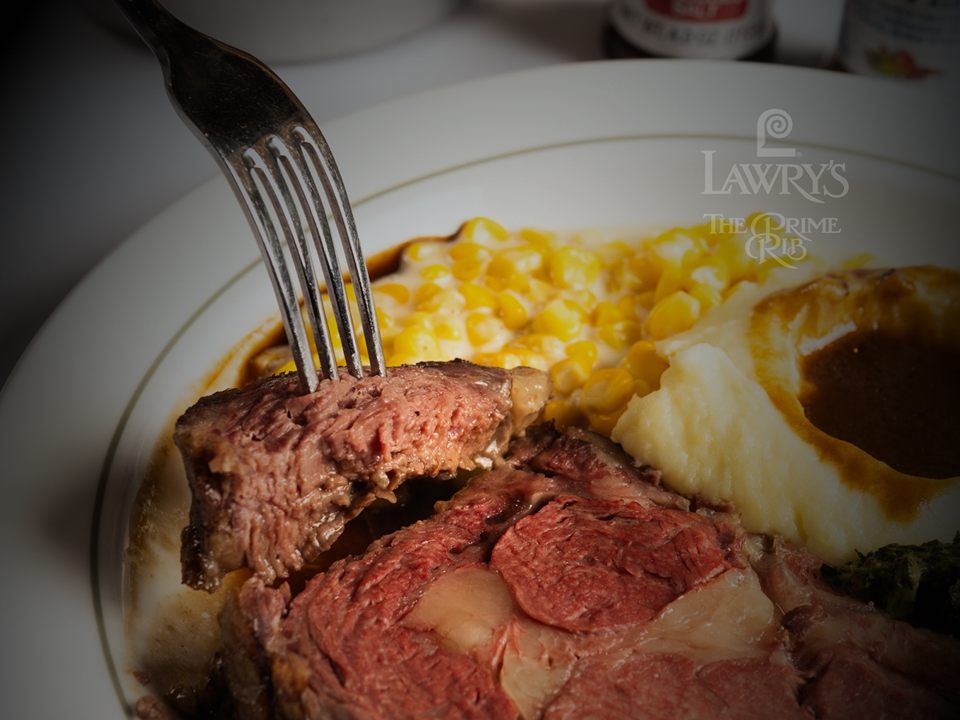
Prime Rib Cut Guide: How to Slice Prime Rib Like a Pro
A beautifully cooked prime rib deserves better than being hacked at the finish line. Cut too thick, too thin, or against the wrong angle, and even a perfectly roasted joint can lose some of its charm on the plate.
If you are learning how to cut prime rib, pay attention to where the bones sit, how the muscle fibers run, and how evenly each portion is sliced. A little care with the knife gives you neater slices, better texture, and far less wrestling with an expensive roast. Here is how to carve it properly.
What Is a Prime Rib Cut?
Prime rib comes from the rib section of the cow and is commonly sold as a standing rib roast. A whole standing rib roast contains seven ribs, although butchers frequently divide it into smaller portions. The section closer to the loin is known as the first cut, small end, or loin end, while the section closer to the chuck is called the second cut or large end.
The first cut tends to contain less connective tissue and has a more uniform shape. The second cut carries additional fat and marbling, which can contribute extra moisture and flavor during slow roasting. A prime rib cut chart will often show these divisions alongside the ribeye and surrounding muscles.
Understanding the Different Parts of a Prime Rib Cut
Bone-In Prime Rib
A bone-in prime rib cut keeps the ribs attached during cooking. The bones can help regulate the way heat reaches the meat, although they also make carving slightly more involved. One useful approach is to have the roast removed from the bones and tied back onto them before cooking. Once dinner is ready, the strings can be cut and the roast lifted away for easier slicing.
Boneless Prime Rib
Boneless prime rib eliminates that extra carving step. With no rib bones to navigate, the roast can be sliced directly into portions after resting. The trade-off is largely about preference and preparation. Bone-in makes for a substantial presentation and can help during cooking, while boneless gives you a simpler roast to season, portion, and serve.
The Ribeye Section
The ribeye muscle forms an important part of prime rib. In fact, ribeye steaks come from the same rib section, which explains why both cuts are known for generous marbling and rich beef flavor. The ribeye is particularly prominent in the first cut, which comes from ribs closer to the loin.
The Spinalis or Rib Cap
Wrapped around the outside of the ribeye is the spinalis, commonly called the ribeye cap. Beef industry references identify the spinalis as a separate muscle from the ribeye center and describe it as especially tender and well marbled. Beef – It’s What’s For Dinner
It is one reason slices from different areas of the same prime rib can vary slightly in texture and richness. Someone who particularly enjoys the fatty outer edge may actually be gravitating toward the rib cap.
Prime Rib Cut Guide: How to Slice Prime Rib Like a Pro
Before reaching for the knife, let the roast rest. Many recommend around 30 minutes under loosely tented foil, giving the juices time to redistribute through the meat. Cutting too early can send those juices onto the board instead of keeping them in each serving.
For bone-in prime rib, position the roast so you can clearly reach the ribs. Using a sharp carving knife, follow the natural curve between the meat and bones and separate them in one controlled section. Once the bones are removed, identify the direction of the muscle fibers and slice against the grain. Cutting across those fibers shortens them, giving each bite a more tender texture.
Keep the portions reasonably uniform and wipe the blade between cuts when needed. Prime rib is often served somewhat thicker than ordinary roast beef; many suggest roughly 0.5–0.8 cm slices, although you can adjust the thickness to suit the meal.
If you are comparing portion size or working out how the cut fits into your meal, understanding prime rib nutrition can also help when deciding how much to serve.
How to Get That “Pro” Prime Rib Experience Without Slicing It Yourself
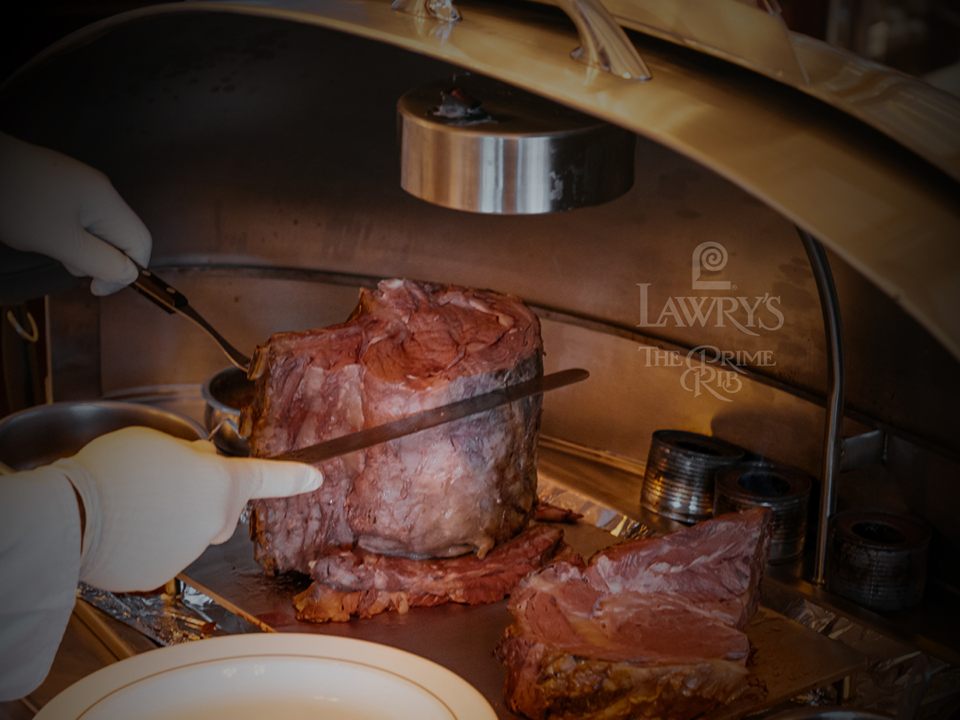
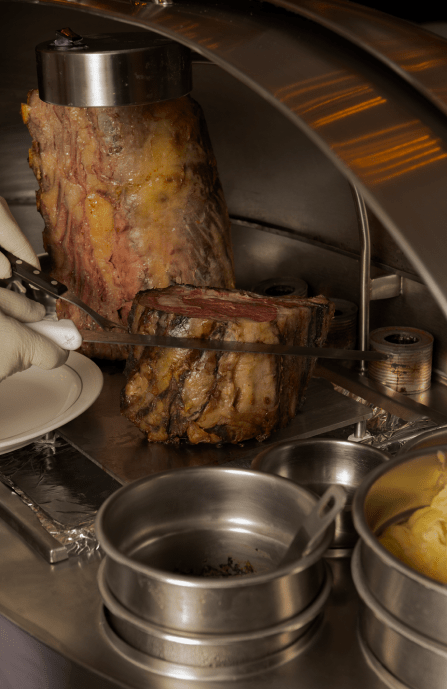
Of course, owning a sharp carving knife is optional when someone else is prepared to handle the roast. For diners looking for the best prime rib in Jakarta, Lawry’s The Prime Rib Jakarta puts the preparation and serving in professional hands. Prime rib is central to the restaurant’s dining experience, allowing guests to concentrate on choosing their preferred portion rather than monitoring an oven, removing bones, finding the grain, and hoping the first slice comes out clean.
If the hassle of carving a rib roast sounds less appealing than eating one, explore fine dining Jakarta at Lawry’s The Prime Rib Jakarta and enjoy its signature prime rib prepared and served by the team!
Reserve Table
Lawry’s Restaurants is the perfect place to begin your venue search for any occasion.