All You Need to Know About Prime Rib – Why is It Special?
Prime rib is often hailed as the crown jewel of beef cuts, prized for its succulent flavor and tender texture. But what exactly makes it so special? Why do people associate this culinary delight with holiday dinners and grand celebratory occasions? It’s time to dive into the essentials of prime rib and uncover why it is a must-try for any meat lover.
Table of Contents
ToggleWhat is Prime Rib?
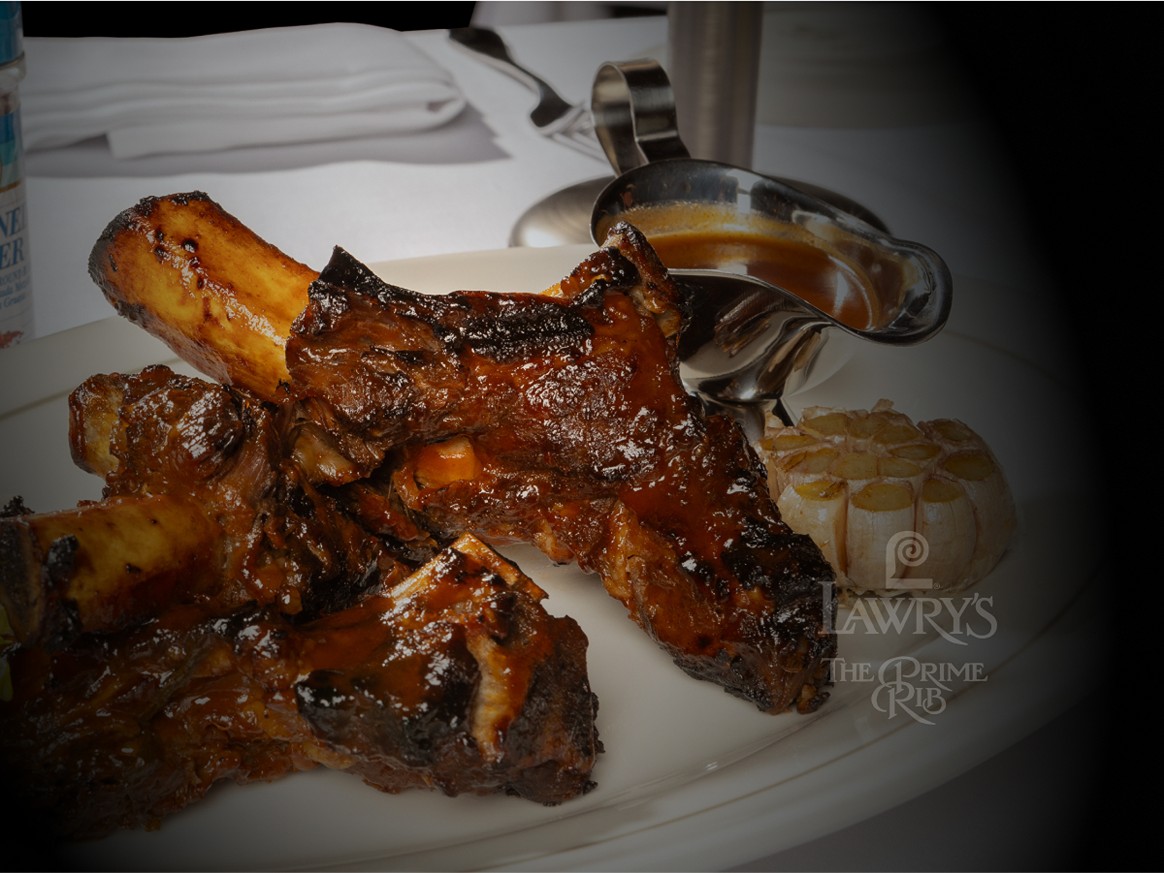
Prime rib is cut from the primal rib section of the cow, which spans ribs six through twelve. The term “prime” refers to the USDA grading system, which ranks beef based on its marbling and age. Prime grade beef has the highest amount of marbling, leading to a juicier and more flavorful roast. This cut is prized for its marbling—fat interspersed with lean muscle—which contributes to its rich flavor and tender texture. This high-fat content means that while the meat is cooking, the fat and collagen in the muscle are melting and keeping the surrounding meat moist.
The magic of prime rib lies in its flavor and texture. The generous marbling throughout the meat ensures a buttery, melt-in-your-mouth experience. This internal fat imparts a deep, beefy flavor that is hard to match, while the rib bones add additional flavor and moisture to the meat.
Many chefs and home cooks prefer bone-in prime rib for this reason, as bone-in prime rib is favored for its ability to insulate the meat during cooking, resulting in more flavorful and tender meat. However, boneless prime rib offers the convenience of easier carving. Regardless of your choice, keeping the fat cap intact over the roast helps prevent drying during cooking.
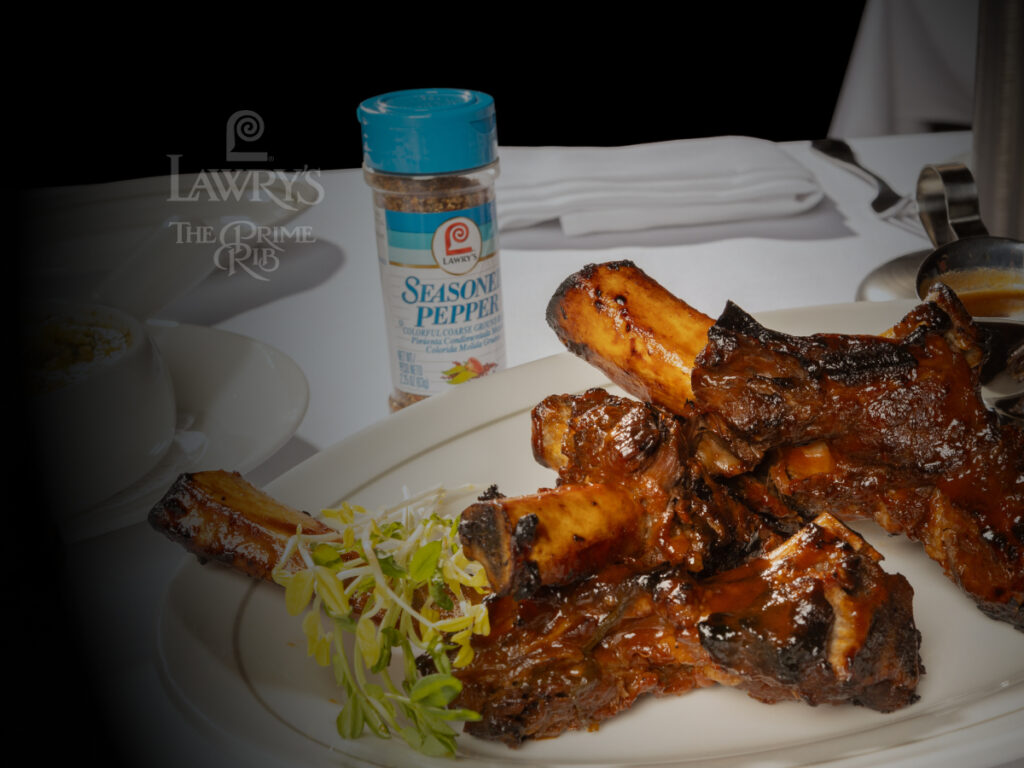
The outer crust, seasoned with a blend of herbs and spices, contrasts beautifully with the juicy, medium-rare interior. The best restaurants serving prime rib in Jakarta understand the perfect seasoning to elevate this dish. For nearly 80 years, Lawry’s with its renowned seasoned salt has been the top choice for those seeking the most delicious and expertly prepared prime rib roast.
Prime rib is traditionally served with its own natural juices, often called au jus. This simple sauce enhances the beef’s flavor without overpowering it. Horseradish sauce is another classic accompaniment, providing a sharp contrast to the rich meat. For sides, prime rib pairs well with a variety of dishes, from creamy mashed potatoes and Yorkshire pudding to roasted vegetables and fresh salads. The key is to choose sides that complement the rich and robust flavors of the beef without competing with it.
Prime Rib vs. Ribeye: What’s the Difference?
At first glance, prime rib vs ribeye can be confusing—because they actually come from the same part of the cow, the rib section. The main difference isn’t the meat itself, but how it’s cut and cooked.
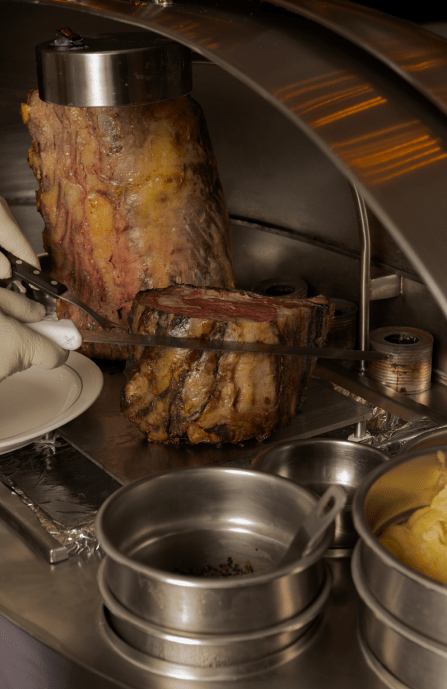
Prime rib is cooked as a whole roast first, then sliced after it’s done. This method allows the meat to stay extra juicy, tender, and evenly cooked from edge to center. It’s usually served thick and feels very “special occasion” worthy.
Ribeye, on the other hand, is cut into individual steaks before cooking. Each steak is cooked separately—grilled or pan-seared—giving you a flavorful crust and a rich, beefy taste, but with less of that slow-roasted tenderness you get from prime rib.
How to Cook Prime Rib Like a Pro
If you’ve ever wondered how to cook prime rib so it turns out tender, juicy, and evenly cooked—slow roasting is the secret.
1. Go Low and Slow
Cooking prime rib at a low temperature (around 120–135°C / 250–275°F) allows the heat to gently penetrate the meat. This prevents the outside from overcooking while the inside is still raw, resulting in a perfectly pink interior.
2. Use Rock Salt as a Heat Insulator
A pro-level trick is placing rock salt at the bottom of the roasting pan. The salt helps stabilize heat, protects the bottom of the roast from direct high temperatures, and adds subtle seasoning as the meat cooks.
3. Always Use a Meat Thermometer
Because cooking time for prime rib can vary depending on size and oven accuracy, internal temperature is far more reliable than time alone.
Tips for a Perfect Prime Rib (The Lawry’s Way)
Inspired by the classic steakhouse method, here’s how to take your prime rib to the next level:
- Season generously, but simply
Salt and pepper are often all you need. Let the natural flavor of the beef shine. - Let it rest—don’t rush
After roasting, rest the prime rib for at least 20–30 minutes. This helps the juices redistribute, making every slice moist and flavorful. - Finish with a high-heat blast (optional)
For a beautiful crust, increase oven temperature at the very end for a few minutes—just enough to brown the exterior without overcooking the inside. - Slice against the grain
This makes each bite more tender and easier to chew.
As you browse through Lawry’s menu, you’ll see that every side dish is expertly crafted to perfectly complement your prime rib roast. These sides elevate the meat’s flavor, showcasing why prime rib is such a special dish to enjoy. Secure your table and enjoy the best prime rib in Jakarta!
FAQ
1. What makes prime rib different from other beef cuts?
Prime rib is known for its high marbling, which gives it a rich, buttery flavor and tender texture.
2. Is bone-in or boneless prime rib better?
Bone-in prime rib is favored by many for its enhanced flavor and moisture retention during cooking. However, boneless prime rib is easier to carve and offers a delicious, juicy roast.
3. What are the best sides to serve with prime rib?
Prime rib pairs well with creamy mashed potatoes, Yorkshire pudding, and roasted vegetables. These sides complement its robust flavors without overwhelming the meat’s rich taste.
Semua yang Perlu Anda Ketahui Tentang Prime Rib – Mengapa Mereka Sangat Istimewa?
Prime Rib sering dianggap sebagai bagian istimewa dari potongan daging sapi, disukai karena rasanya yang lezat dan teksturnya yang lembut. Tapi sebenarnya apa yang membuat Prime Rib begitu istimewa? Mengapa Prime Rib identik dengan perayaan makan malam atau perayaan istimewa lainnya? Sudah waktunya untuk mengetahui esensi prime rib dan mengungkap mengapa Prime Rib dijadikan makanan yang wajib dicoba bagi pecinta daging.
Apa Itu Prime Rib?
Prime rib dipotong dari bagian Primal Rib (Iga), potongan ini dibuat antara tulang rusuk ke-6 hingga tulang rusuk ke-12. Istilah “prime” mengacu pada sistem penilaian USDA, yang mengklasifikasikan daging sapi berdasarkan marbling dan usianya. Daging sapi dengan kualitas prime memiliki jumlah marbling tertinggi, menghasilkan steik yang lebih juicy dan lebih beraroma. Potongan ini disukai karena marbling-nya—lemaknya melimpah dan memiliki serat yang besar—yang membuat daging ini memiliki kaya cita rasa dan tekstur yang lembut. Kandungan lemak yang tinggi mempengaruhi proses masak pada daging, lemak dan kolagen dalam otot meleleh dan menjaga daging di sekitarnya tetap lembab.
Keajaiban prime rib terletak pada rasa dan teksturnya. Marbling yang banyak di seluruh daging memberi esensi yang lembut dan meleleh di mulut. Lemak ini memberikan rasa daging sapi yang mendalam yang sulit ditandingi, sementara tulang rusuk (Iga) menambah rasa dan kelembaban pada daging. Banyak koki atau juru masak rumahan yang lebih memilih prime rib dengan tulang karena alasan ini, prime rib dengan tulang disukai karena tulang menambahkan rasa pada daging, menghasilkan daging yang lebih beraroma dan lembut. Tapi, prime rib yang diolah tanpa tulang akan lebih mudah saat dipotong. Terlepas dari pilihan Anda, menjaga lapisan lemak tetap utuh di atas panggangan membantu mencegah pengeringan selama memasak.
Kulit luar yang dibumbui dengan campuran rempah-rempah dan bumbu, akan tampak kontras dengan bagian dalam daging yang juicy dan setengah matang. Restoran terbaik yang menyajikan prime rib di Jakarta tentunya memahami bumbu yang sempurna untuk meningkatkan cita rasa hidangan ini. Selama hampir 80 tahun, Lawry’s dengan garam bumbu terkenalnya telah menjadi pilihan utama bagi mereka yang mencari steik prime rib yang paling lezat dan disajikan dengan profesional.
Prime rib secara tradisional disajikan dengan saus alami, yang sering disebut au juice. Saus sederhana ini meningkatkan rasa daging sapi yang tak terkalahkan. Pilihan saus lainnya adalah saus lobak yang dikenal sebagai pelengkap klasik, memberikan rasa yang kontras pada daging. Untuk pendamping, prime rib cocok dengan berbagai hidangan, mulai dari mashed potato yang lembut dan puding Yorkshire hingga salad yang segar. Kuncinya adalah memilih pendamping yang menambah cita rasa daging sapi, namun tak menghilangkan esensi dari rasa asli daging tersebut.
Prime Rib vs. Ribeye: Apa Bedanya?
Sekilas, prime rib vs ribeye memang bisa membingungkan—karena keduanya berasal dari bagian sapi yang sama, yaitu bagian iga (rib). Perbedaan utamanya bukan pada jenis dagingnya, melainkan cara pemotongan dan cara memasaknya.
Prime rib dimasak terlebih dahulu dalam bentuk satu potongan utuh (whole roast), lalu baru diiris setelah matang. Cara ini membuat daging tetap sangat juicy, empuk, dan matang merata dari bagian luar hingga ke tengah. Biasanya disajikan dengan potongan tebal dan identik dengan hidangan untuk momen spesial.
Ribeye, sebaliknya, sudah dipotong menjadi steak individual sebelum dimasak. Setiap steak dimasak satu per satu—baik dipanggang (grill) atau dimasak di wajan—sehingga menghasilkan bagian luar yang garing dan rasa daging yang kuat. Namun, tingkat kelembutan khas hasil slow-roasting seperti pada prime rib biasanya tidak sedalam itu.
Cara Memasak Prime Rib seperti Profesional
Jika kamu pernah bertanya-tanya cara memasak prime rib agar hasilnya empuk, juicy, dan matang merata—rahasianya adalah memasak dengan suhu rendah dalam waktu lama (slow roasting).
1. Masak dengan Suhu Rendah dan Perlahan
Memasak prime rib pada suhu rendah (sekitar 120–135°C / 250–275°F) membuat panas meresap perlahan ke dalam daging. Cara ini mencegah bagian luar terlalu matang sementara bagian dalam masih mentah, sehingga menghasilkan warna pink yang cantik dan merata.
2. Gunakan Garam Batu sebagai Penahan Panas
Salah satu trik ala profesional adalah meletakkan garam batu di dasar loyang. Garam membantu menstabilkan panas, melindungi bagian bawah daging dari suhu tinggi langsung, sekaligus memberi bumbu ringan saat daging dipanggang.
3. Selalu Gunakan Termometer Daging
Karena waktu memasak prime rib bisa berbeda tergantung ukuran daging dan akurasi oven, suhu internal jauh lebih akurat dibanding hanya mengandalkan waktu.
Tips Prime Rib Sempurna ala Lawry’s
Terinspirasi dari metode klasik steakhouse, berikut tips agar prime rib kamu naik level:
- Bumbui dengan royal tapi simpel
Garam dan lada sering kali sudah cukup. Biarkan rasa alami daging sapi benar-benar menonjol. - Diamkan daging, jangan terburu-buru
Setelah dipanggang, diamkan prime rib selama 20–30 menit. Ini membantu sari daging menyebar kembali, sehingga setiap irisan tetap lembap dan penuh rasa. - Akhiri dengan suhu tinggi (opsional)
Untuk lapisan luar yang cantik dan kecokelatan, naikkan suhu oven di menit-menit terakhir—cukup untuk membentuk crust tanpa membuat bagian dalam overcooked. - Iris melawan serat daging
Cara ini membuat daging terasa lebih empuk dan mudah dikunyah.
Saat Anda melihat menu di Lawry’s, Anda akan melihat bahwa setiap hidangan pendamping disajikan dengan ahli untuk melengkapi prime rib roast Anda. Hidangan pendamping ini meningkatkan rasa daging, menunjukkan mengapa prime rib adalah hidangan yang begitu istimewa untuk dinikmati.
Reserve Table
Lawry’s Restaurants is the perfect place to begin your venue search for any occasion.
Related Blog
Based on What You Read
Why Private Event Catering Works Best for Intimate Events
What Is Tri-Tip Steak? A Complete Guide to This Bottom Sirloin Cut