Elevating Grilled Beef Ribs: A Deep Dive into the Nusantara Signature Menu
Great grilled beef ribs start with the cut. Short ribs and back ribs may come from the same animal, but they respond to heat in very different ways. Short ribs carry more meat, more fat, and more connective tissue, which makes them better suited to long cooking. Back ribs are leaner and often cook faster, though they can dry out more easily when treated the same way. Texture starts with understanding that difference. Tender ribs depend on careful heat control and enough time for the meat to soften properly.
That is why the low-and-slow method still defines proper rib cooking. At around 107°C to 150°C, using indirect heat, the meat has time to soften gradually while collagen breaks down into gelatin. This is the stage that turns a tough, chewy structure into something yielding and rich. Push the temperature too high and the exterior can harden before the inside catches up. Hold it steady and the fat renders, the fibers relax, and the ribs begin to develop the deep tenderness people actually want from beef ribs.
Seasoning is just as important! A dry rub does more than add taste. Salt, pepper, garlic, and spices pull moisture to the surface and help create the browned outer layer that gives grilled ribs their character. This crust comes from the Maillard reaction, where heat transforms proteins and sugars into deeper roasted notes. It is what gives the ribs smoke, spice, and savoury depth in every bite. Once the cooking is done, resting still matters. A short rest gives the juices time to redistribute through the meat instead of running out as soon as the ribs are cut.
That technical foundation helps explain why Lawry’s The Prime Rib Jakarta’s Nusantara Signature menu feels a little different. Instead of just borrowing the idea of barbecue, the restaurant takes grilled beef ribs and gives them a more local spin. The Nusantara Signature dish, Indonesian Grilled Beef Ribs with Fragrant Citrus Rice, is priced at IDR 350,000++ and comes with wrapped citrus rice, soup, crackers, and small side condiments, giving the plate a distinctly Indonesian feel while keeping the beef as the main event.
The local element comes through most clearly in the spice profile. Instead of leaning only on a standard smoke-and-pepper framework, Lawry’s works Indonesian seasoning into the ribs and pairs them with nasi daun jeruk, which adds a fragrant citrus note that lifts the richness of the meat. That balance is key. Beef ribs need enough seasoning to stand up to their own weight and fat, while still letting the beef taste like beef.
For diners exploring fine dining Jakarta, this dish shows how technique and adaptation can sit on the same plate. The kitchen begins with premium beef standards, then gives the ribs the time and control they need, before bringing in Indonesian flavours in a way that feels intentional rather than just decorative.You can browse Lawry’s menu for the full range, or look at its private catering options if the occasion calls for something larger.
Mengangkat Cita Rasa Iga Bakar Sapi: Melihat Lebih Dekat Menu Nusantara Signature
Iga bakar sapi yang enak selalu dimulai dari potongan dagingnya. Short ribs dan back ribs memang sama-sama berasal dari sapi, tetapi responnya terhadap panas sangat berbeda. Short ribs punya daging lebih banyak, lemak lebih banyak, dan jaringan ikat yang lebih tinggi, sehingga lebih cocok dimasak perlahan dalam waktu lama. Sementara itu, back ribs cenderung lebih ramping dan lebih cepat matang, tetapi juga lebih mudah kering jika diperlakukan dengan cara yang sama. Tekstur yang pas berawal dari memahami perbedaan ini. Iga yang empuk butuh kontrol panas yang tepat dan waktu yang cukup agar dagingnya benar-benar melunak.
Itulah sebabnya metode low and slow masih jadi acuan dalam memasak iga yang baik. Pada suhu sekitar 107°C hingga 150°C dengan panas tidak langsung, daging punya waktu untuk melunak secara bertahap sementara kolagen di dalamnya perlahan berubah menjadi gelatin. Di tahap inilah tekstur daging yang awalnya alot dan kenyal berubah menjadi lebih lembut dan kaya rasa. Kalau suhunya terlalu tinggi, bagian luar bisa keburu keras sebelum bagian dalam matang dengan baik. Kalau panasnya dijaga stabil, lemak akan meleleh perlahan, serat daging menjadi lebih rileks, dan iga mulai menghasilkan tingkat keempukan yang memang dicari orang dari iga sapi.
Bumbu juga sama pentingnya. Dry rub bukan cuma soal menambah rasa. Garam, lada, bawang putih, dan rempah-rempah membantu menarik kelembapan ke permukaan daging sekaligus membentuk lapisan kecoklatan yang memberi karakter pada iga bakar. Lapisan ini muncul dari reaksi Maillard, saat panas mengubah protein dan gula menjadi rasa panggang yang lebih dalam. Dari sinilah muncul sentuhan asap, rempah, dan rasa gurih yang terasa di setiap gigitan. Setelah matang, daging juga tetap perlu diistirahatkan sejenak. Waktu singkat ini memberi kesempatan pada sari daging untuk menyebar kembali ke seluruh bagian, bukan langsung keluar begitu iga dipotong.
Dasar teknik inilah yang membuat menu Nusantara Signature di Lawry’s The Prime Rib Jakarta terasa sedikit berbeda. Alih-alih sekadar memakai konsep barbecue, restoran ini mengambil ide iga bakar sapi lalu memberinya sentuhan yang lebih lokal. Menu Nusantara Signature, Indonesian Grilled Beef Ribs with Fragrant Citrus Rice, dibanderol Rp.350,000++ dan disajikan dengan nasi daun jeruk yang dibungkus, sup, kerupuk, serta pelengkap kecil lainnya. Hasilnya, hidangan ini terasa sangat Indonesia tanpa menggeser daging sapi dari posisi utamanya.
Sentuhan lokal paling terasa di profil bumbunya. Lawry’s tidak hanya mengandalkan kombinasi asap dan lada seperti pada iga bakar pada umumnya, tetapi juga memasukkan bumbu Indonesia ke dalam racikan iga, lalu memasangkannya dengan nasi daun jeruk yang memberi aroma sitrus segar untuk menyeimbangkan kekayaan rasa daging. Keseimbangan ini penting. Iga sapi butuh bumbu yang cukup kuat untuk mengimbangi bobot daging dan lemaknya, sambil tetap menjaga agar rasa daging sapinya sendiri tetap menonjol.
Bagi penikmat fine dining di Jakarta, hidangan ini menunjukkan bagaimana teknik dan adaptasi bisa hadir dalam satu piring. Dapur Lawry’s memulai semuanya dari standar daging sapi premium, lalu memberi iga waktu dan kontrol yang dibutuhkan, sebelum menghadirkan cita rasa Indonesia dengan cara yang terasa sengaja dirancang, bukan sekadar tempelan.
Anda bisa melihat menu Lawry’s untuk pilihan lengkapnya, atau mengecek opsi private catering jika acaranya membutuhkan sajian dalam skala yang lebih besar.
FAQ
Short ribs carry more meat, fat, and connective tissue, making them ideal for yielding, rich results during long cooking. Back ribs are leaner and cook faster, but risk drying out if not handled carefully.
Yes. While known for traditional prime rib, Lawry’s Jakarta offers a Nusantara Signature menu that adapts premium beef standards with authentic Indonesian flavor profiles and cooking techniques.
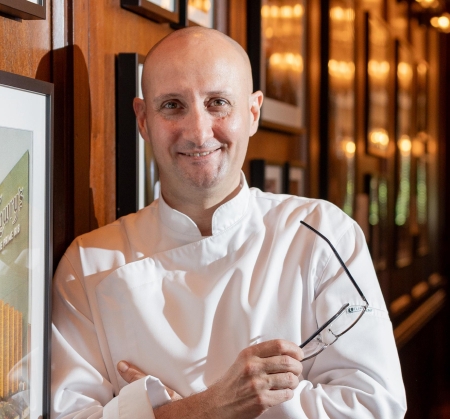
I am Chef Camille, Executive Chef at Lawry’s Jakarta, bringing 30 years of expertise from Michelin-starred kitchens in France and our Beverly Hills original to your table. I am dedicated to preserving the iconic flavors and service standards that have defined Lawry’s since 1938. I personally review every article published here to ensure our content remains true to our mission of culinary excellence.
Reserve Table
Lawry’s Restaurants is the perfect place to begin your venue search for any occasion.
Related Blog
Based on What You Read
Is Fine Dining Worth It? Understanding the Value Behind a High-End Meal in Jakarta
Beyond the Sauce: What Authentic Au Jus Really Means for Your Prime Rib