
The Ultimate Guide to Beef Grades Across the Globe
If you’ve ever stared at a butcher counter and thought, “Why is this steak twice the price when it looks… kinda similar?” you’re not alone. That’s where beef grading comes in. Meat grading is a system that helps describe quality by looking at things like fat distribution (marbling), texture, and how tender and juicy the meat is likely to be once it’s cooked. Next, here’s the key idea, more marbling usually means a richer bite, while leaner grades tend to be firmer and need a little more cooking strategy.
So what exactly gets “graded”? In many systems, graders look at intramuscular fat (those thin white lines inside the muscle), plus signs of maturity and overall muscle texture. Marbling matters because fat melts as you cook, which helps with tenderness, moisture, and flavor. Then, texture comes into play. A finer, more consistent grain often feels softer to chew. After that, you can think of grading as a shortcut: it doesn’t tell you everything, but it gives you a solid clue about what kind of eating experience you’re buying.
The U.S. system: USDA grades
In the United States, the USDA quality grades most people see are Prime, Choice, and Select. Prime sits at the top, with the most marbling and the most consistent tenderness. It’s commonly used in steakhouses because it can handle high-heat cooking and still stay juicy. Choice is the everyday hero. It has good marbling, solid tenderness, and usually costs less than Prime.
Select is leaner, with less marbling, so it can be a little less juicy if you cook it too aggressively. Then, it rewards you when you use smart methods like careful temperature control, marinades, or slower cooking for tougher cuts. (There are more USDA grades beyond these, but Prime, Choice, and Select are the ones most diners actually meet in the wild.)
Japan: why “A5” is a big deal
Japan’s system is famous because it’s detailed and, yes, a little intimidating at first glance. Japanese beef is commonly graded with two parts: a letter for yield (how much usable meat you get) and a number for quality. The letter runs from A to C, and the number runs from 1 to 5. So “A5” means top yield and top quality.
Quality scoring considers marbling, meat color and brightness, firmness and texture, and fat quality. It’s like judging a talent show where marbling sings, texture dances, and fat quality does stand-up comedy. Finally, A5 Wagyu is prized for intense marbling that creates a rich, buttery mouthfeel when cooked properly, usually in smaller portions, since it’s very rich.
Australia: MSA and what it tries to solve
Australia often uses Meat Standards Australia (MSA), which focuses on eating quality. Instead of only labeling the carcass broadly, MSA considers multiple factors that can affect tenderness and flavor, including marbling, maturity, and other carcass traits.
You’ll often see “MSA” used as a signal that the beef has been assessed for a consistent eating result. Australia also has strong grass-fed beef culture, and you’ll see “grass-fed” used as a style indicator. Grass-fed can be leaner and have a different flavor profile, often described as “beefier” or slightly more mineral compared to grain-fed’s rounder, fattier richness.
How to choose a grade without overthinking it
Now, the fun part: picking what fits your taste and budget. First, if you want a premium steak night, go for USDA Prime or Japanese Wagyu A5. Prime is the classic steakhouse experience with generous marbling. A5 is a high-marbling luxury style that’s usually best enjoyed in smaller portions.
Next, if you’re cooking at home and want great results without the splurge, USDA Choice is the sweet spot. Australian MSA-graded beef is also a strong pick when you want reliability, especially if you’re shopping for consistent tenderness. After that, if you’re aiming for lighter meals, USDA Select or Australian grass-fed beef can make sense. Just remember: leaner beef is less forgiving. Use a thermometer, don’t overcook, and slice correctly for tenderness.
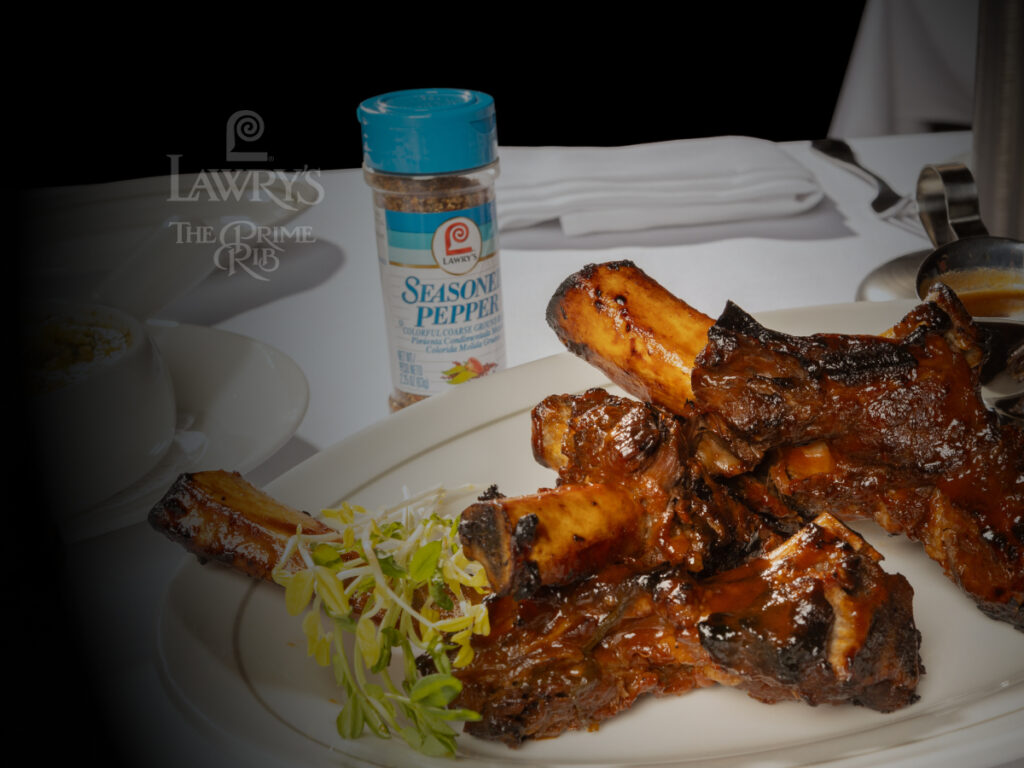
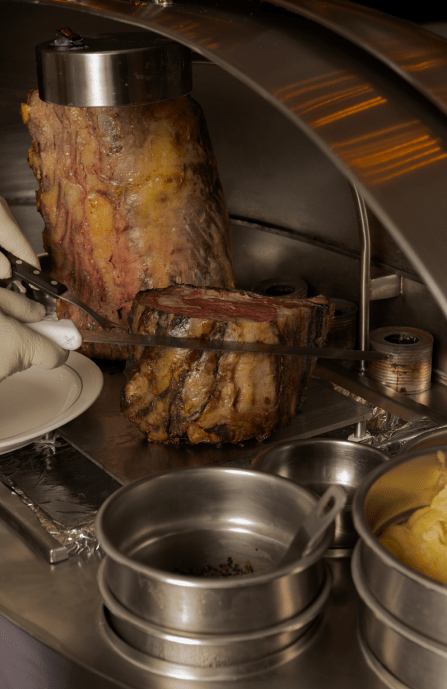
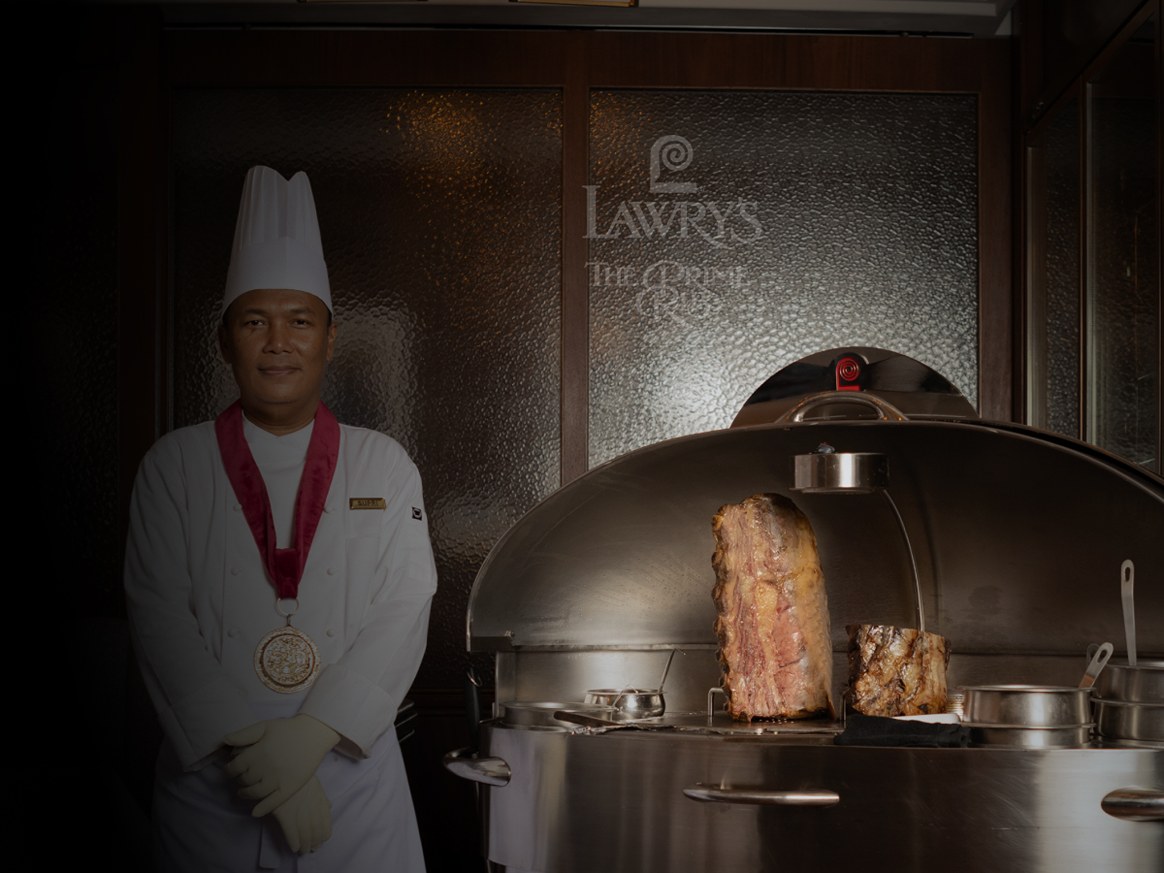
Finally, if you want to skip the guesswork entirely, let someone else do the grading homework for you. For a polished fine dining in Jakarta experience, you can explore what’s available at Lawry’s The Prime Rib Jakarta then browse the Lawry’s menu at and when you’re ready, book your seat there for a steak or prime rib night that feels like a proper treat.
FAQ
Beef grading systems consider factors such as fat distribution (marbling), texture, tenderness, and juiciness. These elements help predict the quality and cooking results of the meat.
The main USDA beef grades are Prime, Choice, and Select. Prime has the highest marbling and tenderness, Choice is well-marbled and affordable, and Select is leaner, requiring careful cooking.
Japanese A5 Wagyu is highly prized due to its top yield and quality, with intense marbling that provides a rich, buttery texture. It combines excellent grading in meat color, brightness, firmness, and fat quality.
Australia's Meat Standards Australia (MSA) focuses on eating quality, assessing factors that affect tenderness and flavor, such as marbling, maturity, and carcass traits, ensuring consistent quality.
To choose the right beef grade, consider your taste and budget. Opt for USDA Prime or Japanese Wagyu A5 for premium experiences, USDA Choice or Australian MSA for home cooking, and USDA Select or grass-fed for lighter meals.

Reserve Table
Lawry’s Restaurants is the perfect place to begin your venue search for any occasion.