
Dry Rub or Marinade? A Complete Guide to Perfecting Your Steak
The art of preparing steak is all about one crucial decision before the meat even hits the heat: should you use a dry rub or a marinade? Both methods promise bold flavors, but their approaches and effects are entirely different. Understanding when and how to use them separates a good steak from a great one.
A dry rub is a blend of dry spices, herbs, sugar, and salt that’s massaged directly onto the surface of the meat. Its job is to season the outer layer, enhance the natural beef flavor, and build a beautifully caramelized crust once it meets the heat. The rub forms a dry coating that interacts with the meat’s surface during cooking, allowing the Maillard reaction—the same process that gives seared food its golden, savory crust—to work its magic. Classic dry rubs often feature paprika, garlic powder, black pepper, onion powder, cumin, and brown sugar. When used correctly, the result is a bold, concentrated flavor and a texture that crackles slightly before melting into tenderness with every bite.
A marinade, on the other hand, works from the inside out. It’s a liquid mixture that typically combines acids (like vinegar, citrus juice, or wine), oil, herbs, and spices. The acid tenderizes the meat by breaking down muscle fibers, while the oil helps retain moisture and carry the flavors deep inside. Marinades are especially useful for lean or tough cuts—think flank steak, brisket, or chicken breasts—that benefit from extra juiciness. The longer the soak, the deeper the flavor infusion. A few hours in the fridge can transform even the toughest cut into something succulent and aromatic.
The main difference between the two lies in flavor and texture.
A marinade penetrates; a rub defines. Marinades bring moisture and depth, infusing every bite with balanced notes of acidity, sweetness, or spice. Dry rubs stay on the surface, but what they lose in depth, they make up for in intensity, creating that smoky, crisp crust every steak lover dreams of. Marinades create tenderness and juiciness, while rubs deliver complexity and crunch. Think of marinades as the brushstrokes that paint flavor throughout the meat, and rubs as the seasoning that defines its edges.
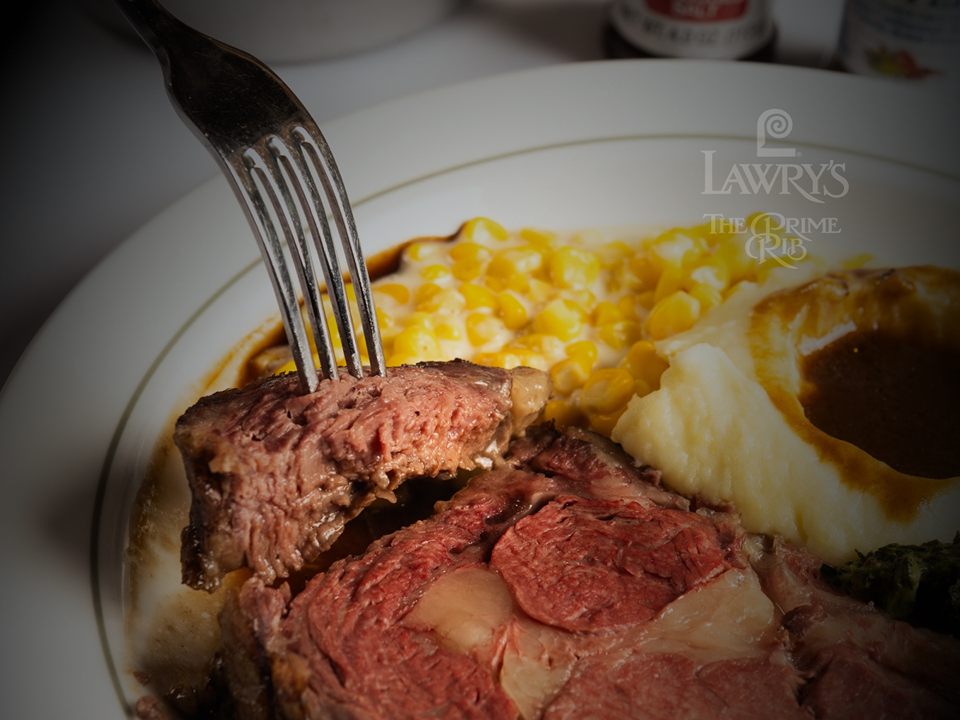
So, when should you use which? For fattier, tender cuts like ribeye, sirloin, or prime rib, go for a dry rub. These meats already have enough internal moisture and fat; the rub adds seasoning and texture without making the surface soggy. Dry rubs also shine when grilling, pan-searing, or smoking, methods that rely on high heat to build that crusty, flavorful edge.
For lean or fibrous cuts like flank steak, skirt steak, or chicken breasts, marinades are the better choice. The acid in the liquid breaks down the muscle fibers, adding tenderness and keeping the meat juicy. Marinades also work beautifully for meats cooked low and slow, such as roasted pork loin or baked chicken thighs.
There’s also a third option: combine them. Start with a marinade to tenderize the meat and infuse flavor, then pat it dry and apply a rub before cooking. This double technique creates both inner juiciness and a charred, flavorful crust—perfect for large cuts like brisket or bone-in ribs.
So, Dry Rub vs Marinade: Which Is Better for Your Steak?
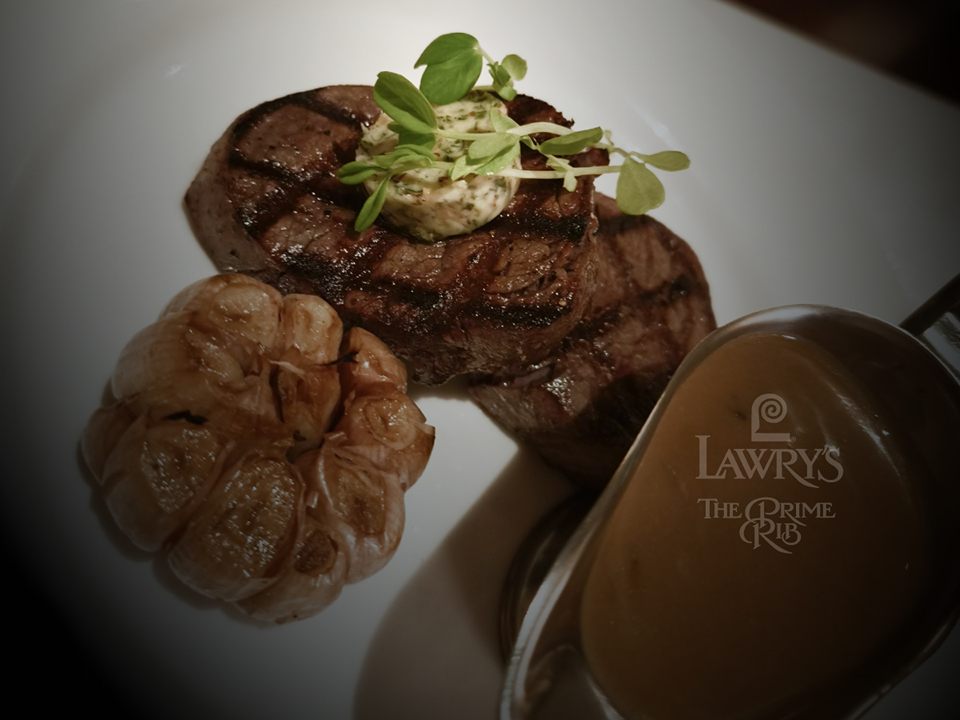
The truth is, there’s no single winner. It depends on the steak and the experience you’re after. A dry rub gives you power, precision, and crunch; a marinade gives you depth, softness, and balance. If you’re searing a well-marbled ribeye, let the rub do the talking. If you’re working with a lean cut that needs tenderness, trust the marinade. And if you’re chasing perfection, let them work together.
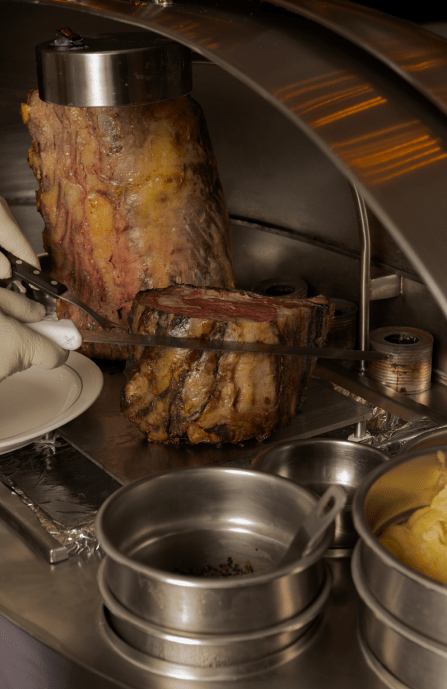
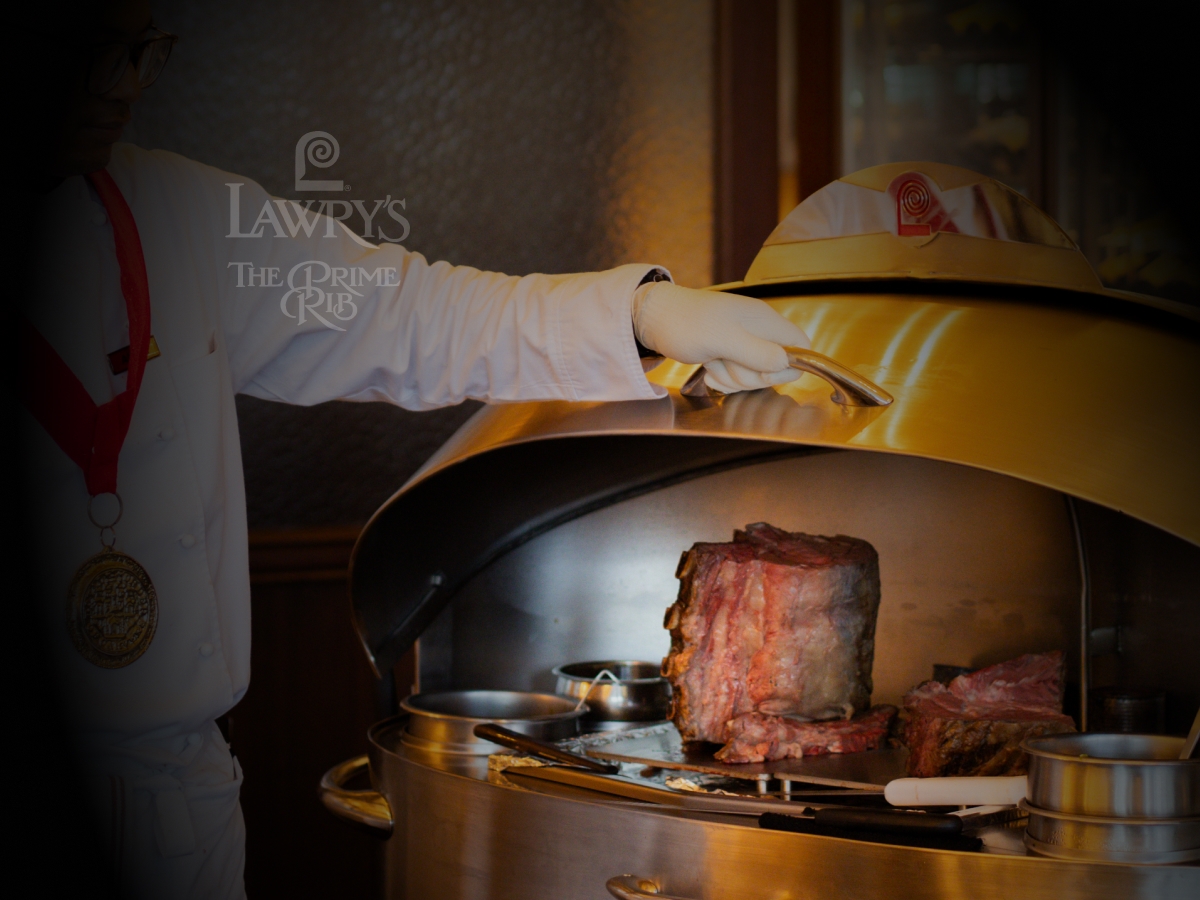
For the ultimate expression of steak mastery, skip the grill at home and taste what perfection feels like at Lawry’s The Prime Rib Jakarta, where both techniques are elevated into an art form. Indulge in the city’s finest cuts through Lawry’s menu and enjoy an unforgettable fine dining Jakarta experience that celebrates steak at its absolute best. Ready to taste the difference? Book your seat and experience the craftsmanship of flavor perfected.
FAQ
A dry rub is a blend of dry spices, herbs, sugar, and salt that seasons the meat's surface to enhance flavor and create a crust. A marinade is a liquid mixture that penetrates the meat to tenderize and infuse deeper flavors.
Opt for a dry rub with fattier, tender cuts like ribeye, sirloin, or prime rib, as they benefit from additional seasoning and texture without needing extra moisture.
Marinades are ideal for lean or fibrous cuts such as flank steak, skirt steak, or chicken breasts, as the acid helps tenderize the meat, keeping it juicy and flavorful.
Yes, you can start with a marinade to tenderize and flavor the meat, then apply a dry rub before cooking to achieve both inner juiciness and a flavorful crust.
For the ultimate steak experience, visit Lawry’s The Prime Rib Jakarta, where both dry rubs and marinades are masterfully used to elevate steak into an art form.

Reserve Table
Lawry’s Restaurants is the perfect place to begin your venue search for any occasion.