
All You Need to Know About Dry-Aged Steak
There’s something magical about a dry-aged steak. Even a bite of it can take you on a distinct journey through flavors that are nuttier, richer and dare we say, otherworldly. But what exactly is a dry-aged steak? And why has it become a staple for steak aficionados and fine dining establishments alike? Let’s get into the meaty details.
What Does Dry-Aged Mean?
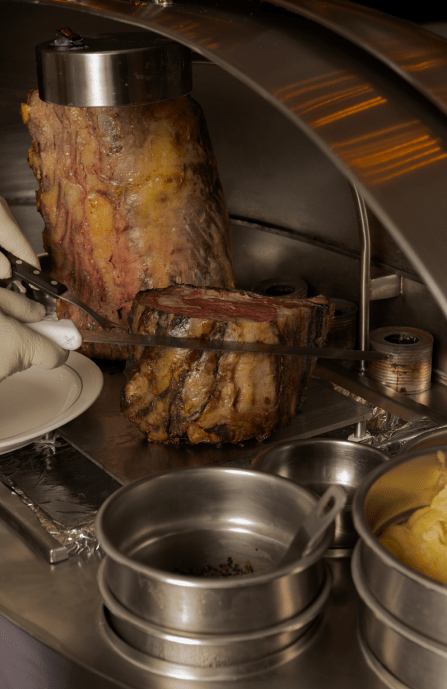
Dry-aging is the art of hanging beef in a controlled, open-air environment to enhance both its flavor and texture. It’s not just about leaving the meat out to dry—oh no! It is a meticulous process where the beef’s natural enzymes slowly break down muscle tissue, resulting in unparalleled tenderness. As the outer layer dries out, forming a protective crust, the meat inside remains juicy, developing a deep, concentrated flavor profile. It’s essentially gourmet science.
Why Do We Dry-Age Meat?
This process isn’t called “dry aging” just to sound fancy. When beef is dry-aged, it’s left to mature in a dry, refrigerated setting, as opposed to wet aging, where meat is vacuum-sealed and left to marinate in its own juices. With dry aging, moisture evaporates, intensifying the beefy flavor. This results in a steak that tastes richer and feels more tender on the palate.
As the beef hangs in a dry aging chamber—ideally for 28 to 120 days, though many consider 40 days the sweet spot—natural enzymes break down tough connective tissue, resulting in that prized, melt-in-your-mouth texture. But remember, not just any cut of meat can endure this process. Prime cuts like ribeye and sirloin, with plenty of marbling (that’s fat to the uninitiated), fare the best.
The Flavor Profile of Dry-Aged Steak and Why It Is Worth the Hype
What truly sets dry-aged steak apart is its flavor. As the beef matures, its taste evolves into something almost nutty and buttery, with a depth you won’t find in a regular supermarket cut. Some describe it as “cheese-like” (yes, you read that right), with a slight tang that hits the back of your palate, much like a fine blue cheese.
If one might wonder why it doesn’t spoil, well, the secret lies in climate control—temperature, humidity, and airflow all work together to prevent spoilage while fostering that rich, robust taste. And don’t be alarmed by the dry, sometimes gnarly exterior; this outer layer is trimmed off before serving, leaving behind that perfect dark-red steak we all know and love.
Can You Dry Age Steak at Home?
Yes, technically you can! But should you? Well, that depends on how committed you are to the cause. To dry at home, you need a fridge that can maintain a steady temperature between 33°F and 39°F, with humidity levels around 85%. And don’t forget air circulation—fan systems are essential. It’s like setting up a mini meat laboratory in your kitchen.
Here’s a quick home-dry-aging guide for the brave-hearted:
- Select a Prime Cut: Go for a bone-in ribeye or sirloin with plenty of marbling.
- Season Lightly: Salt can help, but don’t overdo it—dry-aged beef already packs a punch.
- Refrigerate: Place the beef on a rack inside your fridge (make sure it’s dedicated to this purpose) and let it sit for at least 28 days.
- Trim and Cook: After aging, trim the crusty outer layer and cook it like you would any steak—just a little less seasoning, as the flavor has intensified on its own.
Part of the allure of dry-aged beef is the exclusivity. As the meat loses moisture, it also loses weight—up to 30%—making it more expensive. Combine that with the time and care it takes to age, and you’ll see why dry-aged steaks command top dollar. But for those who crave the ultimate steak experience, the price is well worth it.
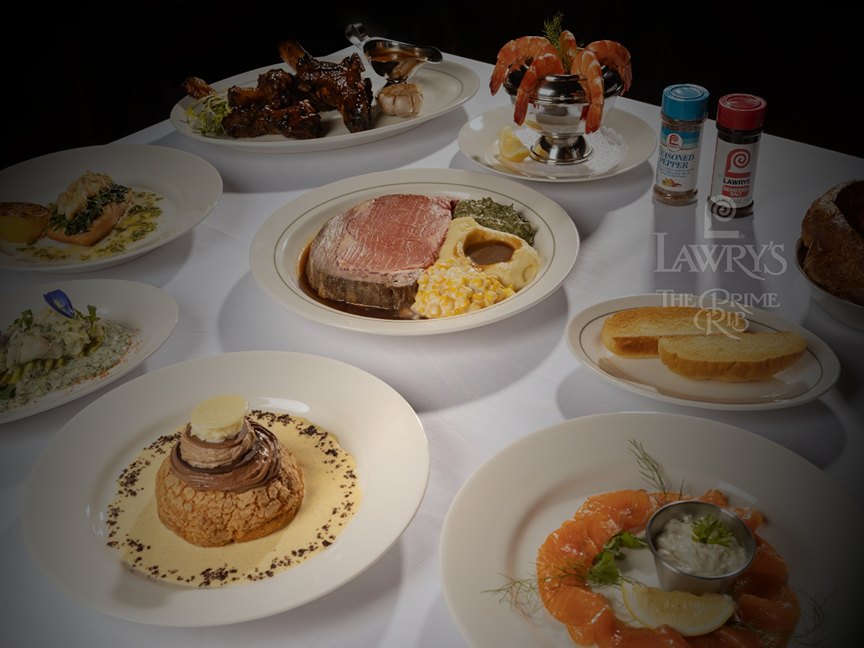
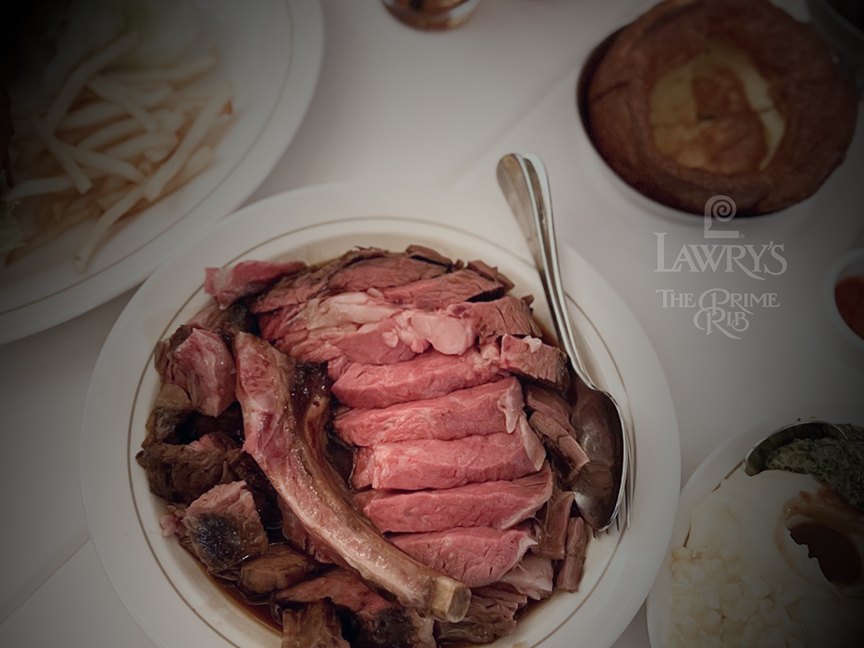
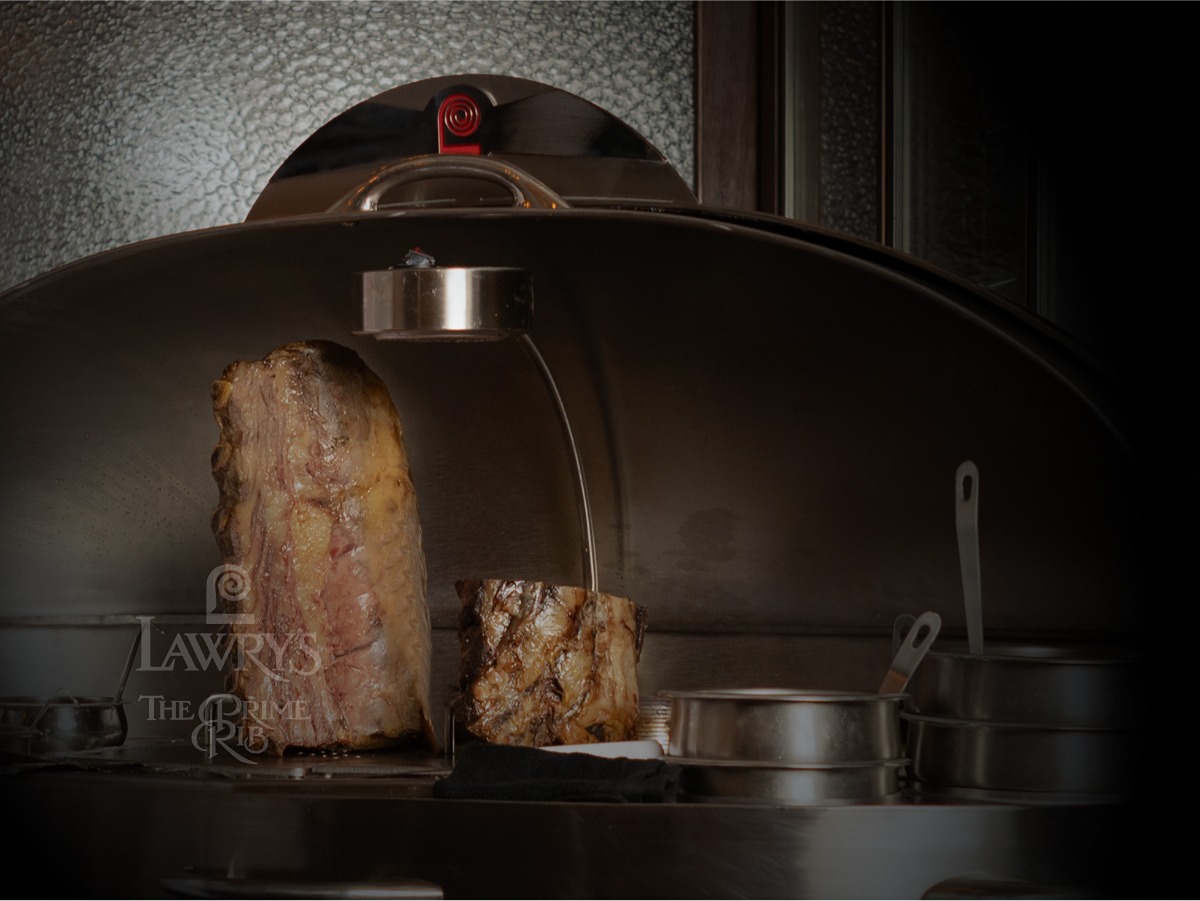
But of course, if you don’t have the time, patience, or refrigerator space to dry-age your own steak, there’s an easier option. You can savor a perfectly dry-aged steak or indulge in the best prime rib in Jakarta at Lawry’s The Prime Rib. Known for their world-renowned prime rib roast, Lawry’s elevates steak dining to an art form.
Lawry’s menu delivers the ultimate in tenderness and flavor, thanks to our meticulous selection of Certified Angus Beef. The next time you’re craving a fine dining experience, treat yourself to the succulent prime rib at Lawry’s Jakarta—because life’s too short for mediocre steak.
FAQ
1. What is dry-aged steak?
Dry-aged steak is beef that has been aged in a controlled environment to enhance its flavor and tenderness. The process allows natural enzymes to break down muscle fibers while moisture evaporates, intensifying the beef’s taste.
2. How does dry aging improve steak flavor?
Dry aging removes excess moisture, concentrating the beef’s natural flavors. This results in a richer, nuttier, and sometimes slightly tangy taste, similar to aged cheese.
3. Can I dry-age steak at home?
Yes, but it requires precise temperature (33°F–39°F), humidity (around 85%), and proper air circulation. You’ll also need a dedicated fridge and patience—at least 28 days!

Reserve Table
Lawry’s Restaurants is the perfect place to begin your venue search for any occasion.