
Is Beef Tenderloin the Same as Filet Mignon? The Confusion, Cleared Up
No, beef tenderloin and filet mignon are not exactly the same cut, although they come from the same muscle. Every filet mignon is cut from the tenderloin, while the entire tenderloin includes several sections. One describes a long, whole muscle, while the other describes an individual steak portion prized for its fine texture and tenderness. For diners, this distinction is easy to remember.
Here is how the two relate, how they differ on the plate, and which cooking methods suit each one!
What Is Beef Tenderloin?
Beef tenderloin is a long, narrow muscle located within the loin, running beneath the backbone toward the rear of the animal. It performs very little work, so it develops less connective tissue than heavily used muscles from the shoulder or leg. That is why the tenderloin is considered the most tender cut of beef.
A whole tenderloin has several recognizable sections. The thicker end can be portioned for roasts, the center can be cut into evenly shaped steaks or used for dishes such as Beef Wellington, and the tapered end may become smaller medallions or tenderloin tips. Butchers may sell it trimmed, with the silverskin and excess fat removed, or untrimmed for the cook to prepare at home. Because it is a larger cut, tenderloin offers flexibility. It can be roasted whole for a group, grilled, broiled, cooked sous vide, or divided into individual portions before cooking.
What Is Filet Mignon?
Filet mignon is an individual steak cut from the tenderloin. It is usually served boneless as a thick, compact medallion with a fine grain and soft texture. Beef industry guidance identifies filet mignon as tenderloin steak and describes it as a lean cut taken from the least-exercised muscle.
The phrase “filet mignon is tenderloin” therefore points in the right direction. The name applies to a steak portion rather than the entire muscle. Depending on regional butchery and restaurant terminology, filet mignon may refer to steaks from the smaller end or to neatly portioned center-cut tenderloin steaks. The central idea remains consistent: filet mignon comes from the tenderloin.
Its flavor is milder than ribeye or strip steak because conventional tenderloin carries relatively little intramuscular fat. Diners often choose it for tenderness rather than a forceful beef flavor.
Nutrition and Marbling
Tenderloin and filet mignon have broadly similar nutritional profiles because they come from the same muscle. Exact values change with serving size, trimming, beef grade, and preparation. A three-ounce cooked tenderloin steak with visible fat trimmed provides about 170 calories, 26 grams of protein, seven grams of total fat, and 2.8 grams of saturated fat. It also supplies iron, zinc, phosphorus, selenium, and vitamin B12.
Wagyu filet mignon may contain additional intramuscular fat, depending on its marbling grade. That marbling gives the naturally lean cut a fuller flavor, softer mouthfeel, and greater juiciness than a conventional filet.
How Should Each Cut Be Cooked?
A whole tenderloin works well roasted or cooked sous vide because these methods heat the long muscle evenly. Searing the exterior before or after slower cooking adds a browned crust without overcooking the center. Once rested, the roast should be sliced across the grain.
Filet mignon responds well to quick, controlled cooking. Pan-searing, grilling, broiling, or a skillet-to-oven method can develop color while protecting the tender interior. Since the cut is lean, extended high heat can dry it out. A thermometer offers more control than judging doneness by time alone.
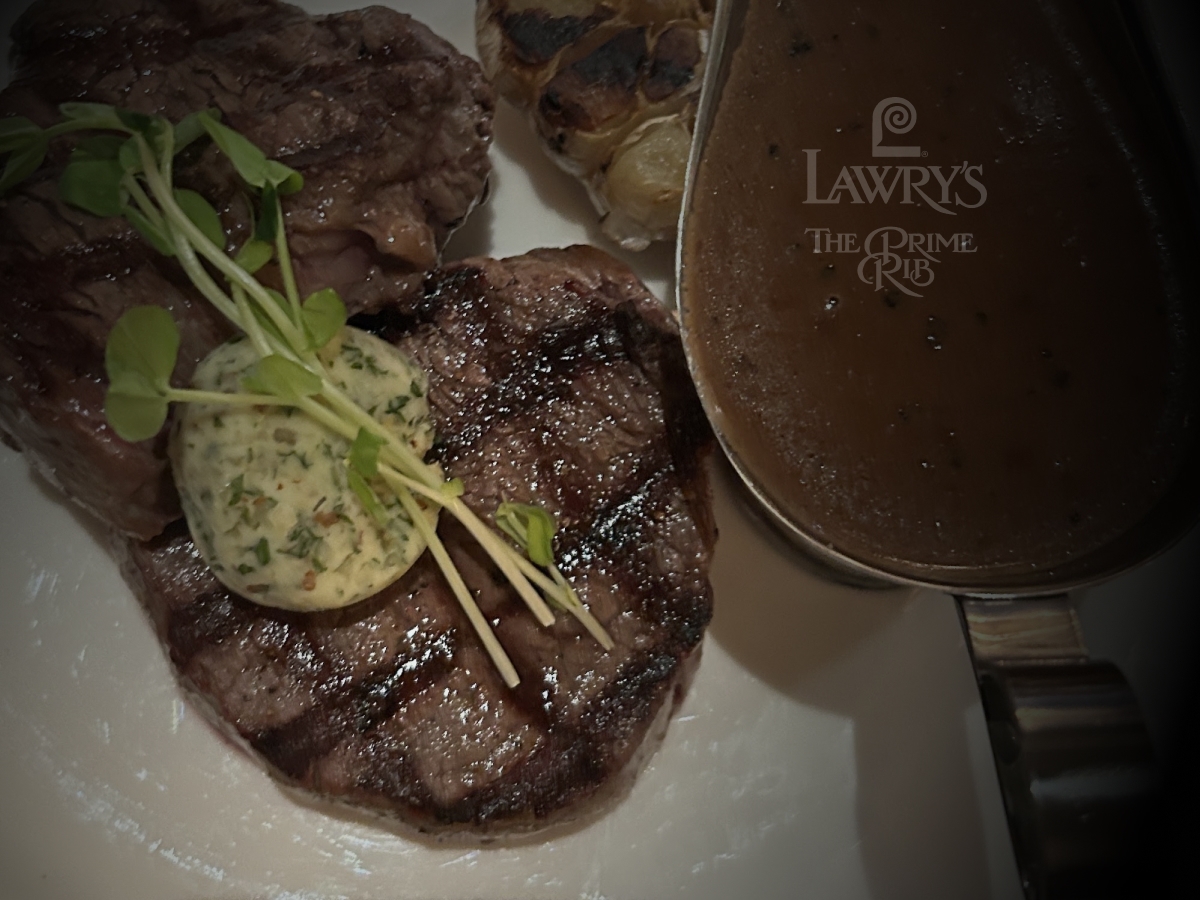
At Lawry’s, the 220-gram Wagyu MB5 Filet Mignon, listed at IDR 990,000 in the supplied menu information, shows what added marbling can bring to this delicate cut. Guests exploring fine dining Jakarta can review Lawry’s menu before visiting, then book your seat to experience the cut directly.

Reserve Table
Lawry’s Restaurants is the perfect place to begin your venue search for any occasion.