Beef Anatomy 101: Where Your Favorite Steak Cuts Come From
Good beef begins with knowing where the cut comes from, because location changes everything on the plate. Not every muscle works the same, and that difference shows up in texture, fat, and flavor. The shoulder, brisket, flank, and legs do the hard labor, so their meat tends to be firmer, fuller in flavor, and better suited to slower cooking. The back, rib, and loin have an easier life, which is exactly why those cuts stay more tender. Once you know that, the logic of beef becomes much clearer. Some cuts want hours of braising. Others are at their best with a roast or a fast, hot sear.
Beef is usually divided into primal cuts, and each one behaves differently for a reason. The familiar names are chuck, rib, loin, round, brisket, shank, plate, and flank. They come from different parts of the animal, and each part brings its own texture, structure, and flavor. Chuck comes from the shoulder, so it has more strength and more chew. Round comes from the hind leg, which makes it leaner and firmer. Flank sits along the abdominal area, giving it a grainier texture and a stronger beefy bite. Rib and loin run along the back, where the muscles do less work, which is why those cuts are prized for tenderness. Once you see where each cut sits, the differences on the plate stop feeling random.
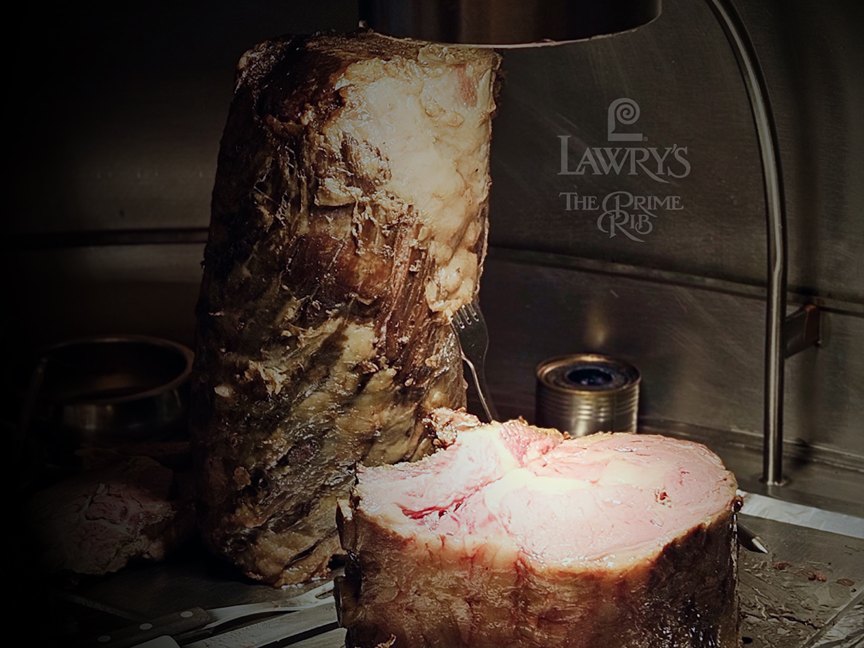
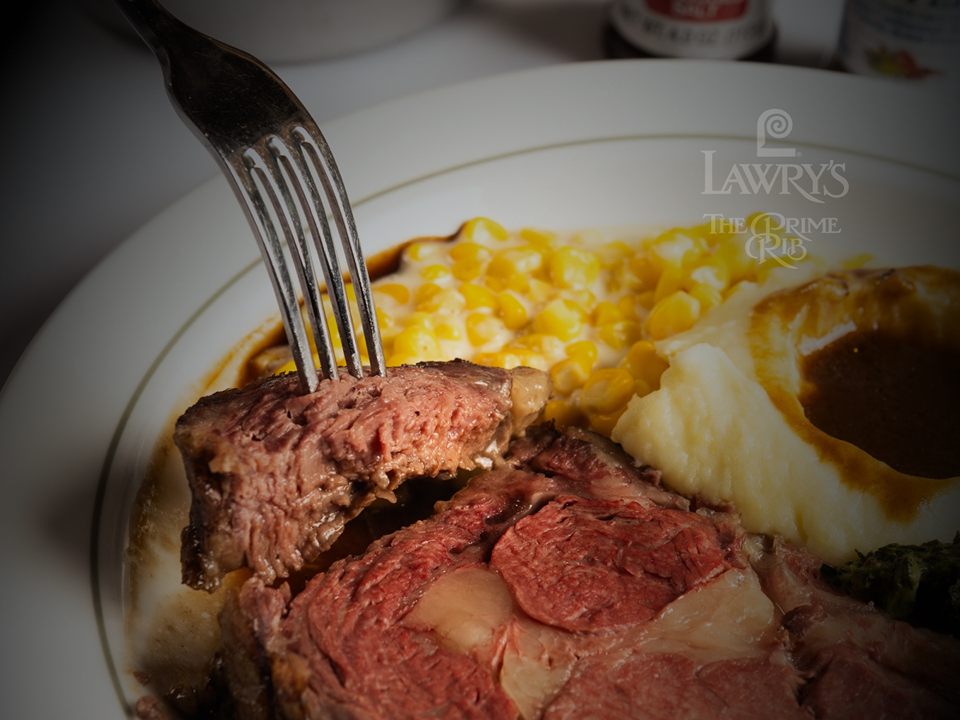
The rib section sits along the center of the back, far from the heavy lifting done by the shoulder and legs. That is exactly what gives it its status. Because these muscles work less, the meat stays tender. At the same time, the rib carries enough intramuscular fat to build the marbling that gives it juiciness and depth. This is the source of some of the best-known cuts on the menu, including ribeye and prime rib. What makes the rib so compelling is not tenderness alone. It brings tenderness with richness, which is a much rarer combination.
That balance is what separates the rib from other popular cuts. Tenderloin, for example, is famously soft because it comes from a muscle that does very little work. Still, it is leaner and milder. Sirloin offers more beef-forward flavor and a firmer bite, though it does not usually match the rib for marbling. The rib sits in the middle of that spectrum. It carries more fat than tenderloin, less toughness than sirloin, and enough richness to create a fuller, rounder bite. In practical terms, that means the rib section delivers both tenderness and flavor without forcing diners to choose only one.
This is why beef anatomy is useful when ordering. If you want a cut that is lean and delicate, tenderloin makes sense. If you want something firmer and more assertive, sirloin or flank may appeal more. If the goal is juicy texture, rich marbling, and a satisfying sense of depth, the rib section is usually the answer. Knowing where the cut comes from helps explain what it will feel like on the plate before the first bite even happens.
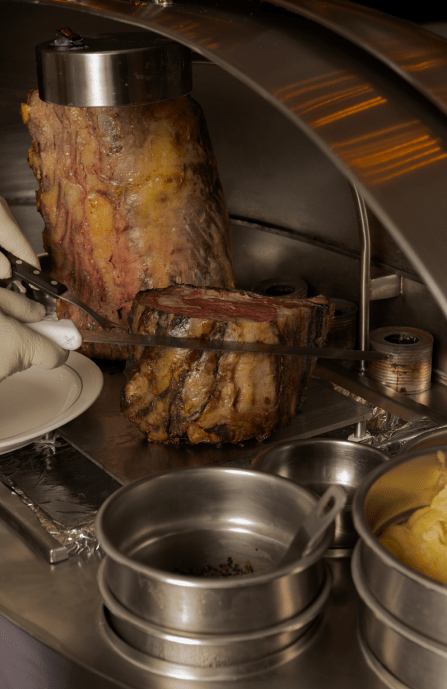
For diners exploring fine dining Jakarta, this is also the logic behind prime rib’s lasting appeal. You can browse Lawry’s menu and book your seat when you are ready to try the legendary prime rib at Lawry’s The Prime Rib Jakarta, where the value of the rib section is expressed through a cut that brings tenderness, marbling, and classic steakhouse flavor together in one serving!
Anatomi Daging Sapi 101, Dari Mana Asalnya Potongan Steik Favorit Anda
Kalau bicara soal daging sapi, letak potongan itu sangat menentukan hasil akhirnya di piring. Setiap otot punya fungsi yang berbeda, dan itu berpengaruh langsung pada tekstur, kadar lemak, dan cita rasanya. Bagian bahu, brisket, flank, dan kaki adalah area yang paling sering bekerja, jadi dagingnya cenderung lebih padat, rasanya lebih kuat, dan lebih cocok dimasak perlahan.
Sementara itu, bagian punggung seperti rib dan loin tidak terlalu banyak bergerak, sehingga dagingnya cenderung lebih empuk. Dari sini sebenarnya sudah kelihatan kenapa ada potongan yang paling pas dimasak lama dengan teknik braising, sementara yang lain justru lebih enak dipanggang atau di-sear cepat dengan panas tinggi.
Daging sapi biasanya dibagi ke dalam beberapa primal cuts, dan tiap bagian punya karakter masing-masing. Nama-nama yang paling umum adalah chuck, rib, loin, round, brisket, shank, plate, dan flank. Semua berasal dari bagian tubuh yang berbeda, jadi masing-masing membawa tekstur, struktur, dan rasa yang berbeda juga. Chuck berasal dari bahu, jadi karakternya lebih kuat dan lebih banyak gigitan. Round berasal dari paha belakang, sehingga cenderung lebih rendah lemak dan lebih padat. Flank berada di area perut, memberi tekstur yang lebih berserat dan rasa sapi yang lebih tegas. Sementara rib dan loin berada di sepanjang punggung, area yang ototnya tidak terlalu banyak bekerja. Itu sebabnya bagian ini sangat dicari karena keempukannya. Begitu tahu posisi tiap potongan, perbedaan rasa dan teksturnya di piring tidak lagi terasa acak.
Bagian rib berada di tengah punggung, jauh dari pekerjaan berat yang ditanggung bahu dan kaki. Justru di situlah letak nilainya. Karena otot di area ini jarang bekerja keras, dagingnya tetap empuk. Pada saat yang sama, bagian rib juga punya cukup banyak lemak intramuskular untuk membentuk marbling yang membuat daging terasa lebih juicy dan berisi. Dari sinilah lahir beberapa potongan paling populer di menu, termasuk ribeye dan prime rib. Yang membuat bagian rib begitu menarik bukan cuma soal empuk. Ia menawarkan keempukan sekaligus kekayaan rasa, dan kombinasi seperti ini tidak banyak ditemukan.
Keseimbangan inilah yang membuat rib menonjol dibanding potongan populer lainnya. Tenderloin, misalnya, terkenal sangat lembut karena berasal dari otot yang hampir tidak bekerja. Tapi potongan ini juga lebih rendah lemak dan rasanya lebih halus. Sirloin memberi rasa sapi yang lebih tegas dan gigitan yang lebih mantap, meski biasanya tidak bisa menandingi rib dalam hal marbling. Posisi rib ada di tengah-tengah dua kutub itu. Lemaknya lebih banyak daripada tenderloin, tidak sekeras sirloin, dan punya cukup kekayaan rasa untuk menghasilkan gigitan yang lebih penuh dan bulat. Dalam praktiknya, bagian rib memberi Anda dua hal sekaligus, empuk dan beraroma, tanpa harus memilih salah satunya.
Inilah kenapa memahami anatomi daging sapi berguna saat memesan. Kalau Anda mencari potongan yang lebih ramping dan halus, tenderloin masuk akal. Kalau ingin sesuatu yang lebih padat dan lebih tegas, sirloin atau flank bisa lebih cocok. Kalau yang dicari adalah tekstur juicy, marbling yang kaya, dan rasa yang terasa lebih dalam, bagian rib biasanya jadi jawabannya. Mengetahui potongan itu berasal dari mana membantu kita membayangkan seperti apa rasanya di piring bahkan sebelum gigitan pertama.
Bagi penikmat fine dining di Jakarta, logika inilah yang juga menjelaskan kenapa prime rib punya daya tarik yang tidak pernah habis. Anda bisa melihat pilihan di menu Lawry’s dan melakukan reservasi saat siap mencoba prime rib legendaris di Lawry’s The Prime Rib Jakarta, tempat kualitas bagian rib tampil penuh lewat satu sajian yang menyatukan keempukan, marbling, dan rasa klasik rumah steik dalam satu porsi.
FAQ
Primal cuts are the large sections a cow is divided into during butchering, including chuck, rib, loin, round, brisket, shank, plate, and flank. Each section has a different texture and flavor based on how much that muscle is used.
The rib sits along the center of the back where muscles do very little work. This results in naturally tender meat with rich intramuscular fat, the marbling that gives cuts like ribeye and prime rib their signature juiciness and depth of flavor.
Muscles that work harder, like those in the shoulder, legs, and chest, develop more connective tissue and become firmer. Muscles that work less, like those along the back and rib, stay more tender because they carry less strain over the animal's lifetime.
Lawry's The Prime Rib Jakarta offers one of the most iconic prime rib experiences in the city. Known for its classic tableside carving and rich, slow-roasted beef, it is a benchmark for fine dining in Jakarta.
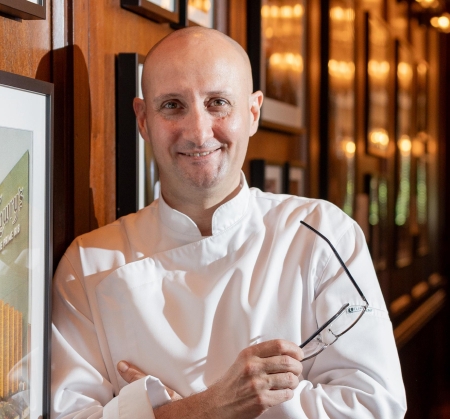
I am Chef Camille, Executive Chef at Lawry’s Jakarta, bringing 30 years of expertise from Michelin-starred kitchens in France and our Beverly Hills original to your table. I am dedicated to preserving the iconic flavors and service standards that have defined Lawry’s since 1938. I personally review every article published here to ensure our content remains true to our mission of culinary excellence.
Reserve Table
Lawry’s Restaurants is the perfect place to begin your venue search for any occasion.
Related Blog
Based on What You Read
From Reservation to the Last Course: Your Guide to Exclusive Group Dining
From Pasture to Plate: The Journey of Premium Prime Rib to Your Dining Table