Get to Know Why High-End Steakhouses Always Recommend Medium-Rare
Why do almost all high-end steakhouses confidently recommend medium-rare? Chef preference is only part of the answer. Medium-rare sits at the cleanest meeting point between tenderness, juiciness, and flavor. It is where heat has done enough work to shape the steak, yet not so much that the meat loses what makes it worth ordering. To understand why this doneness keeps showing up on steakhouse menus, you need to look at what temperature does to meat protein, moisture, fat, and premium cuts.
Table of Contents
ToggleThe Real Reason Every High-End Steakhouse Lands on Medium-Rare
Medium-rare is the doneness that gives steak its best chance to stay juicy, tender, and flavorful at the same time. Moisture retention keeps the meat from drying out as the muscle fibers heat up. The Maillard reaction creates the browned crust on the surface, where much of the steak’s savory flavor develops. Protein denaturation changes the structure of the meat, giving it a cooked texture without making it tough.
| Doneness | Temp °C | Color | Texture |
|---|---|---|---|
| Rare | 49–54°C | Cool red center | Very soft, less developed structure |
| Medium-Rare | 54–57°C | Warm pink center | Tender, juicy, lightly firm |
| Medium | 58–63°C | Pink center | Firmer, slightly less juicy |
| Medium-Well | 64–68°C | Slight pink trace | Firm, drier |
| Well-Done | 69°C+ | Brown or gray throughout | Tougher, dry, compact |
Those three pillars explain why medium-rare has become the steakhouse standard. The science begins with protein.
The Protein Science Behind a Perfectly Tender Steak
Steak texture is shaped by two major protein changes. Myosin begins to denature at around 50°C, which helps the meat firm up and move away from a raw texture while still holding moisture. Actin denatures at around 65°C, and this is where the problem starts. Once actin collapses, the muscle fibers tighten, squeeze out moisture, and make the steak tougher.
Medium-rare sits before that point. The myosin has set, so the steak has structure. The actin has not collapsed, so the fibers remain softer and retain their juices. This is why a properly cooked medium-rare steak feels tender without tasting raw.
There is also collagen to consider. At around 54–57°C, collagen begins converting into gelatin, adding richness and a more rounded mouthfeel. Cathepsin enzymes, which help naturally tenderize meat, are also more active at moderate temperatures. When the heat climbs too high, these enzymes become inactive before they can do much work.
This is the difference between doneness levels. Rare steak can feel underdeveloped because the myosin has not fully set. Medium-rare gives structure while preserving tenderness. Well-done steak pushes the actin too far, leaving the fibers over-contracted, chewy, and dry.
The Science of Juiciness: What Heat Actually Does to Meat?
Because actin has not collapsed in medium-rare steak, moisture is not forced out aggressively. That is the main reason it stays juicy.
A rare steak retains plenty of liquid, though the texture may feel too soft for some diners. A medium-rare steak holds moisture while giving the meat a properly cooked bite. A medium steak begins to lose more liquid as the fibers tighten. A well-done steak can lose nearly twice the amount of liquid compared to one pulled at medium-rare, which is why the plate under a well-done steak is often wet while the meat itself tastes dry.
Fat plays its own role. In marbled cuts, the fat begins to soften and melt at medium-rare temperatures, moving into the meat fibers and creating a self-basting effect from within. In a well-done steak, much of that fat has already rendered out before it can properly integrate into the meat. The result is less richness, less tenderness, and a flatter eating experience.
The Maillard Reaction: Where the Flavor Lives
The Maillard reaction is a non-enzymatic reaction between amino acids and reducing sugars at temperatures above 150°C or 300°F. It creates hundreds of flavor compounds and gives steak its browned exterior.
The important detail is that Maillard happens on the outside. The surface can reach high enough heat to form a crust while the center remains medium-rare. That is how a steak gets a deep, savory exterior and a juicy pink interior in the same bite.
Medium-rare gives chefs the best window for this balance. Rare steak may not spend enough time developing a proper crust. Well-done steak often dries out inside before the surface reaches its best point. Medium-rare allows the exterior to build flavor while the interior stays tender.
This is the science that happens in every high-end kitchen, but it matters most when the cut itself is built to respond to it.
Why Premium Cuts Are Built to Be Eaten This Way
All the science above has the greatest impact on premium cuts. Prime rib, wagyu, and ribeye are naturally suited to medium-rare because they are rich in marbling, fine in muscle structure, and already tender. They do not need long exposure to heat. Too much heat can damage the very qualities that make them premium.
Carryover cooking also matters. After a steak is removed from heat, the internal temperature can continue rising by about 2.8–5.6°C. Skilled chefs account for this by pulling the steak before it reaches the final target temperature. That timing requires a precise understanding of the medium-rare window.
The fat cap on prime rib and wagyu also works as both insulation and flavor. At medium-rare, it renders slowly and bastes the meat from the outside in. At higher doneness levels, the fat can render out too quickly, leaving less richness in the final slice.
How to Tell Your Steak Is Medium-Rare Without a Thermometer?
A medium-rare steak should have a warm pink center when sliced. It should not look bright red in the middle, and it should not look gray throughout. The juices should be clear with a reddish tint.
The touch test can also help. Press the center of the steak gently. Medium-rare should feel similar to pressing the base of your thumb when your hand is relaxed. It should feel firm, with a little give.
The Only Way to Truly Get It Is to Sit Down and Taste It!
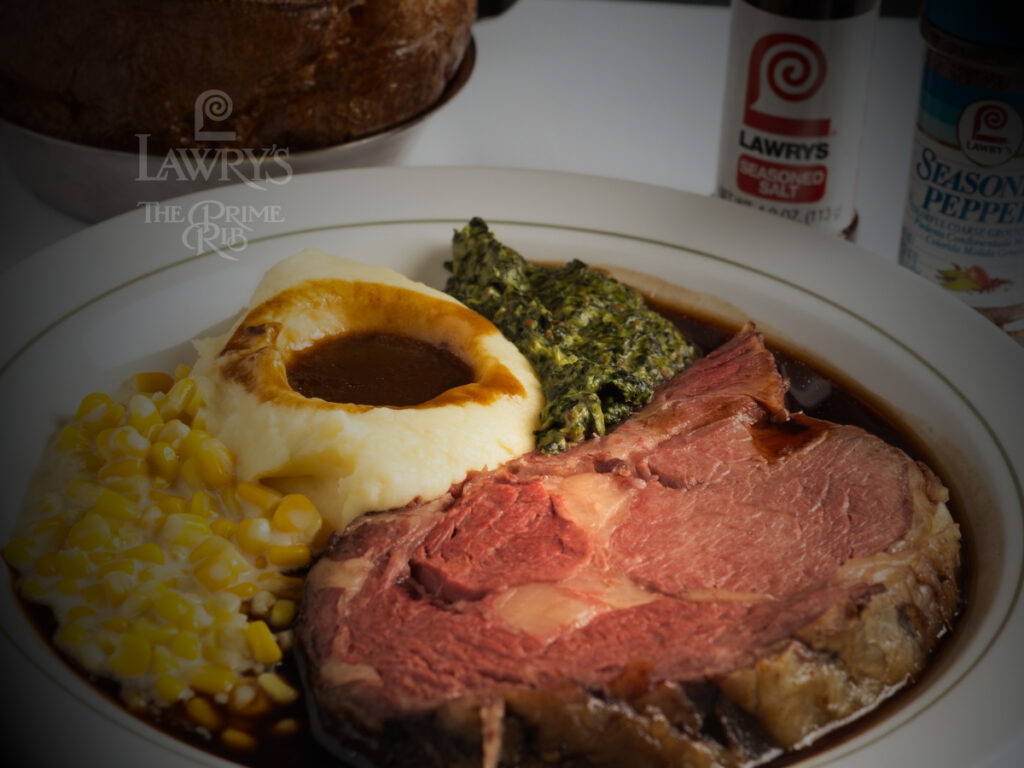
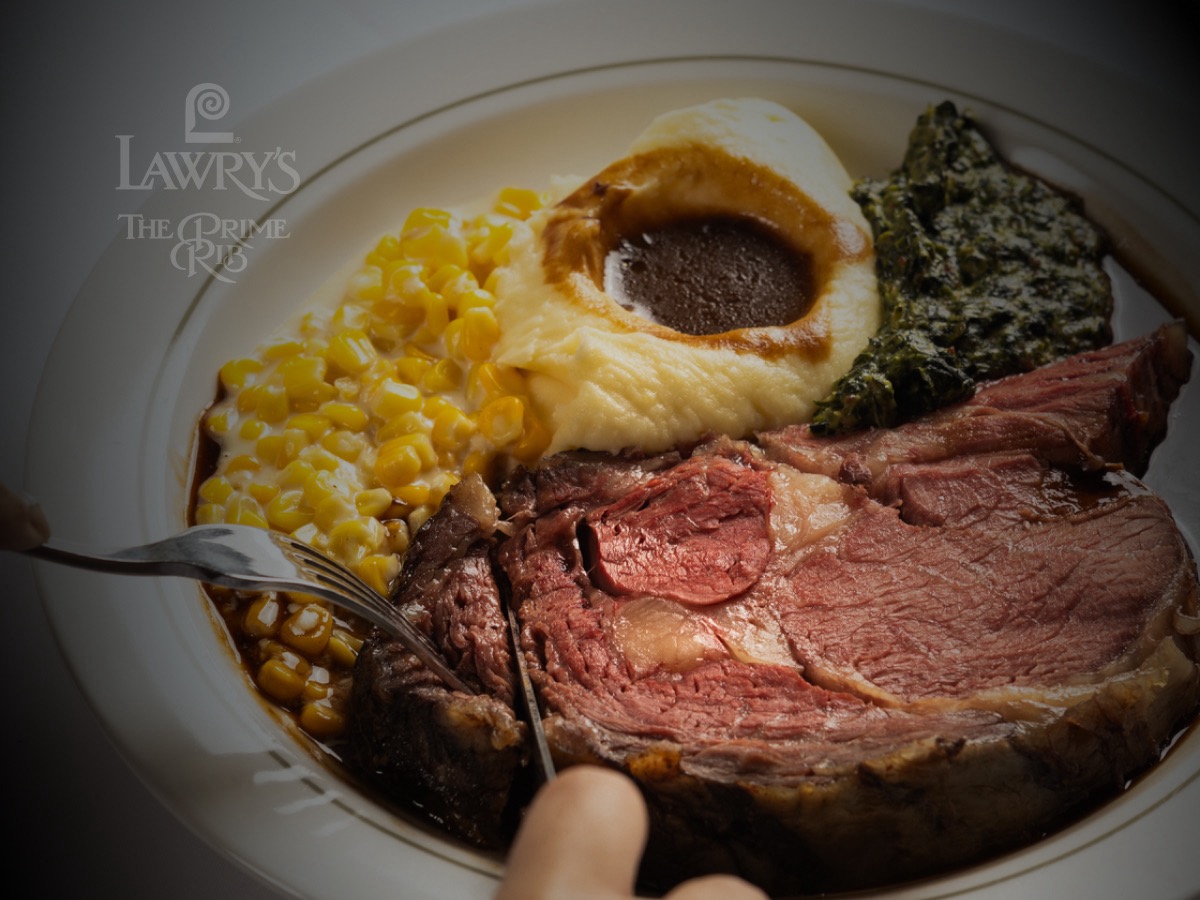
To understand medium-rare properly, you have to taste it in a setting where the cooking method, cut, temperature, and timing are handled with precision. Lawry’s The Prime Rib Jakarta is a strong place to experience that standard through premium prime rib served at its ideal doneness.
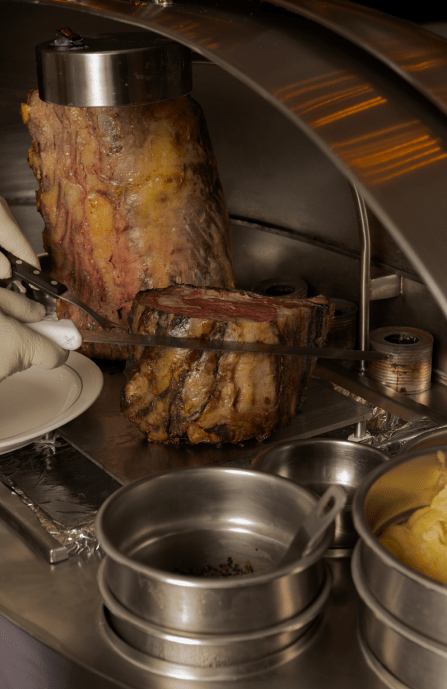
Lawry’s slow-roasting method is designed to move heat evenly through a large cut of prime rib, allowing the kitchen to account for carryover cooking and reach optimal doneness in every slice. The result shows why medium-rare remains the preferred choice for premium steak. It gives the meat structure, keeps the center juicy, and allows the fat to support the flavor instead of disappearing from it.
For the full selection of cuts and dishes, explore Lawry’s menu. For a refined fine dining Jakarta steak experience, make a reservation and book your seat at Lawry’s The Prime Rib Jakarta.
Kenapa Restoran Steik Kelas Atas Selalu Merekomendasikan Medium-Rare
Kenapa hampir semua restoran steik kelas atas dengan percaya diri merekomendasikan medium-rare? Jawabannya bukan hanya soal selera chef. Medium-rare berada di titik paling pas antara empuk, juicy, dan kaya rasa. Di tingkat kematangan ini, panas sudah cukup membentuk tekstur steik, tetapi belum sampai membuat daging kehilangan hal-hal yang membuatnya layak dipesan. Untuk memahami kenapa tingkat kematangan ini selalu muncul di menu restoran steik, kita perlu melihat apa yang sebenarnya terjadi pada protein, kelembapan, lemak, dan potongan daging premium saat terkena panas.
Alasan Utama Restoran Steik Kelas Atas Memilih Medium-Rare
Medium-rare adalah tingkat kematangan yang memberi steik peluang terbaik untuk tetap juicy, empuk, dan beraroma dalam waktu yang sama. Kelembapan di dalam daging tetap terjaga, sehingga daging tidak mudah kering ketika serat otot mulai memanas. Reaksi Maillard menciptakan kerak kecokelatan di permukaan daging, tempat sebagian besar rasa gurih steik terbentuk. Sementara itu, denaturasi protein mengubah struktur daging, memberi tekstur matang tanpa membuatnya alot.
|
Tingkat Kematangan |
Suhu °C | Warna |
Tekstur |
| Rare | 49–54°C | Bagian tengah merah dan masih dingin | Sangat lembut, struktur belum terlalu terbentuk |
| Medium-Rare | 54–57°C | Bagian tengah merah muda hangat | Empuk, juicy, sedikit padat |
| Medium | 58–63°C | Bagian tengah merah muda | Lebih padat, sedikit kurang juicy |
| Medium-Well | 64–68°C | Sisa sedikit warna merah muda | Padat, lebih kering |
| Well-Done | 69°C ke atas | Cokelat atau keabu-abuan merata | Lebih alot, kering, dan padat |
Tiga hal inilah yang menjelaskan kenapa medium-rare menjadi standar di banyak restoran steik. Sainsnya dimulai dari protein.
Sains Protein di Balik Steik yang Empuk
Tekstur steik dibentuk oleh dua perubahan protein utama. Myosin mulai mengalami denaturasi di sekitar 50°C. Proses ini membantu daging menjadi lebih padat dan tidak lagi terasa mentah, tetapi masih mampu mempertahankan kelembapannya. Actin mengalami denaturasi di sekitar 65°C, dan di sinilah masalah mulai muncul. Ketika actin sudah runtuh, serat otot akan mengencang, mendorong keluar cairan, dan membuat steik terasa lebih alot.
Medium-rare berada sebelum titik itu. Myosin sudah terbentuk, sehingga steik punya struktur. Namun, actin belum runtuh, sehingga serat daging tetap lebih lembut dan masih menyimpan jusnya. Inilah alasan steik medium-rare yang dimasak dengan tepat terasa empuk tanpa terasa mentah.
Kolagen juga perlu diperhitungkan. Pada suhu sekitar 54–57°C, kolagen mulai berubah menjadi gelatin, memberi rasa lebih kaya dan sensasi makan yang lebih bulat. Enzim cathepsin, yang membantu melunakkan daging secara alami, juga lebih aktif pada suhu sedang. Ketika suhu terlalu tinggi, enzim ini menjadi tidak aktif sebelum sempat bekerja banyak.
Di sinilah perbedaan antar tingkat kematangan terasa jelas. Steik rare bisa terasa kurang terbentuk karena myosin belum sepenuhnya mengeras. Medium-rare memberi struktur sambil tetap menjaga kelembutan. Sementara itu, steik well-done mendorong actin terlalu jauh, membuat serat daging terlalu mengencang, kenyal, dan kering.
Sains Juicy: Apa yang Sebenarnya Dilakukan Panas pada Daging?
Karena actin belum runtuh pada steik medium-rare, cairan di dalam daging tidak terdorong keluar secara berlebihan. Itulah alasan utama kenapa steik tetap juicy.
Steik rare memang menyimpan banyak cairan, tetapi teksturnya bisa terasa terlalu lembut bagi sebagian orang. Steik medium-rare mempertahankan kelembapan sambil tetap memberi gigitan yang terasa matang. Steik medium mulai kehilangan lebih banyak cairan karena seratnya semakin mengencang. Steik well-done bahkan bisa kehilangan hampir dua kali lebih banyak cairan dibanding steik yang diangkat pada tingkat medium-rare. Itu sebabnya piring di bawah steik well-done sering terlihat basah, sementara dagingnya sendiri justru terasa kering.
Lemak juga punya peran sendiri. Pada potongan daging dengan marbling yang baik, lemak mulai melunak dan meleleh pada suhu medium-rare. Lemak ini masuk ke sela-sela serat daging dan memberi efek seperti membasahi daging dari dalam. Pada steik well-done, banyak lemak sudah keburu keluar sebelum sempat menyatu dengan daging. Hasilnya, rasa jadi kurang kaya, tekstur kurang empuk, dan pengalaman makannya terasa lebih datar.
Reaksi Maillard: Tempat Rasa Steik Terbentuk
Reaksi Maillard adalah reaksi non-enzimatis antara asam amino dan gula pereduksi pada suhu di atas 150°C atau 300°F. Reaksi ini menciptakan ratusan senyawa rasa dan memberi steik permukaan kecokelatan yang menggugah selera.
Hal penting yang perlu dipahami adalah reaksi Maillard terjadi di bagian luar. Permukaan daging bisa mencapai panas yang cukup tinggi untuk membentuk kerak, sementara bagian tengahnya tetap medium-rare. Dari situlah steik bisa punya bagian luar yang gurih dan kecokelatan, sekaligus bagian dalam yang merah muda dan juicy dalam satu gigitan.
Medium-rare memberi chef ruang terbaik untuk mencapai keseimbangan ini. Steik rare mungkin belum cukup lama terkena panas untuk membentuk kerak yang maksimal. Steik well-done sering kali sudah kering di dalam sebelum permukaannya mencapai titik terbaik. Medium-rare memungkinkan bagian luar membangun rasa, sementara bagian dalam tetap empuk.
Sains ini terjadi di setiap dapur restoran steik kelas atas, tetapi dampaknya paling terasa ketika potongan dagingnya memang dirancang untuk merespons panas dengan baik.
Kenapa Potongan Premium Paling Cocok Dinikmati Seperti Ini
Semua penjelasan di atas paling terasa pada potongan daging premium. Prime rib, wagyu, dan ribeye secara alami cocok disajikan medium-rare karena kaya marbling, punya struktur otot yang halus, dan sudah empuk sejak awal. Potongan seperti ini tidak membutuhkan paparan panas yang terlalu lama. Justru, panas berlebihan bisa merusak kualitas yang membuatnya disebut premium.
Proses panas lanjutan setelah daging diangkat dari sumber panas juga penting. Setelah steik tidak lagi dimasak langsung, suhu bagian dalamnya masih bisa naik sekitar 2,8–5,6°C. Chef berpengalaman memperhitungkan hal ini dengan mengangkat steik sebelum mencapai suhu akhir yang dituju. Ketepatan waktu seperti ini membutuhkan pemahaman yang presisi terhadap rentang suhu medium-rare.
Lapisan lemak pada prime rib dan wagyu juga bekerja sebagai pelindung sekaligus pembawa rasa. Pada tingkat medium-rare, lemak meleleh perlahan dan membasahi daging dari luar ke dalam. Pada tingkat kematangan yang lebih tinggi, lemak bisa keluar terlalu cepat, sehingga rasa akhir pada irisan daging menjadi kurang kaya.
Cara Mengenali Steik Medium-Rare Tanpa Termometer?
Steik medium-rare seharusnya memiliki bagian tengah berwarna merah muda hangat saat dipotong. Bagian tengahnya tidak tampak merah terang seperti daging mentah, tetapi juga tidak berwarna abu-abu sampai ke dalam. Cairan dagingnya terlihat bening dengan sedikit rona kemerahan.
Tes sentuhan juga bisa membantu. Tekan perlahan bagian tengah steik. Medium-rare seharusnya terasa seperti saat Anda menekan pangkal ibu jari ketika tangan sedang rileks. Ada rasa padat, tetapi masih sedikit lentur.
Cara Terbaik Memahaminya adalah dengan Mencicipinya Langsung!
Untuk benar-benar memahami medium-rare, Anda perlu mencicipinya di tempat yang menangani metode masak, potongan daging, suhu, dan waktu dengan presisi. Lawry’s The Prime Rib Jakarta menjadi salah satu tempat yang kuat untuk merasakan standar tersebut melalui sajian prime rib premium pada tingkat kematangan idealnya.
Metode pemanggangan perlahan di Lawry’s dirancang untuk mengalirkan panas secara merata ke seluruh potongan besar prime rib. Dengan begitu, dapur dapat memperhitungkan proses panas lanjutan dan mencapai tingkat kematangan optimal di setiap irisan. Hasilnya menunjukkan kenapa medium-rare tetap menjadi pilihan utama untuk steik premium. Daging punya struktur, bagian tengahnya tetap juicy, dan lemaknya mendukung rasa tanpa hilang begitu saja.
Untuk melihat pilihan potongan dan hidangan lengkap, jelajahi menu Lawry’s. Untuk pengalaman steik fine dining di Jakarta, lakukan reservasi dan pesan tempat Anda di Lawry’s The Prime Rib Jakarta.
FAQ
Premium cuts such as prime rib, ribeye, and wagyu are often best enjoyed medium-rare. Their marbling and natural tenderness allow the fat to render properly while preserving the juicy texture and rich flavor that make these cuts exceptional.
Yes, medium-rare steak is generally safe to eat when prepared from high-quality beef and handled properly. The exterior of the steak reaches a high temperature that helps eliminate surface bacteria, while the interior remains warm and pink.
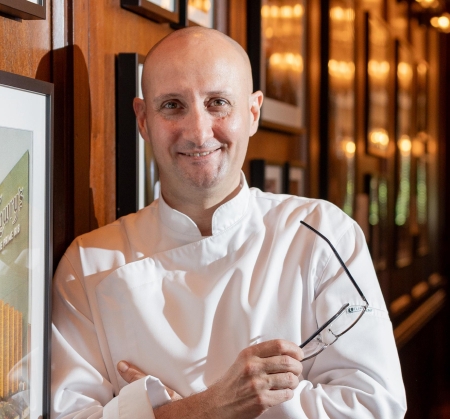
I am Chef Camille, Executive Chef at Lawry’s Jakarta, bringing 30 years of expertise from Michelin-starred kitchens in France and our Beverly Hills original to your table. I am dedicated to preserving the iconic flavors and service standards that have defined Lawry’s since 1938. I personally review every article published here to ensure our content remains true to our mission of culinary excellence.
Reserve Table
Lawry’s Restaurants is the perfect place to begin your venue search for any occasion.
Related Blog
Based on What You Read
Prime Rib Nutrition: How Many Calories Are in Your Favorite Lawry’s Cut?
How to Find the Best Arisan Restaurant in Jakarta