
Elevating Grilled Beef Ribs: A Deep Dive into the Nusantara Signature Menu
Great grilled beef ribs start with the cut. Short ribs and back ribs may come from the same animal, but they respond to heat in very different ways. Short ribs carry more meat, more fat, and more connective tissue, which makes them better suited to long cooking. Back ribs are leaner and often cook faster, though they can dry out more easily when treated the same way. Texture starts with understanding that difference. Tender ribs depend on careful heat control and enough time for the meat to soften properly.
That is why the low-and-slow method still defines proper rib cooking. At around 107°C to 150°C, using indirect heat, the meat has time to soften gradually while collagen breaks down into gelatin. This is the stage that turns a tough, chewy structure into something yielding and rich. Push the temperature too high and the exterior can harden before the inside catches up. Hold it steady and the fat renders, the fibers relax, and the ribs begin to develop the deep tenderness people actually want from beef ribs.
Seasoning is just as important! A dry rub does more than add taste. Salt, pepper, garlic, and spices pull moisture to the surface and help create the browned outer layer that gives grilled ribs their character. This crust comes from the Maillard reaction, where heat transforms proteins and sugars into deeper roasted notes. It is what gives the ribs smoke, spice, and savoury depth in every bite. Once the cooking is done, resting still matters. A short rest gives the juices time to redistribute through the meat instead of running out as soon as the ribs are cut.
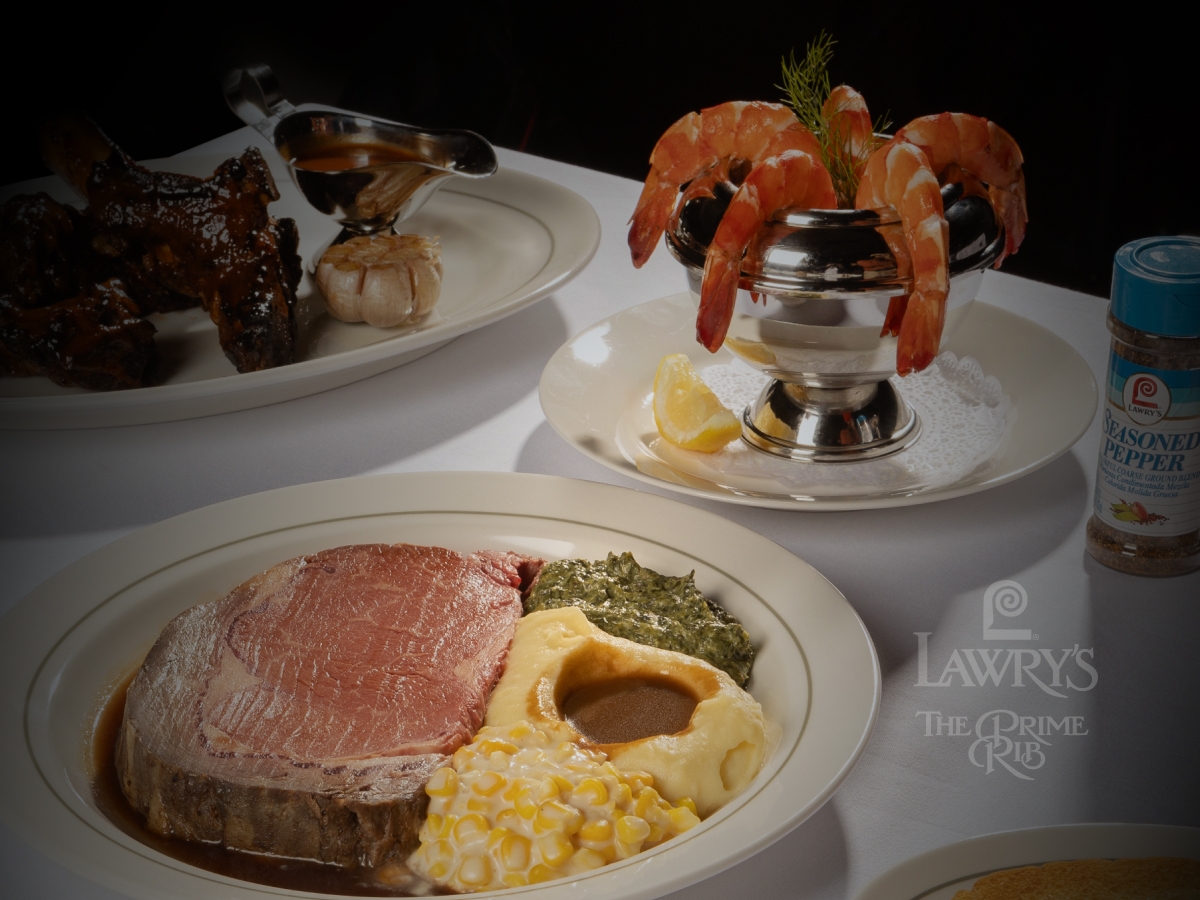
That technical foundation helps explain why Lawry’s The Prime Rib Jakarta’s Nusantara Signature menu feels a little different. Instead of just borrowing the idea of barbecue, the restaurant takes grilled beef ribs and gives them a more local spin. The Nusantara Signature dish, Indonesian Grilled Beef Ribs with Fragrant Citrus Rice, is priced at IDR 350,000++ and comes with wrapped citrus rice, soup, crackers, and small side condiments, giving the plate a distinctly Indonesian feel while keeping the beef as the main event.
The local element comes through most clearly in the spice profile. Instead of leaning only on a standard smoke-and-pepper framework, Lawry’s works Indonesian seasoning into the ribs and pairs them with nasi daun jeruk, which adds a fragrant citrus note that lifts the richness of the meat. That balance is key. Beef ribs need enough seasoning to stand up to their own weight and fat, while still letting the beef taste like beef.
For diners exploring fine dining Jakarta, this dish shows how technique and adaptation can sit on the same plate. The kitchen begins with premium beef standards, then gives the ribs the time and control they need, before bringing in Indonesian flavours in a way that feels intentional rather than just decorative.You can browse Lawry’s menu for the full range, or look at its private catering options if the occasion calls for something larger.
FAQ
Short ribs carry more meat, fat, and connective tissue, making them ideal for yielding, rich results during long cooking. Back ribs are leaner and cook faster, but risk drying out if not handled carefully.
Yes. While known for traditional prime rib, Lawry’s Jakarta offers a Nusantara Signature menu that adapts premium beef standards with authentic Indonesian flavor profiles and cooking techniques.
Reserve Table
Lawry’s Restaurants is the perfect place to begin your venue search for any occasion.