
Beyond the Sauce: What Authentic Au Jus Really Means for Your Prime Rib
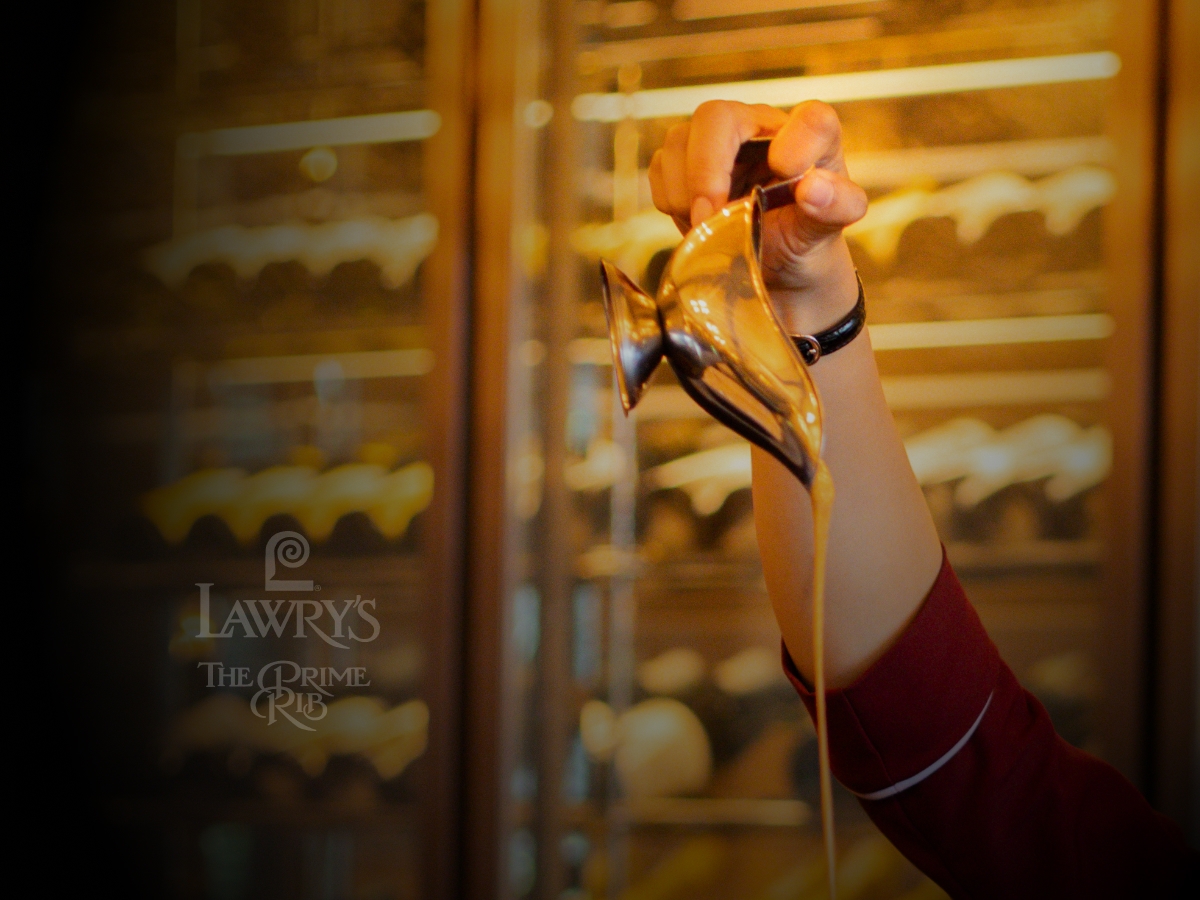
For many diners, au jus is seen as a simple side sauce served with prime rib. That misses its actual purpose. Authentic beef au jus has a long culinary history, a specific meaning, and a clear role on the plate. At a restaurant like Lawry’s The Prime Rib Jakarta, it is there to bring out more of its flavour.
The term comes from French haute cuisine. In French, au jus means “in its own juice,” a phrase that points directly to the sauce’s foundation, the natural juices released by the meat as it roasts. These drippings are collected, reduced, and served in a lighter, more fluid form than gravy. The result is rich and savoury without feeling heavy. It reflects an older culinary discipline rooted in restraint, meant to preserve the character of the roast instead of covering it with flour, starch, or excessive seasoning.
Au jus and gravy are often confused, even though they are not the same thing. Both begin with meat drippings, then diverge in preparation and texture. Gravy is thickened, often with roux, flour, or cornstarch, until it becomes dense enough to sit on top of a dish. Authentic au jus stays lighter and closer to the roast. It relies on the meat’s own essence, sometimes supported by stock or aromatics, without depending on artificial thickeners. The texture remains loose and pourable, somewhere between broth and sauce. It is designed to coat the meat lightly, not dominate it.
That is one reason how to get au jus from prime rib is not really a question of adding more ingredients. It starts with the roast. When prime rib cooks slowly, it releases a deep reserve of juices and browned bits in the pan. Those drippings hold the flavor of the beef in its most direct form: savory, rich, slightly mineral, and aromatic from the heat of roasting. Reduced properly, they become a sauce that intensifies the meat’s natural qualities without shifting the profile too far in another direction.
For prime rib, this matters more than it might for other cuts. Prime rib already has internal richness from marbling and slow roasting. It does not need a thick blanket of sauce to feel complete. What it benefits from is moisture, aroma, and just enough reinforcement to sharpen the experience of each bite. Good beef au jus brings a deeper roasted scent as the plate arrives. On the palate, it adds a subtle layer of savoriness that moves across the meat rather than sitting on top of it. You taste more beef, not less. That is the difference.
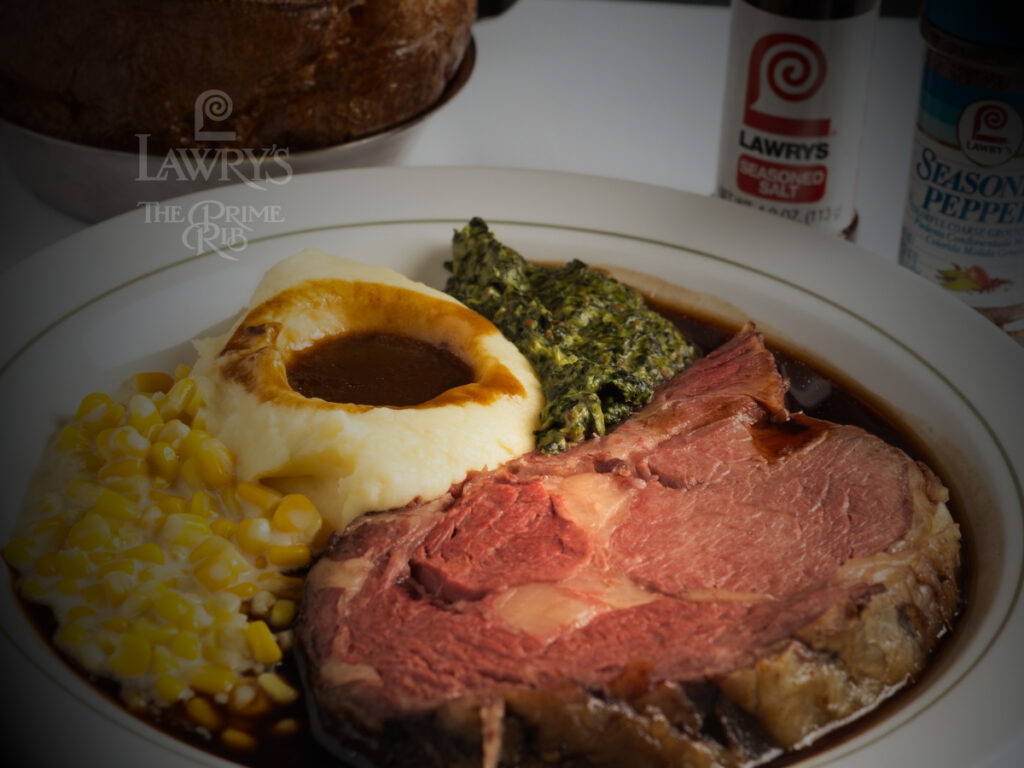
Lawry’s has built its identity around that kind of clarity since 1938. The restaurant’s prime rib tradition has always depended on careful carving, restrained service, and an understanding that details matter. Serving authentic au jus belongs to that same logic.It reflects respect for a broader culinary heritage while preserving the specific character of the house specialty. The same principle applies to the familiar presentation of gravy in the centre of the mashed potatoes. It is a classic accompaniment with its own purpose, distinct from the lighter, meat-driven role of au jus.
For diners exploring fine dining Jakarta, this is one of the details worth paying attention to! A proper prime rib service is not only about the cut itself, rather about what supports it, and why.
You can browseLawry’s menu to see how that tradition is still presented today, then book your seat when you are ready to try prime rib served as it should be with authentic au jus, classic gravy in the mashed potatoes, and a dining custom that has held its shape for decades.
FAQ
In French culinary tradition, "au jus" translates to "in its own juice." It refers to a light, fluid sauce made directly from the natural, savory drippings released by the beef as it roasts, carefully collected and reduced to intensify its flavor.
Texture and preparation. While both originate from meat drippings, gravy is made dense and heavy by adding thickeners like roux or flour. Authentic au jus uses no artificial thickeners; it remains light, pourable, and broth-like to preserve the meat's natural essence.
No, it intensifies it. Because au jus is a pure reduction of the beef's own essence, it does not shift the flavor profile. It simply adds essential moisture and a deeper roasted aroma, ensuring you taste the high-quality beef in its most direct form.

Reserve Table
Lawry’s Restaurants is the perfect place to begin your venue search for any occasion.