
Get to Know Why High-End Steakhouses Always Recommend Medium-Rare
Why do almost all high-end steakhouses confidently recommend medium-rare? Chef preference is only part of the answer. Medium-rare sits at the cleanest meeting point between tenderness, juiciness, and flavor. It is where heat has done enough work to shape the steak, yet not so much that the meat loses what makes it worth ordering. To understand why this doneness keeps showing up on steakhouse menus, you need to look at what temperature does to meat protein, moisture, fat, and premium cuts.
The Real Reason Every High-End Steakhouse Lands on Medium-Rare
Medium-rare is the doneness that gives steak its best chance to stay juicy, tender, and flavorful at the same time. Moisture retention keeps the meat from drying out as the muscle fibers heat up. The Maillard reaction creates the browned crust on the surface, where much of the steak’s savory flavor develops. Protein denaturation changes the structure of the meat, giving it a cooked texture without making it tough.
| Doneness | Temp °C | Color | Texture |
|---|---|---|---|
| Rare | 49–54°C | Cool red center | Very soft, less developed structure |
| Medium-Rare | 54–57°C | Warm pink center | Tender, juicy, lightly firm |
| Medium | 58–63°C | Pink center | Firmer, slightly less juicy |
| Medium-Well | 64–68°C | Slight pink trace | Firm, drier |
| Well-Done | 69°C+ | Brown or gray throughout | Tougher, dry, compact |
Those three pillars explain why medium-rare has become the steakhouse standard. The science begins with protein.
The Protein Science Behind a Perfectly Tender Steak
Steak texture is shaped by two major protein changes. Myosin begins to denature at around 50°C, which helps the meat firm up and move away from a raw texture while still holding moisture. Actin denatures at around 65°C, and this is where the problem starts. Once actin collapses, the muscle fibers tighten, squeeze out moisture, and make the steak tougher.
Medium-rare sits before that point. The myosin has set, so the steak has structure. The actin has not collapsed, so the fibers remain softer and retain their juices. This is why a properly cooked medium-rare steak feels tender without tasting raw.
There is also collagen to consider. At around 54–57°C, collagen begins converting into gelatin, adding richness and a more rounded mouthfeel. Cathepsin enzymes, which help naturally tenderize meat, are also more active at moderate temperatures. When the heat climbs too high, these enzymes become inactive before they can do much work.
This is the difference between doneness levels. Rare steak can feel underdeveloped because the myosin has not fully set. Medium-rare gives structure while preserving tenderness. Well-done steak pushes the actin too far, leaving the fibers over-contracted, chewy, and dry.
The Science of Juiciness: What Heat Actually Does to Meat?
Because actin has not collapsed in medium-rare steak, moisture is not forced out aggressively. That is the main reason it stays juicy.
A rare steak retains plenty of liquid, though the texture may feel too soft for some diners. A medium-rare steak holds moisture while giving the meat a properly cooked bite. A medium steak begins to lose more liquid as the fibers tighten. A well-done steak can lose nearly twice the amount of liquid compared to one pulled at medium-rare, which is why the plate under a well-done steak is often wet while the meat itself tastes dry.
Fat plays its own role. In marbled cuts, the fat begins to soften and melt at medium-rare temperatures, moving into the meat fibers and creating a self-basting effect from within. In a well-done steak, much of that fat has already rendered out before it can properly integrate into the meat. The result is less richness, less tenderness, and a flatter eating experience.
The Maillard Reaction: Where the Flavor Lives
The Maillard reaction is a non-enzymatic reaction between amino acids and reducing sugars at temperatures above 150°C or 300°F. It creates hundreds of flavor compounds and gives steak its browned exterior.
The important detail is that Maillard happens on the outside. The surface can reach high enough heat to form a crust while the center remains medium-rare. That is how a steak gets a deep, savory exterior and a juicy pink interior in the same bite.
Medium-rare gives chefs the best window for this balance. Rare steak may not spend enough time developing a proper crust. Well-done steak often dries out inside before the surface reaches its best point. Medium-rare allows the exterior to build flavor while the interior stays tender.
This is the science that happens in every high-end kitchen, but it matters most when the cut itself is built to respond to it.
Why Premium Cuts Are Built to Be Eaten This Way
All the science above has the greatest impact on premium cuts. Prime rib, wagyu, and ribeye are naturally suited to medium-rare because they are rich in marbling, fine in muscle structure, and already tender. They do not need long exposure to heat. Too much heat can damage the very qualities that make them premium.
Carryover cooking also matters. After a steak is removed from heat, the internal temperature can continue rising by about 2.8–5.6°C. Skilled chefs account for this by pulling the steak before it reaches the final target temperature. That timing requires a precise understanding of the medium-rare window.
The fat cap on prime rib and wagyu also works as both insulation and flavor. At medium-rare, it renders slowly and bastes the meat from the outside in. At higher doneness levels, the fat can render out too quickly, leaving less richness in the final slice.
How to Tell Your Steak Is Medium-Rare Without a Thermometer?
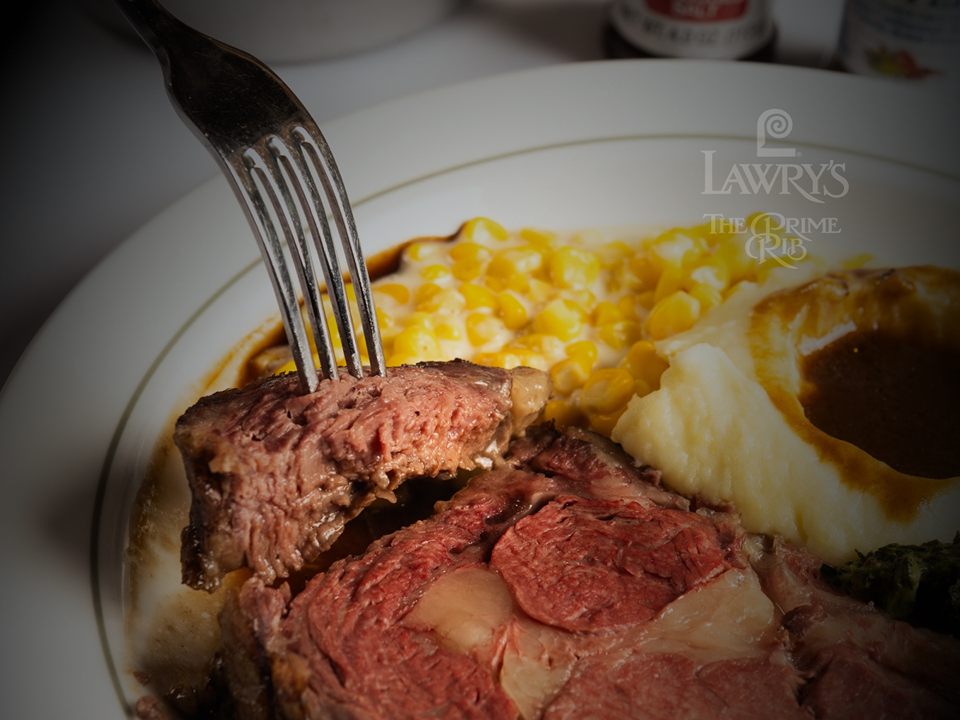
A medium-rare steak should have a warm pink center when sliced. It should not look bright red in the middle, and it should not look gray throughout. The juices should be clear with a reddish tint.
The touch test can also help. Press the center of the steak gently. Medium-rare should feel similar to pressing the base of your thumb when your hand is relaxed. It should feel firm, with a little give.
The Only Way to Truly Get It Is to Sit Down and Taste It!
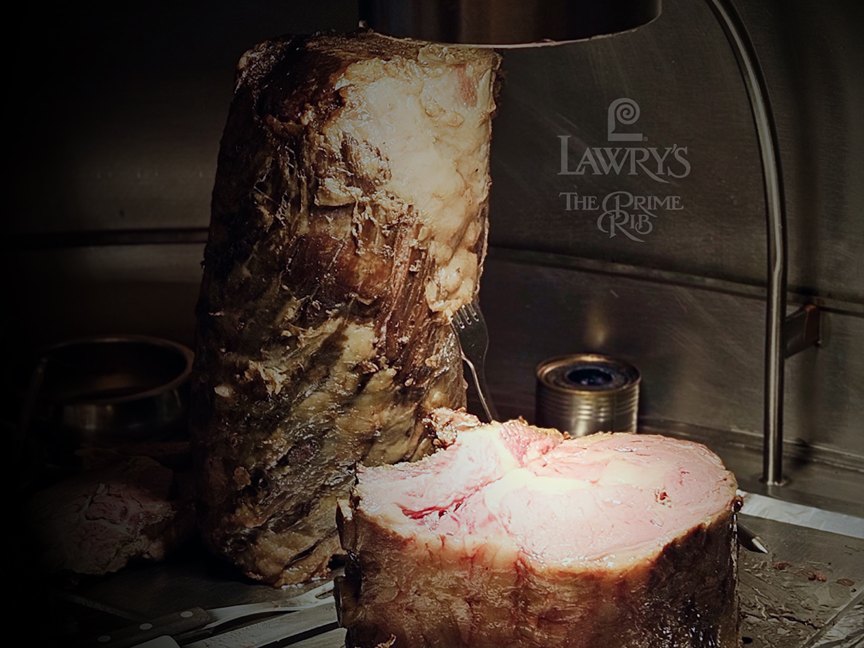
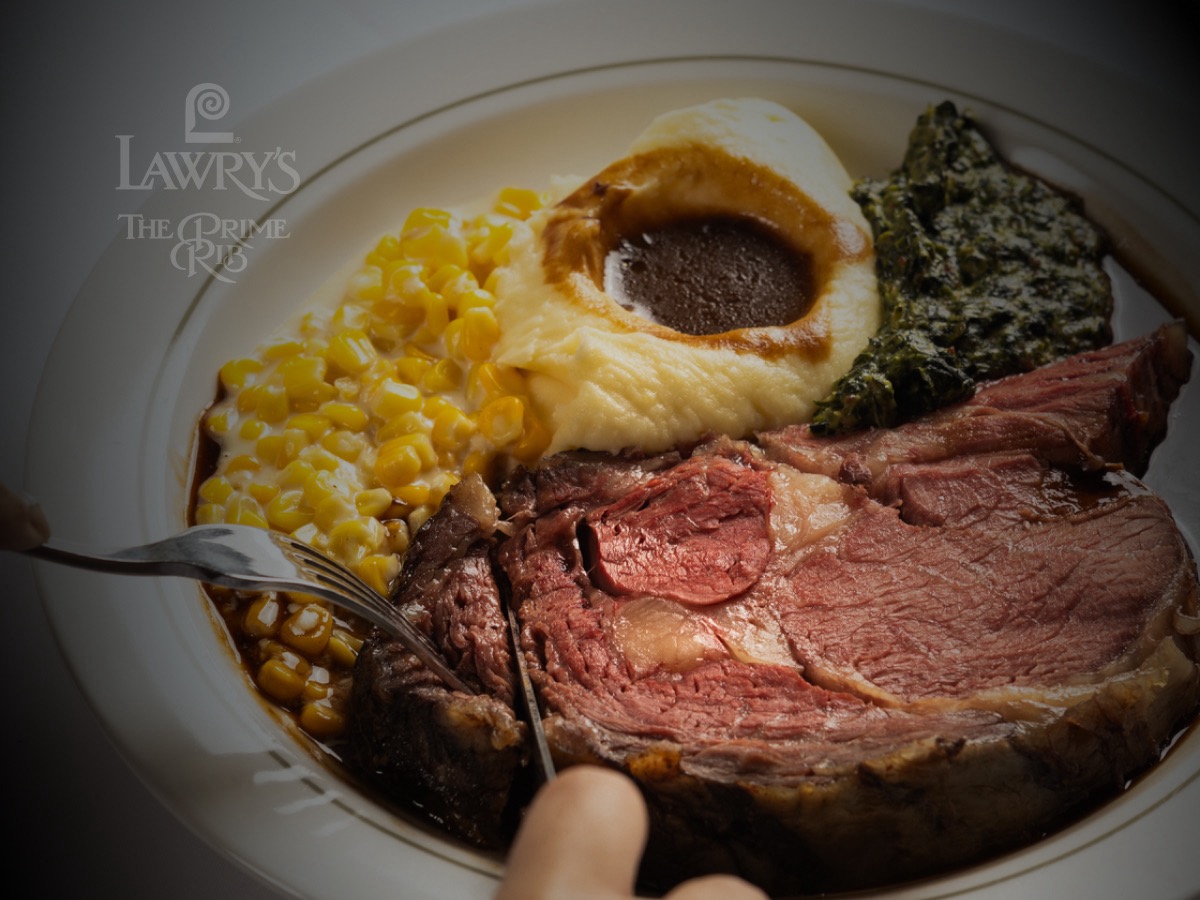
To understand medium-rare properly, you have to taste it in a setting where the cooking method, cut, temperature, and timing are handled with precision. Lawry’s The Prime Rib Jakarta is a strong place to experience that standard through premium prime rib served at its ideal doneness.
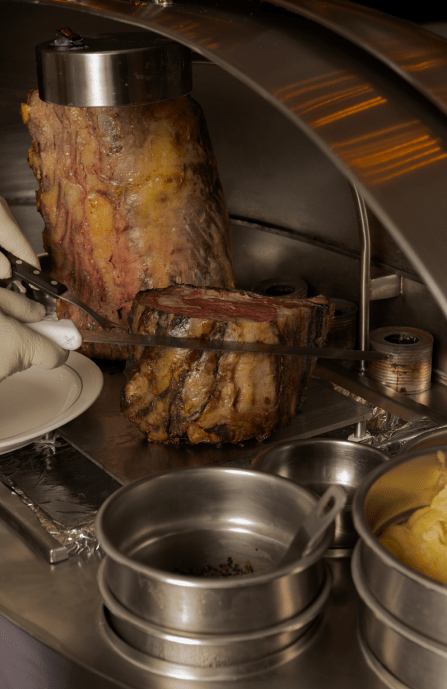
Lawry’s slow-roasting method is designed to move heat evenly through a large cut of prime rib, allowing the kitchen to account for carryover cooking and reach optimal doneness in every slice. The result shows why medium-rare remains the preferred choice for premium steak. It gives the meat structure, keeps the center juicy, and allows the fat to support the flavor instead of disappearing from it.
For the full selection of cuts and dishes, explore Lawry’s menu. For a refined fine dining Jakarta steak experience, make a reservation and book your seat at Lawry’s The Prime Rib Jakarta.
FAQ
Premium cuts such as prime rib, ribeye, and wagyu are often best enjoyed medium-rare. Their marbling and natural tenderness allow the fat to render properly while preserving the juicy texture and rich flavor that make these cuts exceptional.
Yes, medium-rare steak is generally safe to eat when prepared from high-quality beef and handled properly. The exterior of the steak reaches a high temperature that helps eliminate surface bacteria, while the interior remains warm and pink.
Reserve Table
Lawry’s Restaurants is the perfect place to begin your venue search for any occasion.