
Why Is Caviar So Expensive? The Truth Behind Its Luxury Price
Look at the price of a small tin of caviar and one question tends to arrive before the first bite – how can fish eggs possibly cost that much? The answer begins long before caviar reaches the table. Sturgeon can take years to mature, their roe requires careful harvesting and processing, and the finished product needs strict temperature control all the way through storage and transportation. Add limited supply, strong demand, and big price differences between sturgeon species, and why caviar is so expensive to eat becomes easier to understand. But whether that tiny spoonful is actually worth the splurge is another matter entirely!
What Is Caviar?
True caviar refers to salt-cured roe from sturgeon. Although the word is sometimes used loosely for other fish eggs, products such as salmon or trout roe are technically different. Common sturgeon varieties used for caviar include Beluga and Ossetra. Once harvested, the eggs are cleaned, sorted and lightly salted, producing the glossy pearls associated with caviar. Species, size, color, texture and processing can all influence quality and price.
Why Is Caviar So Expensive?
Patience is one of the biggest costs. Depending on the species, sturgeon can take many years to mature before producing harvestable roe. During that period, farms have to provide feed, clean water, filtration equipment, space and regular monitoring without receiving an immediate return from the fish.
Harvesting also requires precision. Once the roe is ready, the eggs must be extracted, filtered, salted and handled carefully to protect their texture. Caviar is highly perishable as well, so refrigerated storage and transportation add another expense.
Scarcity helps explain why caviar is so popular as a luxury food. True caviar comes from a limited group of fish, while demand continues from restaurants and consumers interested in premium ingredients.
So, how much can 1 kg cost? As of 2026, an ounce of Beluga caviar can cost well over US$200 (around IDR 3.6 million). That is quite a commitment for something served by the spoonful. At that rate, a kilogram would exceed roughly US$7,000 (around IDR 125 million), although real prices vary considerably according to species, origin and grade. Suffice it to say, caviar has never been especially interested in being economical!
What Makes Caviar Different from Regular Fish Roe?
The difference begins with the fish. Strictly speaking, true caviar comes from the sturgeon family. Salmon, trout and capelin produce roe, though their eggs are not traditional sturgeon caviar. Caviar is also valued for texture. Good roe has individual pearls that give gently when eaten, releasing salty, briny and sometimes nutty flavors. Different sturgeon species produce their own variations in size, color and taste.
Is Caviar Worth It?
That depends on what you expect from it. Caviar is expensive partly because of its production, scarcity and handling, so the price cannot be explained by flavor alone.
For someone curious about luxury ingredients, a small serving can offer an experience difficult to reproduce with ordinary fish roe. For another diner, spending hundreds or thousands on roe may simply hold little appeal. Caviar makes the most sense when approached as something to taste slowly rather than something to eat in large quantities.
As for why caviar is good for you, it provides protein, omega-3 fatty acids, vitamins and minerals. It can also contain considerable sodium, making moderate portions sensible.
How Should You Eat Caviar?
Keep the first taste simple. Caviar can be served chilled with blini, brioche, toast points or potato pancakes, but there is no need to assemble half the pantry around it. A non-metallic spoon is commonly recommended because metal can interfere with its delicate flavor. Take a small amount and let the pearls rest on your tongue before gently pressing them against the palate. It may feel rather ceremonial for a spoonful of fish roe, but there is a point to the patience, as you have more time to notice the texture and changing flavors instead of swallowing the serving in a mouthful.
Why Should You Try Caviar at Least Once?
Curiosity may be reason enough. The appeal comes partly from discovering why such a small portion has remained associated with elaborate dinners and special occasions for generations. Trying it once also gives you an answer no price guide can provide – whether you actually enjoy it.
Caviar or Prime Rib? Choose Your Favorite Dining Experience!
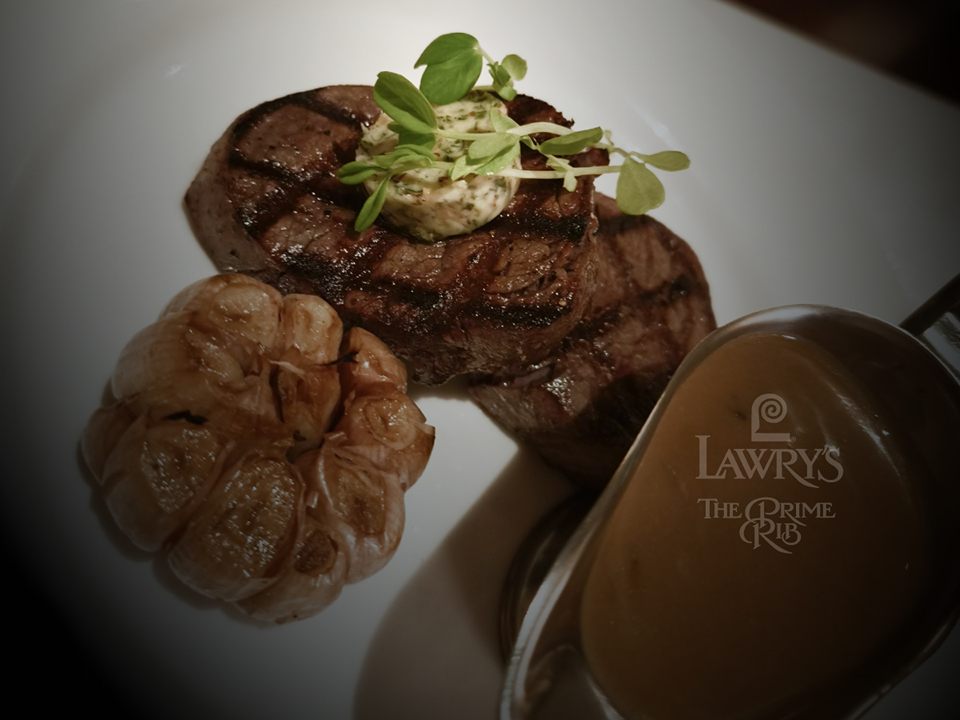
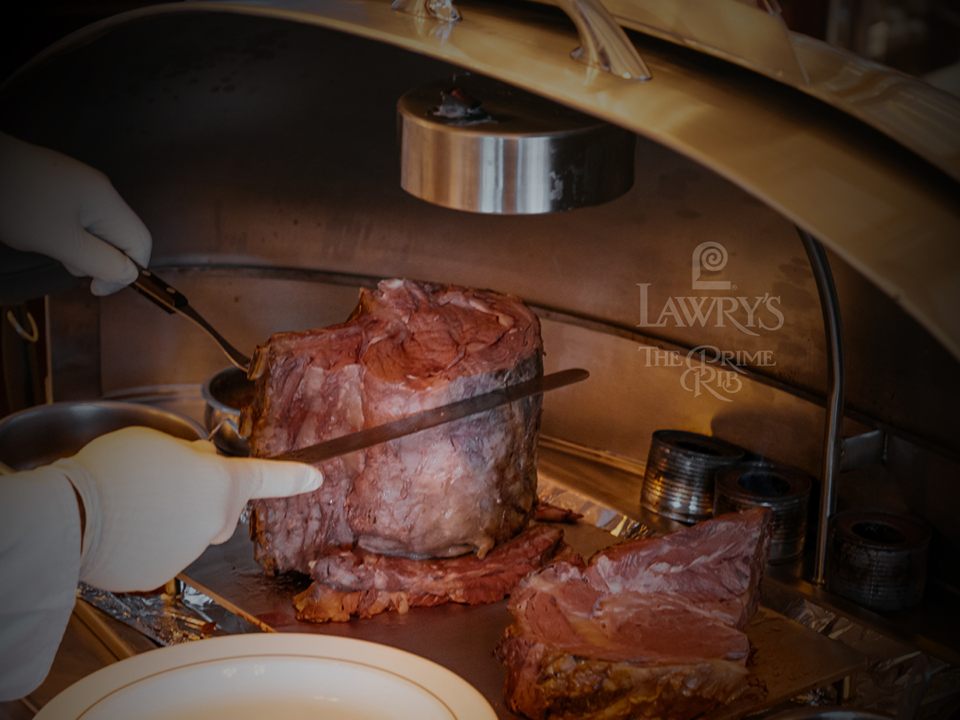
At Lawry’s The Prime Rib Jakarta, you can explore both ends of that indulgent spectrum. The menu includes Perseus Oscietra Caviar served with traditional accompaniments, while prime rib remains the restaurant’s signature centerpiece.
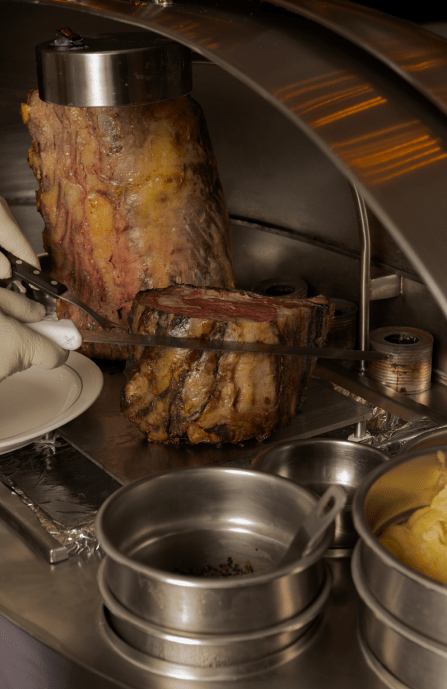
If your idea of fine dining Jakarta leans toward a substantial main course, Lawry’s signature prime rib offers an entirely different experience from the delicate portions of caviar. For a date or special celebration, you can also explore ideas for a candle light dinner before planning your meal.
Caviar might begin the evening with a few carefully savored bites. Prime rib can take it from there. Explore the Lawry’s menu and experience both for yourself at Lawry’s The Prime Rib Jakarta.
Reserve Table
Lawry’s Restaurants is the perfect place to begin your venue search for any occasion.