
Science Behind Steak: What is Wet-Aged Steak?
For avid steak enthusiasts, the aging process of meat– whether dry or wet– opens up a world of nuanced flavors. While dry-aged steak boasts a rich, pungent flavor, wet-aged steak is celebrated for its subtle, clean taste and tender texture. It’s a method that champions the meat’s natural flavor profile, for those who seek a milder experience with their steak, wet-aged meat is the suitable choice to go for. This method also works best for leaner cut beef, since the moist environment of wet-aging keeps the meat succulent and enhances its overall quality.
But what is exactly a wet-aged steak and how does one achieve it? Well, you have stumbled upon the right page, buckle up, and pay close attention.
What is Wet-Aging?
Wet-aging emerged as a modern alternative to the traditional dry-aging process. While dry-aging involves air-exposing the meat in a controlled environment for weeks, wet-aging requires vacuum-sealing the meat in plastic and storing it in a refrigerated space for an extended period, typically ranging from 14 to 60 days.
Within this sealed environment, enzymes continue to break down the muscle fibers, tenderizing the meat without losing moisture. The process leads to a delicate, fresh taste that appeals to many and is generally considered more approachable than the earthy, sometimes funky notes of dry-aged beef.
For lean cuts, such as filet mignon or flat-iron steak, wet-aging can elevate the texture and tenderness without dehydrating the meat. In essence, the steak retains its original weight and moisture, making wet-aging especially practical for restaurants and consumers alike.
Wet-Aged vs Dry-Aged Steak: What are the Differences?
If you’re a steak lover or just someone curious about what makes a steak taste extra special, you might have heard the terms wet-aged and dry-aged. They sound kind of fancy, but the difference between them is actually pretty straightforward—and knowing it can help you pick the perfect steak to suit your taste!
Wet-aged steak is the most common type you’ll find in grocery stores and many restaurants. After the beef is processed, it’s vacuum-sealed in plastic and refrigerated for anywhere from 7 to 21 days. This process allows the meat’s natural enzymes to break down the fibers slowly, making the steak more tender. Since it’s sealed, no moisture is lost—so the result is a juicy steak with a clean, fresh beef flavor. It’s also more affordable, since there’s less waste involved, and the process is quicker compared to dry-aging.
On the flip side, dry-aged steak takes a bit more time and care. It involves storing the meat uncovered in a temperature- and humidity-controlled environment for 21 to 60 days (sometimes even longer!). During this time, moisture evaporates from the meat, which intensifies the flavor.
Meanwhile, natural enzymes still work their magic to tenderize the meat. The outside forms a hard crust that’s trimmed off before cooking, leaving behind a deep, rich, beefy flavor with nutty or even earthy notes. Some people describe dry-aged steak as having an “umami” quality, similar to aged cheese. Because of the weight loss and labor involved, dry-aged steaks tend to be more expensive—and their bold flavor isn’t for everyone.
In short, wet-aged steaks are known for being juicy, tender, and having a more traditional beef flavor, while dry-aged steaks are richer, funkier, and perfect for steak aficionados looking for a gourmet experience. Whether you prefer one over the other really comes down to personal taste!
Best Cuts for Wet-Aged Steak
Now that you know wet-aged steak delivers tender, juicy, and fresh beef flavor, you might be wondering: What are the best cuts to enjoy this aging method? Great question!
Here are the top cuts that shine when wet-aged:
A. Ribeye
The ribeye is already rich with marbling (those little white streaks of fat), and wet-aging helps it stay super juicy and tender. You’ll get that satisfying bite with tons of flavor, without needing the intense funk of dry-aging.
B. Striploin (aka New York Strip)
This cut balances tenderness and beefiness beautifully. Wet-aging enhances the striploin’s natural flavors and gives you a firm, juicy steak that’s perfect for grilling or pan-searing.
C. Tenderloin (aka Filet Mignon)
This is one of the most tender cuts on the cow. It doesn’t need much aging to be amazing—but wet-aging adds a bit more complexity and depth without overpowering its delicate texture.
D. Sirloin
A great everyday steak! Wet-aging gives sirloin an extra boost in tenderness and juiciness, making it more enjoyable even if it’s a leaner cut.
E. T-Bone / Porterhouse
These cuts give you the best of both worlds (striploin and tenderloin in one). Wet-aging makes both sides of this iconic steak even more delicious, tender, and grill-worthy.
How to Wet-Age Your Steak at Home
The process of wet-aging is surprisingly accessible, as it requires minimal equipment—a vacuum-sealer and some patience are all you need!
1. Select the Meat and Check Packing Date
- Start by choosing a high-quality cut of beef, check out our article about how to choose premium cuts if you’re still uncertain about which kind of beef to buy.
- Confirm the packing date, as this ensures you’re aging within a safe time frame. Fresh meat is essential for this process.
2. Vacuum Seal for Freshness
- If your butcher hasn’t vacuum-sealed the meat, use a vacuum-sealer to remove all the air. This is essential to prevent bacterial growth and ensure a controlled environment for the meat to tenderize.
3. Refrigerate and Wait
- Place the sealed meat in the refrigerator at around 1.5°C. The aging process can vary, but anywhere from 30 to 60 days is recommended.
- Keep the seal intact and avoid opening until you’re ready to cook.
4. Prepare to Cook
- After aging, open the bag and rinse the meat to remove any natural juices that have accumulated.
- Trim any discolored portions, as these are a natural byproduct of the wet-aging process.
Wet-aged steak has become a staple in fine dining, thanks to its reliable flavor and texture. It’s a popular choice for chefs and diners who appreciate its tenderness without the intensity that accompanies dry-aged beef. This makes it the ideal choice for those seeking a flavorful yet balanced steak experience.
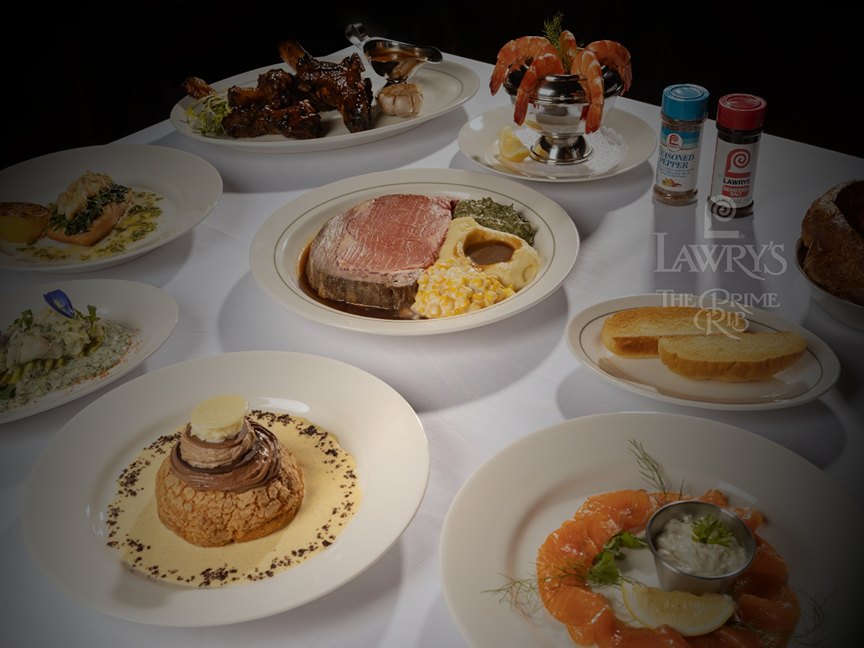
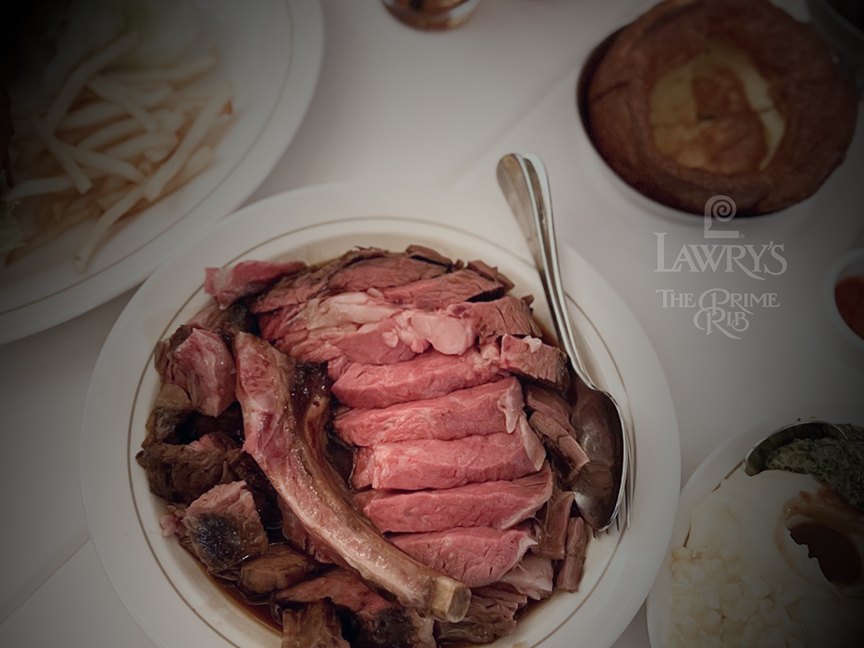
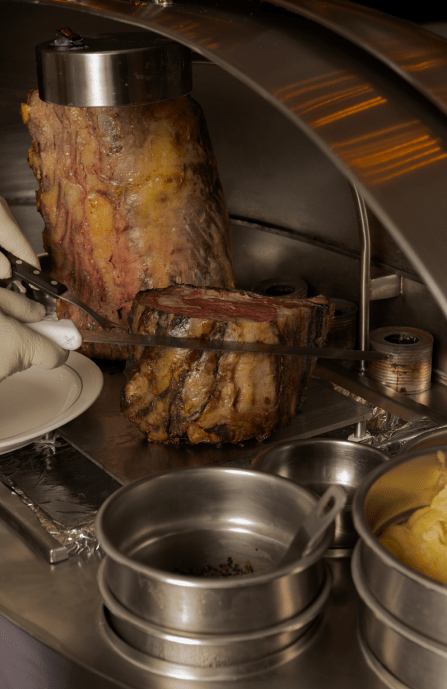
At Lawry’s The Prime Rib Jakarta, each steak is prepared with the utmost precision, offering a range of cuts that celebrate this art of aging. Lawry’s menu reflects a commitment to quality, bringing the best of both classic and innovative steak dishes to the table. For those who seek the best in Jakarta’s dining scene, a visit to Lawry’s is a must, after all this is where the art of prime rib roast is perfected.
FAQ
Wet-aging is a process where beef is vacuum-sealed in plastic and stored in a refrigerated space for 14-60 days. This allows enzymes to tenderize the meat while preserving moisture, resulting in a tender, clean taste.
Wet-aging keeps the meat sealed in a vacuum bag, maintaining moisture and offering a subtle flavor. Dry-aging, on the other hand, exposes the meat to air, developing stronger, more intense flavors.
Yes, you can! Use a vacuum sealer to remove air and store the meat in the fridge at 1.5°C for 30-60 days. Make sure to trim any discolored parts before cooking.

Reserve Table
Lawry’s Restaurants is the perfect place to begin your venue search for any occasion.