
Understanding Restaurant Group Reservation Policies for Large Events
Restaurant policies shape the tone of a group dinner long before the first plate arrives. For large events, the practical details carry real weight. Deposits, cancellation deadlines, and minimum booking requirements are part of the planning, not small print to skim past. They protect the venue, and they give the organizer a clearer grip on cost, timing, and commitment. With those terms settled early, the event is far less likely to run into surprise charges, muddled expectations, or exhausting rounds of follow-up. A well-run group dinner usually begins with clear terms, not crossed fingers!
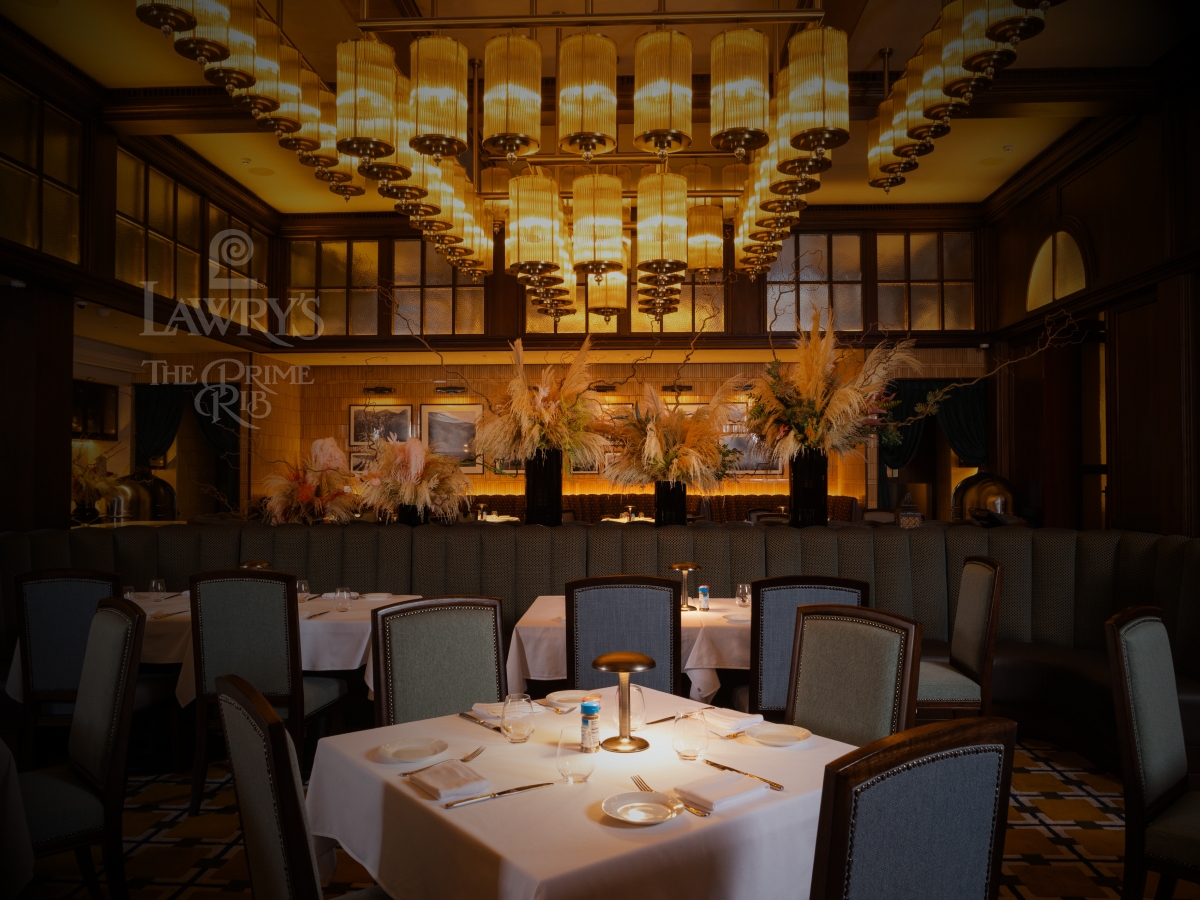
It helps to know which policies need to be pinned down before you go any further. Minimum spend is usually one of the first things to ask about, especially for larger groups or private dining spaces. You will also want to confirm whether a private dining room is available, how many guests it can comfortably hold, and whether the setup actually fits the kind of event you are planning. Some dinners work best with one long table and easy conversation. Others need more flexible seating or extra room for a presentation.
Policies around outside items are worth checking early too! A birthday cake, flowers, printed materials, or simple decorations may be welcomed, limited, or charged separately. Corkage should be part of that conversation as well. If anyone plans to bring wine, the fee needs to be clear from the start.
Menu flexibility also matters, especially when the group includes dietary restrictions, allergies, halal requirements, or other specific requests. Then there are the details planners usually care about most, including how much deposit is needed, when it has to be paid, what the cancellation deadline looks like, and whether any part of the payment can be returned if plans shift.
These conversations usually run more smoothly when the organizer comes in prepared. A short checklist can do a lot of the heavy lifting, covering the preferred date, estimated guest count, purpose of the event, whether a private room is needed, the budget range, dietary notes, and any specific requests around seating, timing, or food. The clearer the brief, the easier it is for the restaurant to respond with useful answers. Group bookings often become tiring when the inquiry is too broad and every detail has to be teased out one by one. A clear request saves time on both sides and makes confusion far less likely later on.
Reach out early, and use the restaurant’s official channels while you are at it. WhatsApp and email are especially helpful because they leave a clear written trail. That gives you something solid to return to when the guest count changes, dietary notes get updated, or payment terms need to be checked again. It also makes follow-up far simpler as the event gets closer. For larger dinners, even a small mix-up can throw off service, seating, or the budget, so having everything in writing is just smart planning.
The next level of confidence comes from working with the venue as a planning partner rather than treating it as a simple vendor. This is where an event coordinator or dedicated restaurant contact becomes valuable. A good coordinator can help interpret the restaurant’s policies, suggest the most suitable room or setup, guide menu structure, and make sure service pacing matches the purpose of the evening. That support can remove a surprising amount of pressure from the organizer. Instead of managing every moving part alone, the planner gains a team that already understands how group dining works.
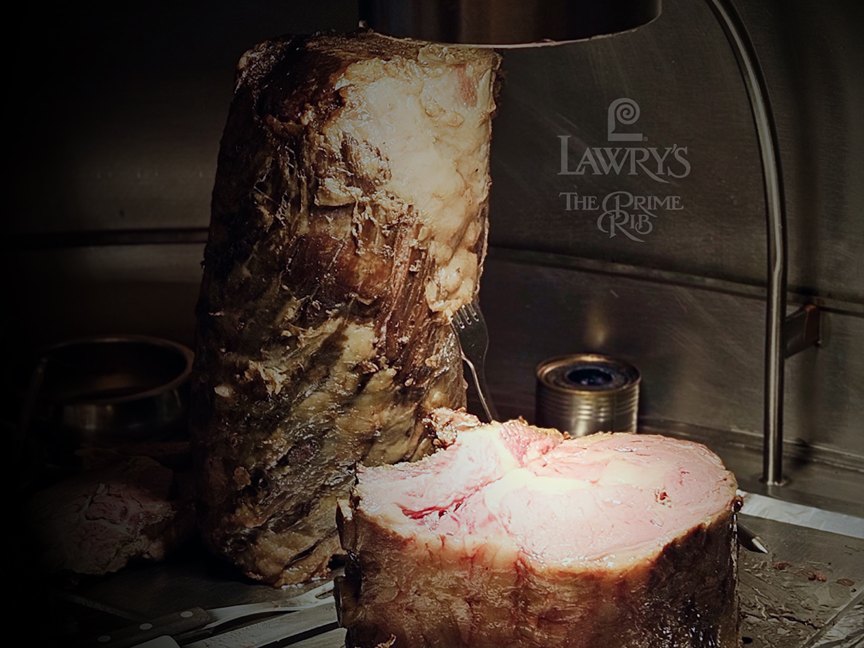
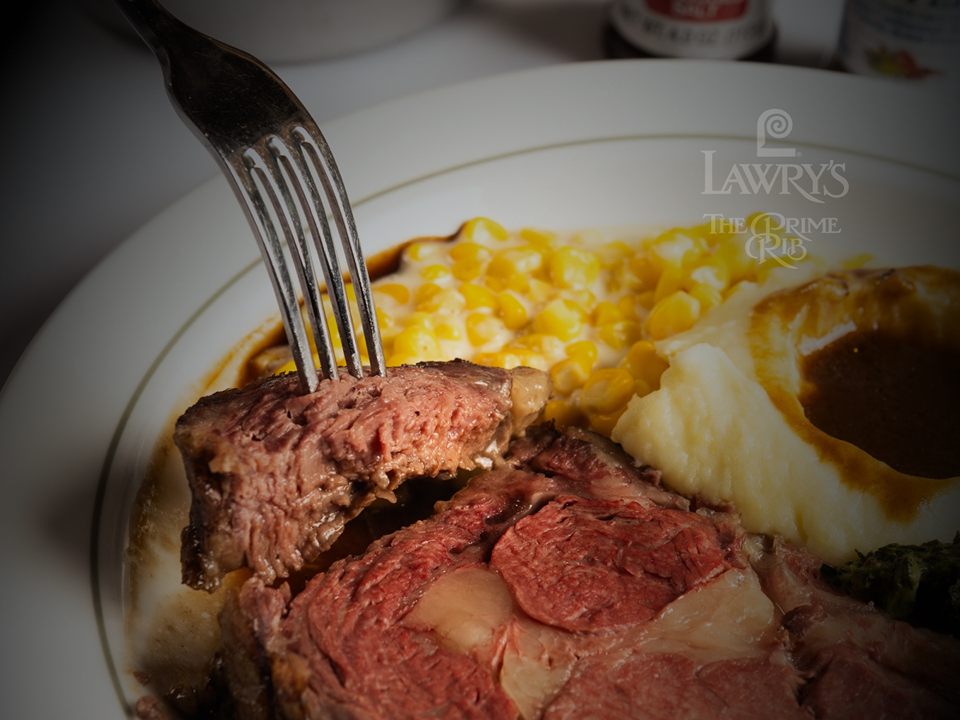
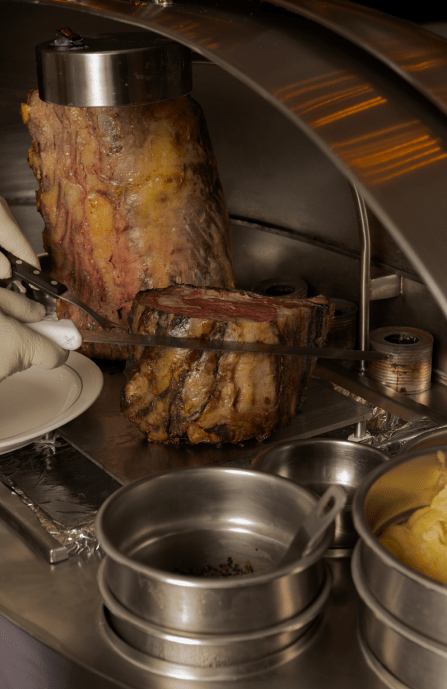
For anyone considering fine dining Jakarta for a larger event, this level of structure is part of the advantage. A premium restaurant like Lawry’s The Prime Rib Jakarta is equipped to handle group dinners with a more professional process, and it also offers a private dining room for more intimate occasions. Guests can browse Lawry’s menu first, then contact Lawry’s to confirm room availability, review booking terms, and discuss menu customization before the event is held.
FAQ
Start with the essentials: minimum spend, private room availability and capacity, deposit amount and deadline, cancellation policy, and whether outside items like cakes or decorations are allowed. The more specific your inquiry, the faster the restaurant can give you useful answers.
Policies around deposits, cancellation deadlines, and minimum spend protect both the venue and the organizer. Knowing these terms early helps avoid surprise charges, misaligned expectations, and unnecessary back-and-forth as the event gets closer.
It depends on the restaurant's policy. Some venues welcome outside items, others may charge a fee or have restrictions. Always confirm this in advance, along with corkage fees if anyone plans to bring their own wine.
Reserve Table
Lawry’s Restaurants is the perfect place to begin your venue search for any occasion.