
Is Prime Rib Just Another Steak? Here’s What Makes It Different
Prime rib gets mixed up with ribeye because both names point to the same delicious neighborhood. Prime rib and ribeye come from the rib section, then head in different directions. Prime rib is a slow-roasted whole cut, while ribeye is an individual steak cooked fast over high heat. Steak, meanwhile, is a broader category, covering many individual cuts from different parts of the cow.
That is where the confusion usually begins. Prime rib can be sliced into portions, and ribeye is closely related to it, but the way each cut is prepared, served, and experienced makes a clear difference. To understand why prime rib holds its own place at the table, it helps to look at what it is, what steak really means, and how the two compare.
Defining the Contenders
What Exactly Is Prime Rib?
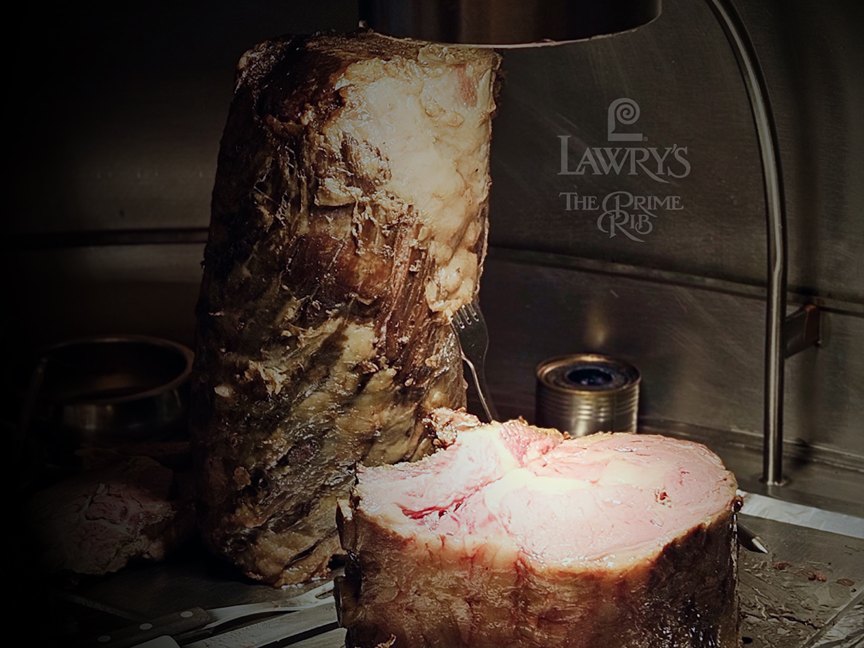
Prime rib comes from the rib primal section of the cow, usually ribs six through twelve. It is also known as a standing rib roast, especially when served bone-in. This section is valued for its rich intramuscular marbling, which helps keep the meat juicy, tender, and deeply flavored during cooking.
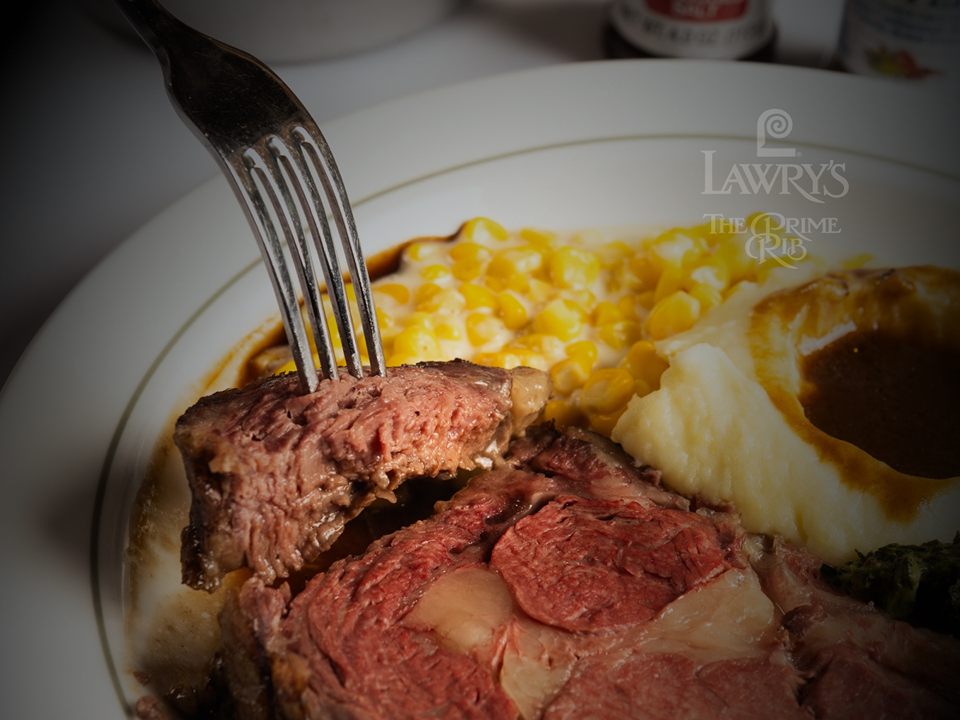
Unlike a single steak, prime rib is prepared as a larger roast. It is usually cooked slowly at a low temperature, allowing the fat to melt gradually into the meat. The result is a generous cut with a soft texture, a deep beef flavor, and a richness that runs through each slice.
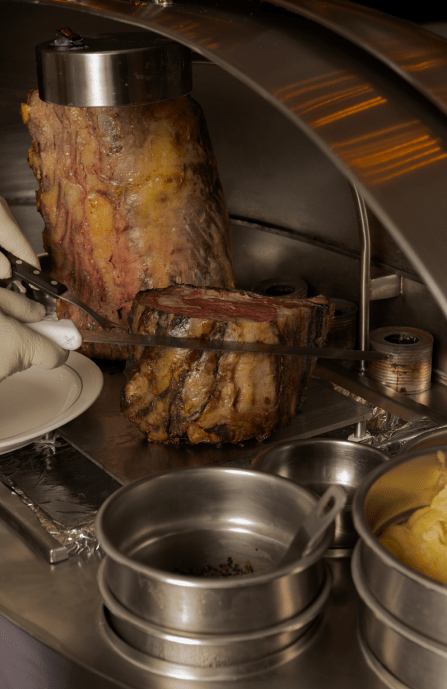
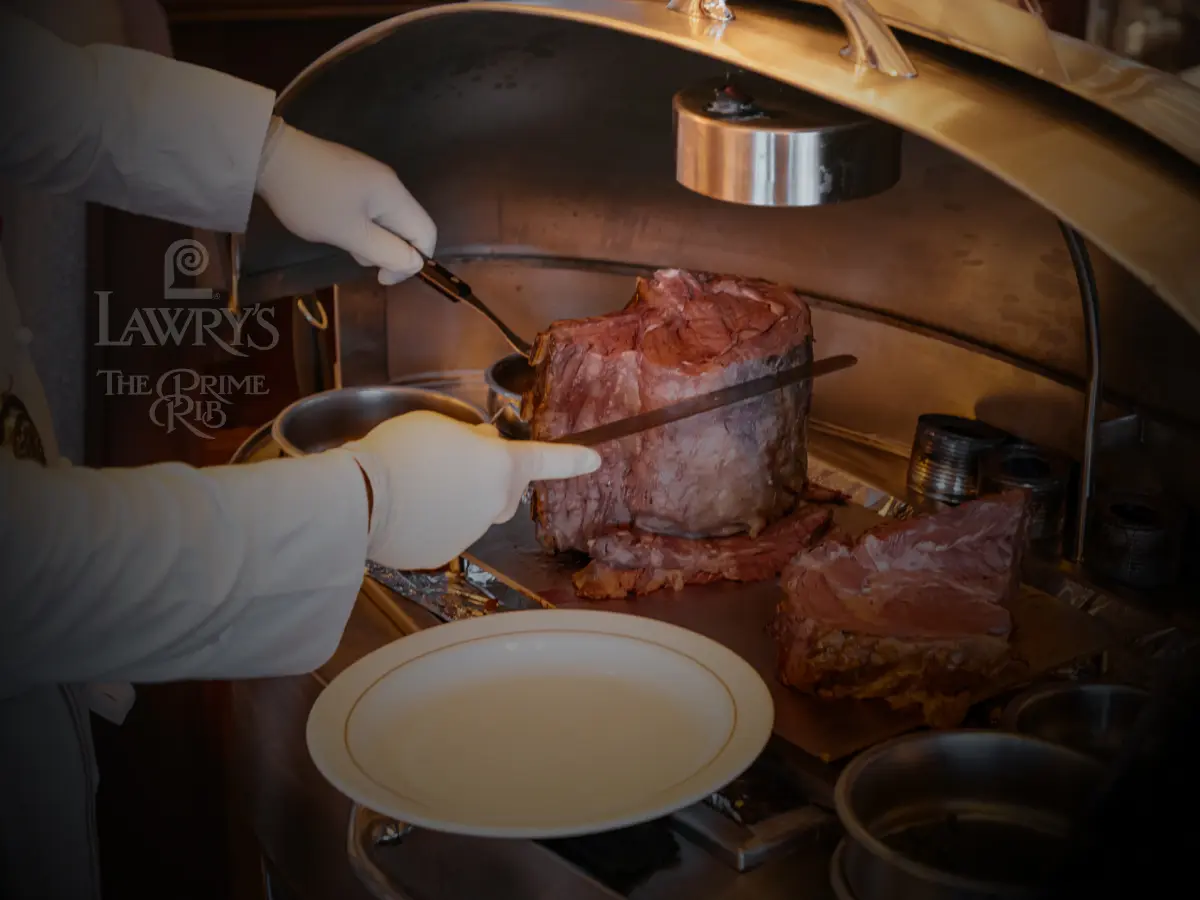
Lest we forget that prime rib is also tied to a certain style of service. Traditionally, it is carved from a whole roast, often tableside, rather than arriving as a single steak already plated from the kitchen.
What Are Steaks?
Steak refers to individual portions of beef cut from different muscles across the cow. That means one steak can be lean, delicate, and mild, while another can be fatty, bold, and firm.
Ribeye comes from the rib primal section and is known for its marbling, tenderness, and full-bodied flavor. Sirloin comes from the rear back portion of the cow and is usually leaner, with a firmer bite and good beef flavor. Tenderloin, often served as filet mignon, comes from a less-used muscle along the backbone and is prized for tenderness rather than heavy marbling. T-bone and porterhouse steaks come from the short loin and combine strip steak with a portion of tenderloin on either side of the bone.
Steaks are usually cooked quickly with high heat. Grilling, pan-searing, and broiling are common methods because they build a browned crust while keeping the inside cooked to the guest’s preferred doneness.
Fat content also varies widely. Filet mignon is lean and soft. Ribeye is fattier and richer. Sirloin is firmer and more moderate in fat. Porterhouse gives two textures in one cut. That range is what makes steak such a broad category rather than one specific experience.
The Key Differentiators: Prime Rib vs. Steak
| Category | Prime Rib | Steak |
| Cut | A whole roast from the rib primal section, often bone-in | Individual portions cut from various parts of the cow |
| Cut location | Usually ribs 6–12 | Depends on the cut, such as rib, loin, sirloin, or tenderloin |
| Cooking method | Slow-roasted at a lower temperature | Grilled, pan-seared, or broiled over higher heat |
| Flavor profile | Consistent richness, juicy texture, deep beef flavor | Varies by cut, from lean and mild to fatty and robust |
| Fat content | Generally well-marbled with a rich fat cap | Depends on the cut, with filet being leaner and ribeye being fattier |
| Serving style | Carved from a whole roast, often as part of a shared dining ritual | Served as an individual plated dish |
| Price point | Often higher per serving because of cut size, preparation, and service | Varies widely depending on the cut, grade, and portion size |
The easiest way to separate the two is to think of prime rib as a roast and steak as an individual cut. They can come from related areas of the cow, yet they behave differently once they reach the kitchen.
Prime rib rewards patience. Its size allows slow roasting to draw out tenderness and richness. Steak rewards heat and timing. A good sear can bring out crust, aroma, and texture in just a few minutes.
What’s important to know is that neither one needs to replace the other. A ribeye suits the guest who wants a personal cut with a strong sear and a juicy center. Prime rib suits the meal that calls for ceremony, carving, and a slower kind of enjoyment.
Why Lawry’s Prime Rib Stands Apart
Lawry’s has built its name around the prime rib tradition, with a style of dining that treats the roast as the centerpiece. The brand’s heritage goes back to 1938, and the experience remains closely tied to the silver carving cart, the tableside service, and the spinning bowl salad.
At Lawry’s Jakarta, prime rib is served with that same sense of occasion. The silver cart brings the roast directly to the table, where each portion is carved to order. The spinning bowl salad adds a familiar touch of theatre before the main course arrives, while the carved prime rib keeps the focus on the beef itself.
For guests looking for fine dining jakarta, this is where the value of prime rib becomes clearer. It is not only about ordering a premium cut. It is about the way the cut is cooked, carved, served, and paced across the meal.
Those who want to compare options can browse lawry’s menu before visiting. For a dinner built around the restaurant’s signature roast, guests may also book your seat in advance.
Conclusion
Prime rib is not just another steak. It comes from a prized section of the cow, just as some steaks do, but its size, preparation, fat structure, and serving style give it a distinct identity.
Steak offers variety. Prime rib offers depth, patience, and tradition. One is not better by default. They simply answer different cravings. For those who want the classic version, Lawry’s Jakarta gives prime rib the setting it deserves: carved from the roast, served with care, and enjoyed at a pace that lets the cut speak for itself!
Reserve Table
Lawry’s Restaurants is the perfect place to begin your venue search for any occasion.