
Butter Basting Steak: Why Chefs Love It (and When It Can Go Wrong)
If you’ve ever watched a chef at work, you’ll know the moment. A sizzling pan, a steak crackling away, and then, the show—where a generous spoonful of butter tipped over the meat in a golden cascade. The aroma hits first. It is nutty, rich, and a little intoxicating. This is butter basting, a technique that feels almost too simple to be the secret behind some of the juiciest steaks you’ll ever eat. Yet, it’s precisely this ritual of spooning foaming butter over a seared steak that transforms it from good to unforgettable.
Why Butter-Basting Works
At its core, butter basting is a finishing technique, not the main cooking method. The steak is first seared in a bare pan or with a neutral high-smoke-point oil, locking in that essential crust through the Maillard reaction. Once the meat approaches its target doneness, butter is introduced to the pan. As it foams, it begins to brown, developing complex, nutty flavors. By tilting the pan and repeatedly spooning the bubbling fat over the steak, you both infuse flavor and baste the surface in sizzling fat that deepens the crust.
This process balances indulgence with precision. The butter doesn’t simply coat the surface, it carries aromatics like garlic, rosemary, and thyme, seeping into the meat and amplifying its succulence. Properly done, the result is a steak that feels both decadent and perfectly judged: a golden crust that yields to a tender, juicy center.
The Advantages and Disadvantages of Butter Basting
Butter-basting offers distinct benefits for enhancing a steak’s flavor and texture. The primary advantage lies in the direct infusion of richness and aromatic compounds into the meat. As the steak cooks, the melted butter, especially when combined with herbs and garlic, permeates the exterior, adding layers of savory depth that are otherwise difficult to achieve. This method also contributes to a more tender and juicy final product by continuously moistening the surface, helping to prevent it from drying out during the final stages of cooking.
Additionally, the browning of the butter itself introduces complex, nutty notes that complement the steak’s natural flavors. For those keen on presentation, the technique also imparts a visually appealing, glossy finish to the crust.
However, butter-basting also presents several challenges. A significant disadvantage is the potential for burning the butter if not managed correctly. Butter has a lower smoke point than many cooking oils, and if the pan is too hot or the basting prolonged, the milk solids in the butter can burn, resulting in a bitter, unpleasant taste. This also means that butter-basting is generally not suitable for the entire cooking process, requiring an initial sear with a different fat.
Furthermore, the technique adds a considerable amount of fat and calories to the dish, which might be a concern for some diners. It also creates a fair amount of smoke, necessitating good ventilation and making it less ideal for home kitchens without proper extraction. Controlling the heat and timing precisely is crucial, as errors can easily lead to a greasy steak or a scorched pan.
The Common Mistakes to Avoid
For all its simplicity, butter basting is easy to get wrong at home. Here are the pitfalls to sidestep if you want to nail the perfect butter basted steak:
1. Adding butter too early – Butter burns quickly. Start basting only when the steak is 10–15°C shy of its final temperature. That way the butter browns without turning bitter.
2. Using the wrong butter – Regular butter’s low smoke point can spoil the process. Clarified butter (or ghee) withstands higher heat, making it ideal for sustained basting.
3. Keeping the pan too cool – Butter must sizzle aggressively so its water content evaporates, leaving pure fat to sear the surface. Without high heat, the crust turns soggy.
4. Improper spooning – Safety and efficiency lie in tilting the pan at about 35 degrees and spooning the butter upward and over the steak. This keeps control while evenly distributing flavor.
5. Choosing the wrong cut – Thin steaks cook too fast for butter to work its magic. Instead, select thicker cuts like ribeye, strip, or filet. They allow enough time to build crust without overcooking the interior.
6. Skipping aromatics – A handful of thyme, rosemary, or crushed garlic cloves transforms the butter from simple fat into a complex, fragrant basting medium.
The Professional Touch
Even with the best intentions, replicating a restaurant-quality butter basted steak at home can be daunting. Professional kitchens are equipped with blazing burners, powerful ventilation, and chefs who know exactly how to balance heat and timing. That’s why, for those who want to experience the pinnacle of this method without the stress (or the smoke alarms) there’s no better option than indulging in fine dining Jakarta has to offer.
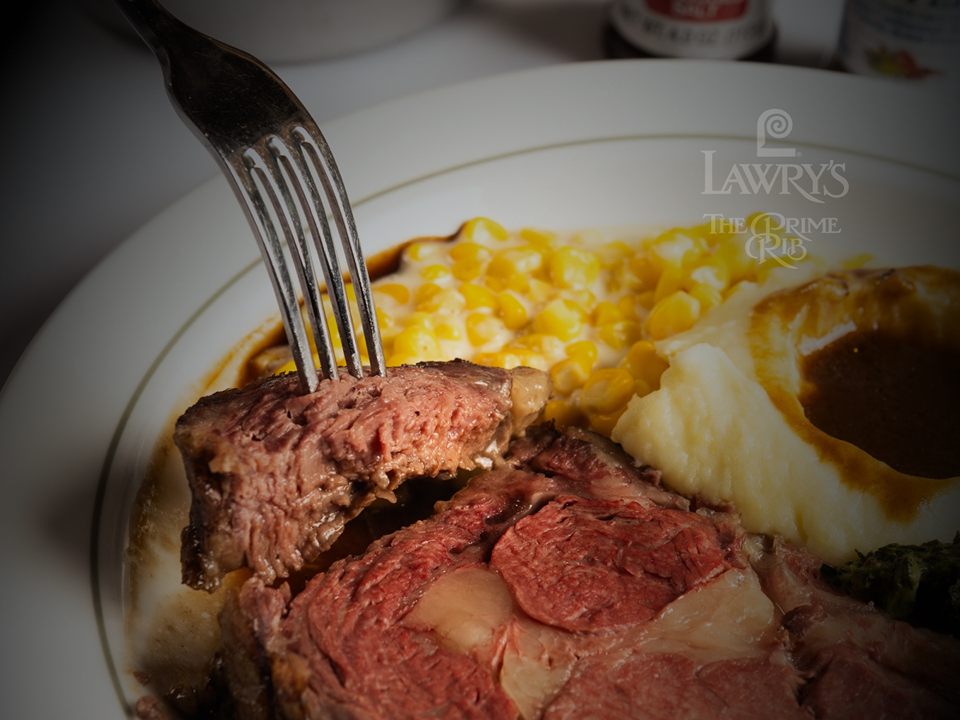
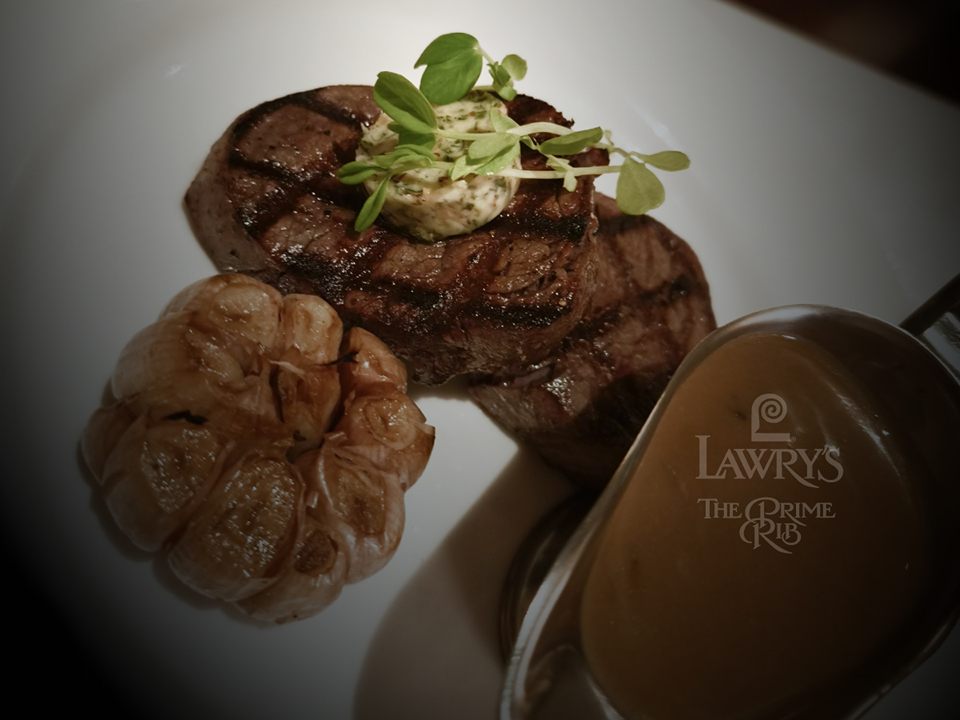
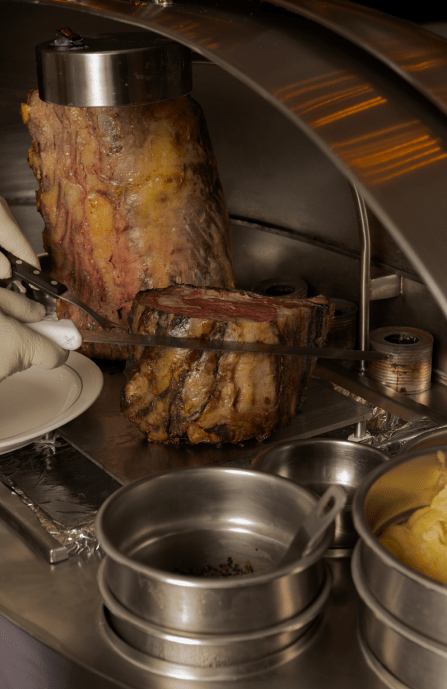
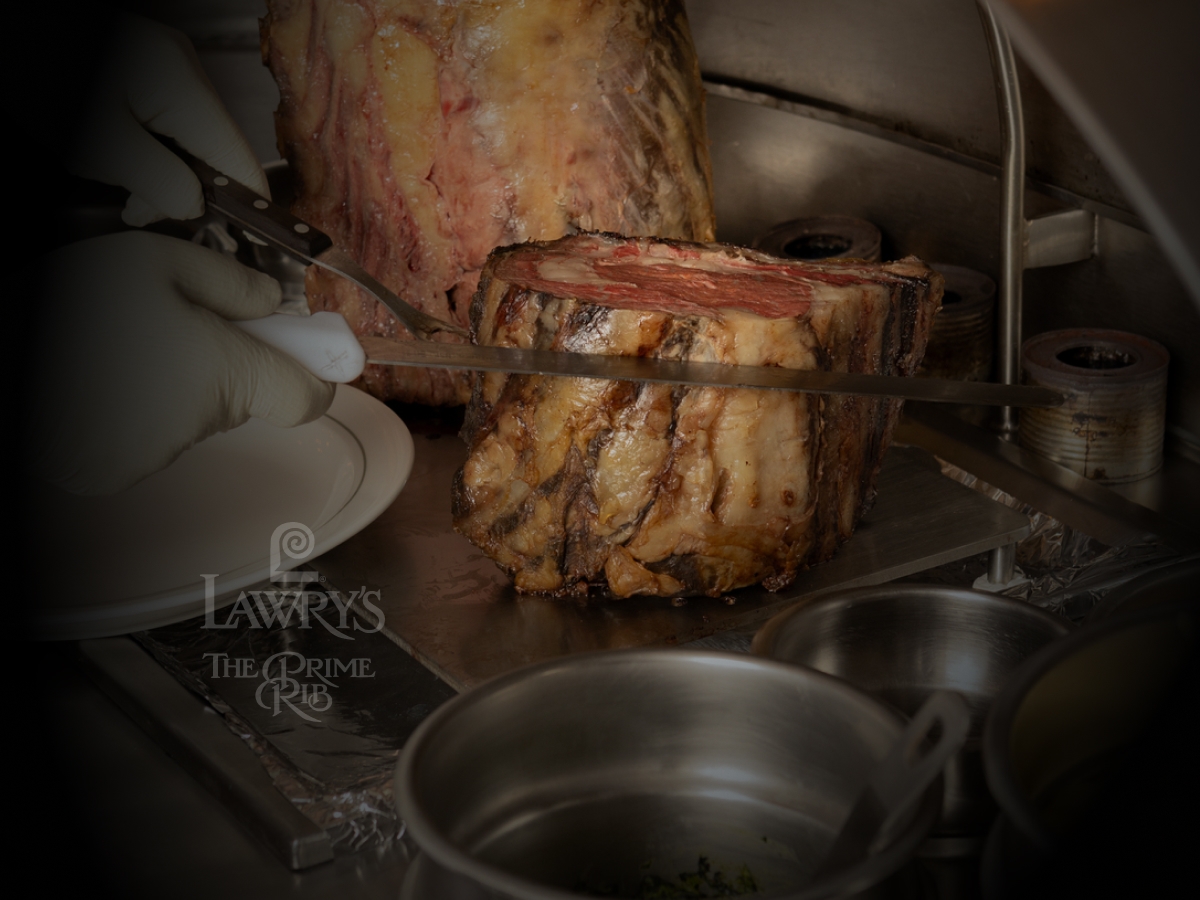
At Lawry’s The Prime Rib Jakarta, steak lovers can savour the ultimate expression of this technique, alongside the house specialty: slow-roasted prime rib carved tableside. Browse the full Lawry’s menu to discover why the restaurant has earned its reputation for excellence, from butter-basted steak to indulgent sides and classic desserts. Ready to elevate your dining experience? Book your seat and enjoy a fine dining journey where tradition meets perfection.
FAQ
Butter-basting is a finishing technique used in cooking steak where foaming butter is spooned over a seared steak. This method enhances flavor, adds a rich, nutty taste, and keeps the steak juicy and tender.
Avoid adding butter too early, using regular low smoke-point butter, keeping the pan too cool, improper spooning techniques, choosing thin cuts of steak, and skipping aromatics like thyme or garlic.
Clarified butter, or ghee, withstands higher heat due to its higher smoke point, making it ideal for butter-basting without burning or turning bitter.
Thicker cuts like ribeye, strip, or filet are best for butter-basting as they allow enough time to develop a crust without overcooking the interior.
To savor a professionally prepared butter-basted steak, visit Lawry’s The Prime Rib Jakarta, which offers expertly cooked steaks alongside their house specialty: slow-roasted prime rib.
Reserve Table
Lawry’s Restaurants is the perfect place to begin your venue search for any occasion.