
Beef Stock: What It Is, How to Make It, and Why It Matters for Premium Cuts
Beef stock is a rich, savory liquid made by slowly simmering beef bones, and sometimes meat, with onion, carrot, celery, herbs, and water. It looks simple in the pot, but it does serious work in the kitchen.
The long cooking process pulls collagen from the bones, which turns into gelatin and gives beef stock its body, depth, and glossy texture. This is why stock is behind many of the sauces, gravies, braises, and jus that make premium beef taste complete, including the au jus served with a properly prepared prime rib.
Beef Stock vs. Beef Broth: What’s the Actual Difference?
The beef stock vs beef broth question comes up often because the two look similar, and store-bought labels can make the difference even more confusing. In traditional cooking, the distinction is fairly clear.
Beef stock is made mainly from bones. Those bones are usually simmered for a long time, often with aromatics, so the collagen and connective tissue can break down into gelatin. When chilled, a good beef stock may set into a jelly-like texture. It is usually unsalted or lightly seasoned because it is meant to be reduced later.
Beef broth is usually made with more meat than bones. It has a lighter body, a shorter cooking time, and is often seasoned enough to drink or use directly in soups. In practical cooking, stock is the building block. Broth is closer to a finished liquid.
How to Make Beef Stock
For a deep brown beef stock, start with beef bones that have some connective tissue and meat attached. Knuckles, joints, marrow bones, rib bones, and shank bones are all useful. Roast the bones until browned, then add onion, carrot, and celery and roast again until the vegetables take on color.
Transfer everything into a large pot. Deglaze the roasting tray with hot water, scraping up the browned bits, then pour that liquid into the pot. Add cold water, herbs, garlic, and a little tomato paste if you want a darker, richer stock. Simmer gently for several hours, skimming foam and excess fat as needed.
When the stock tastes deep and full, strain it, chill it, and remove the solid fat from the surface. The result should be clean, beefy, and full-bodied.
What Is Beef Stock Used For?
Beef stock is useful because it adds flavor and structure without taking over the dish. Common uses include:
- Gravy and sauces
- Braising liquid for short ribs, brisket, or oxtail
- Soups and stews
- Au jus for roast beef and prime rib
- Risotto, barley, or other grain dishes that need a savory base
For premium cuts, beef stock is especially important because it supports the meat rather than masking it. A good sauce should make the beef taste more like itself.
How to Make Beef Stock Gravy
Beef stock gravy can be made in two main ways.
The first is pan dripping gravy. After roasting beef, remove the meat and deglaze the pan with beef stock. Scrape up the fond, which is the caramelized layer stuck to the pan, then reduce the liquid. Thicken it with a flour slurry, cornstarch slurry, or a roux, depending on the texture you want.
The second is standalone beef gravy. Melt butter in a pan, whisk in flour, and cook until the roux turns golden or deeper brown. Slowly whisk in warm beef stock, then simmer until smooth and thick. A darker roux gives the beef stock gravy a deeper color and more roasted flavor.
The quality of the stock is the biggest variable. A rich, gelatinous homemade stock creates a gravy that feels rounded and glossy. A thin, salty stock creates a thin, salty gravy.
What Can I Substitute for Beef Stock?
When you need a quick substitute, use the closest option for the dish.
- Beef broth: the closest substitute, though lighter and usually saltier
- Chicken or vegetable stock: lighter in flavor, but workable for soups and braises
- Mushroom stock: the best plant-based substitute for umami depth
- Beef stock concentrate or bouillon: useful for everyday cooking, but often high in sodium and less consistent in quality
If the dish depends heavily on reduction, choose the lowest-sodium option available.
Often Time, Beef Stock Is the Secret Behind a Great Prime Rib Sauce
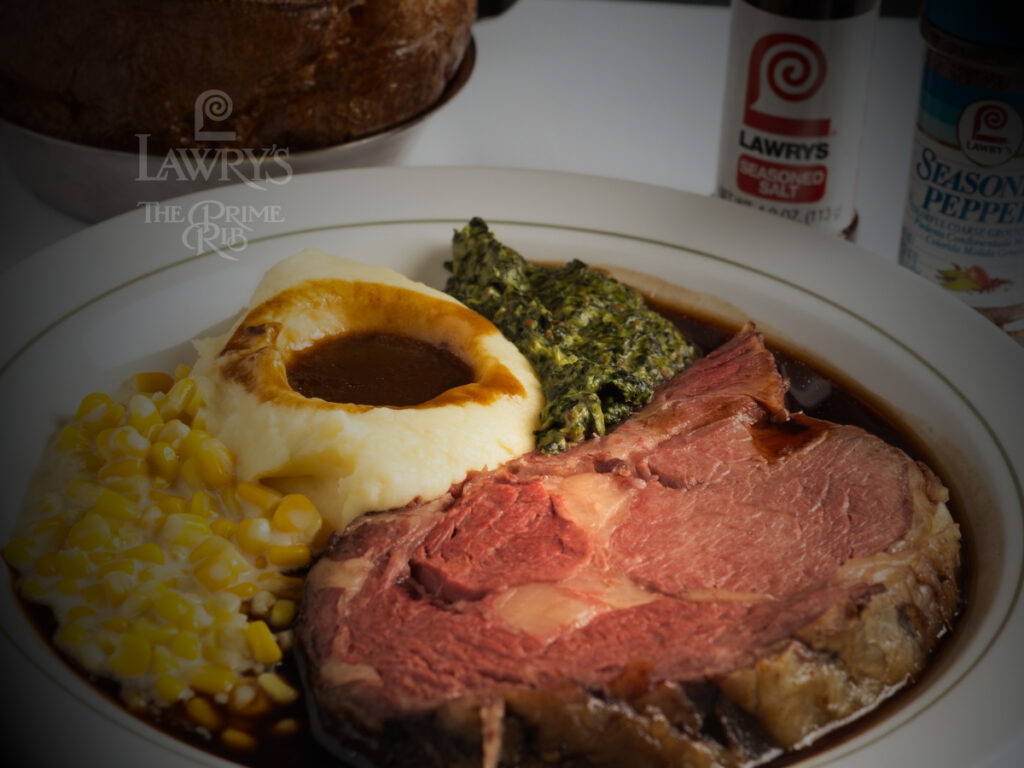
The au jus served with prime rib is essentially elevated beef stock. It is built from roasting drippings, reduced carefully, and lightly seasoned. When the underlying stock has depth, the jus tastes clean, beefy, and integrated. When the stock is weak, the sauce feels flat no matter how good the roast is.
Prime rib bones are also excellent for stock. They have marrow, collagen, and roasted beef flavor, which makes them too valuable to throw away after a home roast.
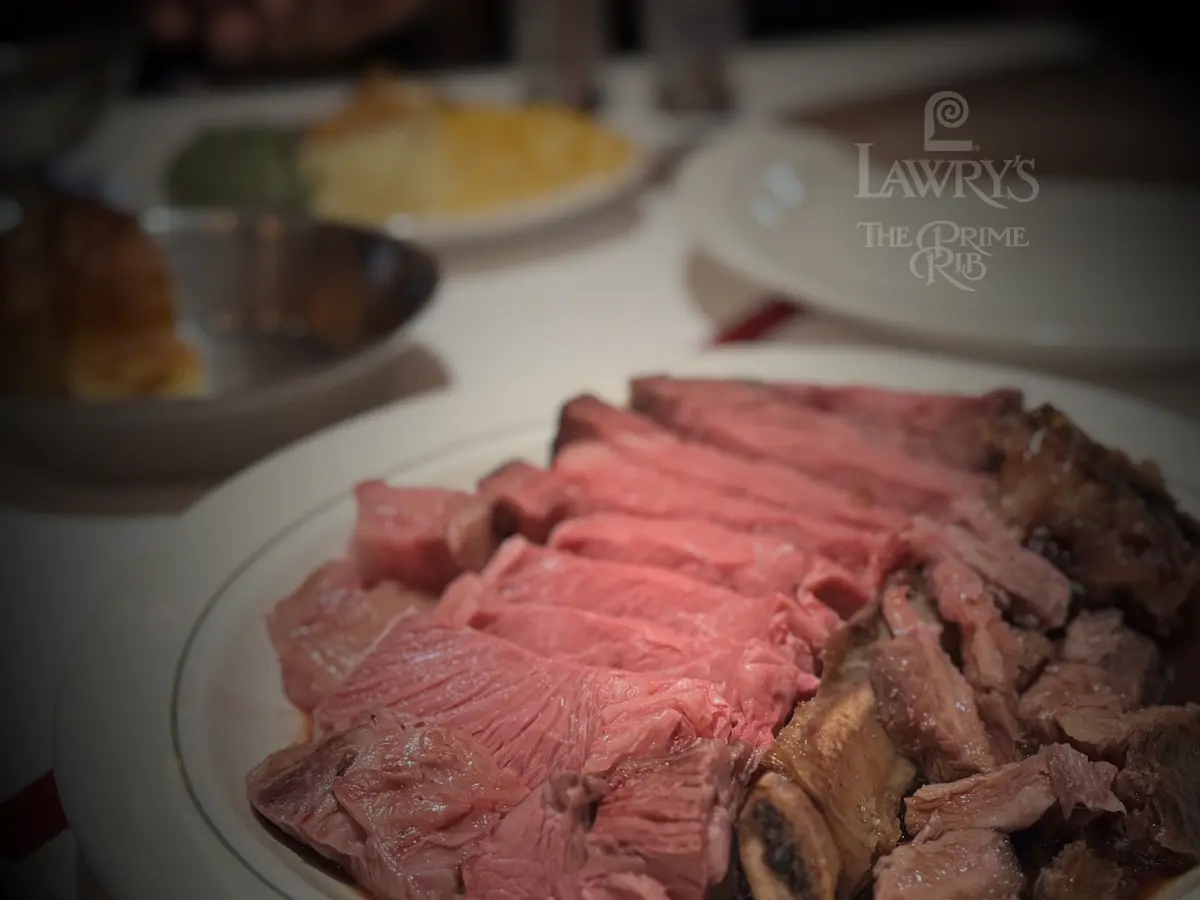
At a fine dining level, au jus is not an afterthought. It is prepared with the same care as the cut itself. That is part of what separates a proper prime rib experience from ordinary roast beef and gravy.
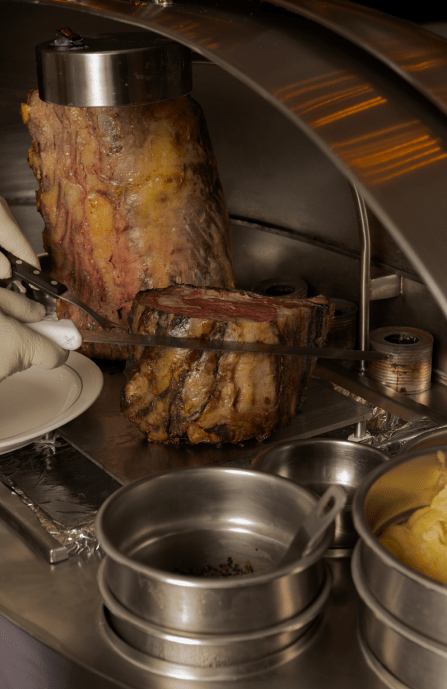
For guests who want to taste that difference without spending a day making stock, Lawry’s The Prime Rib Jakarta brings the tradition directly to the table. Explore Lawry’s menu to see the prime rib cuts, or experience fine dining Jakarta with the Silver Cart service that has defined Lawry’s for generations.
Skip making your own au jus for one night. Book your seat at Lawry’s The Prime Rib Jakarta, where the Silver Cart comes to you.

Reserve Table
Lawry’s Restaurants is the perfect place to begin your venue search for any occasion.