
What Is the Rarest Steak in the World?
Olive Wagyu, also known as Sanuki Wagyu, is widely recognized as the rarest steak in the world. It comes from Shodoshima Island in Japan, where only around 2,200 cattle are raised for this specific beef, with only a small amount exported outside the country. For most steak lovers, tasting Olive Wagyu is less a dinner plan and more a lucky encounter.
The World’s Rarest Steaks
Olive Wagyu A5
Olive Wagyu comes from Kuroge Washu cattle raised on Shodoshima Island, an area known for olive production. The cattle are fed a special diet that includes toasted and dried olive pulp, which contributes to its unusually fine marbling and distinct fat composition.
Its rarity comes down to geography, production scale, and strict supply. With only a few farmers raising these cattle and only a limited number processed each month, Olive Wagyu A5 sits at the top of the world’s rarest steak list.
Polmard Vintage Côte de Boeuf
Polmard Vintage Côte de Boeuf is rare for a different reason. Produced by the Polmard family in France, this beef is known for its aging process, with select cuts preserved for years under controlled conditions.
It is not widely distributed, and its availability is tied closely to the producer’s own system of breeding, butchery, and preservation. That makes it difficult to access, even for diners used to high-end beef.
Matsusaka Wagyu A5
Matsusaka beef comes only from the Matsusaka region of Mie Prefecture in Japan. Production is limited, with around 7,000 cows slaughtered for Matsusaka beef each year, which is small compared with broader Wagyu production.
It is part of Japan’s Sandai Wagyu, or “three major Wagyu,” alongside Kobe and Omi beef. Its reputation comes from strict rearing standards, heavy marbling, and the limited number of cattle that qualify under the Matsusaka name.
Kobe Beef A5
Kobe beef is famous, but its real rarity is often misunderstood. All Kobe beef is Wagyu, but only Tajima-gyu cattle from Hyogo Prefecture that meet strict certification standards can be called Kobe.
Because of those rules, genuine Kobe beef is far less common than the name suggests. Many restaurants use the word loosely, but certified Kobe beef remains tightly controlled.
Omi Wagyu
Omi beef is one of Japan’s oldest branded Wagyu names and another member of the Sandai Wagyu group. It comes from Shiga Prefecture and is known for its fine texture and balanced marbling.
Its rarity is not as extreme as Olive Wagyu, but true Omi Wagyu still depends on regional production and strict quality expectations. That makes it a sought-after cut for serious Wagyu diners.
What Actually Makes a Steak “Rare”?
Supply Scarcity
A steak is rare when there simply is not much of it available. Olive Wagyu is the clearest example, with a tiny cattle population and minimal export volume. The same logic applies to regional Japanese beef labels, where the name depends on where and how the cattle were raised.
Time Investment
Some steaks are rare because they take years to produce properly. Long feeding periods, controlled aging, and strict selection all reduce supply. The longer the process, the harder it becomes to scale without changing the result.
Exclusivity of Process
Rarity also comes from systems that cannot be copied easily. A breed, a region, a diet, a grading standard, or a family-run aging method can all make a steak difficult to replicate elsewhere.
Most of these rare cuts share one grading reference point: A5. Curious about what A5 actually means and why it matters for every steak on this list? Read: Wagyu A5: What Is It and Why Is It Special?
How Close Can You Get in Jakarta?
Most of the steaks on this list are almost impossible to find outside Japan or Europe. Olive Wagyu A5, Matsusaka A5, and certified Kobe beef are controlled by strict production rules, and even when they leave their home regions, supply is small.
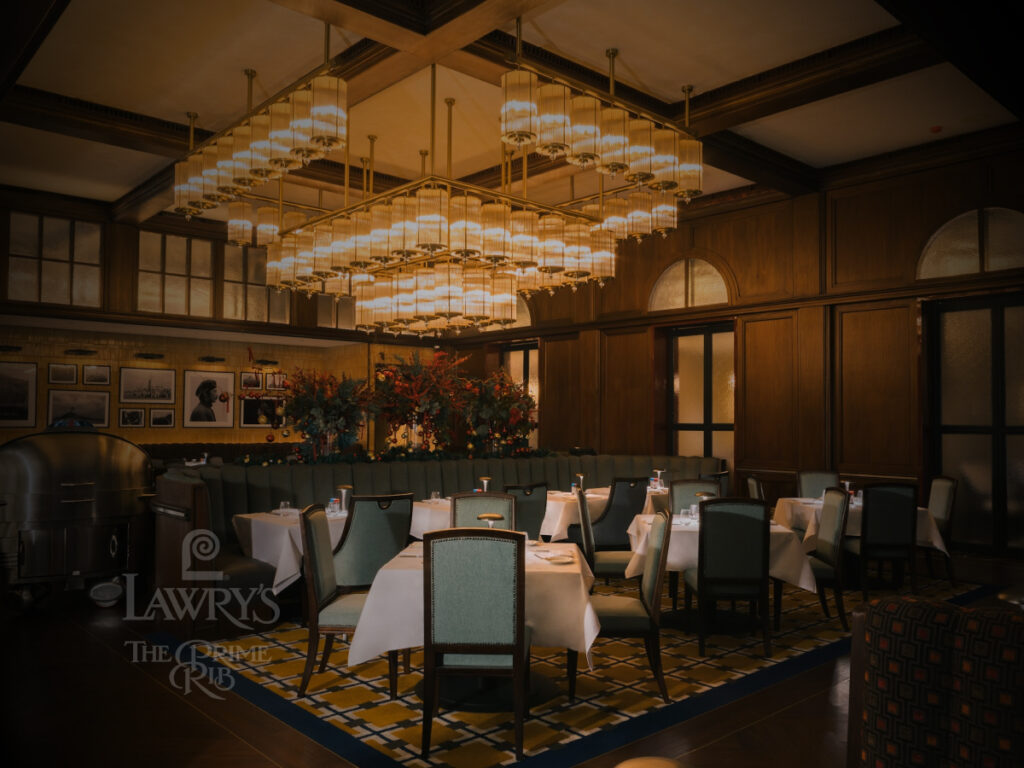
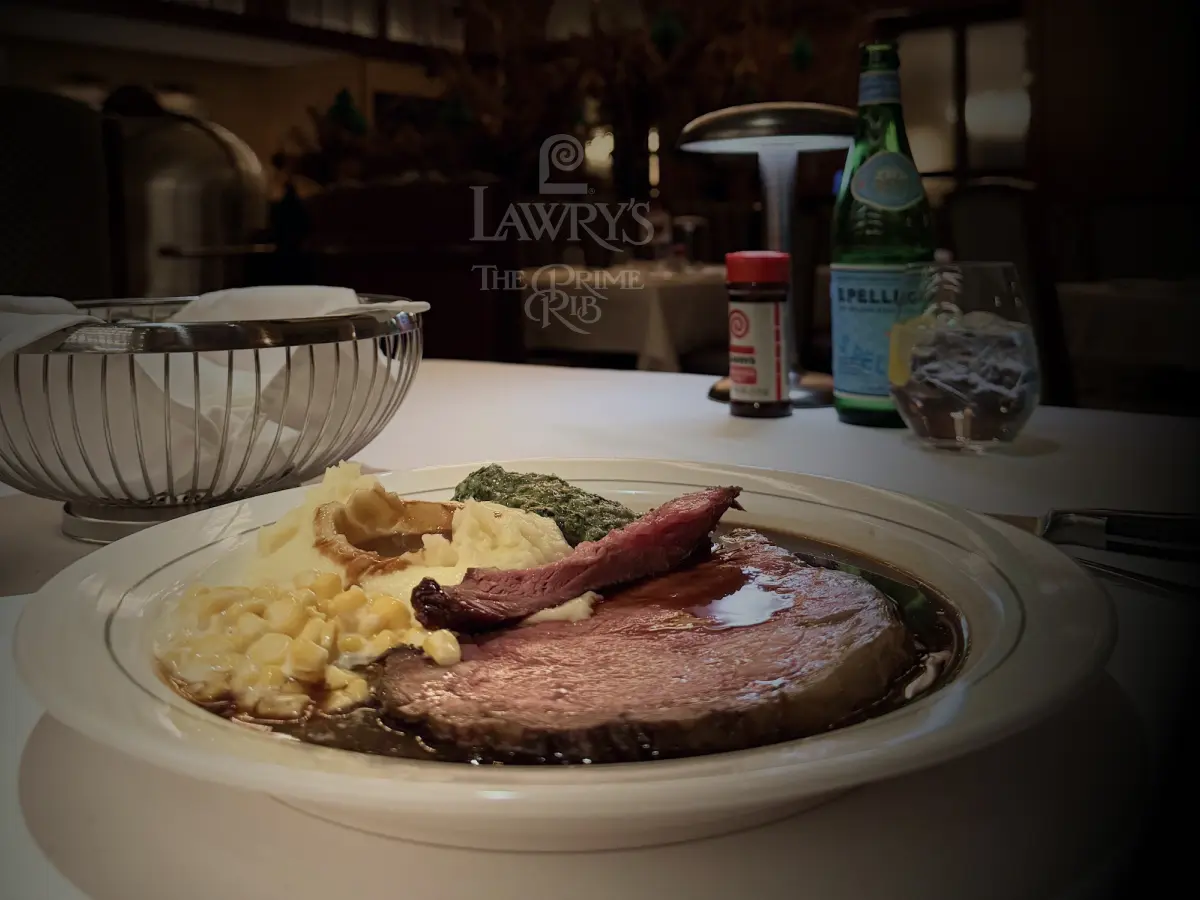
Jakarta diners can still get close to the same grading conversation through Wagyu. At Lawry’s The Prime Rib Jakarta, a destination for fine dining jakarta, the Wagyu MB7 Sirloin and Wagyu MB5 Filet Mignon offer genuine Wagyu marbling scores.
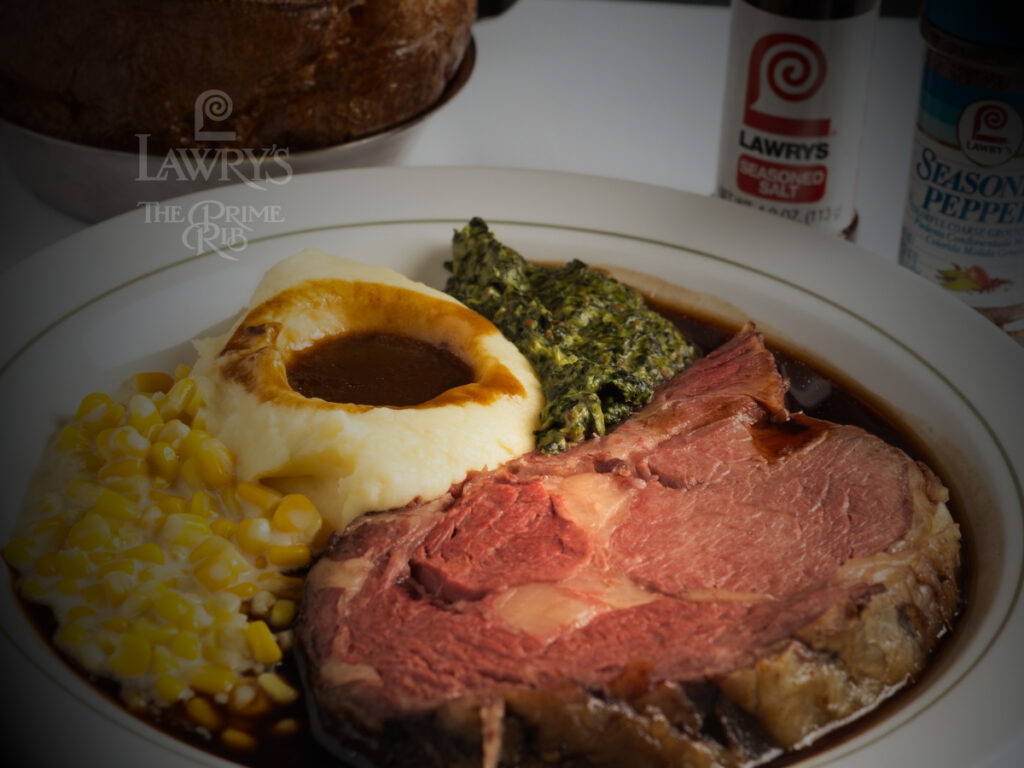
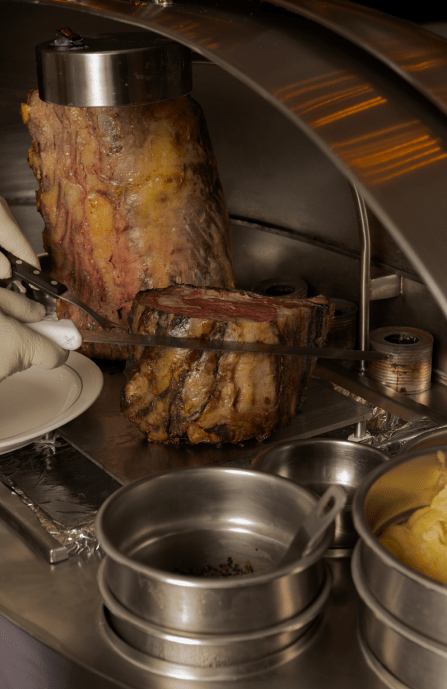
These cuts do not claim to be Olive Wagyu or Matsusaka beef. Their value is in giving diners access to the same marbling framework that defines many of the world’s rarest steaks. You can find them on lawry’s menu, alongside the restaurant’s signature prime rib and steak selections.
Conclusion
The world’s rarest steaks share one quality. The conditions that produce them cannot be repeated at scale. Scarcity is not just a marketing line. It comes from time, geography, cattle lineage, regional rules, and a process that leaves very little room for shortcuts.
Can’t fly to Shodoshima Island for Olive Wagyu? Lawry’s Jakarta serves Wagyu MB7 Sirloin and Wagyu MB5 Filet Mignon, both carrying genuine Wagyu marbling scores within the same grading framework as the world’s rarest cuts. Book your seat and taste how close Jakarta gets.
Only admins can view this.

Reserve Table
Lawry’s Restaurants is the perfect place to begin your venue search for any occasion.