
Prime Rib vs. Brisket: Which Slow-Cooked Beef Wins?
Look, both prime rib and brisket take their time, but they are not after the same thing! Prime rib comes from a cushier part of the cow and arrives naturally tender, rich, and ready to roast. Brisket comes from the lower chest, built by hard muscle and stubborn enough to demand smoke, braising, or hours of steady heat. Same animal, different attitude.
Where each cut sits tells you almost everything you need to know. One gives you marbling, softness, and clean slices. The other gives you chew, collagen, and depth that has to be coaxed out slowly. Once that clicks, prime rib and brisket stop looking like two slow-cooked versions of the same idea.
Where Each Cut Comes From
Prime rib is taken from the rib primal, the upper middle section of the cow. On a beef chart, it sits behind the chuck and before the loin, above the plate. This area does not carry as much weight or perform as much constant movement as the lower front or rear sections of the animal. That lower workload is one reason prime rib is naturally tender.
The cut is often sold as a standing rib roast, sometimes bone-in. It may include several ribs and a generous fat cap, giving it the size and presence associated with classic roast service. The term “prime rib” refers to the cut itself, not necessarily the USDA Prime grade, though high-grade beef with strong marbling is often preferred for the best result.
Brisket comes from a completely different area. It is cut from the lower chest, between the front legs, close to the breast and foreshank. This part of the cow supports a lot of weight and movement, which makes the muscle denser and tougher. Brisket usually comes in two main parts: the flat, which is leaner and more even in shape, and the point, which has more fat and is often favored for barbecue.
Preparation, and How Each Cut Shines
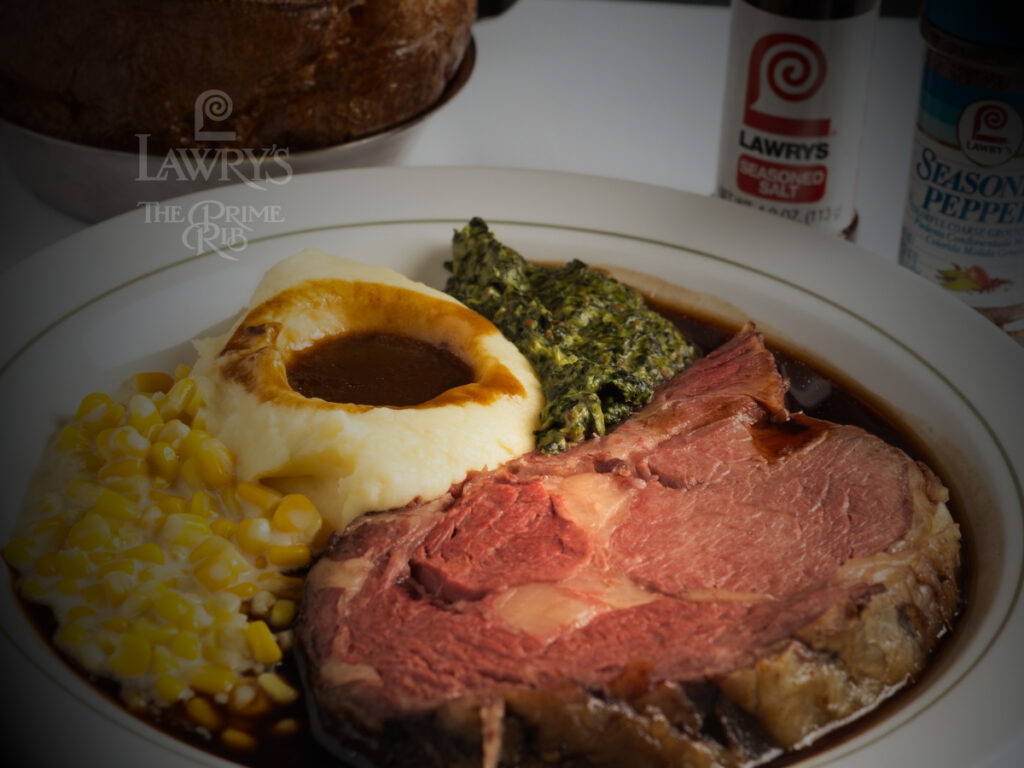
Prime rib shines through slow roasting. The goal is steady heat, even cooking, and careful timing. A whole roast is seasoned, cooked gently, rested, then sliced. Bone-in presentation adds visual weight and helps preserve the traditional character of the dish. Many kitchens also use the bones and drippings to prepare au jus, keeping the flavor close to the beef itself.
The method is controlled rather than aggressive. Prime rib does not need heavy smoke or a complicated marinade to make an impression. Its strength comes from the cut, the marbling, the fat cap, and the way slow heat allows the meat to stay juicy from edge to center.
Brisket needs a longer, tougher journey. It is commonly smoked, braised, or slow-cooked for many hours. Barbecue brisket, especially when made from the point or a whole packer cut, relies on low heat, smoke, time, and patience. The collagen in the meat slowly breaks down, the fat renders, and the tough fibers soften. Braised brisket works in a similar way, using liquid, aromatics, and time to turn a dense cut into tender slices or shreddable beef.
Flavor and Texture
Prime rib has a tender, juicy texture with a rich, rounded beef flavor. The marbling melts into the meat as it roasts, while the fat cap adds moisture and depth. Because the rib section is already tender, the final bite is soft, clean, and generous without needing to fall apart. A good slice should hold its shape, cut easily, and release its juices without feeling loose or stringy.
The flavor is also shaped by restraint. Salt, herbs, roasting, and au jus are usually enough. Prime rib tastes full because the cut itself carries enough fat and tenderness to lead the plate.
Brisket has a different appeal. It is meatier, denser, and more robust when cooked properly. Smoked brisket brings bark, smoke, rendered fat, and deep savory flavor. Braised brisket leans toward comfort, with the meat absorbing the cooking liquid and aromatics over time. The texture can be tender, even spoon-soft, but it still comes from a hardworking muscle. That gives brisket a heavier chew and a more rustic feel.
What to Consider
Choose prime rib when tenderness is the priority. It is the better option for guests who want a juicy, refined slice of beef with a soft bite and rich fat. It also suits occasions where the meal needs a sense of ceremony. Birthdays, holiday dinners, formal gatherings, and long-table celebrations all fit prime rib naturally because the roast feels communal from the moment it is carved.
Choose brisket when you want deeper smoke, a more casual style, or a dish built around long cooking. It works well for barbecue, family-style meals, sandwiches, braised plates, and gatherings where bold flavor matters more than polished presentation. Brisket also rewards cooks who enjoy the process. Smoking or braising it properly takes time, attention, and some stubbornness.
Cooking style is another deciding factor. Prime rib is ideal for roasting and classic dining. Brisket belongs to smoking, braising, and slow-cooked comfort food. Both can feed a crowd, but the mood changes. Prime rib feels celebratory and composed. Brisket feels relaxed, generous, and hands-on.
For the most tender result with a classic roast presentation, prime rib wins. For smoke, bark, and slow-cooked intensity, brisket earns its place. The better choice comes down to the bite you want and the occasion you are planning.
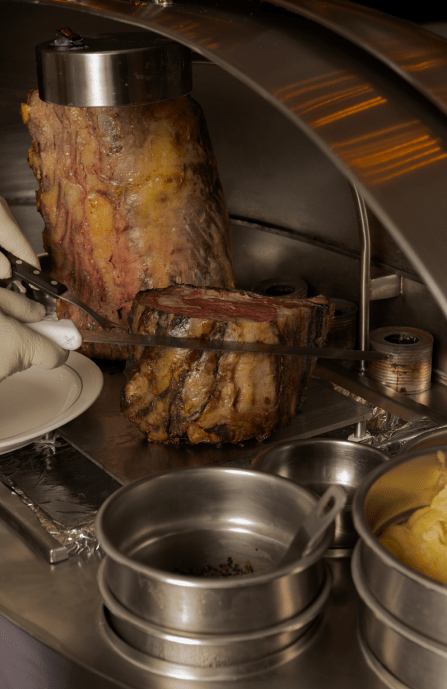
For diners looking for fine dining in Jakarta, Lawry’s The Prime Rib offers an authentic prime rib experience built around slow roasting, careful carving, and a complete dining ritual. Explore Lawry’s menu for prime rib, steaks, pairings, and drinks, then book your seat for a meal where the tenderness of prime rib gets the attention it deserves.
FAQ
Prime rib is slow-roasted as a whole cut with steady, controlled heat. The goal is an even cook from edge to center, with the fat rendering gently and the juices staying in the meat. Brisket takes a different path entirely. It is typically smoked, braised, or slow-cooked for many hours, relying on time, moisture, and often smoke to break down the collagen and soften the dense muscle fibers.
Choose prime rib when tenderness, refinement, and a sense of occasion matter most. It suits formal dinners, celebrations, and gatherings where the meal needs a centerpiece that feels polished and generous. Choose brisket when you want deeper smoke, a more casual and hands-on cooking style, or a dish built around bold, rustic flavor that rewards patience and a less formal setting.
Reserve Table
Lawry’s Restaurants is the perfect place to begin your venue search for any occasion.